The Age a Siamese Cat Is Considered Senior
It's a bittersweet moment when you realize your vibrant, endlessly curious Siamese cat isn't quite the kitten they used to be. Suddenly, those energetic zoomies are a little less frequent, and naps become a much more serious affair. We all wonder when our beloved feline companions officially cross that threshold into "senior" status, and with Siamese cats, whose lifespans often reach into their late teens and even early twenties, it's not always as straightforward as you might think. This comprehensive guide will walk you through the nuanced signs and stages of aging in your Siamese, helping you understand when they're truly considered senior and how to adjust their care accordingly to ensure their golden years are as comfortable and joyful as possible.
Understanding the Feline Aging Process
Cats, much like humans, don't suddenly wake up one day and become "old." It's a gradual process, but veterinary science has established general guidelines to help us understand the different life stages. These stages aren't just arbitrary labels; they reflect physiological changes, potential health risks, and necessary adjustments in care. For Siamese cats, with their often vigorous health and extended lifespans, these markers can sometimes feel a bit different, leading to questions from devoted owners who want to provide the best for their unique companions.
Defining Cat Life Stages
While you might instinctively think of a senior cat as one with graying fur or a slower gait, the definitions used by veterinarians are a bit more precise and are generally broken down into several stages. Understanding these can help you better anticipate and respond to your Siamese's needs throughout their life. It helps to reframe our perception from simply "kitten" and "adult" to a more granular view that acknowledges the significant changes occurring internally.
Most veterinary associations, including the American Association of Feline Practitioners (AAFP), categorize feline life stages like this:
| Life Stage | Cat Age (Years) | Human Equivalent Age (Approx.) | Key Characteristics |
|---|---|---|---|
| Kitten | 0-6 months | 0-10 years | Rapid growth, learning, intense play |
| Junior | 7 months – 2 years | 12-24 years | Adolescent behavior, sexual maturity, full growth, peak energy |
| Adult | 3-6 years | 28-40 years | Prime physical condition, established personality |
| Mature | 7-10 years | 44-56 years | Middle-aged, subtle physiological changes begin, start of age-related screenings |
| Senior | 11-14 years | 60-72 years | Increased risk of age-related diseases, noticeable physical and behavioral changes, more frequent vet visits |
| Geriatric | 15+ years | 76+ years | Fragility, chronic conditions, specialized care needs, focus on comfort and quality of life |
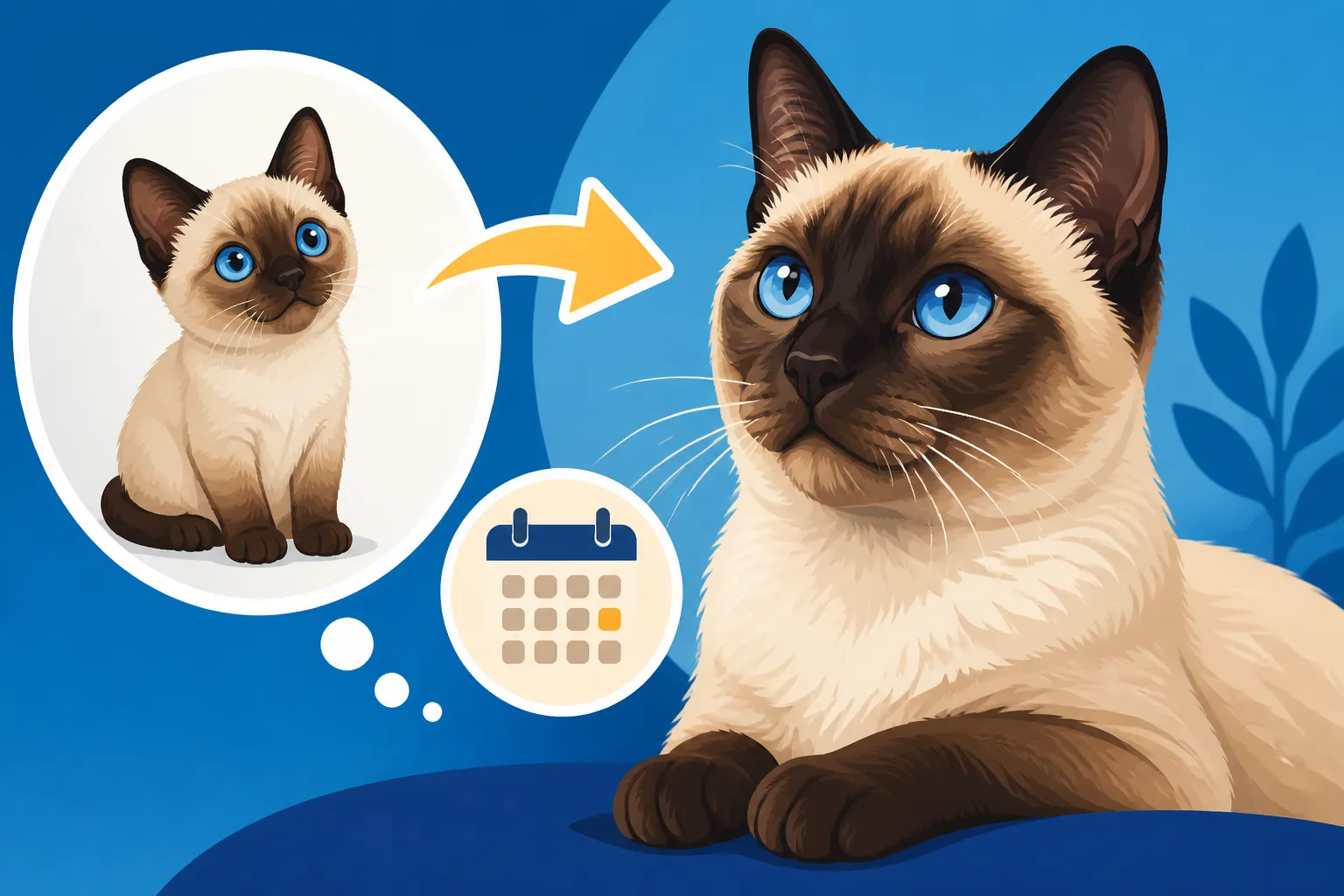
When we talk about a Siamese cat being considered "senior," we're generally looking at that 11-14 year mark, but it's crucial to remember that this is a guideline, not a strict rule. Just like people, some Siamese cats might show signs of aging earlier, while others remain spry and active well into their high teens.
How Siamese Lifespans Influence Seniority
Siamese cats are often lauded for their impressive longevity, with many living "The Fifteen to Twenty Years a Siamese Cat Gets." This means that while the general "senior" designation starts around 11 years, a Siamese at 11 might still be incredibly active and alert compared to other breeds. Their vibrant, intelligent personalities often mask subtle changes for longer, making it even more important for owners to pay close attention to the nuances of their behavior and physical condition.
A Siamese cat reaching 15 years old, for instance, is truly entering their geriatric years, equivalent to a human in their mid-70s or 80s. At this point, even the most robust Siamese will typically require more attentive care, specialized diets, and more frequent veterinary check-ups to manage age-related conditions. This extended lifespan is a gift, but it also means a longer period of potential age-related health management, which is a significant consideration for owners.
When Your Siamese Cat Becomes a "Mature" Adult
Before reaching full-blown senior status, your Siamese enters the "mature" stage, typically between 7 and 10 years of age. This period is a subtle transition, where your cat is still very much an adult, but the first whispers of age-related changes might start to appear. It's often where preventative care becomes even more critical, and a keen eye can make all the difference in catching potential issues early.
Subtle Behavioral Shifts
You might notice that your Siamese, while still incredibly vocal and interactive, begins to dial back their intensity ever so slightly. Those incessant conversations might become a bit less demanding, or they might seek out quiet, warm spots more frequently for extended naps. For a breed known for being "A Siamese Cat Will Not Be Ignored," this can sometimes be a jarring change, making owners wonder if something is wrong.
It's not usually a cause for alarm, but rather a natural progression. They might still greet you at the door with a loud "meow," but perhaps the frantic pace of following you from room to room has slowed a touch. They may still enjoy playing, but they might tire out quicker than they once did. Pay attention to their sleep patterns too; older cats tend to sleep more deeply and for longer durations. Observing these subtle shifts helps you understand your cat's evolving comfort levels and adjust their routine to match. For example, if they're sleeping more, ensure their favorite napping spots are extra cozy and draft-free.
Early Physical Indicators
Physically, a mature Siamese might not look drastically different, but there can be subtle changes if you know what to look for. Their coat, usually sleek and shiny, might start to lose a touch of its luster, or you might notice a very slight thinning. Their eyes, always a striking blue, may appear a little cloudier with age, a condition known as lenticular sclerosis, which is typically benign and doesn't severely impact vision.
One of the most important things to monitor during this stage is their weight. While many Siamese cats "Why a Siamese Cat Stays So Thin," even a slight increase or decrease in weight without a change in diet could be an early indicator of underlying health issues. Keep an eye on their dental health as well; "Dental Disease in a Siamese Cat" is incredibly common, and regular dental check-ups become paramount as they age. Early intervention here can prevent a cascade of other health problems down the line. A mature Siamese might also start to show tiny stiffness in their joints, though it might be so subtle you'd only notice it in their jump onto a high counter or a slightly slower ascent up the stairs.
Entering the Senior Years: 11-14 Years
Once your Siamese cat crosses the 11-year mark, they are generally considered senior. This isn't a decline into decrepitude, but rather a stage where their body's systems are less resilient, and the risk of age-related health conditions increases. This is a time to become even more vigilant about their well-being and proactive in their veterinary care.
Increased Health Risks
Senior Siamese cats become more susceptible to a range of chronic conditions that can significantly impact their quality of life if not managed. Kidney disease, hyperthyroidism, diabetes, and certain cancers are more prevalent in this age group. For Siamese cats specifically, conditions like Amyloidosis, which can lead to "Kidney Disease in an Older Siamese Cat," can manifest in these later years, though its onset can vary. It’s important to know the signs.
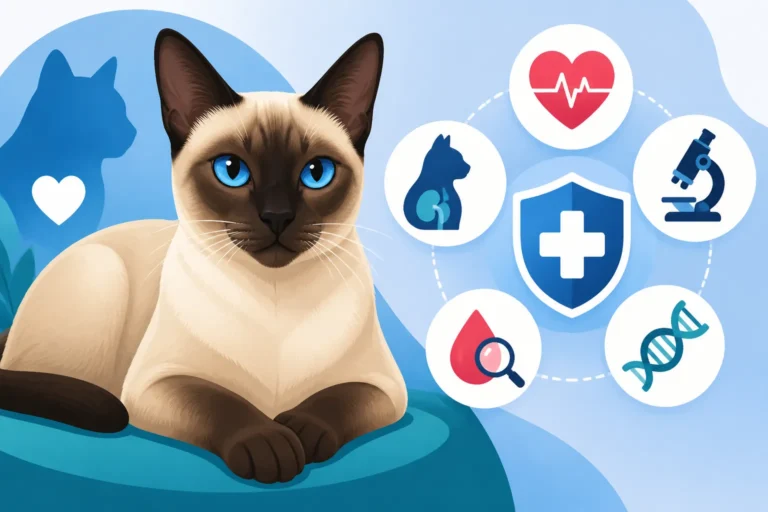
Regular veterinary check-ups become non-negotiable, ideally every six months, even if your cat seems perfectly healthy. These visits allow your vet to perform thorough physical exams, blood work, and urine tests that can detect issues before they become advanced. Early detection of conditions like "Heart Disease in a Siamese Cat," for example, can lead to treatments that significantly extend your cat's comfortable lifespan. A good pet insurance plan, like those offered by Healthy Paws, can be incredibly beneficial during this period, helping to cover the costs of these more frequent diagnostics and potential treatments.
Noticeable Physical Changes
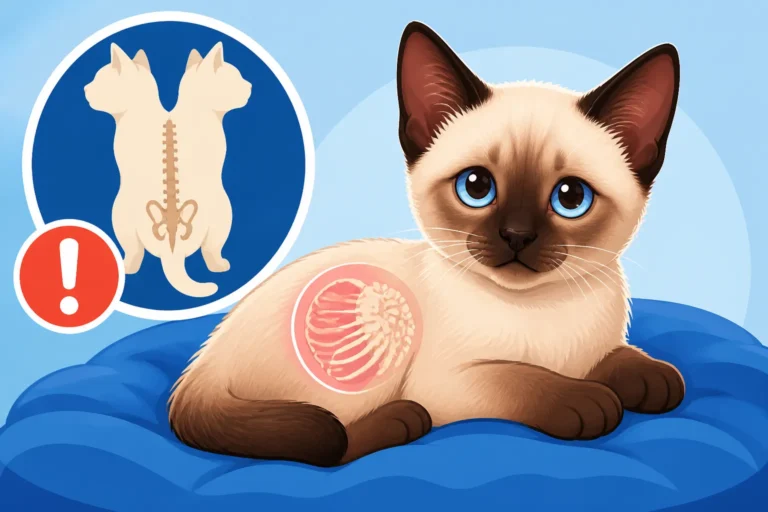
Around 11-14 years, the physical signs of aging become more apparent. Your Siamese might develop a more pronounced sway in their back or a less powerful jump. Their once-sleek coat might become duller, perhaps a bit coarser, and they might even struggle with self-grooming due to arthritic joints. You might notice "What Changes in a Siamese Cat After Twelve," such as muscle mass reduction, especially along their spine and hindquarters, making them appear even thinner than their already lean build.
Vision and hearing can also start to decline. While "How a Blind Siamese Cat Manages" is generally quite well, you might notice your cat bumping into familiar objects in dim light or not responding as readily to your voice. Their once vibrant blue eyes might develop a milky haze, and the pupils may appear consistently dilated. Keep an eye out for any changes in their thirst levels; "Why a Siamese Cat Drinks More With Age" can be a key indicator of kidney disease or diabetes. Monitoring these changes helps you adjust their environment and interactions to ensure they feel safe and loved.
The Geriatric Years: 15+ Years
Reaching 15 years and beyond is a testament to the excellent care you’ve provided and the inherent robustness of the Siamese breed. These are the true "golden years," where the focus shifts primarily to comfort, pain management, and maximizing the remaining quality of life. Many Siamese cats "Whether a Siamese Cat Can Reach Twenty," making this a significant portion of their life.
Managing Chronic Conditions
In the geriatric stage, it’s highly probable your Siamese will have one or more chronic conditions that require ongoing management. This could range from advanced arthritis and kidney disease to more complex issues like heart disease or cognitive dysfunction. The priority becomes keeping them comfortable and happy, even if a "cure" isn't possible. Your veterinarian will work closely with you to develop a tailored management plan.
This might involve daily medications, prescription diets, and even therapies like acupuncture or laser treatments for pain. It’s a time when consistent veterinary support is invaluable. For instance, managing "Kidney Disease in an Older Siamese Cat" often involves special low-protein diets and subcutaneous fluids, which can sound intimidating but are manageable with proper guidance. The financial aspect can be daunting, and having insurance from a provider like Healthy Paws can ease the burden of these long-term care costs.
Ensuring Comfort and Quality of Life
"Caring for an Old Siamese Cat" involves more than just medicine; it's about optimizing their daily environment for ease and enjoyment. They might struggle to reach their favorite high perches, so provide ramps or steps. Offer easily accessible litter boxes with lower sides. Heated beds can be a godsend for arthritic joints, especially for Siamese cats who are known to seek out warmth due to their lack of undercoat.
Their appetite might decrease, so consider warming wet food or offering highly palatable options to encourage eating. If you notice "Signs of Dementia in an Old Siamese Cat," such as disorientation, increased vocalization (especially at night), or changes in interaction, discuss these with your vet. Simple interventions like consistent routines and night lights can sometimes help. Ultimately, the goal is to ensure every day is filled with warmth, safety, and your unwavering affection, making their twilight years as dignified and joyful as possible.
Adapting Your Care Routine for a Senior Siamese
Transitioning your Siamese into their senior years means making thoughtful adjustments to their daily routine and environment. It's about recognizing their changing needs and proactively providing support, rather than reacting to problems as they arise. This proactive approach can significantly enhance their comfort and extend their healthy lifespan.
Veterinary Care Becomes More Frequent
As your Siamese ages, "How Often a Siamese Cat Needs a Wellness Exam" will increase. While annual check-ups are standard for adult cats, senior and geriatric Siamese cats typically benefit from semi-annual (every six months) veterinary visits. These more frequent appointments are crucial for early detection of age-related diseases that can progress rapidly. During these visits, your vet will likely recommend comprehensive blood work and urinalysis to screen for conditions like kidney disease, hyperthyroidism, and diabetes.
These routine screenings are not just about finding problems; they're about establishing baselines. If your vet has records of your cat's blood values from six months or a year ago, they can more easily spot subtle changes that indicate an emerging health issue. Early intervention, as with most conditions, leads to better outcomes and often less invasive, less costly treatments. It also allows for discussions about pain management, mobility issues, and cognitive changes that might not be obvious during less frequent visits.
Nutritional and Environmental Adjustments
A senior Siamese cat's dietary needs change. Their metabolism might slow down, or conversely, some conditions like hyperthyroidism can cause them to lose weight despite eating normally. Your vet might recommend a senior-specific diet that is easier to digest, has controlled phosphorus levels for kidney health, or is designed to support joint health. "Feeding a Lean Siamese Cat That Burns Everything" becomes even more nuanced when they're older and potentially dealing with health issues.
Beyond food, look at their living space. Are their favorite sleeping spots still easy to access? Can they comfortably get to their litter box without climbing? Provide soft, supportive bedding, ideally heated, as older Siamese cats "Keeping a Siamese Cat Warm" is essential due to their thin coat and reduced fat reserves. Consider adding ramps or steps to help them reach higher surfaces. Ensure their litter boxes have low sides for easy entry and exit, and place multiple boxes in easily accessible locations throughout the home. If their vision is declining, avoid rearranging furniture frequently, and consider nightlights for safety.
Mental and Emotional Enrichment
Even as they slow down, senior Siamese cats still thrive on interaction and mental stimulation. Don't assume an older cat no longer wants to play. Adapt their playtime to their energy levels: shorter, gentler sessions with favorite toys. Puzzle feeders can still provide mental engagement and slow down eating. Continue to engage them in conversation, offering gentle strokes and cuddles. A Siamese cat's bond with their human often deepens in their later years, and they rely on your presence and affection more than ever.
If your Siamese is showing signs of cognitive decline, maintaining a consistent routine is vital for their sense of security. Avoid loud noises or sudden changes that might disorient them. Continue to offer them comfortable, familiar spaces where they can retreat and feel safe. While they might not be the boisterous, demanding cat of their youth, they are still your beloved companion, and their emotional well-being remains paramount.
The Financial Reality of Senior Siamese Care
It's a fact of life that as our beloved pets age, their healthcare needs often increase, and with those needs come financial considerations. "What a Siamese Cat Costs Over Twenty Years" will undoubtedly include a significant portion dedicated to their senior and geriatric care. Being prepared for these costs can make a world of difference in providing your Siamese with the best possible quality of life in their later years.
Increased Veterinary Expenses
From more frequent wellness exams to specialized diagnostics like ultrasounds for a suspected tumor, or blood tests for a failing organ, the veterinary bills for a senior Siamese can add up quickly. Managing chronic conditions often involves ongoing medication, which can range from daily oral supplements to insulin injections or even specialized inhalers for "Asthma in a Siamese Cat." Surgeries for conditions like "What a Siamese Cat's Blockage Surgery Costs" (if pica continues in old age) or extensive "What Extractions Cost a Siamese Cat Owner" due to dental disease are also more common.
Consider setting aside a dedicated "senior cat fund" if you don't have pet insurance. Even a modest amount put away regularly can help cushion the blow of unexpected expenses. Many veterinary clinics offer payment plans or work with third-party financing options like CareCredit, which can be lifesavers during a medical crisis. Always discuss treatment options and associated costs with your vet so you can make informed decisions that are best for your cat and your budget.
The Value of Pet Insurance
This is where pet insurance truly shines, especially for long-lived breeds like the Siamese. While it's best to enroll your cat when they are young and healthy to avoid pre-existing condition exclusions, even enrolling a mature or senior cat can provide valuable coverage for new conditions that arise. Providers like Healthy Paws offer policies that can cover a significant portion of unexpected illness and accident costs, from diagnostics to surgeries and medications.
For example, if your senior Siamese develops "Kidney Disease in an Older Siamese Cat," the ongoing costs of prescription food, regular blood work, and potential fluid therapy can be substantial. A good insurance plan can help offset these expenses, allowing you to focus on your cat's health rather than worrying about the bill. Be sure to research different plans and understand their coverage, deductibles, and reimbursement rates to find one that fits your needs. While no insurance covers everything, it can provide immense peace of mind when facing the complex health challenges of an aging feline.
Disclaimer
This article is intended for informational purposes only and does not constitute veterinary advice. Always consult with a qualified veterinarian for any health concerns or before making any decisions about your Siamese cat's care, diet, or treatment.