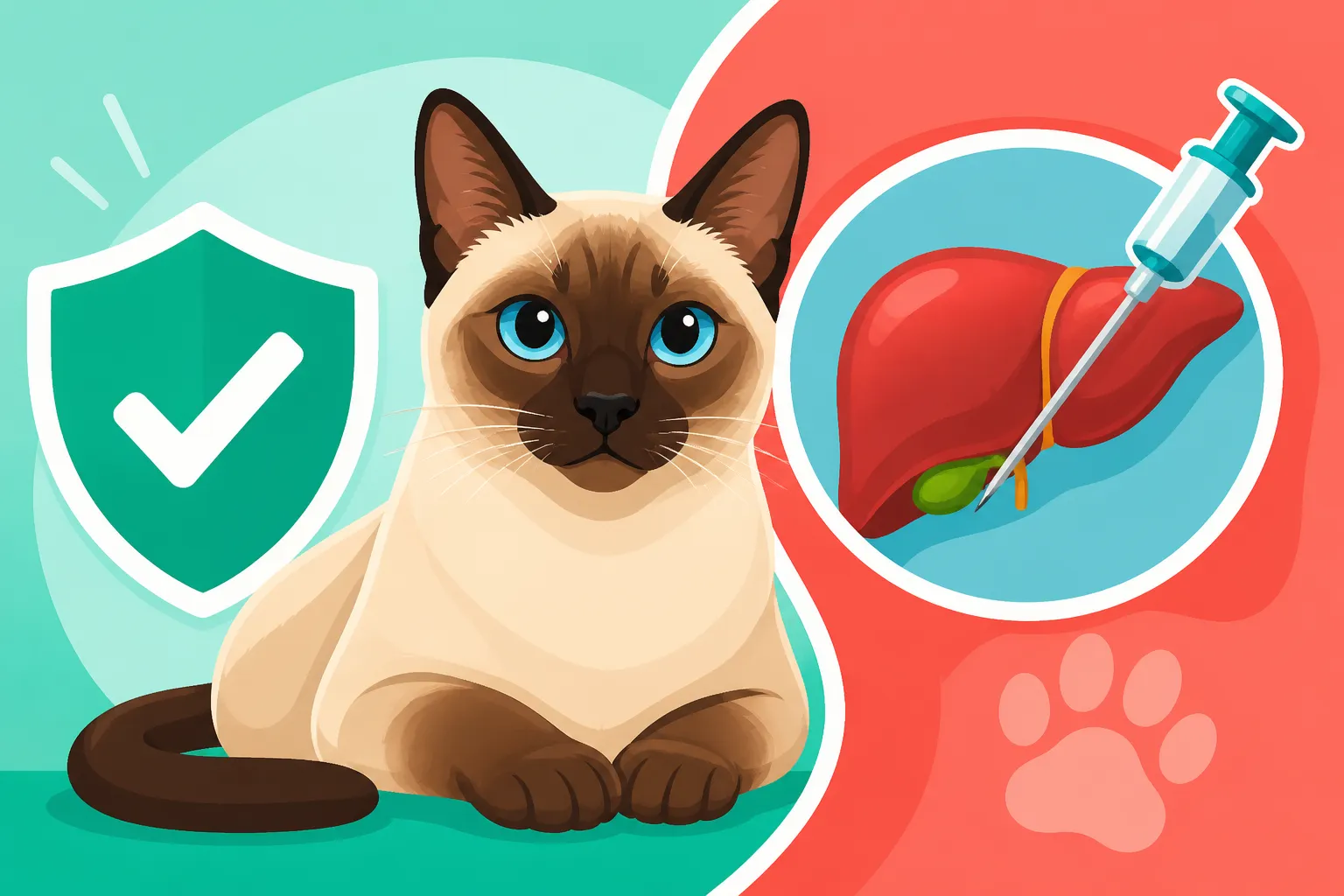
Whether a Liver Biopsy Is Safe in a Siamese Cat
It's absolutely heart-wrenching when your beloved Siamese cat isn't feeling well, and you're faced with a serious diagnosis or the need for an invasive procedure. When your vet suggests a liver biopsy, it’s natural to feel a knot in your stomach, wondering if this delicate little creature can truly handle it, and if the risks outweigh the potential benefits. This comprehensive guide is here to walk you through everything you need to know about liver biopsies in Siamese cats, from why they might be necessary to what the procedure entails, potential risks, and recovery, so you can make the most informed and compassionate decisions for your furry family member.
Understanding the Need for a Liver Biopsy in Siamese Cats
When your Siamese cat is showing signs of liver trouble, it's a serious matter. These intelligent and sensitive felines can be prone to certain health conditions, and pinpointing the exact cause of liver issues is crucial for effective treatment. A liver biopsy, while intimidating to consider, often provides the definitive answers that other diagnostic tools simply cannot. It moves beyond just identifying that there's a problem and helps to specifically characterize what that problem is.
When a Liver Biopsy Becomes Necessary
Think of it this way: your vet might see elevated liver enzymes on routine bloodwork, or perhaps an ultrasound reveals abnormalities in the liver's size or texture. These are warning signs, red flags that something isn't right. However, they don't tell the whole story. Is it inflammation, infection, a tumor, or something inherited like amyloidosis? Without a direct sample of the liver tissue, it can be incredibly difficult to differentiate between these various possibilities. This is particularly true if your vet suspects a specific disease like feline hepatic lipidosis, cholangitis, or certain types of cancer, where the treatment protocols can vary wildly depending on the precise diagnosis. Sometimes, despite extensive blood tests—like checking Which Blood Values Flag Amyloidosis in a Siamese Cat—and imaging, the picture remains unclear. That's when a biopsy steps in as the gold standard for diagnosis.
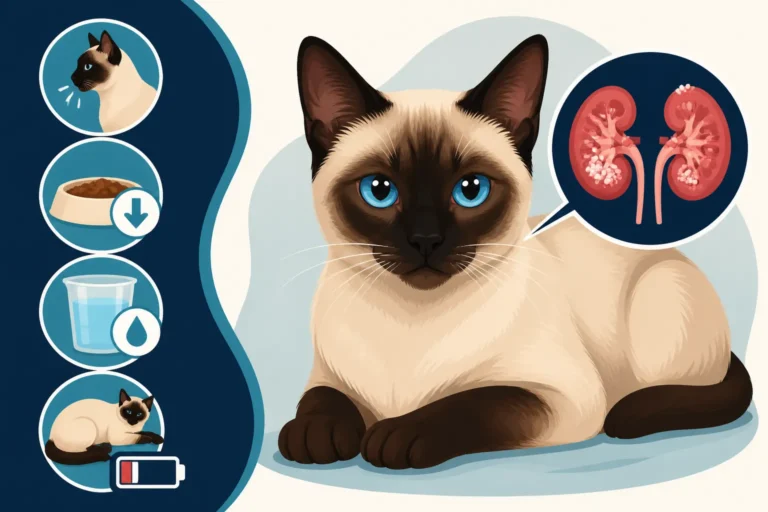
It’s often a last resort after less invasive methods have been exhausted, but it's a critical step when the stakes are high. For example, if your Siamese cat is losing weight rapidly, showing jaundice, or experiencing persistent vomiting, these are all signs pointing towards significant liver distress. A biopsy can help determine the severity of the damage and guide your vet toward the most appropriate, life-saving intervention. It’s about getting to the root cause, not just treating symptoms in the dark.
Common Liver Conditions Affecting Siamese Cats
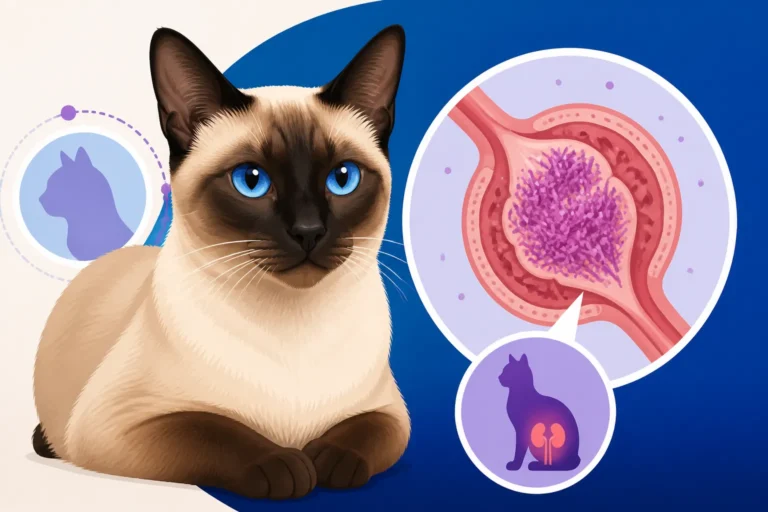
Siamese cats, beautiful as they are, do have certain predispositions that make them more susceptible to liver issues. One of the most heartbreaking and well-known is amyloidosis. This condition, where abnormal proteins called amyloid are deposited in organs, often targets the liver and kidneys in Siamese cats. You might be concerned about Why Amyloid Builds Up in a Siamese Cat's Liver. While it's relatively rare in the general cat population, it's a very real concern for Siamese owners. The early Signs a Siamese Cat Has Liver Amyloidosis can be subtle, making diagnosis challenging. If left unchecked, this amyloid buildup can lead to severe liver dysfunction, even rupture, which is why a timely and accurate diagnosis is so important.
Beyond amyloidosis, Siamese cats can also suffer from other common feline liver diseases. Cholangitis, an inflammation of the bile ducts, is another possibility, often presenting with fever, lethargy, and jaundice. Hepatic lipidosis, commonly known as fatty liver disease, can occur when a cat stops eating for an extended period, leading to a dangerous accumulation of fat in the liver. While these conditions can affect any cat, understanding your Siamese’s unique genetic background and potential vulnerabilities can help you and your vet be proactive. A biopsy helps to confirm which specific ailment your cat is battling, allowing for tailored treatment.
Assessing the Risks: Is a Liver Biopsy Safe for Your Siamese?
The word "biopsy" alone can conjure images of intense medical procedures and significant risks, and it's completely valid to be worried about your Siamese, especially given their generally lean build and often sensitive nature. However, veterinary medicine has advanced significantly, and while no procedure is entirely risk-free, vets take extensive precautions to minimize danger. It's about weighing those carefully managed risks against the very real danger of an undiagnosed and untreated liver condition.
Potential Complications and Concerns
When we talk about potential complications, we generally focus on a few key areas. The most immediate concern is typically bleeding, especially since the liver is a highly vascular organ. If your cat's liver is already compromised, its ability to clot blood might be reduced, increasing this risk. This is particularly critical in cases of amyloidosis, where the amyloid deposits can make the liver incredibly fragile, potentially leading to Why a Siamese Cat With Amyloidosis Bleeds Internally. Vets will often perform pre-biopsy blood tests to check clotting times and platelet counts to help assess this risk. Another major concern is infection, though sterile techniques are rigorously followed to keep this at bay. General anesthesia carries its own set of risks, as it does with any surgical procedure. While most cats handle anesthesia well, factors like age, overall health, and the presence of underlying liver disease can increase the risk. You might wonder Whether a Siamese Cat Tolerates Anesthesia, and while they generally do, close monitoring is always essential.
Less common but possible complications include damage to surrounding organs, leakage of bile into the abdomen, or, in very rare cases, the biopsy might miss the affected tissue, leading to an inconclusive result and potentially the need for a repeat procedure. It's crucial to have an open conversation with your vet about these risks, understanding that they are typically low, but not non-existent.
Siamese Cat Specific Considerations
When it comes to Siamese cats, there are a few breed-specific nuances that vets take into account. As mentioned, the genetic predisposition to amyloidosis is a significant factor. If amyloidosis is suspected, the liver tissue can be unusually fragile. This means the vet might opt for a less invasive biopsy technique or take extra precautions to minimize trauma during the procedure. The delicate, slender build of many Siamese cats also means that they can be more susceptible to hypothermia under anesthesia, so maintaining body temperature is paramount. Their typically vocal and sometimes anxious nature might also require careful handling and sedation leading up to the procedure to minimize stress, which can impact physiological responses.
It's also worth noting that the long-term prognosis for conditions like amyloidosis can vary, and a biopsy can sometimes reveal a more advanced stage of disease than anticipated. This information, while difficult, is vital for managing your cat's quality of life and understanding their future needs. Pet insurance providers like Healthy Paws can often help cover the costs of these diagnostic procedures and subsequent treatments, providing peace of mind during such challenging times. Being prepared for potential outcomes, both good and bad, is part of being a responsible and loving Siamese cat owner.
The Biopsy Procedure: What to Expect
Once you and your vet have decided that a liver biopsy is the best course of action, understanding the process can help alleviate some of your anxiety. It's a precise procedure, and your veterinary team will take every measure to ensure your Siamese cat's safety and comfort throughout.
Different Biopsy Techniques Explained
There are typically a few different ways a liver biopsy can be performed, ranging in invasiveness. The choice of technique often depends on the cat's condition, the suspected disease, and the vet's expertise.
- Percutaneous Needle Biopsy: This is often the least invasive method. After your cat is sedated or under light anesthesia, and the area is numbed, a special biopsy needle is inserted through the skin and muscle directly into the liver. This is usually guided by ultrasound to ensure accuracy and avoid major blood vessels or other organs. The needle takes a small core sample of tissue.
- Pros: Minimally invasive, quicker recovery, typically performed with lighter sedation.
- Cons: Smaller sample size, higher risk of missing lesions if they are focal, can still carry bleeding risks, especially in cats with clotting issues.
- Laparoscopic Biopsy (Keyhole Surgery): This method involves general anesthesia. A small incision is made in the abdomen, and a laparoscope (a thin tube with a camera) is inserted. The vet can then visualize the liver directly and use specialized instruments passed through additional small incisions to take multiple, targeted biopsy samples.
- Pros: Direct visualization allows for more accurate sampling, less invasive than full open surgery, quicker recovery than open surgery.
- Cons: Requires general anesthesia, more specialized equipment and training, slightly more invasive than percutaneous.
- Surgical Biopsy (Exploratory Laparotomy): This is the most invasive option, involving a full surgical incision into the abdomen. It's typically chosen when other organs might also need to be examined or biopsied, if a large sample is required, or if there's a need to address another issue discovered during exploration.
- Pros: Allows for large, multiple samples, direct examination of the entire abdominal cavity, ability to repair any complications like bleeding immediately.
- Cons: Most invasive, longest recovery time, higher anesthetic risk, higher risk of post-operative complications.
Your vet will discuss which option is best suited for your Siamese cat's particular situation, taking into account their overall health and what they hope to learn from the biopsy. For instance, if there's suspicion of a widespread condition like What Amyloidosis Does to a Siamese Cat, a percutaneous biopsy might be sufficient. However, if they suspect a localized tumor, a laparoscopic or surgical biopsy might be preferred for more targeted sampling.
Preparing Your Siamese for the Procedure
Preparation is key to a successful biopsy and minimizing risks. Your vet will provide detailed instructions, but generally, this involves a few crucial steps:
- Pre-Anesthetic Workup: Before any procedure involving anesthesia, your Siamese will undergo a thorough physical examination, blood tests (including a complete blood count and chemistry panel, and clotting profiles), and sometimes chest X-rays or an electrocardiogram (ECG). This helps the vet assess overall health, identify any hidden issues, and tailor the anesthetic protocol to your cat's specific needs. For Siamese cats, this is particularly important for checking liver function values and clotting ability, especially if amyloidosis is a concern.
- Fasting: You'll typically be asked to withhold food for a specific period before the procedure, usually 8-12 hours, though water might be allowed until closer to the appointment. This reduces the risk of vomiting and aspiration (inhaling vomit) during anesthesia.
- Medications: Inform your vet about any medications your Siamese is currently taking. Some medications might need to be adjusted or temporarily stopped before the biopsy, especially those that affect blood clotting.
- Comfort and Transport: On the day of the procedure, ensure your cat is comfortable and warm during transport to the clinic. A familiar blanket or carrier can help reduce stress.
By following these preparatory steps diligently, you contribute significantly to the safety and success of your Siamese cat's liver biopsy. The vet and their team will do everything in their power to make the process as smooth and safe as possible. If you're covered by a provider like Healthy Paws, they can often assist with the costs involved in these essential pre-operative diagnostics, which can really add up.
Post-Biopsy Care and Recovery
The biopsy itself is only part of the journey; caring for your Siamese cat in the hours and days following the procedure is just as vital for a smooth recovery and to prevent complications. This is where your loving attention and adherence to veterinary instructions truly make a difference.
Essential At-Home Care After the Biopsy
When your Siamese cat comes home, they will likely still be a little groggy from the anesthesia. It's important to keep them in a quiet, warm, and safe environment away from other pets or young children who might disturb them.
Here's what to focus on:
- Rest: Encourage plenty of rest. Provide a comfortable, soft bed in a low-traffic area. Limit strenuous activity, jumping, or rough play for at least a week, or as advised by your vet.
- Pain Management: Your vet will likely prescribe pain medication. It is absolutely crucial to administer this exactly as directed, even if your cat seems to be feeling better. Cats are masters at hiding pain, and consistent pain relief aids in healing and comfort.
- Monitor Incision Site: If your cat had a laparoscopic or surgical biopsy, there will be an incision. Check it daily for any signs of redness, swelling, discharge, or opening. Prevent your cat from licking or chewing the incision using an Elizabethan collar (e-collar) if necessary. Most cats detest them, but they are vital for protecting the wound.
- Feeding and Water: Offer small amounts of easily digestible food and fresh water once your vet gives the go-ahead. Many cats might have a reduced appetite for the first day, but this should improve steadily. If your cat refuses to eat for more than 24 hours, contact your vet immediately.
- Litter Box: Ensure easy access to a clean litter box. Monitor their urination and defecation to ensure everything is normal.
- Observe Behavior: Keep a close eye on your cat's overall demeanor. Look for signs of unusual lethargy, persistent vomiting, diarrhea, difficulty breathing, or any other concerning changes.
Your vet might also advise a specific diet for a short period to support liver function. Remember, the recovery period is just as important as the procedure itself, and careful monitoring by you will significantly impact their healing process.
Monitoring for Complications and Long-Term Outlook
While the risks are generally low, it's essential to be vigilant for any signs of post-biopsy complications. The most critical things to watch for include:
- Excessive Bleeding: While some minor bruising or a small amount of blood from the incision is normal, heavy bleeding, blood in urine or stool, pale gums, or signs of internal bleeding (like a distended abdomen or extreme weakness) are emergencies. This can be a concern, particularly for a breed prone to fragile livers, as discussed in How Amyloid Weakens a Siamese Cat's Liver Wall.
- Infection: Fever, increased redness or warmth around the incision, or pus-like discharge could indicate an infection.
- Persistent Pain or Lethargy: While some discomfort and tiredness are normal, extreme or worsening pain, or a failure to rebound in energy levels, warrants a call to the vet.
- Lack of Appetite/Jaundice: Continued refusal to eat, or the development of yellowing gums or eyes, could indicate ongoing liver issues or complications.
The long-term outlook for your Siamese cat heavily depends on the biopsy results. If the biopsy reveals a treatable condition, your vet will work with you to develop a management plan. This might include medications, dietary changes, or other therapies. If the diagnosis is more challenging, such as advanced amyloidosis, knowing the specific condition allows for focused palliative care to maintain your cat's comfort and quality of life for as long as possible. Understanding How Long a Siamese Cat Lives After an Amyloidosis Diagnosis can help manage expectations and prioritize their comfort.
Remember, a liver biopsy is a serious diagnostic tool chosen because your veterinary team believes it offers the best chance at a precise diagnosis, which is the foundation for effective treatment. With careful pre-procedure planning, a skilled veterinary team, and your diligent post-operative care, your Siamese cat can safely undergo this procedure and get the answers they need for a healthier future. Don't hesitate to lean on your vet for support and guidance every step of the way.
| Biopsy Technique | Invasiveness | Anesthesia Required | Typical Sample Size | Recovery Time | Primary Risks | Best Used For |
|---|---|---|---|---|---|---|
| Percutaneous Needle | Low | Sedation/Light GA | Small cores | 1-3 days | Bleeding, missing target, pneumothorax (if near lung) | Diffuse liver disease, initial sampling, less stable patients |
| Laparoscopic (Keyhole) | Moderate | General Anesthesia | Multiple targeted | 3-7 days | Anesthetic risks, infection, minor bleeding | Targeted lesions, multiple samples, medium stable patients |
| Surgical (Open Laparotomy) | High | General Anesthesia | Large, wedge | 7-14+ days | Anesthetic risks, significant bleeding, infection, longer healing | Large lesions, concurrent procedures, unstable bleeding, specific tumor removal |
Disclaimer
This article is intended for informational purposes only and does not constitute medical advice. Always consult with a qualified veterinary professional for any health concerns or before making any decisions regarding your Siamese cat's medical care.