Caring for a Siamese Cat Past Twelve
Watching your beloved Siamese cat enter their golden years can be a bittersweet experience. While the joy of their enduring companionship is immense, it's also common to feel a wave of worry as you notice subtle changes, knowing they're becoming more vulnerable to age-related health issues. This comprehensive guide is here to walk you through the specifics of caring for your senior Siamese, helping you understand what to expect and how to ensure their comfort, health, and happiness for as long as possible.
Understanding the Aging Siamese Cat
The transition into seniorhood for a Siamese cat isn't like flipping a switch; it's a gradual journey marked by various physiological and behavioral shifts. It’s a time when their once boundless energy might mellow, and their keen senses might begin to dim ever so slightly. Recognizing these changes early is the first step in providing the tailored care they now need.
The Age a Siamese Cat Is Considered Senior
When does a Siamese cat officially cross into senior territory? Generally, cats are considered senior citizens around 11 to 14 years of age. However, for a breed as long-lived and active as the Siamese, this marker can feel a bit arbitrary. Many Siamese cats remain quite spry and engaged well into their teens. Think of it more as a guideline, a signal to start being extra vigilant and proactive about their health. The key is to acknowledge that while they may still act like kittens at heart, their bodies are undergoing an internal slowdown. Understanding The Age a Siamese Cat Is Considered Senior helps set realistic expectations for their care journey ahead.
By the time your Siamese reaches twelve, they're definitely heading into their golden years. This doesn't mean they're frail or on their last legs, but it does mean their body systems are working a little harder, and their resilience might not be what it once was. Regular vet checks become even more paramount during this phase, shifting from annual visits to perhaps twice a year, ensuring any budding issues are caught and addressed promptly.
What Changes in a Siamese Cat After Twelve
It's natural to observe a range of physical and behavioral changes as your Siamese passes the twelve-year mark. Physically, their once sleek and muscular body might start to show some subtle differences. You might notice their coat isn't quite as soft or lustrous, perhaps a bit coarser, and they might not groom themselves with the same meticulousness as before. Their eyesight and hearing can start to decline, leading to them being a little more easily startled or missing cues they would have picked up instantly in their younger days.
Behaviorally, a senior Siamese might sleep more, be less inclined to engage in vigorous play, and generally seek out warmer, cozier spots for naps. Their famed vocalizations might change in tone or frequency. Some become even more chatty, almost as if trying to communicate their needs more emphatically, while others might become a little quieter. You might notice subtle shifts in their litter box habits or appetite. It’s not uncommon for them to become a little more set in their ways, preferring routine and familiar surroundings. For a deeper dive into these transformations, explore What Changes in a Siamese Cat After Twelve.
Why an Old Siamese Cat Loses Muscle
One of the most concerning changes many owners observe in their aging Siamese is a noticeable loss of muscle mass, often referred to as sarcopenia. You might feel their spine and hip bones more prominently, even if their appetite hasn't drastically decreased. This isn't just a cosmetic issue; muscle loss can significantly impact their mobility, balance, and overall strength, making everyday activities like jumping onto furniture or even using the litter box more challenging.
This muscle wasting can stem from several factors. Older cats often have reduced protein synthesis and can be less efficient at absorbing nutrients from their food. Underlying health conditions, such as chronic kidney disease or hyperthyroidism (which we'll discuss shortly), can also accelerate muscle loss. Additionally, decreased activity levels contribute to muscle atrophy – it's a vicious cycle where less muscle leads to less activity, which in turn leads to even more muscle loss. It's a frustrating reality to witness, especially when your Siamese was once a powerhouse of feline athleticism. Knowing Why an Old Siamese Cat Loses Muscle can help you understand the importance of diet and gentle exercise in their senior years.
Common Health Challenges in Senior Siamese Cats
The unfortunate reality of aging is that it often brings with it an increased susceptibility to various health conditions. For Siamese cats, while known for their robust health generally, the later years can present specific challenges. Being aware of these potential issues is crucial for early detection and effective management, allowing your beloved companion to maintain their quality of life.
Kidney Disease in an Older Siamese Cat
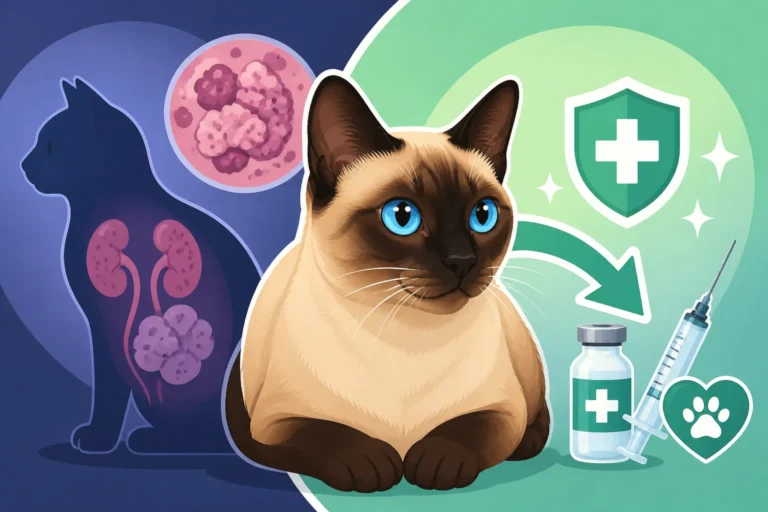
Chronic Kidney Disease (CKD) is arguably one of the most prevalent and heartbreaking conditions to face an aging cat, and Siamese cats are no exception. The kidneys play a vital role in filtering waste products from the blood, and as they age, their efficiency can decline. This can lead to a build-up of toxins in the body, causing a host of symptoms. You might first notice your Siamese drinking more water and urinating more frequently, often leading to bigger clumps in the litter box. They might also experience a decreased appetite, weight loss, lethargy, and occasional vomiting.
Diagnosing CKD usually involves blood tests to check kidney values like BUN and creatinine, along with a urine specific gravity test. While there's no cure for CKD, it can often be managed effectively for months or even years with dietary changes (prescription kidney diets are formulated to be low in phosphorus and protein), medications to control blood pressure or reduce nausea, and ensuring adequate hydration. It's a condition that requires careful monitoring and a close partnership with your veterinarian. Being prepared for Kidney Disease in an Older Siamese Cat is a significant part of senior care.
Hyperthyroidism in an Older Siamese Cat
Another common endocrine disorder in older cats, including Siamese, is hyperthyroidism. This condition occurs when the thyroid gland produces an excessive amount of thyroid hormones, essentially putting the cat's metabolism into overdrive. It's a sneaky disease because some of the initial symptoms can be mistaken for simple aging. Cats with hyperthyroidism often have a ravenous appetite yet lose weight dramatically. They might become restless, vocal, and display increased activity or even aggression, which can be particularly striking in a typically calm senior cat. You might also notice a dull, greasy coat, rapid heart rate, or increased drinking and urination.
Diagnosis is typically made through a simple blood test measuring thyroid hormone levels. Treatment options range from medication (like methimazole, often given twice daily) to radioactive iodine therapy (a curative option that involves a short hospital stay), or even surgical removal of the thyroid gland in some cases. Managing hyperthyroidism can significantly improve your cat's comfort and extend their lifespan. Recognizing the signs of Hyperthyroidism in an Older Siamese Cat early is key to successful treatment.
Dental Disease in a Siamese Cat
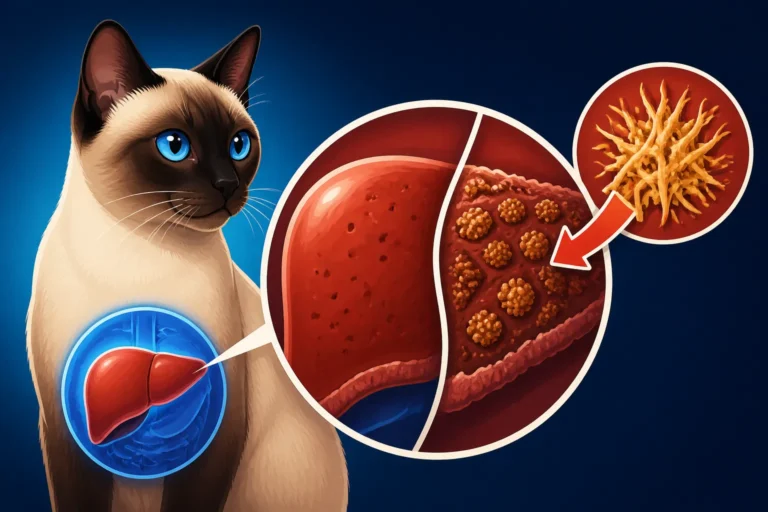
Dental health is often overlooked until problems become severe, but it’s a critical component of overall well-being in senior cats. Over time, plaque and tartar build up on teeth, leading to gingivitis and eventually periodontal disease, where the gums recede, and the bone supporting the teeth deteriorates. This isn't just about bad breath; severe dental disease can cause significant pain, making eating difficult, and bacteria from the mouth can even spread to other organs like the heart and kidneys. Many older cats suffer in silence with chronic dental pain.
Signs of dental problems include bad breath, difficulty eating (dropping food, chewing on one side), pawing at the mouth, drooling, or red, swollen gums. Regular professional dental cleanings under anesthesia are the gold standard for treatment and prevention. While brushing your cat's teeth daily from a young age is ideal, even starting now with gentle brushing or dental treats can help. However, for established disease in a senior cat, a vet evaluation is a must. Remember, Dental Disease in a Siamese Cat is more than just a cosmetic issue. Many pet insurance plans, like those from Healthy Paws, offer options that can help with the costs of unexpected dental procedures, though it's always wise to check policy specifics regarding pre-existing conditions.
Deafness in an Aging Siamese Cat
Just like humans, cats can experience a decline in hearing as they get older. While some breeds are predisposed to congenital deafness, for most Siamese, it's a gradual, age-related process. This can be particularly challenging because cats are masters at compensating, so you might not even realize your cat's hearing is diminishing until it's quite advanced. They might stop responding to their name, not come when called, or seem startled when you approach them from behind. Their vocalizations might also change; some deaf cats become louder as they can no longer hear their own voice clearly.
While there's no treatment for age-related deafness, understanding it allows you to adapt your communication and household environment. Use visual cues more often, approach them gently, and be mindful of not startling them. Ensuring they are indoors and safe from external dangers becomes even more important. It's a frustrating shift for both cat and owner, but patience and adaptation go a long way. Learn more about Deafness in an Aging Siamese Cat and how to support your feline friend.
Signs of Dementia in an Old Siamese Cat
Cognitive Dysfunction Syndrome (CDS), often referred to as "feline dementia," is another challenging aspect of caring for an extremely senior Siamese. It's similar to Alzheimer's in humans and can manifest in various ways, often affecting their memory, learning, and awareness. This can be truly distressing for owners because it feels like your cat is "losing themselves." You might notice disorientation, such as staring blankly at walls, getting lost in familiar rooms, or wandering aimlessly.
Other signs include changes in social interaction (becoming more clingy or withdrawn), altered sleep-wake cycles (yowling at night, sleeping more during the day), anxiety, or house-soiling accidents outside the litter box. It’s important to rule out other medical conditions that might cause similar symptoms, as things like pain or kidney disease can also lead to behavioral changes. While there's no cure, management often involves maintaining a consistent routine, enriching their environment, and sometimes medication to help manage anxiety or improve cognitive function. Addressing Signs of Dementia in an Old Siamese Cat requires patience and understanding.
Adapting Their Environment for Comfort
As your Siamese ages, their physical capabilities and preferences will naturally change. What worked perfectly for a spry youngster might now be a source of frustration or discomfort for a senior cat. Thoughtful adjustments to their living space can make a world of difference in their daily comfort, independence, and overall quality of life.
Keeping an Aging Siamese Cat Warm
Siamese cats, with their short, fine coats and lean bodies, tend to feel the cold more acutely than many other breeds, and this sensitivity often increases with age. As they get older, their metabolism slows down, and they might have less muscle mass and fat to insulate them, making them prone to chills, especially in cooler environments. You might notice them seeking out sunbeams more vigorously, burrowing under blankets, or spending more time on radiators.
Ensuring your senior Siamese has access to warm, cozy spots is paramount. Consider providing heated beds, which are widely available and can be a godsend for arthritic joints. Soft, plush blankets strategically placed in their favorite napping spots, or even a safe space near a gentle heat source (but not too close to risk burns), can make a big difference. Closing windows in cooler rooms or adding extra insulation can also help maintain a comfortable ambient temperature. Even if your home is generally warm, giving them a dedicated warm spot can provide immense comfort. This proactive approach to their thermal comfort is a vital part of Keeping a Siamese Cat Warm in their senior years.
Supporting Mobility and Accessibility
Arthritis and general stiffness are common ailments in older cats, making jumping, climbing, and even navigating stairs more challenging. It's heartbreaking to watch your once agile Siamese struggle to reach their favorite perch. These mobility issues can lead to frustration, pain, and even withdrawal if they can no longer access areas they love.
To support their mobility, think about creating "step-stools" or ramps to help them reach elevated surfaces like sofas, beds, or window sills. Ensure their food and water bowls are easily accessible without requiring them to jump or stretch uncomfortably; sometimes raising them slightly to a comfortable height can prevent neck strain. Non-slip mats or rugs can provide better traction on slippery floors, reducing the risk of falls. If their litter box requires a high step, consider switching to a box with lower sides. Simple adjustments can help maintain their independence and prevent unnecessary strain. If your Siamese is showing signs of stiffness, a conversation with your vet about pain management, such as joint supplements or anti-inflammatory medications, might also be beneficial.
Adjusting Litter Box Needs
Litter box issues in an older cat are rarely about spite; they're usually a sign of an underlying problem. As mentioned, mobility issues can make it painful or difficult for a senior Siamese to step into a high-sided litter box. Arthritis in their hips or back can make the act of squatting uncomfortable, and a long trek to a far-off litter box might be too much for weakened bladder control.
To address these, first and foremost, ensure you have enough litter boxes – typically one more than the number of cats, strategically placed throughout the house, especially in areas where your senior cat spends most of their time. Invest in low-sided litter boxes that are easier to enter and exit. If your cat has vision or cognitive impairment, keeping the boxes in consistent, easily remembered locations is critical. Some older cats also become more sensitive to litter types, preferring softer, unscented varieties. A clean litter box is always important, but even more so for a senior cat who might be less tolerant of odors or dirt. Persistent litter box issues should always prompt a vet visit to rule out medical causes like urinary tract infections, kidney disease, or diabetes.
Nutrition and Hydration for the Golden Years
Diet plays an even more crucial role in the health of a senior Siamese than it did in their youth. Their nutritional needs shift, their digestive system might become less efficient, and chronic health conditions can often be managed, at least in part, through specialized diets. Paying close attention to what and how they eat and drink is vital for their continued well-being.
Why an Aging Siamese Cat Needs Softer Food
As Siamese cats age, their teeth can become a major concern. Years of wear and tear, coupled with potential dental disease, can make chewing hard kibble painful or even impossible. Imagine trying to eat crunchy food with a toothache – it's no wonder some senior cats start refusing their dry food, leading to weight loss and nutritional deficiencies. Their sense of smell and taste can also diminish, making their regular food less appealing.
This is why many senior Siamese cats benefit immensely from a diet that incorporates more wet food or softened kibble. Wet food is easier to chew, more palatable, and provides much-needed moisture, which is especially important for cats prone to kidney issues. If your cat still enjoys kibble, try adding warm water or a low-sodium broth to soften it before serving. Even transitioning to smaller, more frequent meals can aid digestion and ensure they're getting enough calories. A conversation with your vet can help determine the best texture and specific formulation for your cat's needs. Learning Whether an Aging Siamese Cat Needs Softer Food can ease a lot of mealtime struggles.
Why an Aging Siamese Cat Loses Weight
Weight loss in a senior Siamese is not something to be ignored or simply attributed to "old age." While some muscle loss is part of aging, unexplained or rapid weight loss can be a red flag for underlying health issues. As discussed, conditions like hyperthyroidism, kidney disease, or even cancer can lead to significant weight loss despite a good appetite. Dental pain, digestive problems, or a decreased sense of smell can also lead to a reduced food intake.
It's important to monitor your senior Siamese's weight regularly. A kitchen scale can be invaluable for tracking subtle changes. If you notice a persistent downward trend, a vet visit is absolutely necessary. They can perform diagnostic tests to uncover the cause and recommend appropriate interventions, which might include appetite stimulants, specialized diets, or treatment for the underlying condition. Ensuring they have a high-quality, calorie-dense diet that is easy to digest can also help maintain their weight. Understanding Why an Aging Siamese Cat Loses Weight will help you be proactive about their health.
Why a Siamese Cat Drinks More With Age
An increase in thirst and urination is one of the most common signs that something might be amiss in an older cat, and it's particularly important to pay attention to in a Siamese. While it might seem harmless, excessive drinking (polydipsia) and urination (polyuria) are classic symptoms of several serious age-related conditions.
The two most common culprits are chronic kidney disease, where the kidneys can no longer efficiently concentrate urine, leading to more water being flushed out, and diabetes, where high blood sugar levels cause the body to try and flush out excess glucose through increased urination, which in turn leads to increased thirst. Hyperthyroidism can also sometimes cause increased thirst. If you notice your Siamese is constantly at the water bowl or the litter box is overflowing more often than usual, it's time for a vet check-up. They'll likely recommend blood tests and a urinalysis to pinpoint the cause. Addressing Why a Siamese Cat Drinks More With Age promptly can lead to earlier diagnosis and better management of these conditions. Ensuring multiple water sources, including ceramic or stainless steel bowls, and even a flowing water fountain, can encourage hydration, especially if the increased thirst is due to a medical condition.
Maintaining Mental Stimulation and Emotional Well-being
A long life isn't just about physical health; it's also about maintaining a good quality of life, which includes mental engagement and emotional comfort. Your senior Siamese still has a rich inner world, and supporting their cognitive function and emotional security is just as important as tending to their physical needs.
Enrichment for an Aging Siamese Cat
Just because your Siamese isn't tearing through the house at warp speed anymore doesn't mean they don't need mental stimulation. In fact, keeping their minds active can help stave off cognitive decline and prevent boredom, which can lead to stress or behavioral issues. The type of enrichment might change, moving from high-energy games to more gentle, thought-provoking activities.
Puzzle feeders are fantastic for senior cats. They encourage natural foraging behaviors and slow down eating, which is beneficial for digestion. Gentle play sessions with a feather wand or laser pointer (used carefully to avoid frustration) can still provide engagement without overexertion. Interactive toys that dispense treats or make interesting sounds can also keep them entertained. Even just having a window perch where they can observe the outside world provides valuable mental stimulation. Short, positive training sessions, reinforcing simple commands they already know, can also be a fun way to keep their brains sharp. While they might be moving slower, their curiosity often remains.
Addressing Changes in Behavior
Aging can bring about subtle, and sometimes not so subtle, shifts in your Siamese cat's behavior. As mentioned with cognitive dysfunction, they might become disoriented, anxious, or have altered sleep patterns. Some senior cats become more irritable or less tolerant of changes in routine, while others might become more clingy, seeking constant reassurance. It's important to remember that these changes are rarely malicious; they're usually a reflection of underlying physical discomfort, confusion, or anxiety.
If your senior Siamese suddenly starts vocalizing more at night (a common sign of cognitive dysfunction or pain), or becomes withdrawn, or even shows unexpected aggression, it's crucial to consult your veterinarian. Rule out any medical causes first. Once physical issues are addressed, focus on creating a stable, predictable environment. Maintain a consistent daily routine for feeding, play, and cuddle times. Provide safe, quiet spaces where they can retreat. Gentle, reassuring interactions are key. For some cats, calming pheromone diffusers, such as Feliway, can help reduce anxiety. Understanding the root cause of the behavioral change is the first step toward finding a solution that brings them comfort. If your vet suspects anxiety, remember that many pet insurance providers like Healthy Paws can offer support for behavioral consultations or prescribed medications, depending on your plan.
Coping with Vision or Hearing Loss
While we've touched on specific aspects like deafness, dealing with general sensory decline can be profoundly impactful for both you and your Siamese. Cats rely heavily on their senses, and as vision or hearing fades, their world can become smaller and more confusing. This can lead to increased anxiety, disorientation, or even fear.
If your Siamese is experiencing vision loss, try to keep furniture and litter boxes in consistent locations to help them navigate their familiar environment through memory and scent. Avoid startling them by making soft noises or gently touching them before picking them up or approaching. For those with significant vision impairment, even a blind Siamese cat can manage quite well if their environment is stable and predictable. Similarly, for hearing loss, rely on visual cues, gentle vibrations (like tapping the floor), and scent. Provide comfort through touch and smell – familiar blankets, your scent on clothing. Patience, empathy, and a safe, consistent environment are your best tools for helping your beloved Siamese navigate a world with diminished senses.
Working with Your Vet: Essential Senior Care
Your veterinarian becomes an even more critical partner in your Siamese cat's senior years. Proactive veterinary care is not about preventing aging, but about identifying and managing age-related conditions early, thereby improving your cat's quality of life and potentially extending their happy years. Don't wait for obvious signs of illness; many chronic conditions can be managed far more effectively if caught in their nascent stages.
How Often a Siamese Cat Needs a Wellness Exam
In their younger and adult years, an annual wellness exam is generally sufficient for most cats. However, once your Siamese crosses that senior threshold (around 11-12 years), it's highly recommended to increase the frequency of their vet visits to at least twice a year. Cats are masters at hiding pain and illness, a survival instinct that makes it incredibly difficult for owners to spot subtle symptoms until a disease is quite advanced. A veterinarian, with their trained eye and diagnostic tools, can pick up on these nuances much sooner.
These twice-yearly check-ups allow your vet to monitor for the early signs of common senior ailments like kidney disease, hyperthyroidism, arthritis, and dental issues. It's a chance to discuss any changes you've noticed, even if they seem minor, and to ensure their pain management, if needed, is optimized. Think of these visits as preventive maintenance for their golden years, catching small problems before they escalate into major crises. Remember, early detection is often the key to better outcomes and a more comfortable life for your aging feline friend.
What a Siamese Cat's Yearly Bloodwork Should Cover
Beyond the physical examination, comprehensive bloodwork and urinalysis are absolutely essential for senior Siamese cats, typically recommended annually, and sometimes even every six months, especially if a new condition is being monitored. These tests provide an invaluable internal snapshot of your cat's health, revealing what's happening beneath the surface, long before outward symptoms appear.
Key components of senior bloodwork often include:
- Complete Blood Count (CBC): Checks for anemia, infection, inflammation, and blood clotting issues.
- Chemistry Panel: Assesses organ function, particularly kidneys (BUN, creatinine, SDMA) and liver (ALT, ALP), as well as blood glucose (for diabetes), electrolytes, and protein levels.
- Thyroid Panel (T4): Crucial for detecting hyperthyroidism, a very common issue in older cats.
- Urinalysis: Evaluates kidney function, checks for urinary tract infections, and can detect diabetes.
These tests are critical for monitoring existing conditions, diagnosing new ones, and ensuring any medications your cat is on are not causing adverse effects. For instance, What a Siamese Cat's Yearly Bloodwork Should Cover often includes an SDMA test, which can detect kidney disease much earlier than traditional markers. While the thought of frequent vet visits and tests can be daunting financially, having a robust pet insurance plan like Healthy Paws in place can significantly alleviate the burden of unexpected diagnostic and treatment costs during these vital senior years.
Managing Chronic Conditions
Unfortunately, chronic conditions are a common part of aging, and your senior Siamese may develop one or more that require ongoing management. This isn't about finding a cure, but rather about controlling symptoms, slowing progression, and maintaining the best possible quality of life. This requires a dedicated partnership between you and your vet.
Whether it's daily medication for hyperthyroidism, a special diet for kidney disease, joint supplements for arthritis, or behavioral therapies for dementia, consistency is key. Your vet will guide you on medication dosages, dietary recommendations, and environmental modifications. It’s important to communicate openly with your vet about any challenges you face in administering medication or adhering to dietary restrictions. Sometimes, alternative medications or administration methods can be found. Regular follow-up appointments and blood tests will be necessary to monitor the efficacy of treatments and adjust them as needed. Managing these conditions effectively can add months or even years of comfortable, happy life for your beloved Siamese, allowing you to cherish every moment.
Disclaimer
This article is intended for informational purposes only and does not constitute veterinary advice. Always consult with a qualified veterinarian for any health concerns or before making any decisions related to your Siamese cat's care, particularly as they age. Individual needs and conditions can vary significantly.