Why a Siamese Cat Should Not Sleep on Cold Tile
Siamese cat physiology and single-layer coats make them sensitive to cold tile surfaces, which can drop body temperature.
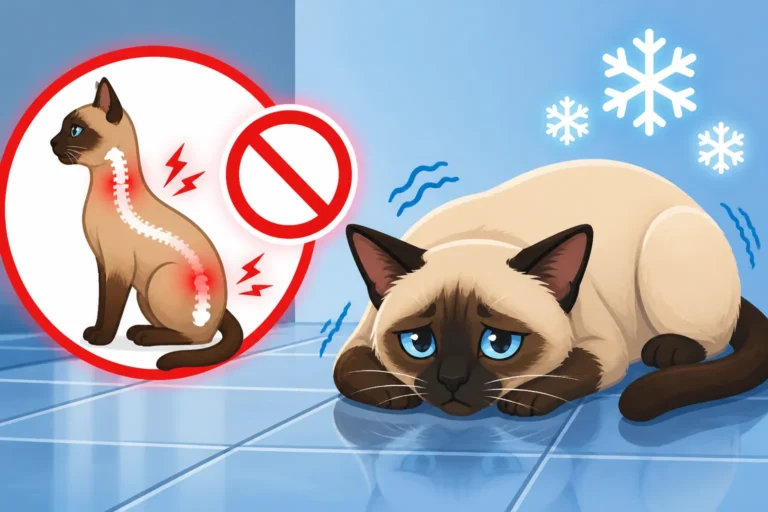
Siamese cat physiology and single-layer coats make them sensitive to cold tile surfaces, which can drop body temperature.
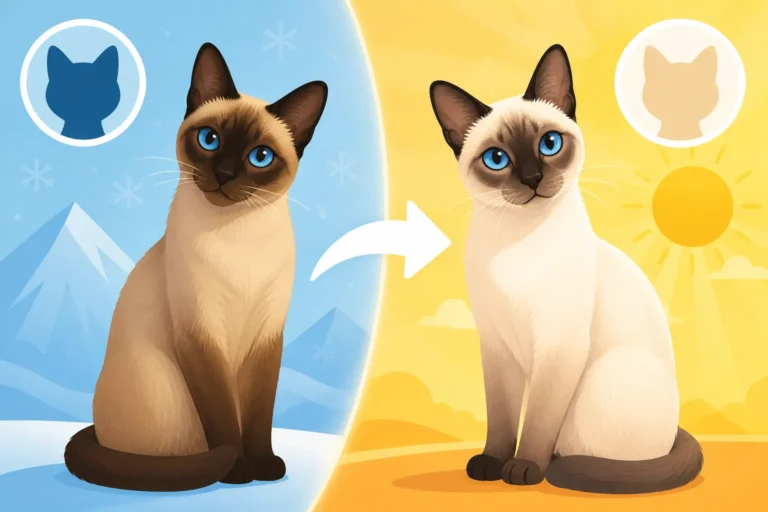
Siamese cat summer coat lightening occurs because a heat sensitive enzyme stops producing melanin in warm weather.
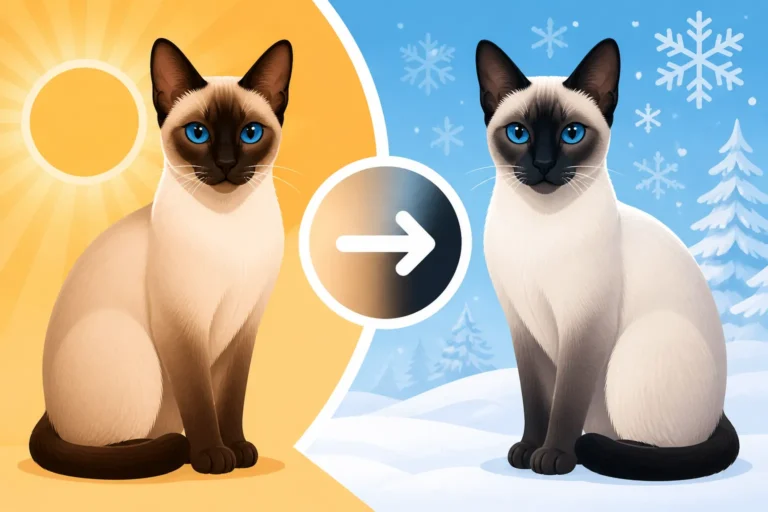
Siamese cat coat color changes during winter because a heat-sensitive enzyme produces more pigment in cooler temperatures.
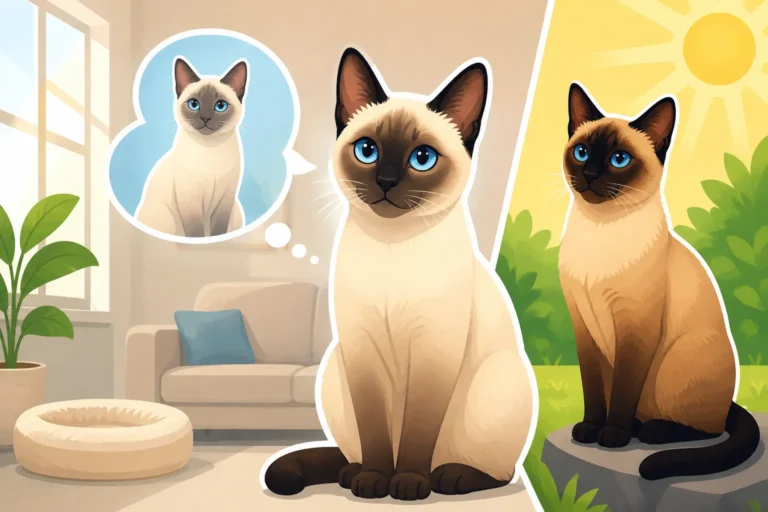
Temperature-sensitive tyrosinase enzymes determine Siamese cat coat color, explaining why indoor cats develop paler bodies.

Temperature-sensitive tyrosinase enzymes and age-related pigment accumulation cause Siamese cat coats to darken over time.
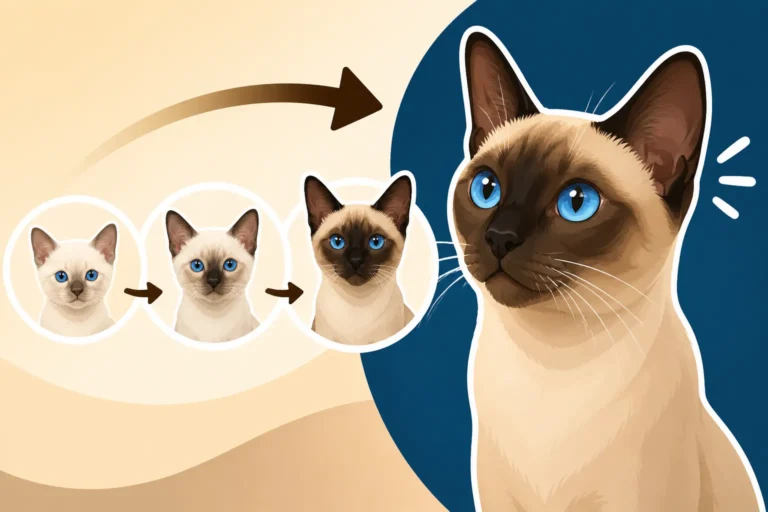
Siamese cat coat color changes and darkening timelines driven by a temperature-sensitive enzyme affecting points.
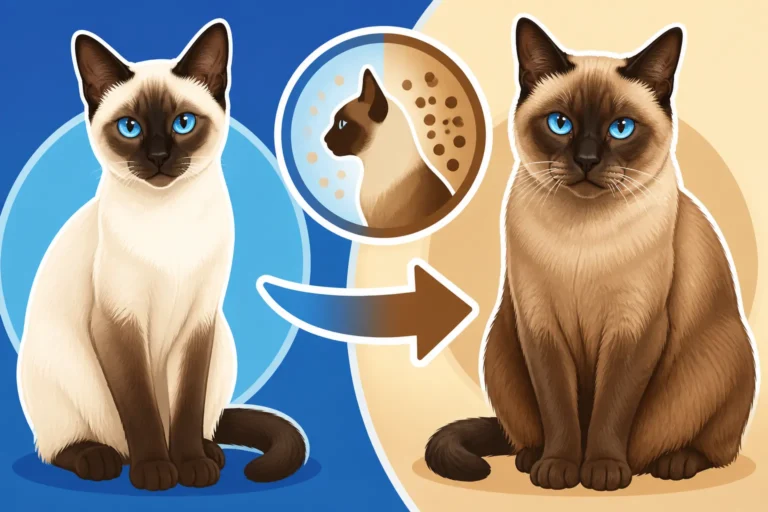
Siamese cat fur color changes as aging causes melanin accumulation through temperature-sensitive genetics over time.
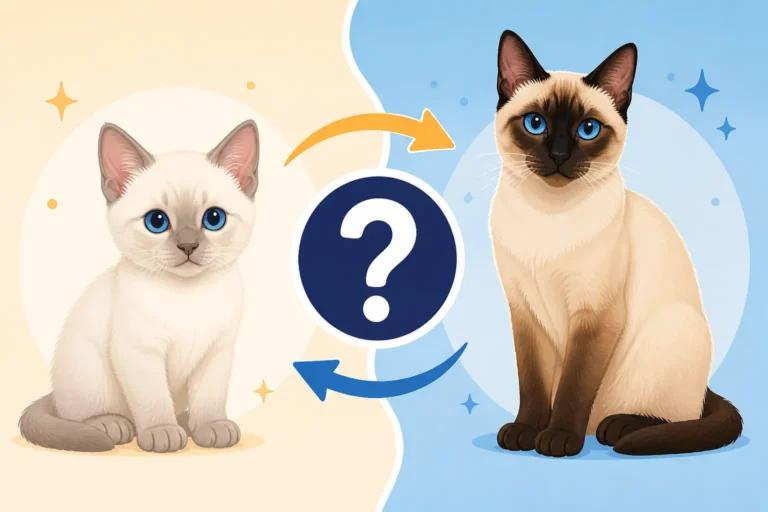
Siamese kitten coat color changes as temperature-sensitive enzymes produce dark points on cooler body extremities over time.

Siamese cat coat color prediction depends on a temperature-sensitive tyrosinase enzyme influenced by body heat.
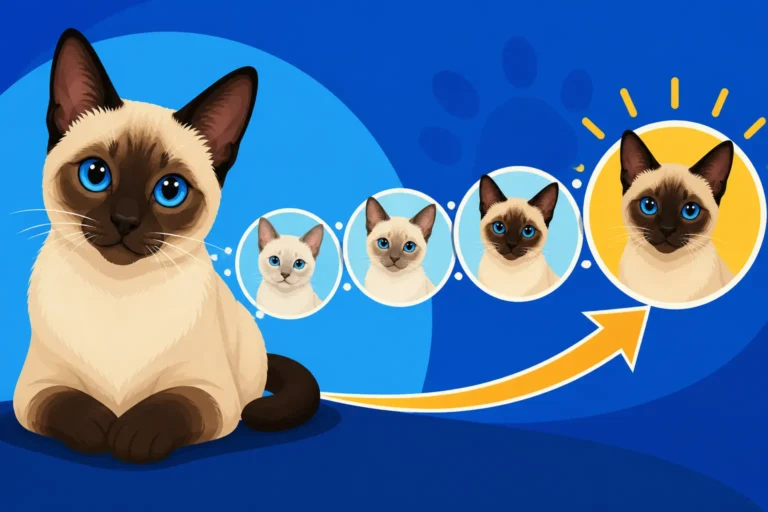
Siamese cat point development timeline, explaining the temperature-sensitive tyrosinase enzyme and how coat color emerges.