Whether a Darkened Siamese Cat Can Be Lightened
It's a common sight for Siamese cat owners: your beautiful Meezer, once a crisp cream with distinct points, starts to develop a richer, sometimes almost sooty, hue across their body. You look at old photos and wonder if your beloved companion is "losing their color," or perhaps you've recently adopted an older Siamese and notice their overall dark coat. This change can be quite striking, and it's natural to wonder if there's anything you can do to bring back that lighter, more vibrant shade you associate with the breed. This guide will delve into the fascinating reasons behind your Siamese cat's color changes and explore what, if anything, can be done to influence their coat's shade.
The Science Behind Your Siamese Cat's Color Changes
Before we can even talk about lightening a darkened Siamese, we need to understand why they darken in the first place. It's not just some random act of feline fate; it's pure genetics and fascinating biochemistry at play.
The Temperature-Sensitive Tyrosinase Enzyme
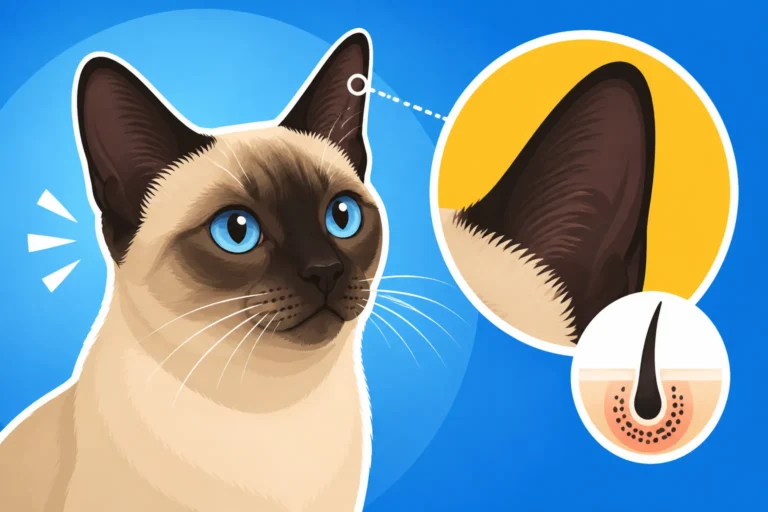
The unique coloration of a Siamese cat, known as "point coloration," is all thanks to a specific genetic mutation. This mutation affects the enzyme called tyrosinase, which is crucial for melanin production – the pigment that gives hair, skin, and eyes their color. The trick with your Siamese is that their tyrosinase enzyme is temperature-sensitive. It only works efficiently in cooler parts of their body.
Think about it: the core of their body, where their vital organs are, stays warmer. Here, the enzyme is less active, resulting in less pigment, which means a lighter cream or white coat. But on the extremities – the cooler "points" like their ears, paws, tail, and face – the enzyme can do its job properly, producing plenty of pigment, leading to those gorgeous dark brown (seal), grey (blue), chocolate, or lilac shades. This is also Why a Siamese Cat's Points Are Made by Temperature and Why a Siamese Cat Kitten Is Born White – because they've been cozy and warm inside their mom, their whole body stays pale until they're exposed to the cooler outside world.
Genetic Predisposition and Pigment Accumulation
While temperature plays a huge role, genetics sets the stage. Every Siamese cat carries the genes for this temperature-sensitive enzyme. However, even within the breed, there can be subtle genetic variations that influence how much pigment is produced and how easily it darkens. Some Siamese cats are genetically predisposed to being darker overall, while others might remain strikingly pale well into old age. It's a spectrum, not a rigid rule.
Over time, particularly as a cat ages, there's a natural accumulation of pigment. It's almost as if the tyrosinase enzyme, even if sluggish in warmer areas, still manages to deposit a tiny bit more pigment with each hair cycle. This slow, steady build-up contributes to the overall darkening that many owners observe. It’s a bit like how some white fabrics yellow over time, even with careful washing; there's a subtle, almost imperceptible change happening.
Factors Influencing a Siamese Cat's Coat Darkening
Now that we know the basic science, let's look at the real-world factors that accelerate or contribute to this darkening. Many owners notice changes and wonder if they're doing something wrong, but often, it's just nature running its course.
Age-Related Darkening
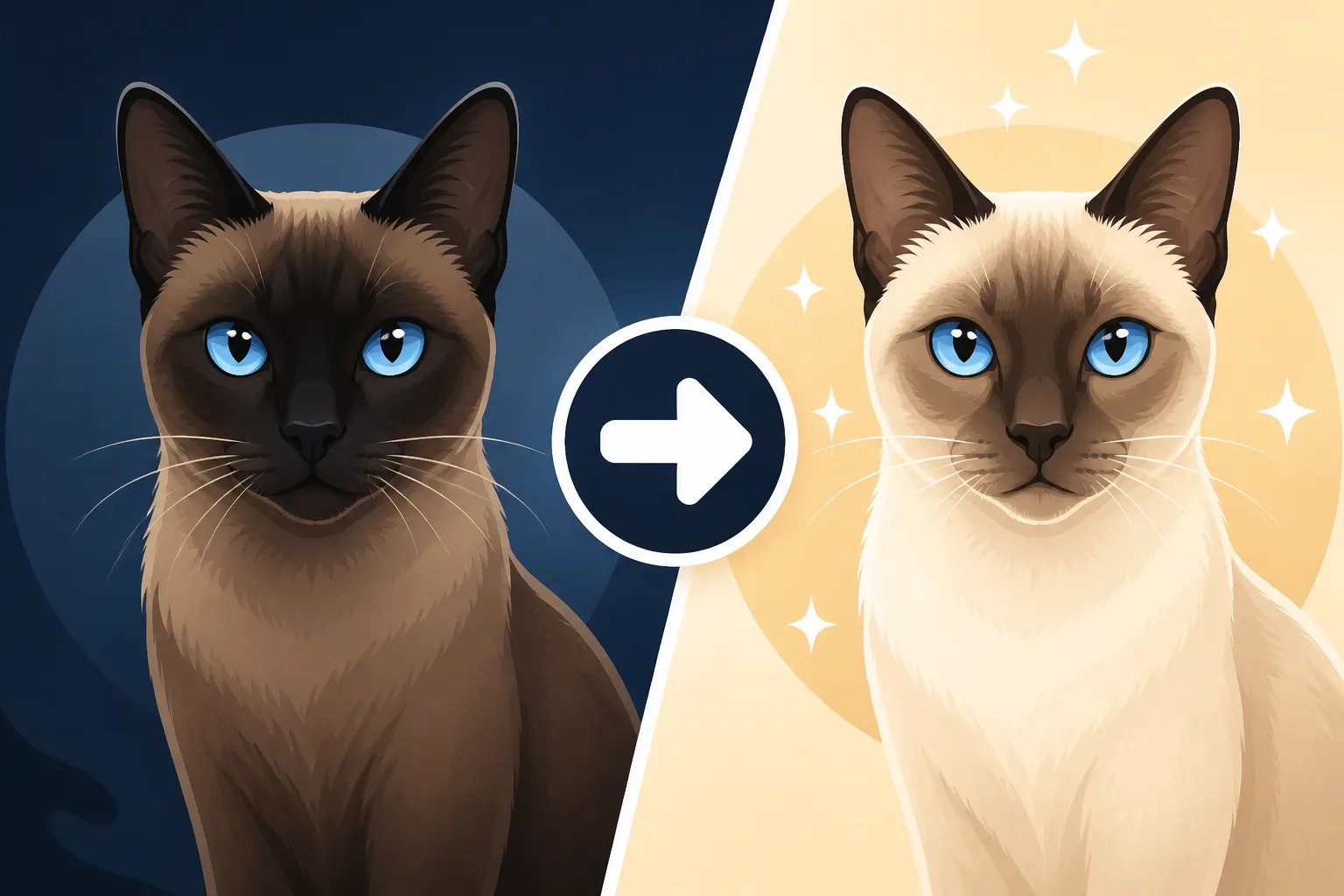
This is perhaps the most significant and unavoidable factor. Just as humans get grey hairs, Siamese cats tend to darken with age. That bright, crisp cream or white body on a young kitten or adult will slowly but surely deepen. The body color can become a rich fawn, a warm tan, or even a deep brown, particularly along the spine and flanks. The points, too, can become more intense, sometimes appearing almost black on a very old seal point.
It's a natural progression, a testament to their years of life. Many owners are surprised by how much their cat changes from a kitten to a senior. What was once a subtle blush of color can become a full-bodied hue. It's important to remember that this isn't a sign of ill health; it's just part of their unique genetic expression. This gradual process is why you might suddenly notice your 8-year-old Siamese looks significantly darker than they did at two, even if you haven't changed anything about their environment. The Age a Siamese Cat Is Considered Senior often brings with it these distinct color shifts.
Environmental Temperature and Climate
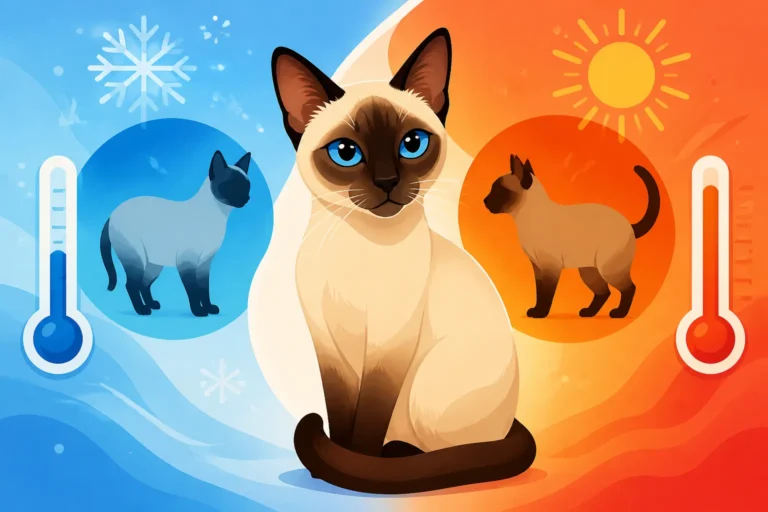
Temperature is king when it comes to Siamese coloration. A cat living in a consistently cooler environment will naturally develop a darker overall coat than one living in a perpetually warm home. This is because the tyrosinase enzyme is more active at lower temperatures. If your Siamese loves to sprawl out on a cold tile floor, or perhaps enjoys spending time by a drafty window in winter, you might notice their body color deepening significantly in those areas.
Conversely, a cat that lives in a very warm climate or a highly heated home might retain a lighter body color for longer. Some owners even notice seasonal variations, with their cat's body darkening subtly in the colder winter months and lightening slightly during the warmer summer, proving that How Much a Siamese Cat Darkens in a Cold House can be quite noticeable. This doesn't mean you should make your cat uncomfortable by turning up the heat excessively; their comfort and health are always paramount. But it does explain why two Siamese cats of the same age and genetic background might have slightly different body colors if they live in different climates.
Shaved Patches and Injuries
This is a fun, albeit temporary, phenomenon many Siamese owners discover after a vet visit or surgery. If your Siamese cat has had an area shaved for surgery, an IV, or even just a blood draw, you'll likely notice that the fur that grows back in that spot is significantly darker than the surrounding coat. This is a perfect demonstration of the temperature-sensitive enzyme in action!
When the fur is removed, the skin underneath is exposed to the ambient air, which is almost always cooler than the cat's core body temperature. This cooler skin allows the tyrosinase enzyme to become highly active, laying down much more pigment in the new hair growth. The result is a dark patch that can be quite startling! It usually fades over several months as the fur grows out and the area is re-insulated by the new coat, bringing the skin temperature back up. This is precisely The Shaved Patch That Grows Back Dark on a Siamese Cat. Similarly, if your cat has a wound or an area of inflammation, the local temperature changes could potentially influence the regrowth color, though this is less common than a direct shave.
Health Conditions and Nutrition
While less common as a direct cause of overall darkening, certain health conditions can sometimes affect coat quality and appearance. For instance, skin infections or conditions that cause inflammation could potentially alter the local skin temperature, affecting hair regrowth. Nutritional deficiencies, though rare in cats fed a high-quality commercial diet, could theoretically impact coat health and luster, making it appear duller or perhaps affecting pigment production, but they don't typically cause a generalized darkening that isn't age-related.
However, if your cat's coat changes suddenly, dramatically, or in conjunction with other symptoms, it's always best to consult your veterinarian. They can rule out any underlying health issues that might be contributing to changes in coat appearance. Generally, for most Siamese, a healthy, balanced diet will support a healthy coat, regardless of its shade. Many owners choose high-quality foods to ensure optimal nutrition, which contributes to overall well-being, including coat health.
Can You Really Lighten a Darkened Siamese Cat?
This is the million-dollar question for many owners. Given the factors we've discussed, the answer is a bit nuanced, and it comes with a dose of realistic expectations.
Managing Expectations: Age is a Major Factor
Let's be blunt: if your Siamese cat has darkened due to age, there's no magic pill or diet that will completely reverse it. The age-related darkening is a natural, irreversible process, much like those aforementioned grey hairs in humans. You simply cannot turn back the clock on pigment accumulation.
It's important to embrace this change as part of their unique journey. An older, darker Siamese is just as beautiful and beloved as a younger, paler one. Trying to force a reversal could lead to frustration and potentially unhealthy practices. Your focus should always be on your cat's health, happiness, and comfort, not on attempting to alter their natural coloration. What Changes in a Siamese Cat After Twelve can include significant color shifts, and accepting these changes is part of loving an aging pet.
Environmental Control: A Modest Impact
For darkening caused by environmental temperature, you can have a modest impact. If your cat habitually seeks out cold spots, providing alternative warm, cozy places might slow down further darkening in those areas. Think about offering a heated bed, a soft blanket in a sunny spot, or simply ensuring your home is kept at a comfortable, consistent temperature.
However, this won't "undo" existing darkening, especially if it's been present for a long time. It might prevent further darkening to some extent or help maintain a slightly lighter shade if your cat moves into a warmer environment. If your cat loves sleeping in a cold room, you might find that investing in a quality heated pet bed, easily found on Amazon or Chewy, makes a difference to both their comfort and potentially their coat's future deepening. But again, don't expect a dramatic shift back to kitten colors.
The Myth of "Lightening" Diets or Supplements
You might encounter anecdotal advice or even products marketed as "coat lightening" for cats. It's crucial to approach these with extreme skepticism. There is no scientific evidence or veterinary consensus to support the idea that specific diets or supplements can lighten a Siamese cat's natural, genetically determined, or age-related coat color.
Manipulating a cat's diet to try and alter their pigmentation could potentially lead to nutritional imbalances or other health problems. Always consult your veterinarian before making any significant changes to your cat's diet or adding supplements. A well-balanced diet is essential for overall health and a healthy coat, but its primary purpose is nutrition, not cosmetic color alteration. While Whether Diet Helps a Siamese Cat With Amyloidosis might be a valid question for specific health concerns, it's not a solution for coat color.
What About Shaved Patches?
As mentioned, the dark fur that grows back on a shaved patch will eventually lighten back to match the surrounding coat as the area warms up again and subsequent hair cycles occur. This isn't a "lightening" treatment, but rather a temporary phenomenon that resolves on its own. It takes time, usually several months, for the old, dark hair to be replaced by new, lighter growth. There's nothing you need to do to accelerate this process; it will happen naturally.
Caring for Your Siamese Cat's Coat Through All Its Hues
Instead of focusing on trying to lighten a darkened coat, shift your attention to ensuring your Siamese cat's coat is healthy, shiny, and beautiful, regardless of its shade. A healthy coat is a hallmark of a healthy cat.
Regular Grooming for a Healthy Sheen
Siamese cats have short, fine coats that are generally low-maintenance, but they still benefit from regular grooming. A quick brush a couple of times a week can help remove loose hair, distribute natural oils, and reduce shedding. This keeps their coat looking sleek and vibrant.
Even if their body color has deepened, a well-groomed coat will still have a lovely sheen. You can use a soft rubber curry brush or a fine-toothed comb. Many Siamese enjoy the attention and petting that comes with grooming, making it a wonderful bonding experience. Grooming a Siamese Cat Takes Five Minutes a Week and it makes a huge difference to their coat's overall health and appearance.
Optimal Nutrition for Coat Health
A high-quality diet is fundamental for a healthy coat. Ensure your Siamese cat is receiving a balanced diet rich in essential fatty acids, vitamins, and minerals. These nutrients are crucial for skin and hair health, contributing to a strong, lustrous coat.
If you're concerned about your cat's coat quality or general health, discuss their diet with your veterinarian. They can recommend specific brands or formulations that might be particularly beneficial. A vast selection of high-quality cat foods is available, and some owners swear by fresh food options for maintaining a vibrant coat. Remember, a healthy cat from the inside out will have the healthiest coat possible. Feeding a Lean Siamese Cat That Burns Everything requires attention to calorie and nutrient density, which also supports a healthy coat.
Maintaining a Comfortable Environment
While you can't drastically lighten an aged Siamese, maintaining a consistently comfortable home environment (not too cold, not too hot) is beneficial for their overall well-being. Siamese cats, with their lack of an undercoat, can be more sensitive to cold. Providing warm, soft beds and ensuring they have cozy spots to retreat to is important.
This comfort indirectly supports coat health by ensuring your cat isn't stressed or expending excessive energy trying to stay warm. A content cat is a healthy cat, and a healthy cat's coat will always look its best, no matter its hue. Keeping a Siamese Cat Warm is crucial for their comfort and can subtly influence their coat's shade by not encouraging excessive darkening.
Embracing the Natural Beauty of Your Siamese
Ultimately, the most important thing is to embrace the natural beauty of your Siamese cat at every stage of their life. Their darkening coat is a part of their unique charm and a testament to their individual story. Whether they are a pale kitten with barely perceptible points, a striking adult, or a wise senior with a rich, dark body, they are magnificent.
Focus on providing excellent care, showering them with love, and appreciating the incredible personality and intelligence that makes the Siamese breed so special. Their coat color is just one small part of what makes them, them.
| Factor | Impact on Coat Color | Reversibility | Key Action for Owners |
|---|---|---|---|
| Age | Gradual, irreversible darkening of body and points. | No | Embrace natural changes; focus on senior care. |
| Environmental Cold | Darkens body color, especially on exposed areas. | Partially, slowly | Provide warm beds; maintain comfortable room temp. |
| Shaved Patches | Fur grows back temporarily much darker. | Yes, naturally over time | Patience; it will fade as new hair grows and warms. |
| Genetics | Predisposes to certain base shades and darkening tendency. | No | Accept genetic blueprint. |
| Nutrition/Health | Generally minor direct impact on darkening; supports overall coat health. | Indirectly | Feed high-quality diet; vet check for sudden changes. |
Disclaimer
This article is for general informational purposes only and does not constitute professional advice. Laws, prices and regulations vary by location and change over time. Consult a qualified professional for guidance on your specific situation.