Why an Older Siamese Cat’s Body Goes Brown
If you've spent years admiring your Siamese cat's crisp, cool points against their creamy body, only to notice a subtle (or not-so-subtle) shift towards a warmer, browner hue as they age, you're not alone. It's a common observation that can sometimes feel a little disheartening, as if their signature look is fading. This guide will delve deep into why this color transformation happens in older Siamese cats, reassuring you that it's a natural part of their unique genetics and aging process, and helping you understand what's normal and when to potentially be concerned.
The Unique Genetics Behind Siamese Coloration
Understanding why an older Siamese cat's body goes brown starts with understanding their incredible, temperature-sensitive genetics. Siamese cats aren't born with their distinctive dark "points" (ears, face mask, paws, and tail) by accident; it's a fascinating biological quirk that makes them truly special.
The Basics of the Colorpoint Gene
At the heart of a Siamese cat's coloration is a specific genetic mutation affecting the enzyme tyrosinase. This enzyme is crucial for melanin production, the pigment responsible for hair, skin, and eye color. In most mammals, this enzyme works efficiently regardless of temperature. But in Siamese cats, this particular mutated tyrosinase enzyme is heat-sensitive, meaning it only functions properly in cooler temperatures. Think of it like a tiny, internal thermostat for their fur color.
Because of this, a Siamese cat kitten is actually born almost entirely white or cream. They spend their time in the very warm environment of their mother's womb, where their body temperature is consistently high, inhibiting the tyrosinase enzyme from producing dark pigment. It's only after birth, when exposed to the cooler outside world, that their extremities – the coolest parts of their body – start to develop their dark points. This is why you see those faint hints of color on their ears and tails emerging within days or weeks of their birth.
How Temperature Influences Pigment
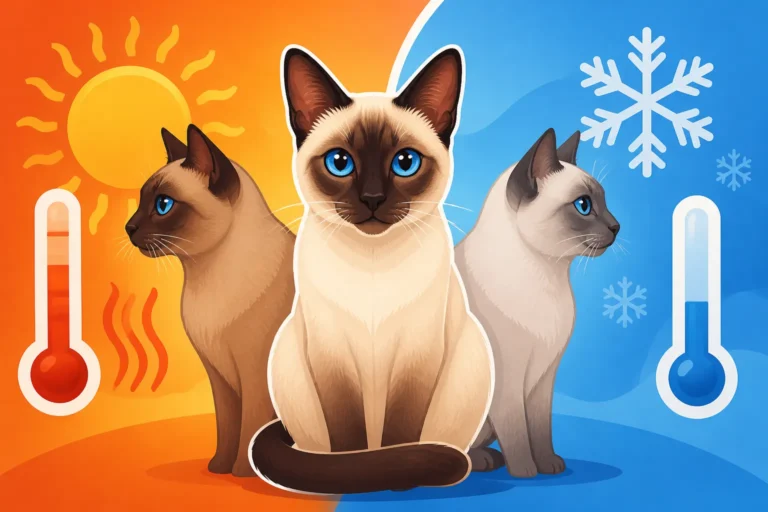
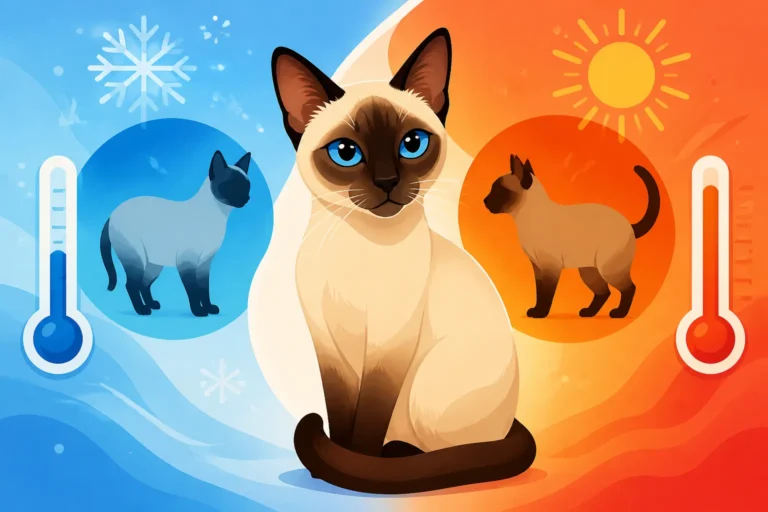
The cooler areas of a Siamese cat's body, such as their ears, nose, paws, and tail, allow the temperature-sensitive tyrosinase enzyme to become active and produce melanin. This results in the characteristic dark points we all adore. Conversely, the warmer core of their body inhibits this enzyme, keeping their torso and belly a lighter cream or ivory color. This delicate balance is why a Siamese cat's appearance is so captivating and distinctive.
It’s a dynamic process, too. If a Siamese cat gets a fever, their points might temporarily lighten because their body temperature rises. Conversely, if they spend a lot of time in a cool room, their body fur might darken slightly over time. You can learn more about this fascinating process in Why a Siamese Cat's Points Are Made by Temperature. It's a constant, subtle dance between internal body temperature and external environmental conditions that dictates the exact shade and spread of their beautiful coloration.
The Science Behind Darkening with Age
So, if temperature dictates their color, why does an older Siamese cat's body start to go brown? It's not just about them suddenly feeling colder or warmer in specific spots. It's a combination of physiological changes that come with age, alongside the cumulative effect of their unique genetics.
Melanin Production Over Time
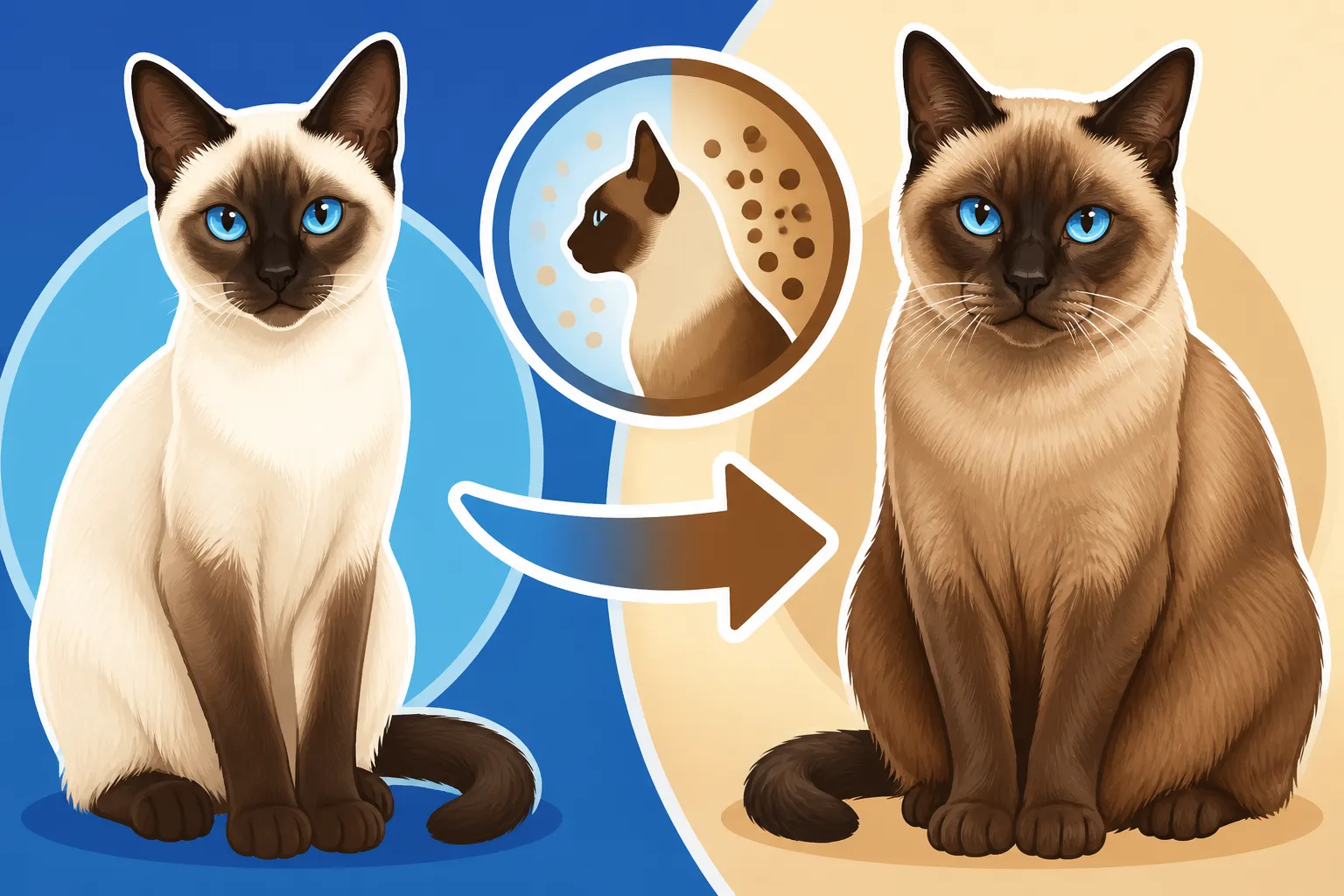
Even with the temperature-sensitive enzyme, a certain amount of melanin is still produced in the warmer parts of their body, albeit at a much slower rate. Over a cat's lifetime, especially one that can live How Long a Siamese Cat Lives on Average for fifteen to twenty years, this gradual accumulation of pigment begins to show. Think of it like a very slow-motion tanning process. The longer the cat lives, the more opportunities there are for the enzyme to be even minimally active in the warmer areas, leading to a slight but noticeable darkening of the body fur.
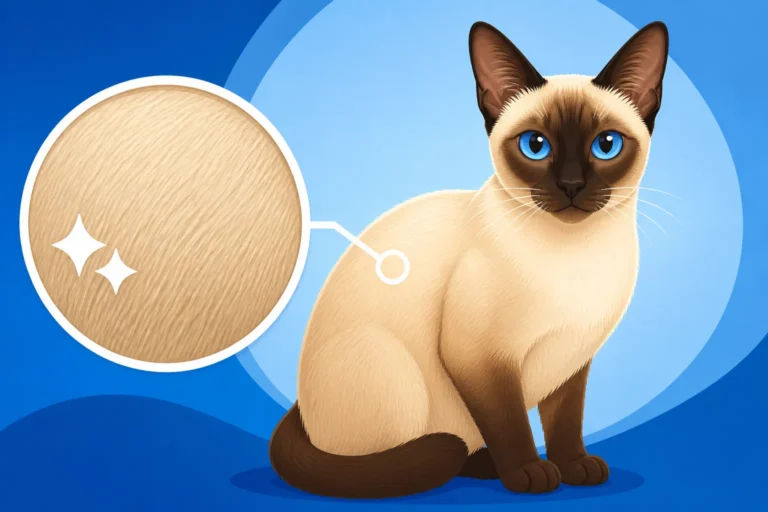
It's not that the enzyme suddenly becomes less temperature-sensitive; rather, it's the long-term, low-level activity building up. Just as a human's hair might gray with age, a Siamese cat's coat undergoes its own form of "maturing" pigment shift. The once crisp, creamy white of a young Siamese kitten, even after its points emerge, often deepens to an ivory, then a fawn, and finally, for many older cats, a lovely shade of light to medium brown across their flanks and back. This is a topic often discussed, and you might wonder The Age a Siamese Cat Starts Darkening.
Metabolic Slowdown and Body Temperature
As cats age, their metabolism often slows down. While this might lead to weight gain in some breeds if not managed, in Siamese cats, it can subtly affect their core body temperature and circulation. A slightly lower metabolic rate can mean that their body doesn't maintain its "ideal" high temperature quite as efficiently as it once did. This isn't to say an older Siamese is cold, but rather that the nuanced internal conditions that inhibit melanin production so perfectly in their youth might shift ever so slightly.
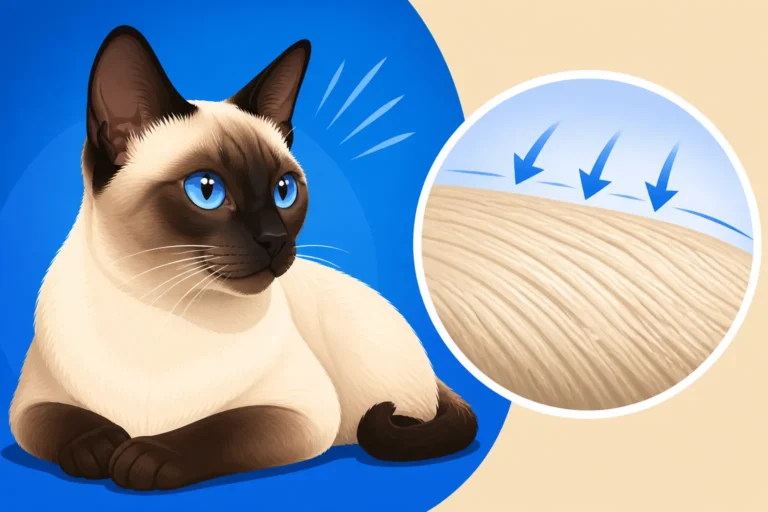
This subtle shift in internal temperature, combined with potentially less vigorous circulation to the extremities and overall changes in skin and coat health, can create an environment where the tyrosinase enzyme has marginally more opportunity to activate. It's a very small change, but over many years, it contributes significantly to the overall browning effect. This explains why the darkening is usually a uniform, gentle shift rather than patchy spots, and it's simply part of What an Aging Siamese Cat's Coat Looks Like.
Accumulated Exposure to Warmth
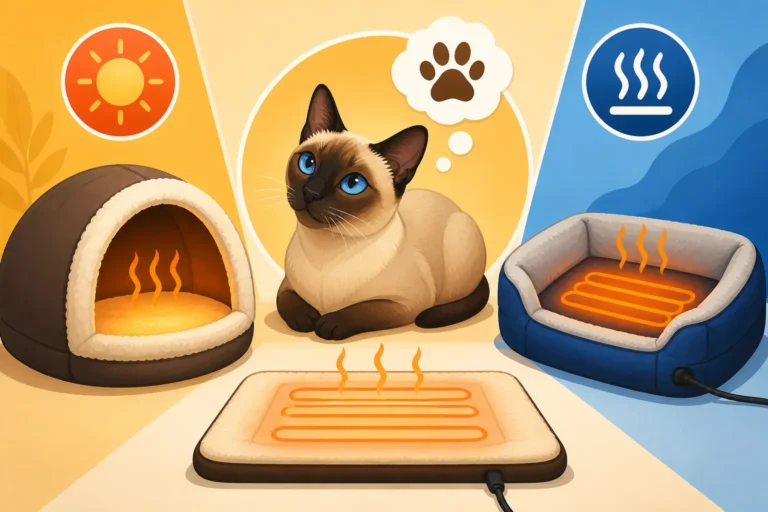
While we know the points darken in cold, the body of a Siamese cat will subtly darken when exposed to sustained warmth. Consider an older cat's habits. Senior cats often seek out warm, cozy spots more intensely than their younger counterparts. They might spend more time curled up in sunbeams, nestled in heated beds, or snuggled under blankets. This consistent, long-term exposure to warmth, even if it's just ambient room temperature or their own body heat reflected back, can facilitate a very gradual, low-level activation of the pigment-producing enzyme in the body fur.
Imagine your Siamese cat, Mittens, who used to be a zippy, active youngster, always darting around. Now, at fifteen, she prefers to nap for hours in her favorite heated bed from Chewy, or sunbathe directly in front of the window for most of the afternoon. This isn't just about comfort; it's also about her body finding constant, gentle warmth. This prolonged exposure contributes to the browning. It's a slow, almost imperceptible process that culminates in a noticeably browner coat over the years, a natural consequence of their unique genetic makeup and behavioral shifts.
Environmental Factors and Lifestyle
Beyond the internal biological shifts, an older Siamese cat's environment and daily habits also play a role in how pronounced their coat darkening becomes.
Indoor vs. Outdoor Living
A Siamese cat that lives exclusively indoors tends to remain a lighter color overall for longer. Indoor environments usually have more stable, warmer temperatures year-round, which helps keep the tyrosinase enzyme mostly inactive on their body core. However, an indoor cat who always sleeps next to the radiator or in a perpetually sunny spot can still experience significant body darkening due to the sustained warmth. You might notice that Whether an Indoor Siamese Cat Stays Paler is a common question, and the answer is usually "yes, relatively speaking."
Conversely, a Siamese cat that spends significant time outdoors, particularly in cooler climates, might exhibit darker points due to the cold, but their overall body could also darken if they're often seeking out warm sun spots or returning to a very warm indoor environment. It's a complex interplay. For instance, my neighbor's older Siamese, "Blue," who loved to nap on the warm asphalt driveway in the summer, had a noticeably browner body than my indoor-only "Lilac" of the same age.
Bedding and Resting Habits
As cats age, they often become less tolerant of cold and will actively seek out warmth. This means more time spent in plush, insulated beds, under blankets, or on heated cat mats. This consistent contact with warmth, especially in areas like their back and sides, contributes to the gradual darkening of their fur. If your older Siamese starts spending more time burrowed deep under your duvet or snuggled into a warm bed from Amazon, their body fur is likely to show a richer, browner hue over time.
Consider the difference between a cat who prefers to sleep on a cool tile floor versus one who always curls up on a thick, sheepskin rug or a specially designed heated bed. The radiant heat from certain surfaces, or simply the insulation provided by cozy bedding, can be enough to slightly elevate the skin temperature in those areas, thereby promoting pigment production. This isn't a rapid change, but over the years of cozy naps, it certainly adds up. Keeping a Siamese Cat Warm becomes increasingly important as they age, both for comfort and health.
Underlying Health Conditions
While the natural aging process is the primary reason for a Siamese cat's body turning brown, sometimes a rapid or unusual change in coat color or texture can be a subtle indicator of an underlying health issue. For example, conditions that affect metabolism or circulation, or chronic illnesses that cause a cat to feel cold and seek more warmth, could potentially accelerate the darkening.
| Factor | Effect on Body Color | Explanation |
|---|---|---|
| Aging | Gradual Darkening | Cumulative melanin production, metabolic slowdown. |
| Increased Warmth | Gradual Darkening | Prolonged exposure to ambient heat, sun, heated beds. |
| Cooler Environment | Darker Points, Lighter Body Core | Enhances point coloration, maintains lighter core (if core stays warm). |
| Poor Circulation/Illness | Variable, potentially faster darkening | Cats may seek more warmth; metabolic changes could influence pigment (less common than natural aging). |
It's crucial to differentiate between the natural, slow browning of an aging Siamese and a sudden, dramatic change. If you notice accompanying symptoms like lethargy, changes in appetite, weight loss, or unusual shedding alongside a rapid coat change, it's always best to consult your veterinarian. These could be signs of more serious issues like Hyperthyroidism in an Older Siamese Cat or even Kidney Disease in an Older Siamese Cat, which can manifest in various subtle ways. Generally, if your cat is otherwise healthy and vibrant, the browning is just a beautiful testament to their long life and unique genetics. Signs a Siamese Cat Is Unwell can sometimes be very subtle, so always be observant.
Living with a Maturing Siamese Cat's Color
So, your once creamy-bodied Siamese is now sporting a lovely toasted marshmallow or caramel hue. It's a natural evolution, but understanding it can help you appreciate your feline friend's unique beauty even more.
Accepting Natural Maturation
The most important thing to remember is that this browning is a completely normal, healthy sign of aging for most Siamese cats. It's a testament to their longevity and the incredible genetic blueprint that makes them who they are. Instead of mourning the loss of their pristine youthful cream, embrace the rich, deep colors that signify wisdom and years of love. Many owners find the matured, browner coats incredibly striking and beautiful in their own right, a sign of a well-lived life.
Think of it as adding depth and character to their already stunning appearance. This natural maturation process is largely out of our control, just like our own hair changes with age. Your cat is still the same vocal, affectionate companion, regardless of the subtle shifts in their fur color. It's a reminder that beauty comes in many forms, and your Siamese is magnificent through every stage of their The Fifteen to Twenty Years a Siamese Cat Gets.
Subtle Ways to Influence Coat Color
While you can't reverse the natural aging process, some owners wonder if they can subtly influence their cat's coat color. For example, Whether a Darkened Siamese Cat Can Be Lightened is a frequent question. In reality, significant lightening is not truly possible. The genetic predisposition to darken with age and warmth is inherent.
However, maintaining a stable, moderately warm indoor environment can help prevent excessive darkening that might occur if a cat is consistently exposed to very cold temperatures and then warms up rapidly. Ensuring your cat is comfortably warm, especially as they get older and might feel the cold more, is beneficial for their overall well-being anyway. Providing cozy beds and making sure your home isn't overly chilly are good practices for an older cat regardless of their coat color. A consistent temperature in your home contributes to their comfort, even if it won't drastically change their natural browning process.
When to Consult Your Vet
As mentioned earlier, if the coat change is sudden, dramatic, or accompanied by other worrying symptoms, it warrants a trip to the vet. Rapid, patchy changes in color, thinning fur, or skin irritation, especially when combined with lethargy, appetite changes, or unusual vocalizations, could indicate an underlying health issue. The natural browning of an older Siamese is typically slow and uniform.
A good rule of thumb is to trust your instincts. You know your cat best. If something about their coat or overall demeanor seems "off" beyond the expected aging changes, a veterinary check-up is always a good idea. Your vet can perform a physical examination and possibly blood tests to rule out any medical conditions that might be influencing their coat health or general well-being. Regular check-ups for Caring for an Old Siamese Cat are always recommended to catch any potential issues early.
Disclaimer
This article is for general informational purposes only and does not constitute professional advice. Laws, prices and regulations vary by location and change over time. Consult a qualified professional for guidance on your specific situation.