Whether a Siamese Cat Survives a Ruptured Liver
The horrifying reality for many Siamese cat owners is the sudden onset of severe illness, and few things are more terrifying or devastating than when their beloved feline friend experiences an internal emergency. One such catastrophic event is a ruptured liver, a condition that often leaves owners feeling helpless and desperate for answers about their cat's chances. This comprehensive guide will walk you through what a ruptured liver entails for a Siamese cat, the critical signs to look for, the emergency medical interventions available, and the factors that ultimately determine a Siamese cat's potential for survival.
The Unseen Threat of Liver Rupture in Siamese Cats
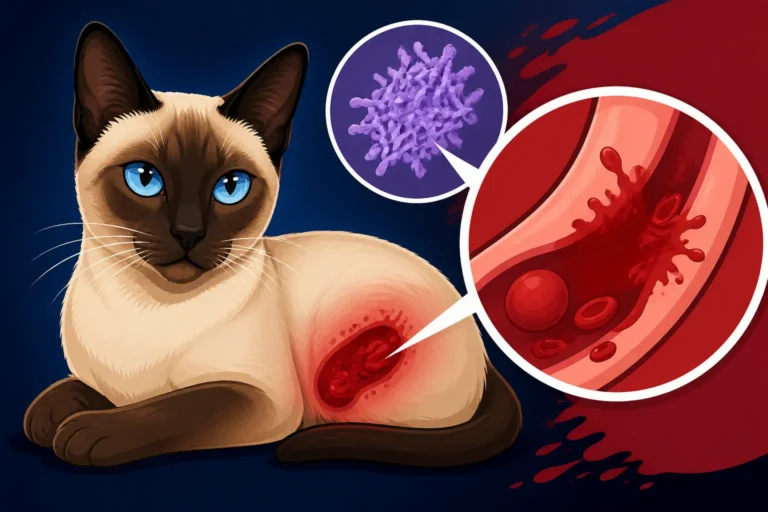
It's a stark truth that many Siamese cat owners grapple with: the breed is predisposed to certain genetic conditions that can have devastating consequences. Among these, amyloidosis stands out as a silent, insidious threat to the liver, and it’s the primary culprit behind spontaneous liver ruptures. Amyloidosis is a disease where an abnormal protein called amyloid builds up in various organs, and in Siamese cats, it often targets the liver, spleen, and kidneys. When it infiltrates the liver, it essentially weakens the delicate structure, making it incredibly fragile and prone to rupture.
Understanding Amyloidosis and Liver Fragility
Imagine the liver, a vital organ responsible for countless metabolic functions, gradually becoming stiff and brittle. That's essentially what happens with amyloidosis. The amyloid protein isn't supposed to be there, and as it accumulates, it displaces healthy liver tissue, turning the once resilient organ into something incredibly vulnerable. It's not a matter of trauma or injury in most cases; it’s an internal structural failure. For a deeper dive into the disease itself, you might want to read about What Amyloidosis Does to a Siamese Cat.
The frustrating part for many owners is that this process is often silent, developing slowly over time without obvious symptoms until a crisis hits. Your otherwise seemingly healthy cat might just be carrying this ticking time bomb within them. The amyloid deposits make the liver extremely fragile, and even a slight bump, a vigorous jump, or sometimes, seemingly nothing at all, can be enough to cause the liver to tear or bleed internally. This is why a Siamese cat's liver can rupture without warning.
The Role of Genetics in Predisposition
It’s widely understood in the veterinary community that amyloidosis in Siamese cats has a strong genetic component. This isn't just bad luck; it’s an inherited trait, often seen across family lines. This makes it particularly heartbreaking because, despite our best efforts, we can't always screen for it effectively before it manifests. The age amyloidosis appears in a Siamese cat can vary, but often, these ruptures occur in younger adult to middle-aged cats, adding to the shock and grief.
Knowing this predisposition is crucial for any Siamese cat owner. While there's no way to definitively prevent the amyloid buildup, understanding the risk means you’re better prepared to recognize the signs of an emergency. This genetic vulnerability also highlights the importance of responsible breeding practices, although testing remains challenging for this specific condition. Unfortunately, there is no DNA test for Siamese cat amyloidosis, making it incredibly difficult for breeders to eliminate the trait from their lines.
The Immediate Crisis: Recognizing a Ruptured Liver
When a Siamese cat's liver ruptures, it's a critical emergency demanding immediate veterinary attention. The most significant danger is internal bleeding, which can be rapid and life-threatening. The blood fills the abdominal cavity, leading to shock and organ failure. As an owner, recognizing the signs can be the difference between a chance at survival and a tragic loss.
Key Signs of Internal Bleeding
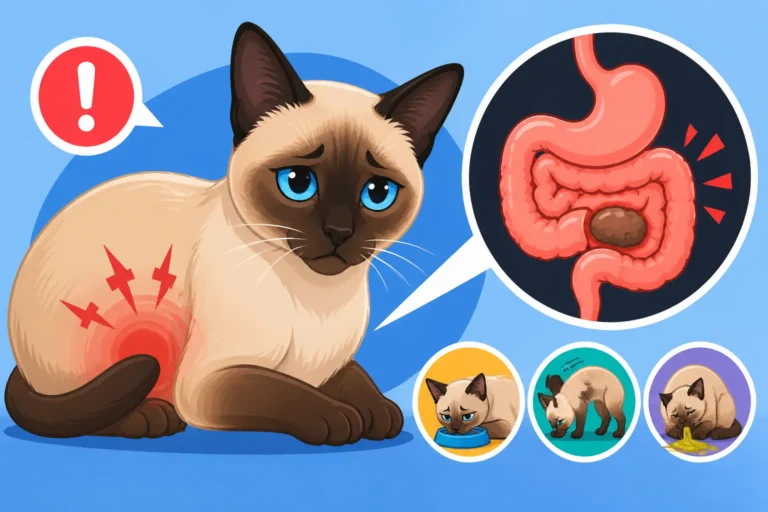
The signs of a ruptured liver can be sudden and dramatic. Your normally active, vocal Siamese might become lethargic and withdrawn almost instantly. You might notice them hiding, which is a classic feline response to pain or illness.
Here are some of the critical symptoms you might observe:
- Extreme Lethargy and Weakness: Your cat will appear profoundly tired, unable to stand or move much. They might collapse.
- Pale Gums: This is a crucial indicator of blood loss. Gently lift your cat's lip to check their gums; if they are stark white or very pale pink, it's a major red flag.
- Rapid, Shallow Breathing: The body tries to compensate for oxygen loss due to reduced blood volume.
- Abdominal Distension: The abdomen might appear swollen or "bloated" due to the internal accumulation of blood. This can be subtle at first but may become more pronounced.
- Cold Extremities: Paws and ears might feel unusually cool to the touch as blood flow is diverted to vital organs.
- Vomiting and Loss of Appetite: These are non-specific signs but often accompany severe illness and pain.
- Pain Response: Your cat might cry out when touched, especially around their belly, or show signs of discomfort when handled.
These signs are urgent and should prompt an immediate trip to the emergency vet. Don't delay. Every minute counts when it comes to internal bleeding. You can learn more about specific indicators by looking up Signs a Siamese Cat's Liver Has Ruptured.
The Speed of Deterioration
One of the most frightening aspects of a liver rupture is how quickly a Siamese cat can deteriorate. This isn't a slow-burn illness; it's an acute, sudden event. Without intervention, a cat can succumb to hemorrhagic shock within a matter of hours, sometimes even faster. The severity of the rupture and the amount of blood loss dictate this timeline. This rapid decline is why knowing How Fast a Siamese Cat Dies From a Liver Bleed is so important for owners to understand the urgency of the situation.
It's natural to panic, but try to remain as calm as possible to help your cat. Call your emergency veterinary clinic on the way to let them know you're coming and what symptoms you're seeing. This allows them to prepare for your arrival, potentially saving precious minutes.
Survival Odds and Emergency Intervention
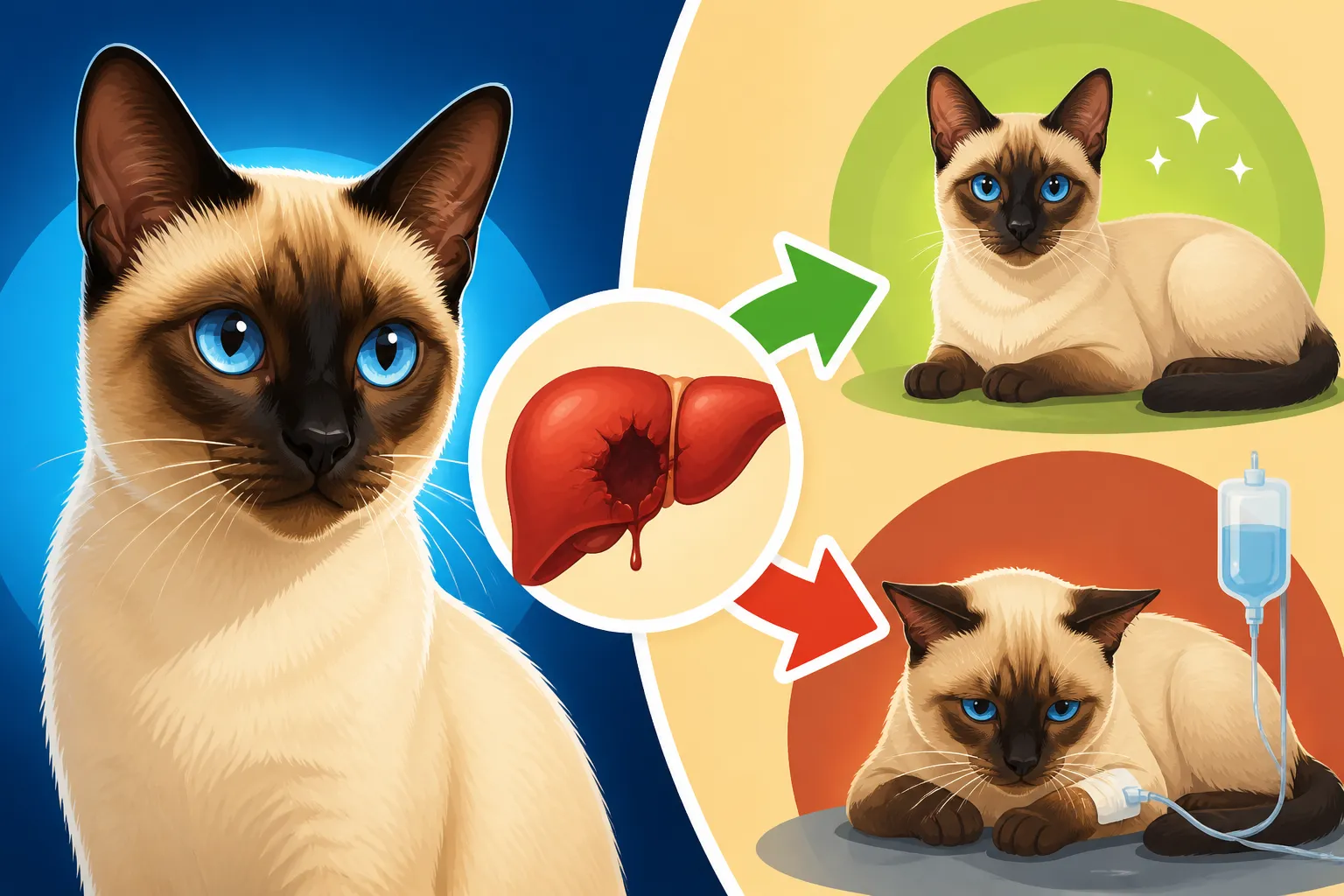
The question of whether a Siamese cat survives a ruptured liver is complex, and unfortunately, the answer isn't a simple yes or no. Survival depends on a multitude of factors, including the severity of the rupture, how quickly veterinary care is sought, the interventions performed, and the cat's overall health status. While it's a grave diagnosis, survival is indeed possible with aggressive, immediate treatment.
Initial Stabilization and Diagnosis
Upon arrival at the veterinary emergency room, the immediate priority is stabilization. This involves treating the shock and stopping the internal bleeding. The vet will likely perform a rapid physical exam, assess gum color and heart rate, and start intravenous (IV) fluids to combat shock. Blood transfusions are often critical to replace lost blood volume, especially in cases of severe hemorrhage. For more detail on these procedures, check out How a Vet Stabilizes a Bleeding Siamese Cat.
Diagnostic tools typically include:
- FAST Ultrasound: A focused assessment with sonography for trauma (FAST) ultrasound can quickly confirm the presence of free fluid (blood) in the abdomen.
- Bloodwork: A complete blood count (CBC) will show severe anemia, while a chemistry panel can assess liver function and overall organ health.
- Abdominocentesis: This involves inserting a needle into the abdomen to collect fluid, which, if bloody, confirms internal hemorrhage.
Here's a quick overview of common treatments and their goals:
| Intervention | Primary Goal | Urgency |
|---|---|---|
| IV Fluids | Combat shock, maintain blood pressure | Immediate |
| Blood Transfusion | Replace lost red blood cells and clotting factors | Critical |
| Pain Management | Alleviate discomfort | Immediate |
| Vitamin K | Aid blood clotting | High |
| Abdominal Tap | Diagnose hemorrhage, relieve pressure (rarely) | Diagnostic |
| Surgery | Directly address the bleeding liver | Emergency |
Source: Veterinary Emergency and Critical Care Society (VECCS) guidelines for hemorrhagic shock.
The cost of such emergency care can be substantial, often running into thousands of dollars, encompassing diagnostics, transfusions, medications, and hospitalization. This is where pet insurance, like a plan from Healthy Paws, can be an absolute lifesaver, allowing owners to focus on their cat's health rather than the overwhelming financial burden during such a crisis.
Surgical Intervention
For many liver ruptures, surgery is the definitive treatment to stop the bleeding. The surgeon will meticulously explore the abdomen, identify the source of the hemorrhage, and often perform a partial lobectomy (removing the affected part of the liver) or use hemostatic agents to control the bleeding. However, performing surgery on a fragile, amyloid-laden liver is inherently risky. The tissue can be so delicate that sutures might tear through, making the procedure challenging for even the most experienced veterinary surgeon. You can explore the specific steps involved in How a Siamese Cat's Ruptured Liver Is Treated.
Post-operative care is just as critical as the surgery itself. Cats will require intensive monitoring, continued IV fluids, pain management, and potentially further transfusions. The recovery period is often lengthy and requires dedicated care, underscoring the serious nature of the situation.
Long-Term Outlook and Managing Liver Disease
Even if a Siamese cat survives the initial liver rupture and emergency treatment, the journey doesn't end there. The underlying amyloidosis remains, and managing this chronic condition is paramount for long-term health and preventing future crises. The long-term prognosis varies greatly depending on the extent of the amyloidosis and how well the cat responds to ongoing care.
Prognosis After a Rupture
For cats that survive the immediate crisis, the prognosis is guarded. While some cats can live for months or even a few years post-rupture, especially if only a small portion of the liver was affected and removed, the threat of amyloidosis impacting other organs remains. Many owners worry about How Long a Siamese Cat Lives After an Amyloidosis Diagnosis, and the truth is, it's highly individual.
The veterinary team will monitor your cat closely for signs of amyloidosis progression in the remaining liver tissue or other organs like the kidneys. How Amyloidosis Damages a Siamese Cat's Kidneys is another serious concern, as renal failure can also significantly impact quality of life and lifespan. Regular follow-up appointments, blood tests, and potentially ultrasounds will be necessary to keep tabs on their internal health.
Living with Amyloidosis
Managing amyloidosis involves a multi-faceted approach aimed at slowing the progression of the disease and supporting organ function. While there’s currently no cure for amyloidosis, certain treatments can help manage symptoms and potentially slow amyloid deposition. These often include:
- Colchicine: This medication is sometimes prescribed to try and reduce amyloid deposition, though its efficacy in feline amyloidosis is debated and requires careful monitoring.
- Supportive Care: This involves dietary management, especially if kidney function is compromised, and medications to support liver health.
- Regular Monitoring: Consistent veterinary check-ups are essential to catch any signs of deterioration early. This is where having comprehensive pet insurance, perhaps through providers like Healthy Paws, helps ensure you can afford all necessary follow-up care without financial strain.
It's a challenging road, but with vigilant care and a dedicated owner, a Siamese cat can still have a good quality of life for a period after surviving a liver rupture. Understanding Which Organs Amyloidosis Hits in a Siamese Cat helps owners stay alert to other potential health issues.
Prevention and Early Detection Challenges
The heartbreaking reality is that truly preventing amyloidosis in genetically predisposed Siamese cats is difficult due to its inherited nature and the lack of a reliable screening test before clinical signs appear. This means that preventing a first rupture is incredibly hard.
However, once a cat has experienced a rupture, or if there's a strong family history, vigilance becomes key. Regular wellness exams and discussions with your vet about the risks specific to Siamese cats are crucial. While an ultrasound might identify amyloid deposits, it’s not always a routine screening measure unless there are clinical signs. It’s also important to note that Whether Siamese Cat Amyloidosis Can Be Caught Early is a question that vets and researchers are constantly working on, but often it’s only definitively diagnosed post-mortem or after a severe event.
Ultimately, surviving a ruptured liver is a testament to both dedicated veterinary care and the incredible resilience of Siamese cats. It's a journey filled with challenges, but with love, vigilance, and appropriate medical intervention, there is hope.
Disclaimer
This article is intended for informational purposes only and does not constitute veterinary advice. Always consult with a qualified veterinarian for any health concerns or before making any decisions about your pet's medical care.