Why a Siamese Cat Drinks More With Age
It's incredibly worrying, isn't it, when you start noticing your beloved Siamese cat, who's been a picture of health for years, suddenly seems to be glued to the water bowl? This subtle shift, a seemingly innocent increase in thirst, can send a wave of anxiety through any dedicated pet parent. You’re not imagining things; an aging Siamese cat drinking more than usual is often a significant indicator that something warrants closer attention. This comprehensive guide will walk you through the reasons behind this change, what to look for, and most importantly, what steps you can take to help your cherished companion.
The Natural Shifts in Hydration as Siamese Cats Age
As our gorgeous Siamese companions enter their senior years, which for many starts around The Age a Siamese Cat Is Considered Senior, their bodies undergo a myriad of subtle transformations, much like humans do. While we might not always notice every tiny change, an increased interest in the water bowl can certainly catch our eye. It's a natural instinct to jump to worst-case scenarios, but sometimes, a slight increase in drinking can be part of a normal, albeit concerning, aging process. However, it’s crucial to understand the nuances so you can differentiate between a minor adjustment and a call for medical intervention.
Subtle Shifts in Hydration Needs and Activity Levels
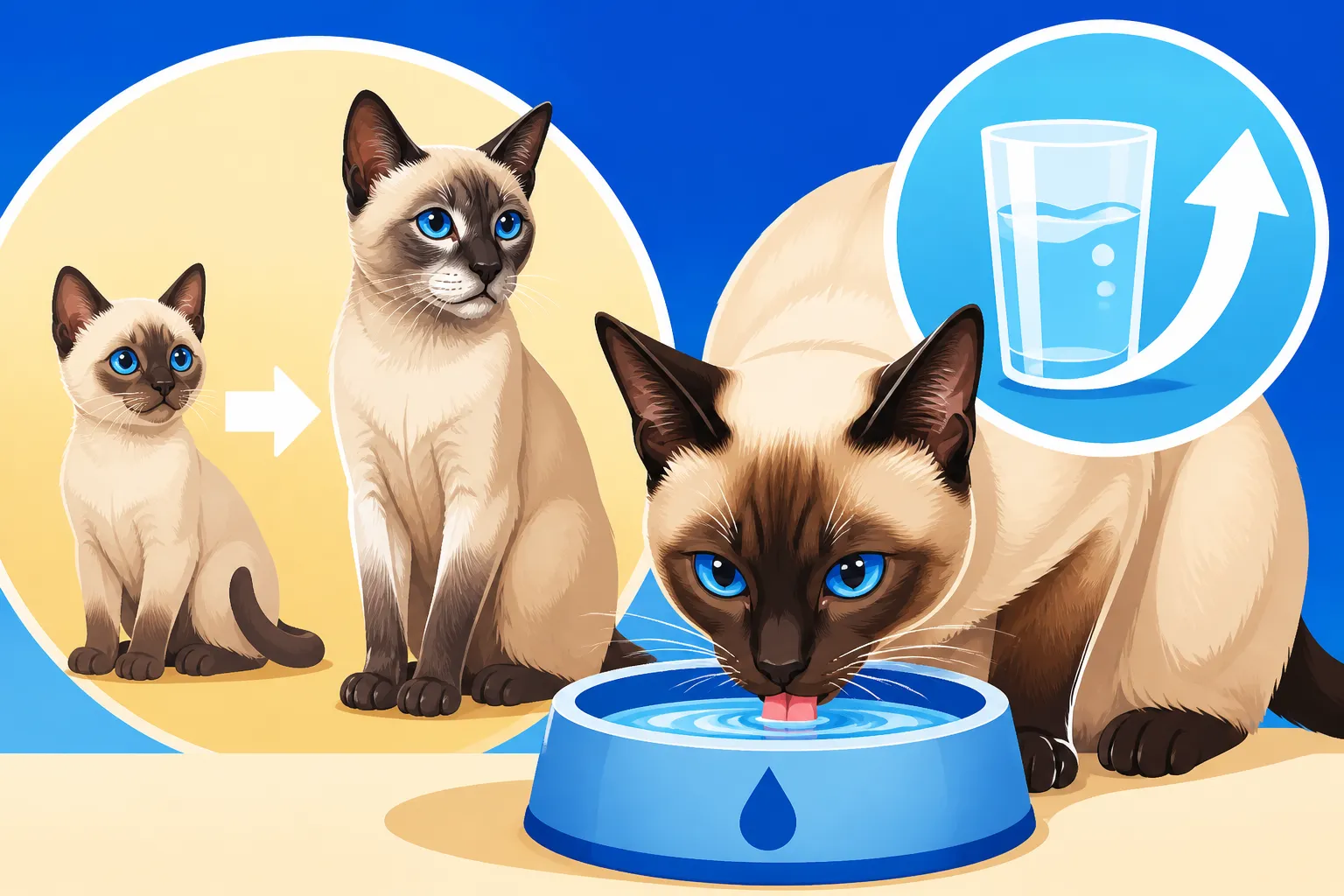
Think about how your own energy levels change over the years; cats are no different. An older Siamese might not be zooming around the house with the same frantic energy they had as a kitten, but their metabolism can still be quite active, or even become overactive in some cases. While a kitten's hydration needs are often linked to their rapid growth and boundless play, an aging cat's needs might subtly shift due to a variety of factors. Perhaps they're spending more time napping in a warm spot, leading to slight dehydration, or their diet has changed in composition. Sometimes, if they've transitioned from primarily wet food to more dry kibble, they naturally need to drink more to compensate for the lower moisture content in their food. This isn't usually a dramatic increase, but it might be enough for you to notice them at the water fountain more frequently.
The Importance of Knowing Your Cat's Baseline
One of the best tools you have as a Siamese cat owner is your keen observation skills. You know your cat better than anyone. What's "normal" for one Siamese might be a red flag for another. For instance, a cat that was always a light drinker might suddenly start emptying the bowl more quickly, which is a clear sign. Conversely, a cat that already drank a fair amount might increase it just a bit, making it harder to spot. This is why keeping a mental, or even physical, note of your cat's usual habits is invaluable. How many times a day do they visit the water bowl? How much water does your auto-filler go through? How often do you clean out the old water and refill it? These seemingly minor details create a baseline for your cat's health. Any significant deviation from this established norm, especially as they get older, should always be discussed with your veterinarian. This proactive approach allows you to address potential issues like Signs a Siamese Cat Is Unwell much earlier.
Key Medical Conditions That Cause Increased Thirst in Older Siamese Cats
While some minor fluctuations in water intake can be normal with age, a persistent or noticeably increased thirst – medically known as polydipsia – is frequently a symptom of underlying health issues. Unfortunately, several conditions common in senior Siamese cats can manifest this way. These aren't just minor inconveniences; they can be serious and often require prompt veterinary attention to manage effectively. Understanding these conditions can empower you to recognize the signs and seek help swiftly.
Kidney Disease: The Silent Culprit
One of the most prevalent and heartbreaking conditions in older cats, including our beloved Siamese, is chronic kidney disease (CKD). The kidneys are vital organs, responsible for filtering waste products from the blood and maintaining proper hydration and electrolyte balance. As a Siamese cat ages, their kidneys can gradually lose efficiency. When the kidneys aren't working properly, they can't concentrate urine as effectively. This means that more water is flushed out of the body than usual, leading to dehydration. To compensate, your cat will drink more and, consequently, urinate more frequently. This cycle of increased drinking and urinating is often one of the first signs of trouble, though it can be subtle at first. You might notice your cat spending more time at the litter box, or the urine clumps in the box might be larger. Other signs can include weight loss, decreased appetite, nausea, and a duller coat. Catching Kidney Disease in an Older Siamese Cat early is paramount for slowing its progression and improving your cat's quality of life.
Hyperthyroidism: An Overactive Gland
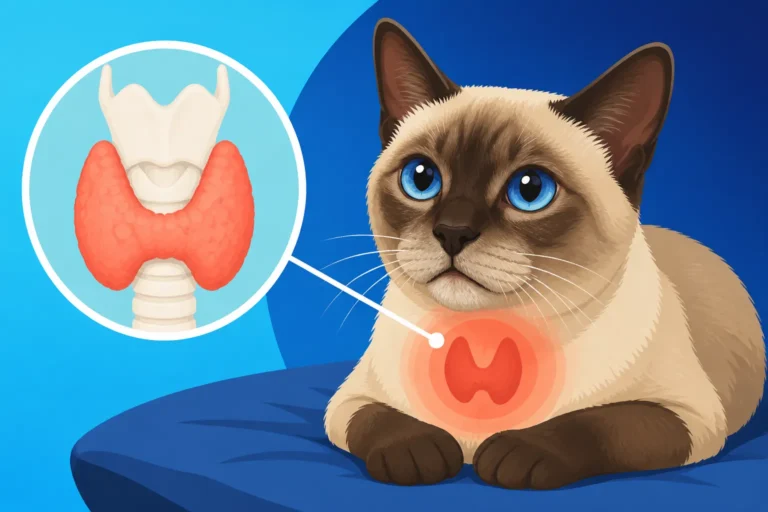
Another common age-related condition that causes increased thirst and urination is hyperthyroidism. This occurs when the thyroid glands, located in the neck, produce excessive amounts of thyroid hormones. These hormones regulate metabolism, and an overproduction essentially puts your cat's body into overdrive. They might seem more energetic, restless, or even anxious. Despite eating a lot, sometimes even ravenously, they often lose weight, which can make a naturally lean Siamese cat appear even more so. This accelerated metabolism also increases blood flow through the kidneys, leading to increased urine production and, you guessed it, more drinking to stay hydrated. If your Siamese is suddenly eating like there’s no tomorrow but still losing weight, combined with increased thirst, hyperthyroidism should definitely be on your radar. You can learn more about Hyperthyroidism in an Older Siamese Cat to understand the full scope of this condition.
Diabetes Mellitus: A Sugar Imbalance
Just like in people, cats can develop diabetes mellitus, a condition where the body either doesn't produce enough insulin or can't properly use the insulin it does produce. Insulin is crucial for regulating blood sugar (glucose) levels. When there isn't enough effective insulin, glucose accumulates in the blood and then spills over into the urine. This excess sugar in the urine draws water with it, leading to excessive urination. Again, to prevent dehydration, your Siamese cat will drink significantly more water. Along with increased thirst and urination, other classic signs of Diabetes in a Siamese Cat include increased appetite and weight loss – a confusing combination that often prompts owners to seek veterinary advice. Sometimes, they might also appear lethargic or develop urinary tract infections. It's a serious condition that requires careful management, often involving dietary changes and insulin injections.
Here's a quick comparison of common symptoms for these conditions:
| Symptom | Chronic Kidney Disease (CKD) | Hyperthyroidism | Diabetes Mellitus |
|---|---|---|---|
| Increased Thirst | Yes | Yes | Yes |
| Increased Urination | Yes | Yes | Yes |
| Weight Loss | Yes | Yes (despite eating) | Yes (despite eating) |
| Increased Appetite | Sometimes (early stages) | Yes (often ravenous) | Yes |
| Decreased Appetite | Yes (later stages) | No | Sometimes |
| Vomiting | Yes | Sometimes | Sometimes |
| Lethargy/Weakness | Yes | Sometimes | Yes |
| Poor Coat Condition | Yes | Yes | Yes |
| Muscle Wasting | Yes | Yes | Yes |
| Diarrhea | Sometimes | Sometimes | No |
| Urinary Accidents | Yes (due to volume) | No | Yes (due to volume) |
Other Less Common Causes of Increased Thirst
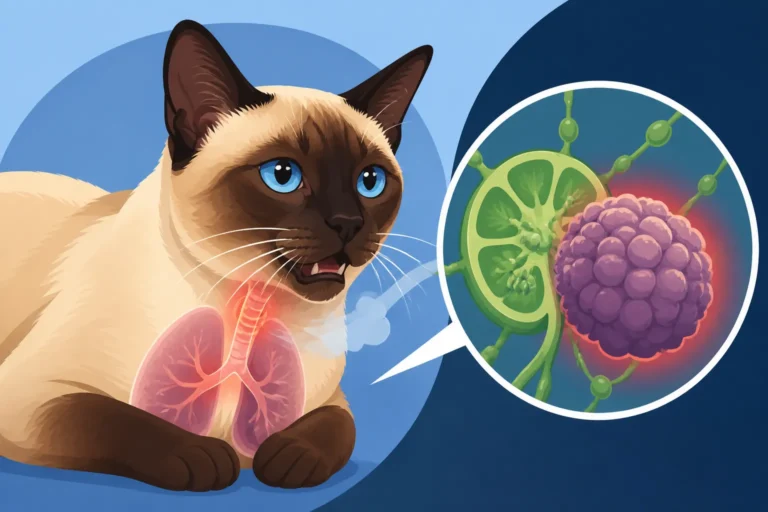
While kidney disease, hyperthyroidism, and diabetes are the big three, other conditions can also cause a Siamese cat to drink more. These include certain types of cancer, liver disease, adrenal gland disorders, or even side effects from medications they might be taking for other ailments. For example, some anti-inflammatory drugs can temporarily increase thirst. Although these are less common, it highlights the importance of a thorough veterinary examination to rule out all possibilities. This is why understanding What a Siamese Cat's Yearly Bloodwork Should Cover is so important as your cat ages.
What to Do When Your Siamese Cat Drinks More: Actionable Steps and Veterinary Care
Noticing your Siamese cat drinking more than usual is your cue to take action, but it doesn't have to be a panic-inducing experience. The key is careful observation, gathering information, and then working closely with your veterinarian. Early intervention for many of the conditions we've discussed can make a world of difference in your cat's long-term health and comfort.
Monitoring and Recording Changes at Home
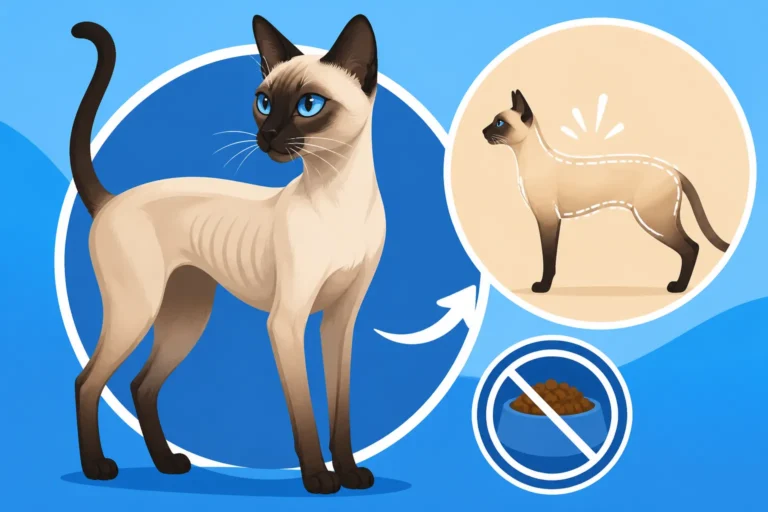
Before you even step foot in the vet's office, you can gather crucial information that will aid in diagnosis. Start by actually measuring your cat's water intake. This might sound tedious, but it provides concrete data. Fill their water bowl to a specific, measured level in the morning, and then measure what's left the next morning. Do this for a few days. You should also pay close attention to their litter box habits. Are they urinating more frequently? Are the clumps of urine larger than usual? Is there any change in urine color or odor? Keep a diary of these observations, noting the date, amount of water consumed, and any other symptoms you observe, such as changes in appetite, weight, activity level, or demeanor. For instance, are they constantly hungry but still looking bony? You might find our article on Why a Siamese Cat Feels Bony helpful in evaluating their physique. Documenting these details will give your vet a much clearer picture than simply saying, "My cat is drinking more."
The Veterinary Consultation and Diagnostic Tests
Once you've gathered your observations, it's time to schedule that vet appointment. Don't delay, especially if the increased thirst is significant or accompanied by other worrying symptoms. When you arrive, be prepared to share all the details you've noted down. Your veterinarian will start with a thorough physical examination, feeling their thyroid glands, checking their hydration status, and assessing their overall body condition. Beyond the physical exam, diagnostic tests are almost always necessary to pinpoint the exact cause.
The most common tests include:
- Bloodwork: This is a comprehensive panel that will check kidney function (BUN, creatinine, phosphorus), liver enzymes, blood glucose levels (for diabetes), and thyroid hormone levels (T4 for hyperthyroidism). A complete blood count (CBC) can also give insights into overall health, looking for anemia or infection.
- Urinalysis: A urine sample is vital. It assesses urine concentration (specific gravity), which indicates kidney function. It also checks for the presence of glucose (diabetes), protein (kidney disease), red or white blood cells (infection or inflammation), and crystals.
- Blood Pressure Measurement: High blood pressure is common in cats with kidney disease or hyperthyroidism and can worsen these conditions.
These tests, particularly when interpreted together, provide a powerful diagnostic picture. The vet might also recommend an ultrasound, especially if kidney or liver issues are suspected, to visualize the organs directly. Remember, the sooner these tests are done, the sooner a diagnosis can be made, and treatment can begin, which is often crucial for conditions like How Long a Siamese Cat Lives After an Amyloidosis Diagnosis (though increased thirst isn't a primary sign of Amyloidosis, it's a good example of timely diagnosis).
Managing Underlying Conditions for a Better Quality of Life
Once a diagnosis is made, your vet will discuss a treatment plan tailored to your Siamese cat's specific condition and its severity.
- For Kidney Disease: Management often involves dietary changes (low protein, low phosphorus prescription foods), fluid therapy (subcutaneous fluids administered at home), medications to manage symptoms like nausea, and potentially supplements to support kidney function. The goal isn't to cure it, but to slow progression and improve comfort.
- For Hyperthyroidism: Treatment options include medication (methimazole) to control hormone production, radioactive iodine therapy (a curative option), or surgical removal of the thyroid gland. A prescription diet low in iodine is also an option for some cats.
- For Diabetes Mellitus: Management typically involves insulin injections (usually twice daily) and a carefully controlled diet, often low in carbohydrates and high in protein. Regular monitoring of blood glucose levels is also essential.
Navigating these treatments can feel overwhelming, but many older cats respond very well, allowing them to enjoy many more happy, comfortable years. Having robust pet insurance, such as a comprehensive plan from Healthy Paws, can be an absolute lifesaver when dealing with the ongoing costs of these chronic conditions, ensuring you can always opt for the best possible care without financial strain.
Supporting Your Aging Siamese Cat's Hydration and Health
Beyond specific medical treatments, there's so much you can do at home to support your aging Siamese cat, both in terms of hydration and overall well-being. Keeping them comfortable and well-nourished is paramount as they gracefully transition into their golden years. These simple adjustments can make a profound difference to their daily life.
Encouraging Ample Water Intake
Whether your Siamese cat has a diagnosed condition or you're just being proactive about their senior health, encouraging them to drink enough water is always a good idea. Sometimes, it's not about them drinking more than normal, but simply ensuring they always have access to fresh, appealing water.
- Multiple Water Stations: Place several water bowls throughout the house, in different locations, away from their food and litter boxes. Cats often prefer fresh water, so keep them clean and refilled daily.
- Water Fountains: Many cats are drawn to moving water. A feline water fountain can be a fantastic investment, providing a continuous flow of filtered, aerated water that many Siamese find irresistible.
- Wet Food: Incorporating more wet food into their diet naturally boosts their moisture intake. Wet food is typically around 70-80% water, which significantly contributes to their daily hydration. Even adding a little warm water to their wet food can help.
- Flavored Water: For very fussy drinkers, some vets suggest adding a tiny amount of tuna juice (in water, not oil) or a low-sodium chicken broth to their water to entice them. Always check with your vet first.
Remember, proper hydration is fundamental to all bodily functions, especially kidney health. If your Siamese cat is starting to show What Changes in a Siamese Cat After Twelve, then increased attention to their water intake is a must.
Nutritional Considerations for Senior Siamese Cats
Diet plays a crucial role in managing age-related health issues. As cats get older, their nutritional needs can change.
- Kidney-Friendly Diets: If your Siamese has been diagnosed with kidney disease, your vet will almost certainly recommend a prescription kidney diet. These diets are typically restricted in protein, phosphorus, and sodium, all of which help reduce the workload on compromised kidneys.
- Easily Digestible Food: Senior cats often have a harder time digesting food. Opt for high-quality, easily digestible protein sources.
- Increased Omega-3 Fatty Acids: Supplements like fish oil can be beneficial for overall health, including joint health and kidney function, thanks to their anti-inflammatory properties. Always discuss supplements with your vet.
- Appetite Stimulation: Some older cats lose their appetite. Warming wet food slightly can enhance its aroma and make it more appealing. You might also want to look into Caring for a Siamese Cat Past Twelve for more specific dietary tips for seniors.
The Importance of Regular Wellness Checks and Preventive Care
This cannot be stressed enough: routine veterinary care is your best defense against serious health problems in aging cats. Our Siamese friends are masters at hiding pain and illness, a survival instinct that means by the time obvious symptoms appear, a condition might be quite advanced.
- Annual or Bi-Annual Check-ups: For senior cats, bi-annual (every six months) check-ups are often recommended. These appointments allow your vet to perform a thorough examination, including routine bloodwork and urinalysis. These tests can catch subtle changes in organ function before they become clinically apparent.
- Early Detection is Key: Detecting conditions like kidney disease, hyperthyroidism, or diabetes in their early stages significantly improves the prognosis and allows for more effective management, potentially extending your cat's happy, comfortable life. You might find it helpful to understand How Often a Siamese Cat Needs a Wellness Exam and what it entails.
- Pet Insurance: The peace of mind that comes with knowing you can afford the best care for your senior Siamese cat is invaluable. Companies like Healthy Paws offer comprehensive pet insurance plans that can cover a significant portion of diagnostic tests, treatments, and ongoing medication costs for chronic conditions. This financial support means you can focus on your cat's health without the added burden of prohibitive veterinary bills. It’s an investment in their long-term well-being and your peace of mind. Without insurance, the cost of managing a chronic condition over several years can be substantial.
Taking these proactive steps will ensure that your beloved Siamese cat receives the best possible care, allowing them to thrive and enjoy their golden years by your side.
Disclaimer
The information provided in this article is for general informational purposes only and is not a substitute for professional veterinary advice. Always consult with a qualified veterinarian for any health concerns or before making any decisions related to your pet's health and treatment.