Which Lab Runs the Siamese Cat PRA Test
It's incredibly frustrating when you're a loving Siamese cat owner, trying your best to ensure your feline friend lives a long, healthy life, only to hit a wall of confusing or hard-to-find information about critical health tests. Progressive Retinal Atrophy (PRA) is one such concern that often leaves owners wondering where to even begin with genetic screening. This guide aims to clear up that confusion, detailing which reputable laboratories offer the crucial PRA test specifically for Siamese cats, helping you make informed decisions for your beloved companion's eye health.
Understanding Progressive Retinal Atrophy in Siamese Cats
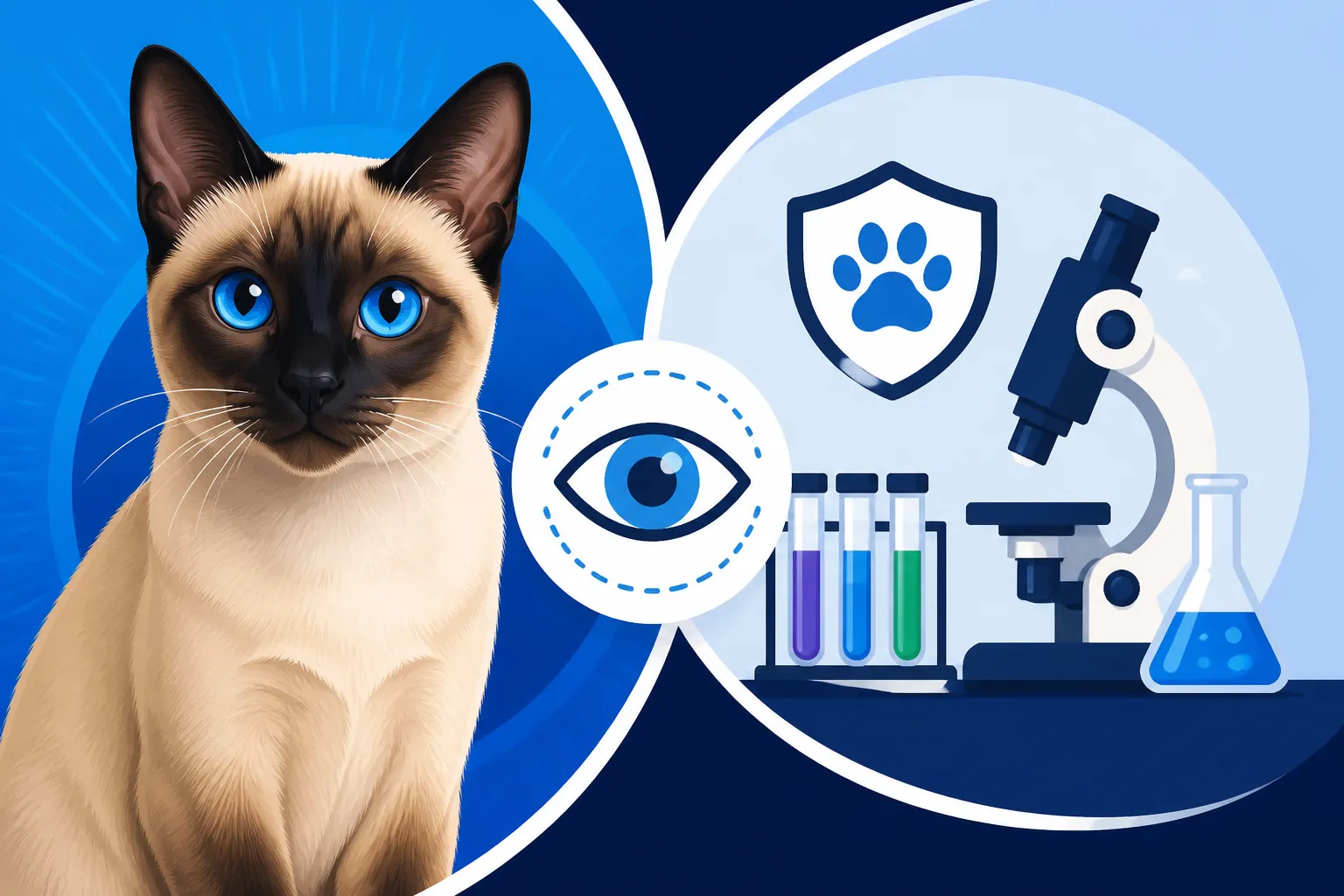
Progressive Retinal Atrophy, or PRA, is a blanket term for a group of inherited eye diseases that cause the retina to degenerate over time. For Siamese cats, we're primarily concerned with a specific form known as rod-cone dysplasia type I (rdAc). This is a truly heartbreaking condition because it leads to irreversible blindness, gradually robbing your cat of its sight. Imagine your normally agile and observant Siamese, slowly losing its ability to navigate its familiar world – it’s a difficult thought for any cat parent.
The inherited nature of rdAc PRA means that if a cat carries the gene, it can pass it on to its offspring, even if it doesn't show symptoms itself. This is why genetic testing is so vital, especially for breeders, but also for pet owners who want to understand their cat's genetic predispositions. Many owners find themselves grappling with the subtle early signs, often wondering if their cat's slightly clumsy night movements are just normal "cat antics" or the first whispers of a much more serious issue. You might notice your Siamese is less keen on playing in dimmer light, or perhaps its pupils seem unusually dilated. These can be early indicators that something is amiss with their vision, and it’s a terrifying discovery for any owner to make. For a deeper dive into the disease itself, you might want to read our article on What PRA Does to a Siamese Cat's Sight.
The Specific rdAc Mutation and Its Significance
The rdAc mutation is a recessive gene, meaning a cat must inherit two copies of the defective gene (one from each parent) to be affected and develop clinical signs of PRA. If a cat inherits only one copy, it's considered a carrier. Carriers won't go blind themselves, but they can pass the gene on. This is a crucial distinction that makes genetic testing so powerful in preventing the spread of the disease within breeding lines. Without proper testing, two seemingly healthy carrier cats could produce kittens that are affected and destined for blindness. The age at which a Siamese cat with PRA goes blind can vary, but it often begins with night blindness, progressing to total blindness by middle age. Understanding this genetic blueprint is the first step in responsible pet ownership and breeding. If you're wondering Whether a PRA Carrier Siamese Cat Goes Blind, our comprehensive guide covers that in detail.
Why Timely Testing Matters for Siamese Owners
Early detection, or even pre-symptomatic genetic screening, is paramount. For breeders, it allows for informed decisions to avoid breeding two carriers together, thus preventing the birth of affected kittens. For pet owners, knowing your cat's genetic status can help you prepare for potential vision loss, adapting your home environment and routines to support your cat as its sight diminishes. It provides precious time to come to terms with the diagnosis and implement strategies for their well-being. It’s also vital to differentiate between genetic screening and an ocular exam; while an eye exam can diagnose the disease once symptoms appear, a DNA test tells you if your cat carries the gene before any signs manifest. This proactive approach saves future generations from suffering and provides peace of mind. For more on this, check out Whether an Eye Exam Beats a DNA Test for a Siamese Cat.
Identifying Reputable Genetic Testing Laboratories
When you're looking for a lab to test your Siamese cat for PRA, you can't just pick the first one that pops up in a search engine. The quality and reliability of genetic testing can vary wildly, and you need to ensure you're getting accurate results from a lab that truly understands feline genetics, especially breed-specific mutations like rdAc in Siamese cats. The emotional and financial investment you're making is significant, and you want those results to be something you can trust implicitly. After all, a false negative could lead to breeding an affected line, and a false positive could cause undue stress and anxiety.
The frustration many owners face is navigating a sea of online options, trying to discern which lab is credible. You'll want to look for labs that specialize in veterinary genetics, ideally with affiliations to university veterinary schools or established scientific research. Transparency in their testing methods, clear communication about turnaround times, and responsive customer service are all hallmarks of a good lab.
What to Look for in a Quality Lab
A reputable genetic testing laboratory will have several key characteristics that distinguish it from less reliable options. Firstly, they should clearly state the specific mutations they test for. For Siamese cats and PRA, this means explicitly mentioning the rdAc variant. Some labs offer broad "feline genetic panels," which can be great, but you need to confirm that the specific PRA mutation affecting Siamese cats is included.
Secondly, look for labs that provide clear instructions for sample collection, typically involving a non-invasive buccal (cheek) swab. They should also offer professional support if you have questions about the process or the results. Many labs will list their accreditations or affiliations, providing an extra layer of confidence. For instance, labs associated with major veterinary universities often have a strong research background backing their tests. It's not just about getting a result; it's about getting a result that stands up to scrutiny and is universally accepted by the veterinary community. When you're assessing a lab, also consider their reputation among breeders and veterinarians—word-of-mouth in the cat fancy can be a powerful indicator of trustworthiness.
Avoiding Common Pitfalls with Genetic Tests
One common pitfall is choosing a lab that offers a very generic PRA test without specifying the type of PRA. Different breeds are prone to different genetic mutations causing PRA, and a test for one breed's mutation won't be relevant for another's. Always confirm that the lab specifically tests for the rdAc mutation that is prevalent in Siamese cats. Another pitfall can be labs that have exceptionally low prices or unusually fast turnaround times, which might sometimes indicate a less thorough process. While everyone loves a bargain, accuracy in genetic testing should always be the priority.
It’s also important to follow sample collection instructions precisely. A poorly collected sample might lead to inconclusive results, requiring a re-test and delaying your peace of mind. Some owners find the process daunting, especially if they have an uncooperative cat, but most labs provide user-friendly kits and guidance. Remembering that reputable pet insurance providers like Healthy Paws often include some form of wellness or diagnostic coverage can also ease the financial burden if you're concerned about the cost of repeat testing or follow-up vet visits. When considering which tests a Siamese cat breeder runs, this specific PRA test is certainly on the list of critical health screenings.
Specific Laboratories for Siamese Cat PRA Testing
Finding the right laboratory for your Siamese cat's PRA test can feel like searching for a needle in a haystack, especially when you want to ensure the results are reliable and specific to the rdAc mutation. Thankfully, several reputable genetic testing laboratories have established themselves as leaders in feline genetic health, and many offer the specific test you need for your Siamese. Based on current information, these labs are often recommended by breeders and veterinarians for their accuracy and expertise.
Recommended Genetic Testing Labs
When it comes to comprehensive and reliable genetic testing for cats, a few names consistently stand out. These laboratories often work with a wide range of breeds and have specific panels that include the rdAc mutation relevant to Siamese cats.
-
Optimal Selection Feline Genetic Breeding Analysis (by Wisdom Panel/Mars Petcare): This is one of the most comprehensive genetic screening tools available for cats. Optimal Selection tests for over 40 genetic diseases, including various forms of PRA, and importantly, it covers the rdAc mutation specific to Siamese cats. They utilize a simple cheek swab collection method, and their results are typically delivered within a few weeks. What's excellent about Optimal Selection is its broad scope, giving you a wider picture of your cat's genetic health beyond just PRA. It's a popular choice for breeders who want to screen their entire breeding stock for a multitude of potential issues. They provide detailed reports that are easy to understand, outlining carrier status or affected status for each condition tested.
-
Animal Genetics (located in Tallahassee, Florida): Animal Genetics is another highly respected laboratory offering a dedicated PRA test for the rdAc mutation in Siamese and related breeds. They provide specific tests for numerous feline genetic conditions, and their PRA (rdAc) test is specifically designed to detect the mutation responsible for the condition in your Siamese. Their process is also straightforward, typically requiring a buccal swab. Many breeders appreciate their direct focus on specific tests, allowing them to target their screening efforts. They have a long-standing reputation in the veterinary genetics community for reliable results.
-
UC Davis Veterinary Genetics Laboratory (VGL) (University of California, Davis): The VGL at UC Davis is a world-renowned institution for animal genetic research and testing. They offer a comprehensive panel for Siamese cats that includes testing for progressive retinal atrophy (rdAc), as well as other conditions relevant to the breed. Being part of a major university veterinary school, their testing is backed by significant research and expertise. They are known for their rigorous scientific methods and detailed reporting. While their turnaround times might sometimes be a little longer than commercial labs, the quality and scientific backing of their results are unparalleled.
Here's a quick comparison of these top contenders:
| Laboratory Name | Specific PRA Test for Siamese | Other Key Offerings | Sample Type | Estimated Turnaround Time |
|---|---|---|---|---|
| Optimal Selection (Wisdom Panel) | Yes (rdAc mutation included) | ~40+ genetic diseases, blood type, genetic diversity | Cheek Swab | 2-4 weeks |
| Animal Genetics | Yes (dedicated rdAc test) | Numerous specific feline genetic disease tests | Cheek Swab | 1-3 weeks |
| UC Davis Veterinary Genetics Laboratory (VGL) | Yes (rdAc mutation included) | Breed-specific panels, coat color, blood type | Cheek Swab | 3-6 weeks |
Please note that costs and specific test details can change, so it’s always best to visit the lab’s official website for the most current information.
The Value of Comprehensive Panels
While focusing specifically on PRA is important, many of these labs, especially Optimal Selection, offer comprehensive genetic panels. These panels can be incredibly valuable because they screen for a wide array of genetic conditions that Siamese cats might be predisposed to, not just eye diseases. This can include issues like gangliosidosis (GM1/GM2), which can cause neurological problems, or even factors related to blood type. Getting a full picture of your cat's genetic makeup can help you and your veterinarian proactively monitor for other potential health concerns down the line. It's a little like getting a full health MOT for your cat's DNA, offering insights into conditions you might not have even considered. Our article on Which Health Tests a Siamese Cat Breeder Runs provides further context on the importance of these comprehensive screenings.
Practical Steps for Submitting a Sample
Once you've chosen a laboratory, the process of submitting a sample is usually quite straightforward. Most labs will send you a kit containing everything you need: sterile buccal swabs, instructions, and return packaging.
- Collect the Sample: The most common method involves gently swabbing the inside of your cat's cheek and gums. It's important to collect enough cells by rubbing firmly but not harshly for about 30-60 seconds per swab. Many kits come with two swabs, ensuring enough material. Make sure your cat hasn't eaten for at least an hour beforehand to avoid food contamination. This can sometimes be a two-person job, especially with a wiggly Siamese!
- Air Dry: Allow the swabs to air dry completely before packaging them. This prevents mold growth that could degrade the DNA sample.
- Package and Ship: Follow the lab's specific instructions for packaging and shipping. Some labs provide prepaid labels, while others require you to arrange postage.
- Registration: Don't forget to register your kit online with the lab if required. This links your sample to your cat's information and ensures you receive the results.
The waiting period can feel like an eternity, but knowing you've taken this proactive step for your Siamese's health is a huge relief. Our guide on How Long a Siamese Cat PRA Test Result Takes can give you a better idea of what to expect during this time.
Interpreting Results and Next Steps
Once you receive your Siamese cat's PRA test results, it’s completely normal to feel a mix of anticipation and anxiety. These results, while offering crucial information, can also be a little daunting to interpret if you’re not familiar with genetic terminology. Understanding what "clear," "carrier," or "affected" means is vital for making informed decisions about your cat's health and, for breeders, about future breeding plans.
Many people feel a sudden rush of dread, especially if the result isn't "clear." But remember, knowledge is power. Even an "affected" result allows you to prepare and plan, rather than being caught off guard later on. It's also a relief to know that responsible pet insurance companies like Healthy Paws are there to help with potential veterinary costs, especially if follow-up care or management of a condition becomes necessary, so it's wise to understand your policy's coverage for genetic conditions and ongoing treatments.
Understanding "Clear," "Carrier," and "Affected"
Genetic test results typically fall into one of three categories:
- Clear (or Homozygous Normal): This is the best possible result. It means your Siamese cat does not carry any copies of the rdAc mutation. They will not develop PRA from this specific mutation, nor will they pass it on to their offspring. This brings immense peace of mind!
- Carrier (or Heterozygous): A carrier cat has one copy of the normal gene and one copy of the rdAc mutation. For the recessive rdAc PRA, a carrier cat will not develop the disease itself. However, they can pass the mutation on to approximately 50% of their offspring. This is particularly important for breeders, as breeding two carriers together creates a 25% chance of producing an affected kitten, a 50% chance of producing carrier kittens, and a 25% chance of producing clear kittens.
- Affected (or Homozygous Affected): An affected cat has two copies of the rdAc mutation (one from each parent). This means your Siamese cat will develop progressive retinal atrophy and will eventually go blind. They will also pass a copy of the mutation to all of their offspring. This result, while difficult to hear, allows you to prepare for your cat's future vision needs, focusing on enriching their environment and ensuring their safety.
It’s crucial to discuss these results with your veterinarian, who can provide context and help you understand the implications for your individual cat. For a more detailed look at the consequences of specific results, particularly for breeding, refer to How Two Carrier Siamese Cats Produce a Blind Kitten.
What to Do After Receiving Results
Your actions post-results will depend heavily on the outcome and your cat's role (pet or breeding animal).
For Pet Owners:
- Clear Result: Celebrate! Your Siamese is genetically clear of rdAc PRA. Continue with routine veterinary check-ups, including regular eye examinations by your vet, as other eye conditions can still occur.
- Carrier Result: Your cat won't develop PRA from this specific mutation. The main implication here is if you were considering breeding, which you would now know to avoid with another carrier. Otherwise, treat your cat as normal.
- Affected Result: This is the most challenging outcome. Your veterinarian can help you understand the likely progression of the disease. While there's no cure for PRA, you can take steps to manage your cat's eventual blindness. This includes:
- Creating a Safe Environment: Keep furniture in consistent locations, block off dangerous areas, and ensure food, water, and litter boxes are easily accessible.
- Enrichment: Focus on sensory enrichment (smell, sound, touch) through toys and interaction.
- Regular Vet Check-ups: Monitor for secondary eye issues and overall health.
- Emotional Support: It's tough for both you and your cat, so lean on your vet and support networks. Our article on How a Blind Siamese Cat Manages offers practical tips for living with a sight-impaired feline.
For Breeders:
- Clear Result: This cat can be safely bred with any other clear or carrier cat for this specific gene, without producing affected offspring.
- Carrier Result: This cat should only be bred with a "clear" mate. Breeding with another carrier is irresponsible and risks producing affected kittens. Carriers themselves should be carefully managed within a breeding program to ensure genetic diversity while slowly eliminating the gene.
- Affected Result: An affected cat should absolutely be removed from any breeding program to prevent passing on two copies of the defective gene. Spaying or neutering is the responsible course of action.
Regardless of the result, open communication with your veterinarian is key. They can help interpret complex reports and guide you through the next steps, whether it’s simply continuing preventative care or developing a comprehensive plan for managing vision loss. The availability of these tests truly makes a difference in improving the overall health and quality of life for future generations of Siamese cats, proving that Whether a Siamese Cat PRA Test Is Worth Running is an emphatic yes.
Disclaimer
The information provided in this guide is for general informational purposes only and does not constitute veterinary medical advice. Always consult with a qualified veterinarian for any health concerns or before making any decisions about your pet's care or treatment.