Which Other Cancers a Siamese Cat Is Prone To
It's absolutely heartbreaking when you notice something is off with your beloved Siamese cat, and naturally, one of the scariest possibilities that crosses any pet parent's mind is cancer. While some breeds are known for very specific genetic predispositions, understanding the general landscape of feline cancers, and how our chatty, elegant Siamese friends might be affected, can help you advocate for their health. This guide will delve into some of the other common cancers that can affect Siamese cats, beyond conditions like mediastinal lymphoma, offering insights into what to watch for and how these diseases are typically approached.
Understanding Cancer in Felines, Including Siamese Cats
Let's be honest, hearing the word "cancer" can send shivers down any pet owner's spine. It's a complex disease, not just one thing, but a broad term encompassing uncontrolled cell growth. In cats, just like in humans, cancer can manifest in countless ways, affecting almost any organ or system in the body. For Siamese cat owners, there's often a heightened awareness of health issues, partly due to the breed's storied history and sometimes a perceived fragility compared to more robust domestic shorthairs. While Siamese cats are known for a strong constitution, as evidenced by how long a Siamese cat lives on average, they are not immune to the diseases that affect all felines, including various forms of cancer.
The General Landscape of Feline Cancers
Cancer in cats can be aggressive, subtle, or sometimes even slow-growing. It’s not always a sudden onset; often, symptoms creep up on you, making it difficult to pinpoint exactly when things started to go awry. A big part of the challenge is that cats are masters of disguise, instinctively hiding their pain and discomfort, which means by the time clear signs appear, the disease might be more advanced. This is why regular vet check-ups, even when your Siamese seems perfectly fine, are so incredibly important. They can catch subtle changes that we, as loving as we are, might miss in the hustle and bustle of daily life.
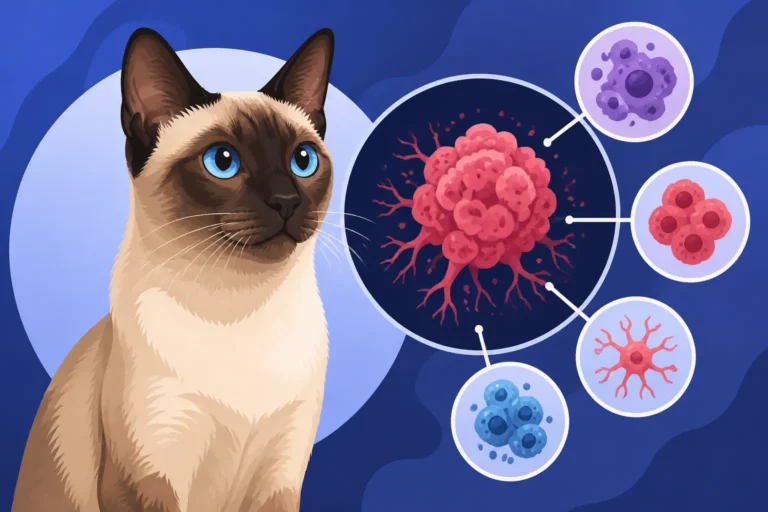
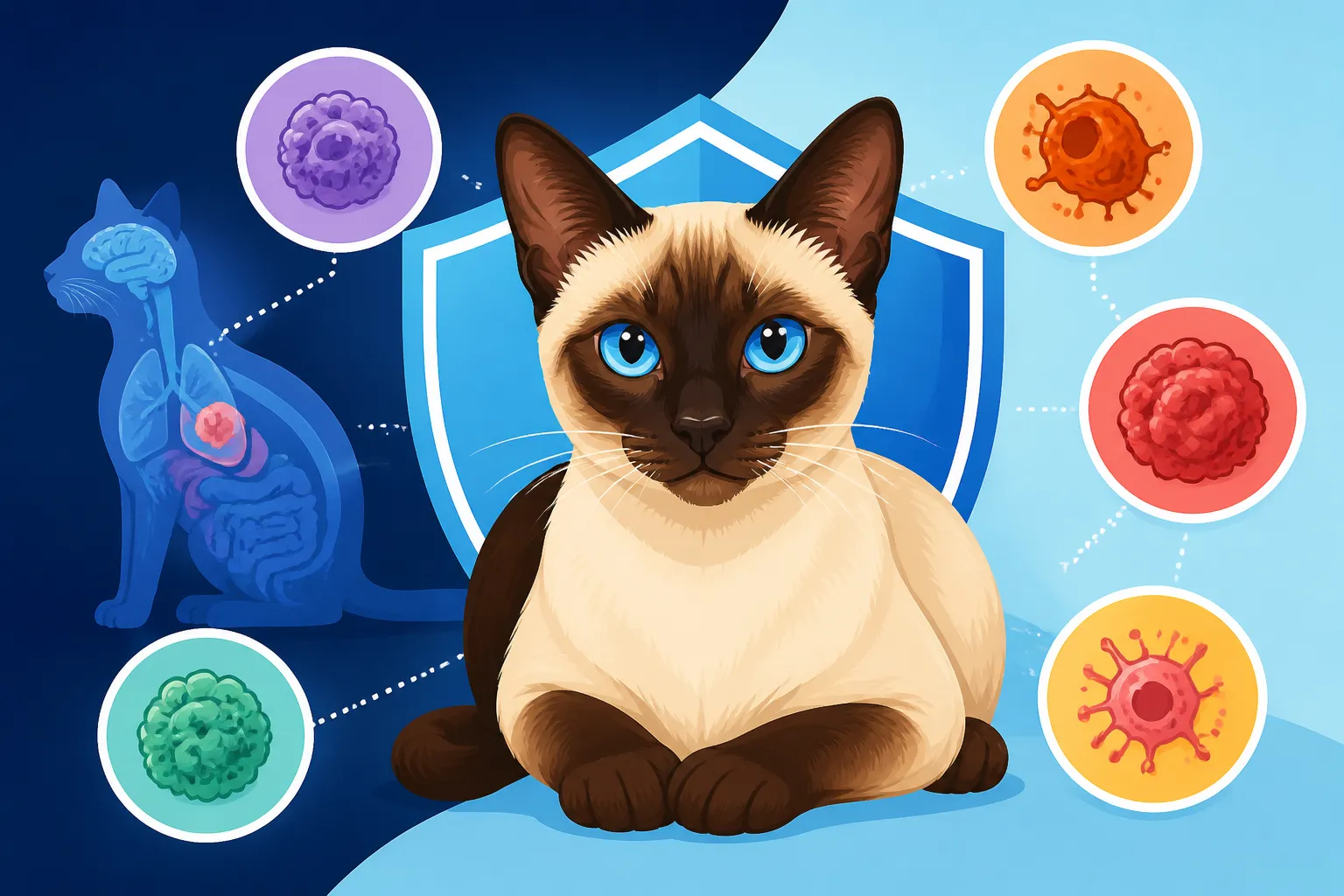
Common types of cancer in cats include lymphomas, carcinomas, sarcomas, and mast cell tumors. Each of these categories represents a different type of cell origin and behavior. For example, lymphomas arise from lymphocytes, a type of white blood cell, while carcinomas originate in epithelial cells, which line organs and form glands. Understanding these basic distinctions can help you better comprehend your vet's explanations should your Siamese cat ever face such a diagnosis. It’s a daunting journey, but knowledge truly is power when it comes to navigating these health challenges.
Specific Predispositions in Siamese Cats
When it comes to specific genetic predispositions for cancers beyond the more commonly discussed ones like mediastinal lymphoma in a young Siamese cat, the research can sometimes feel a little less clear-cut than with some dog breeds. However, general observations among veterinarians and breed enthusiasts do suggest that Siamese cats might show a slightly higher incidence of certain types of cancer. It’s not a guarantee, of course, but rather an indicator to be extra vigilant and perhaps discuss these possibilities with your vet.
For instance, some anecdotal evidence and limited studies suggest a higher rate of certain types of mammary gland tumors in Siamese females, particularly those who are not spayed. This is a common pattern across many feline breeds, but the Siamese is sometimes highlighted. Additionally, some sources indicate that certain oral cancers might be more prevalent, though again, robust, large-scale studies specifically on Siamese cat cancer rates compared to the general feline population can be scarce. This doesn't mean you should panic, but it does mean being aware of any lumps, bumps, or changes in your Siamese's mouth or body is paramount.
Common Cancers Beyond Lymphoma That Affect Siamese Cats
While mediastinal lymphoma is a well-known concern in the breed, it’s crucial for Siamese cat owners to be aware of other potential cancer types that can strike. These can appear at any age, but many become more prevalent as your beloved feline companion enters their senior years. Being informed about these other cancers can equip you to spot potential signs early, which is always the best defense against advanced disease.
Mammary Gland Tumors
Mammary gland tumors are unfortunately one of the most common cancers diagnosed in female cats, and some sources suggest a higher prevalence in Siamese cats specifically, though definitive widespread data comparing breeds is often limited. These tumors develop in the mammary tissue, usually appearing as lumps or swellings near the nipples. The heartbreaking reality is that about 85-90% of mammary tumors in cats are malignant, meaning they are cancerous and have the potential to spread aggressively to other parts of the body.
Early detection is absolutely critical with mammary tumors. If you notice any new lump, no matter how small, on your female Siamese cat's belly, especially along the mammary chain, it needs immediate veterinary attention. These lumps can vary in size and texture, from small, firm nodules to larger, more irregular masses. Prompt surgical removal, often combined with other treatments, offers the best chance for a positive outcome. Spaying female cats early in life dramatically reduces their risk of developing mammary gland tumors, so it's a vital preventative measure that every Siamese cat owner should consider. Even if you have an older, intact female, regular examinations are a must.
Oral Squamous Cell Carcinoma
Oral squamous cell carcinoma (SCC) is a particularly nasty and aggressive cancer that affects the mouth of cats. While it can occur in any breed, Siamese cats, along with other pigment-poor or older cats, are sometimes cited as potentially having a slightly increased risk. This cancer often presents as a growth on the gums, under the tongue, or on the tonsils, and it can be incredibly painful and debilitating for your cat. The location makes it difficult to eat, drink, and groom, leading to rapid deterioration in health.
Signs to watch for include persistent bad breath (halitosis), difficulty eating, drooling (sometimes bloody), weight loss, swelling on one side of the face, or excessive pawing at the mouth. Often, owners might mistake early signs for dental disease in a Siamese cat, which is why a thorough oral examination by a vet is essential. Unfortunately, due to its aggressive nature and tendency to invade surrounding bone, oral SCC often has a poor prognosis. Treatment usually involves surgery, radiation therapy, or chemotherapy, but success depends heavily on early diagnosis before the cancer has spread extensively. Regular dental check-ups can help catch these changes before they become too severe.
Fibrosarcoma
Fibrosarcomas are malignant tumors that originate from connective tissue cells (fibroblasts). In cats, these tumors have gained notoriety due to their association with injection sites, particularly those related to vaccines. While research has led to improved vaccine protocols and locations, fibrosarcomas can still occur spontaneously anywhere on the body, including in Siamese cats. They tend to be aggressive, locally invasive, and can recur even after surgical removal.
These tumors typically present as a firm, rapidly growing lump under the skin. Owners might first notice them during petting or grooming. It's crucial to distinguish between a benign inflammatory reaction to an injection (a granuloma) and a cancerous fibrosarcoma. Vets often follow the "1-2-3 rule" for injection site lumps: if a lump persists for more than 1 month after injection, is larger than 2 cm in diameter, or increases in size 3 months post-injection, it warrants further investigation. This usually involves a biopsy. If diagnosed, aggressive surgical removal, often with wide margins, is the primary treatment, sometimes followed by radiation therapy. This is one of the reasons vets now recommend vaccinating in specific, easily resectable locations, like a lower limb or tail, to allow for complete removal if a tumor does develop.
Mast Cell Tumors
Mast cell tumors are another type of cancer that Siamese cats can be prone to, though they are quite common in all felines. These tumors arise from mast cells, which are part of the immune system and play a role in allergic reactions. In cats, mast cell tumors can appear in two main forms: cutaneous (on the skin) or visceral (affecting internal organs like the spleen or intestines). The behavior of these tumors can be quite variable, from relatively benign to highly aggressive.
Cutaneous mast cell tumors often present as small, raised, firm nodules on the skin, and they can sometimes be itchy or ulcerated. They can appear anywhere on the body. Visceral forms, especially those in the spleen, might cause signs like vomiting, loss of appetite, weight loss, or abdominal discomfort. If a splenic mast cell tumor is diagnosed, surgical removal of the spleen (splenectomy) can often be curative if the disease has not spread. For intestinal mast cell tumors, the prognosis can be more guarded due to their invasive nature. Diagnosis involves aspiration (taking a sample with a needle) or biopsy. For internal tumors, an ultrasound might be used to identify masses. Monitoring any new skin lumps on your Siamese cat, and promptly reporting them to your vet, is key for early intervention.
Diagnosing and Treating Cancer in Siamese Cats
The journey from suspecting cancer to diagnosis and treatment is often a long and emotionally draining one. As pet parents, we want answers and solutions as quickly as possible. The good news is that veterinary medicine has made incredible strides in oncology, offering various diagnostic tools and treatment options that were unthinkable just a few decades ago. It's a collaborative effort between you, your vet, and potentially a veterinary oncologist.
The Diagnostic Process
When your vet suspects cancer, they’ll embark on a diagnostic process that usually involves several steps. It often begins with a thorough physical examination, where they'll feel for lumps, assess organ size, and look for any other irregularities. Blood work, including a complete blood count and biochemistry panel, can reveal systemic changes, although it rarely gives a definitive cancer diagnosis. However, it can flag issues like anemia, elevated liver enzymes, or kidney dysfunction that might be related to cancer or other health problems. For instance, sometimes elevated globulins in a Siamese cat's blood work might raise a flag for certain inflammatory or neoplastic processes, though it's not specific to cancer.
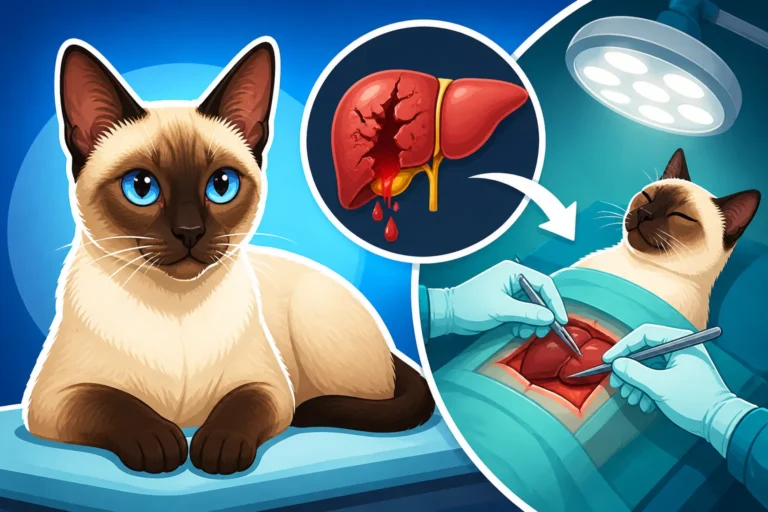
Imaging techniques are often critical. X-rays can help identify masses in the chest or abdomen or changes in bone structure. An ultrasound can provide much more detailed images of soft tissues and internal organs, helping to pinpoint masses, assess their size, and check for metastasis. For example, an ultrasound might reveal that a Siamese cat's liver can rupture without warning due to amyloidosis, but it can also detect tumors in other organs. In some cases, more advanced imaging like CT scans or MRIs might be recommended for better visualization of complex tumors or to plan surgery. Ultimately, a definitive diagnosis usually requires a biopsy – taking a tissue sample for microscopic examination by a veterinary pathologist. This is the only way to confirm the presence of cancer and determine its specific type and grade.
| Cancer Type | Common Signs to Watch For | Typical Diagnostic Methods | Potential Treatment Options |
|---|---|---|---|
| Mammary Gland Tumors | Lumps/masses on belly near nipples, skin changes, discomfort | Physical exam, fine needle aspirate (FNA), biopsy | Surgery (mastectomy), chemotherapy, radiation |
| Oral Squamous Cell Carcinoma | Bad breath, difficulty eating, drooling, facial swelling, pawing at mouth | Oral exam, biopsy, dental X-rays, CT scan | Surgery, radiation, chemotherapy (often palliative) |
| Fibrosarcoma | Firm, fast-growing lump under skin, especially at injection sites | Physical exam, FNA, biopsy, X-rays/CT (for staging) | Aggressive surgery, radiation therapy, chemotherapy |
| Mast Cell Tumors (Cutaneous) | Small, raised, itchy skin nodules, sometimes ulcerated | Physical exam, FNA, biopsy | Surgery, chemotherapy, radiation |
| Mast Cell Tumors (Visceral) | Vomiting, anorexia, weight loss, abdominal pain | Physical exam, ultrasound, FNA, biopsy | Surgery (splenectomy for splenic tumors), chemotherapy |
Treatment Options and Prognosis
Once a diagnosis is confirmed, your veterinary team will discuss treatment options. These are highly dependent on the type of cancer, its stage, the location of the tumor, and your Siamese cat's overall health and age. The goal is always to improve quality of life and, if possible, achieve remission or cure.
Surgery is often the first line of defense, especially for solid tumors like mammary gland tumors or fibrosarcomas. The aim is to remove as much of the cancerous tissue as possible, sometimes along with surrounding healthy tissue to ensure clean margins. For certain internal cancers, like a splenic mast cell tumor, surgical removal of the affected organ can be highly effective. Radiation therapy uses high-energy beams to target and destroy cancer cells. It's often used after surgery to eliminate any remaining microscopic cancer cells or as a primary treatment for tumors that are difficult to remove surgically. Chemotherapy involves using drugs to kill cancer cells throughout the body. It’s often used for systemic cancers like lymphoma, or when cancer has spread to other parts of the body. Don't envision the harrowing side effects often seen in human chemo; feline chemotherapy protocols are generally designed to be much gentler, aiming to maintain a good quality of life.
Beyond these primary treatments, there are supportive care measures, such as pain management, appetite stimulants, and nutritional support, which are crucial for maintaining your Siamese cat's comfort throughout their treatment journey. The prognosis varies dramatically with each type of cancer and individual case. Early detection, however, consistently remains the single most important factor for improving outcomes and providing the best chance for a good quality of life. Thinking about how to care for a Siamese cat past twelve involves being extra vigilant for any changes that might signal the onset of conditions like cancer. Having a robust pet insurance plan, like those offered by Healthy Paws, can significantly ease the financial burden associated with these extensive diagnostic and treatment protocols, allowing you to focus on your cat's care without added stress. Many owners find peace of mind knowing that providers like Healthy Paws are there to help cover the often substantial costs involved with cancer treatment.
Prevention and Early Detection Strategies
While we can't completely prevent cancer in our beloved Siamese cats, there's a lot we can do to minimize risks and ensure we catch any problems as early as possible. This proactive approach is arguably the most powerful tool in a pet parent's arsenal.
The Importance of Regular Veterinary Check-ups
I can't stress this enough: routine veterinary visits are non-negotiable. Even if your Siamese cat seems perfectly healthy and is still doing their signature "meezer yowl" every morning, an annual (or even bi-annual for seniors) check-up is vital. During these visits, your vet performs a thorough physical examination, feeling for any subtle lumps, checking lymph nodes, listening to their heart and lungs, and performing an oral exam. They might catch a tiny nodule or a slight change in gum tissue that you, focused on their captivating blue eyes, might overlook.
These visits also provide an opportunity for crucial conversations about your cat's lifestyle, diet, and any minor changes you've noticed. For older Siamese cats, what a Siamese cat's yearly bloodwork should cover often expands to include more comprehensive panels that can flag early signs of kidney disease, hyperthyroidism, or even some indicators that might prompt further investigation for cancer. Think of these check-ups as your front-line defense; they help establish a baseline for your cat's health, making it easier to spot deviations.
At-Home Vigilance and Lifestyle Choices
Beyond the vet's office, you are your Siamese cat's most important advocate. Get into the habit of performing regular at-home checks. While you're enjoying a snuggle session, run your hands over their body, feeling for any new lumps or bumps. Pay attention to their mouth when they yawn or during playtime – look for any changes in gum color, lesions, or unusual odors. Monitor their appetite, thirst (Why a Siamese cat drinks more with age can signal various issues, including kidney problems or diabetes, but could also be a subtle sign of other systemic illnesses), litter box habits, and energy levels. Is your Siamese cat still playing as much as they used to? Are they hiding more? Subtle behavioral shifts can be crucial clues that something is amiss.
Lifestyle choices also play a role. Spaying your female Siamese cat significantly reduces the risk of mammary tumors and eliminates the risk of ovarian and uterine cancers. While the link isn't as strong, some studies suggest neutering male cats might slightly reduce the risk of certain cancers, though the primary benefits are behavioral and population control. Maintaining a healthy weight for your Siamese cat through appropriate nutrition and regular exercise can help prevent obesity, which is a risk factor for several types of cancer and other health issues. Lastly, providing a low-stress environment and avoiding known carcinogens (like cigarette smoke or certain harsh chemicals) can also contribute to their overall well-being and potentially reduce cancer risk. Early detection and prevention are not just medical terms; they are a lifestyle commitment for every Siamese cat owner, supported by resources like pet insurance from Healthy Paws, which can truly be a lifesaver when unexpected health challenges arise.
Disclaimer
This article is for general informational purposes only and does not constitute professional advice. Laws, prices and regulations vary by location and change over time. Consult a qualified professional for guidance on your specific situation.