What a Siamese Cat Breeder Should Have Screened
Bringing a new Siamese kitten into your home is an incredibly exciting time, full of dreams of playful antics, affectionate purrs, and those famously chatty conversations. But beneath all that excitement lies a common worry for many prospective owners: what if my beautiful new companion inherits a health problem? It’s a completely valid concern, and navigating the world of responsible breeding can feel like a minefield. This comprehensive guide is here to walk you through exactly what a Siamese cat breeder should be screening for, what tests are available, and the crucial questions you need to ask to ensure you’re bringing home the healthiest possible kitten.
Understanding the Landscape of Siamese Cat Health Screening
Before we dive into specific tests, it’s important to understand that not all feline genetic conditions have readily available screening tools. Unlike some dog breeds with extensive DNA panels, the Siamese cat has a more limited, but still vital, set of screenings that responsible breeders utilize. The goal of screening isn't just to prove a cat is healthy today, but to reduce the likelihood of passing on hereditary diseases to future generations, giving you the best chance at a long, healthy life with your new family member.
The Nuances of Genetic Testing in Cats
It’s not a simple one-size-fits-all situation when it comes to genetic testing in cats. Some conditions are caused by a single gene mutation, making them relatively straightforward to test for. Others are polygenic, meaning multiple genes are involved, or have an unknown genetic component, making direct DNA screening impossible. A truly ethical breeder understands these distinctions and can explain them to you. They don't just "test for everything" but rather target known issues within the breed.
Why Screening Protects the Breed's Future
The health of the Siamese breed, like any purebred animal, is a shared responsibility. When breeders diligently screen their breeding stock, they contribute to a stronger, healthier gene pool for generations to come. This proactive approach helps to minimize the prevalence of debilitating diseases, ensuring that the unique characteristics and wonderful temperament of the Siamese cat can be enjoyed without unnecessary suffering or heartbreak for owners. It’s about more than just one kitten; it’s about upholding the integrity and health of the entire lineage.
Genetic Diseases a Responsible Siamese Breeder Can Screen For
While the list isn't exhaustive, there are some critical genetic health conditions that a good Siamese breeder will actively screen their breeding cats for. These are the tests that offer clear results and can significantly reduce the risk of you ending up with a kitten facing severe inherited health challenges.
Progressive Retinal Atrophy PRA
Progressive Retinal Atrophy (PRA) is a degenerative eye disease that ultimately leads to blindness. For Siamese cats, specifically, there's a variant called rdAc-PRA. It’s a heartbreaking condition to witness, as your once-sighted cat slowly loses its ability to see the world around it, typically becoming completely blind by 3-5 years of age. Understanding the genetic underpinnings of this disease is crucial for breeders.
A responsible breeder will use a DNA test to identify carriers and affected cats. There are specific labs that offer a reliable test for this particular mutation. If you're wondering Which lab runs the Siamese Cat PRA test, it's important to ask your breeder directly where they send their samples. Knowing the status of the parent cats means a breeder can make informed decisions about pairings, ensuring that they never breed two carriers together, which would result in affected kittens. This screening is a fundamental step in preventing unnecessary blindness in future generations. You can learn more about What PRA does to a Siamese Cat's sight by checking out our detailed article.
Feline Leukemia Virus (FeLV) and Feline Immunodeficiency Virus (FIV)
While not strictly genetic in the same way PRA is, FeLV and FIV are devastating viral diseases that can be passed from mother to kitten, and they are absolutely critical for any breeder to screen for. These viruses compromise the cat's immune system, leading to a host of secondary infections, cancers, and a significantly shortened lifespan. Testing for these is standard practice in reputable catteries.
A breeder should test all breeding adults for FeLV and FIV, ideally on a regular basis, especially if any cats enter or leave the cattery environment. Kittens should also be tested before going to their new homes, particularly if there was any uncertainty about the mother's status or if they were exposed to other cats. A negative test result provides immense peace of mind, knowing your kitten isn't starting its life with such a severe, untreatable condition. These tests are widely available through most veterinary clinics and are relatively inexpensive compared to the potential costs and heartache associated with caring for an infected cat.
Blood Type Testing
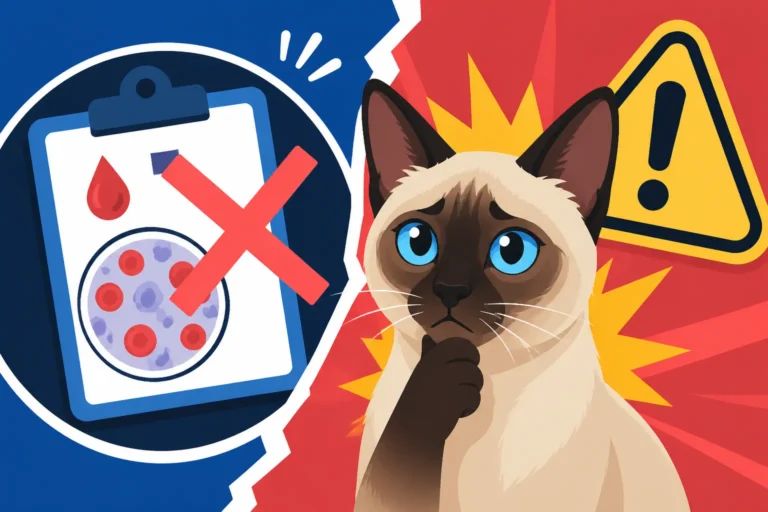
While it might sound less dramatic than PRA or FeLV, knowing the blood type of breeding cats is incredibly important to prevent a potentially fatal condition in kittens called Neonatal Isoerythrolysis (NI). This occurs when a queen (mother cat) with blood type B mates with a tom (father cat) with blood type A, and the kittens inherit type A blood. The queen’s milk contains antibodies against type A blood, which, when ingested by the kittens, destroys their red blood cells.
This condition is often fatal to affected kittens within the first few days of life, and it can be entirely prevented by simply knowing the parents' blood types. A responsible breeder will test all their breeding cats to determine their blood type (A, B, or AB) and plan pairings accordingly. By avoiding certain combinations, they can ensure that kittens don't suffer from this preventable, tragic outcome. This proactive screening is a hallmark of truly thoughtful and ethical breeding practices, aiming to give every kitten the best possible start.
Diseases Siamese Breeders Cannot Directly Screen For (But Should Be Aware Of)
This is where things get a bit more challenging and often frustrating for both breeders and owners. Some of the most significant health concerns in Siamese cats do not yet have direct genetic tests. However, this doesn't mean a good breeder ignores them. Instead, they rely on diligent record-keeping, veterinary observation, and understanding family history to mitigate risks.
Amyloidosis
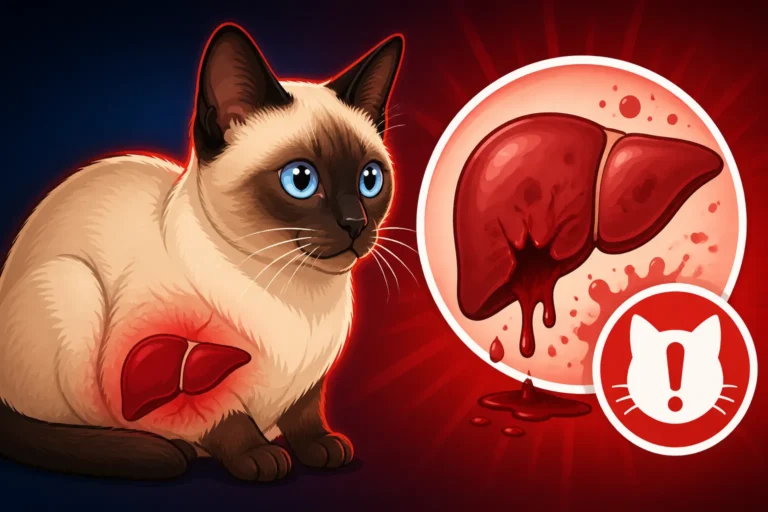
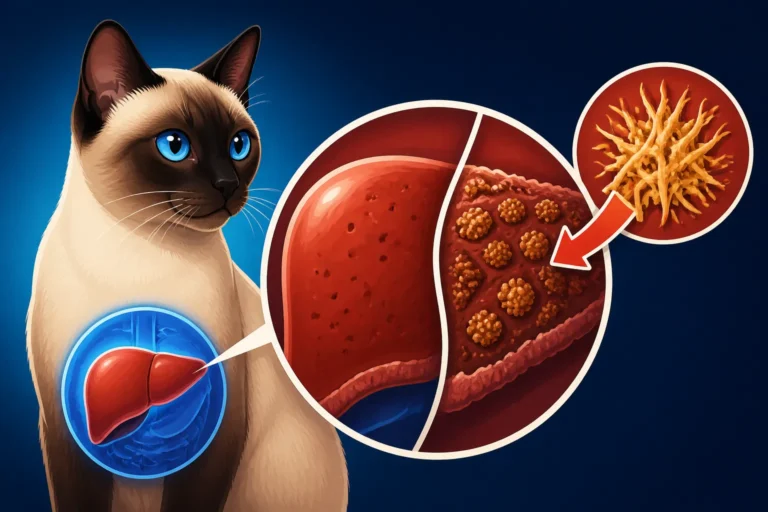
Amyloidosis is perhaps the most notorious inherited disease in Siamese cats, often leading to liver or kidney failure, and tragically, a ruptured liver in many cases. It’s a condition where an abnormal protein (amyloid) deposits in various organs, disrupting their function. The frustrating part? Why there is no Siamese Cat Amyloidosis gene test is a question many researchers are trying to answer, but for now, no direct DNA test exists. This means breeders cannot simply run a test to see if their cats are carriers or destined to develop the disease.
Despite the lack of a direct genetic test, a responsible breeder will be intimately familiar with their lines and the prevalence of amyloidosis within them. They should be transparent about any instances of amyloidosis in their cats' pedigrees, and ideally, they would avoid breeding from lines where the disease is known to be common. Understanding Why Siamese Cat Amyloidosis is inherited through anecdotal family history is the best tool breeders currently have. While it's impossible to guarantee a kitten will never develop the condition, a breeder who tracks family deaths and health outcomes for generations is demonstrating a commitment to reducing its incidence. Pet insurance, like that offered by Healthy Paws, can be a crucial safety net for these unexpected and severe health issues.
Asthma Susceptibility
Siamese cats are known to be one of the breeds predisposed to feline asthma, a chronic inflammatory condition of the airways. While some cases of asthma can be managed with medication, it can be a distressing condition for both the cat and its owner, characterized by coughing, wheezing, and difficulty breathing. You might notice your cat Asthma symptoms in a Siamese Cat, which often mimic hairball issues but are more persistent and severe.
There isn't a genetic test to predict which kittens will develop asthma. However, a breeder who consistently observes asthma in their lines might make different breeding choices. They should also provide a clean, dust-free environment for their kittens and queens, as environmental irritants can trigger or worsen asthma. When discussing your kitten's background, asking about respiratory issues in the parent cats or their littermates can give you some insight, even without a direct genetic test.
Dental Disease Predisposition
While all cats can suffer from dental disease, Siamese cats, especially those with the more extreme "wedge" head type, can sometimes be prone to specific issues, including early onset periodontal disease and tooth resorption. The structure of their jaws and alignment of their teeth can sometimes contribute to these problems. Why a Siamese Cat loses teeth young is a concern for many owners, and while diet and dental hygiene play a large role, there can be a genetic component.
Again, there's no specific gene test for dental predisposition. However, a breeder should be regularly checking the dental health of their breeding cats and taking them for professional dental cleanings as needed. They should also be educating prospective owners about the importance of early dental care, including tooth brushing and appropriate diets. Observing the parents' dental health and asking about their history of extractions or dental issues can provide valuable information about the potential predispositions your kitten might inherit. Our article on Dental Disease in a Siamese Cat delves deeper into this common issue.
General Health Practices a Responsible Breeder Follows
Beyond specific genetic screenings, a truly responsible breeder demonstrates their commitment to health through their overall husbandry and ethical practices. These everyday actions create a foundation for healthy, well-adjusted kittens.
Regular Veterinary Care and Health Records
A cornerstone of responsible breeding is consistent, thorough veterinary care for all breeding adults and kittens. This isn't just about emergency visits; it's about routine check-ups, vaccinations, and preventative parasite control. A breeder should be able to provide comprehensive health records for both the queen and the kittens, including dates of vaccinations, deworming, and any veterinary examinations.
These records act as a transparent ledger of the cat's health history. They show that the breeder is proactive, not just reactive, in managing their cats' well-being. A detailed health record for the queen, especially, provides insight into her overall health during pregnancy and lactation, which directly impacts the kittens' early development. This commitment to ongoing vet care is a strong indicator of a breeder's dedication.
Clean and Stimulating Environment
The environment in which kittens are raised plays a huge role in their physical and mental development. A responsible breeder maintains an impeccably clean, safe, and stimulating environment. This means regular cleaning of litter boxes, food and water bowls, and bedding to prevent the spread of parasites and infections. It also means providing ample space for play, exploration, and socialization.
Kittens raised in sterile, isolated, or unsanitary conditions are more likely to develop health problems, behavioral issues, or weakened immune systems. A stimulating environment, on the other hand, helps kittens develop their motor skills, confidence, and social graces, preparing them for a smooth transition to their new homes. This attention to detail reflects a breeder's holistic approach to health, understanding that a clean, enriching home directly contributes to robust kittens.
Appropriate Nutrition for Queen and Kittens
Nutrition is fundamental to health, especially for pregnant queens and growing kittens. A responsible breeder will feed high-quality, species-appropriate food to all their cats, tailored to their life stage and activity level. For a pregnant or nursing queen, this means a diet that supports her health and provides essential nutrients for her developing kittens. For kittens, a growth-formula diet is crucial for healthy bone, muscle, and organ development.
Poor nutrition can lead to a host of problems, from stunted growth and weakened immune systems in kittens to depleted health in the queen. A good breeder will be knowledgeable about feline nutrition, able to explain their feeding regimen, and provide recommendations for your kitten's diet once it goes home. They understand that a strong nutritional foundation is vital for supporting a healthy The fifteen to twenty years a Siamese Cat gets, a typical lifespan for the breed.
Understanding Pedigrees and Health Records
When you're serious about finding a healthy Siamese kitten, it’s not just about the cute little face in front of you. You need to delve into the family history, which is where pedigrees and health records become invaluable tools.
Deciphering the Pedigree
A pedigree is essentially a family tree for your kitten, tracing its lineage back several generations. A reputable breeder will provide a copy of the kitten’s pedigree. This document isn't just for show; it's a vital piece of the health puzzle. By examining the pedigree, you can look for patterns of longevity, and critically, note any recurring health issues that might appear in the lines. If a breeder is truly transparent, they will be upfront about any potential concerns in the lineage.
You're looking for breeders who are open about the health of the ancestors, not just the immediate parents. While it's impossible to predict every single outcome, a long line of healthy, long-lived cats in a pedigree is a good sign. It shows that the breeder has been thoughtfully selecting breeding partners over time. Pay attention to the registered names, as these often allow for further research if you're inclined to dig deeper into specific catteries or individual cats.
Tracking Longevity and Causes of Death
Since some serious Siamese health issues, like amyloidosis, don't have direct genetic tests, tracking causes of death and longevity in the pedigree becomes paramount. A truly dedicated breeder keeps meticulous records, often reaching out to previous kitten buyers to understand the health trajectories of their cats throughout their lives. They know that this information is gold for making informed breeding decisions.
Ask the breeder about the average lifespan of their cats and the common causes of death in their lines. This isn't morbid; it's responsible. If they can tell you, for example, that cats in a particular line tend to live to 15+ years with no major inherited health problems, that's a positive indicator. Conversely, if there's a history of early deaths due to conditions like liver rupture or kidney failure, especially in related cats, it's a red flag that merits further discussion. This kind of transparency about potential vulnerabilities is a sign of an ethical breeder. Learning What most Siamese Cats die of in general can also help you understand these conversations.
Health Clearances and Certifications
Beyond pedigrees, a breeder should be able to provide actual health clearances or certifications for their breeding animals. For conditions with direct tests, like PRA, this means documentation from a veterinary lab. For issues that are assessed by veterinary specialists, such as cardiac health (though less common for Siamese than some other breeds), they might have certifications from organizations like the Orthopedic Foundation for Animals (OFA) or similar registries.
These clearances prove that the breeding cats have undergone the recommended health screenings and have passed them. Always ask to see the physical documentation, rather than just taking the breeder's word for it. A breeder who is proud of their health testing will be eager to share these results with you. This level of verification gives you concrete evidence that the breeder is actively working to produce healthy kittens and not just hoping for the best.
Crucial Questions to Ask Your Potential Breeder
When you're ready to speak with a breeder, remember that you’re interviewing them as much as they are interviewing you. Don't be shy about asking direct, probing questions about their health screening practices. A good breeder will welcome your inquiries and be prepared with honest, thorough answers.
Specific Health Testing Protocols
This is your chance to get into the nitty-gritty. Ask explicitly: "What specific health tests do you perform on your breeding cats for PRA, FeLV, and FIV?" A confident breeder will be able to list these tests, explain why they're important, and show you the results for the parents of your prospective kitten. Don't accept vague answers. If they hem and haw or say they "don't believe in" certain tests, that's a significant warning sign.
Also, inquire about blood typing and if they test for it. Ask about their protocols for parasites and routine veterinary care for all their cats. A breeder who can articulate a clear, consistent health testing protocol demonstrates professionalism and a deep understanding of their responsibilities to the breed and to their kitten buyers. This is a foundational question that sets the tone for the rest of your interaction.
Health Guarantees and Contracts
A responsible breeder will almost always offer a written health guarantee with their kittens. This guarantee typically covers genetic health issues for a certain period, usually the first year or two of life, and ensures the kitten is free of infectious diseases at the time of sale. It should outline the breeder’s responsibility if a serious genetic health issue arises, such as offering a replacement kitten or a refund.
Make sure you read the contract carefully and understand all its terms before committing. What are the conditions for the guarantee? Do you need to return the cat? Does it cover the cost of veterinary treatment? A clear and fair health guarantee shows the breeder stands behind the health of their kittens and provides you with some recourse should an unforeseen issue arise. It’s an essential part of the ethical breeder-buyer relationship, offering peace of mind to both parties. You might find that a comprehensive pet insurance plan, such as those from Healthy Paws, offers another layer of financial protection for unexpected issues not covered by a breeder's guarantee.
Post-Purchase Support and Resources
A good breeder’s responsibility doesn’t end the moment you take your kitten home. They should be a lifelong resource for you, offering support and advice on everything from diet and behavior to health concerns. Ask them what kind of support they provide after the sale. Are they available by phone or email for questions? Do they have a network of other owners or vets they can recommend?
This ongoing support is invaluable, especially for first-time Siamese owners. Their experience with the breed means they can offer insights and guidance that you won’t find elsewhere. A breeder who cares about their kittens will want to know how they’re doing and be there to help you navigate any challenges. This commitment to their kittens’ welfare, long after they leave the cattery, is a strong indicator of a truly dedicated and ethical breeder. This kind of breeder understands the depth of the commitment involved in owning a Siamese cat, which is why they also usually talk about Caring for a Siamese Cat past twelve, ensuring you're prepared for their long life.
Why Breeder Screening Matters for Your Kitten's Future
Choosing a kitten from a screened lineage isn’t just about avoiding immediate heartache; it’s an investment in the long-term health, happiness, and financial stability of your household. The implications of thorough breeder screening ripple through every aspect of your life with your Siamese.
Mitigating the Risk of Costly and Debilitating Diseases
No one wants to bring home a kitten only to discover it has a severe genetic illness that will require extensive, expensive, and often heartbreaking veterinary care. Conditions like PRA, FeLV, FIV, and inherited predispositions to issues like severe dental disease or even amyloidosis can lead to significant financial burdens, easily racking up thousands of dollars in vet bills over time. Even with robust pet insurance, like a policy from Healthy Paws, pre-existing or inherited conditions can sometimes complicate coverage, making prevention through screening the best approach.
By choosing a breeder who meticulously screens their cats, you significantly reduce the risk of facing these scenarios. While no breeder can guarantee a cat will never get sick (cats are living beings, after all!), they can drastically reduce the chances of inheritable diseases that are within their control. This proactive step saves you from potential financial strain and the emotional toll of watching your beloved pet suffer.
Ensuring a Longer, Healthier Lifespan
The goal for any pet owner is to enjoy as many happy, healthy years as possible with their companion. Siamese cats generally have a good lifespan, often living The fifteen to twenty years a Siamese Cat gets. However, genetic conditions can severely truncate this, leading to premature death or a reduced quality of life. A kitten free from known hereditary diseases has a much better chance of reaching its full lifespan potential.
When breeders screen, they are actively working to preserve the health and longevity of the breed. This means your kitten is more likely to grow into a robust adult and gracefully age into a healthy senior. It's about giving your Siamese the best possible foundation for a long, vibrant life, full of purrs, chatter, and companionship, rather than being constantly plagued by illness.
Emotional Well-being for Both Cat and Owner
The emotional impact of a sick pet on an owner is profound. Watching your beloved cat suffer from a chronic or debilitating illness, especially one that could have been prevented, can be incredibly distressing. It can lead to guilt, anxiety, and deep sadness. Similarly, the cat itself experiences discomfort, pain, and stress from ongoing medical treatments and the progression of disease.
By opting for a kitten from a thoroughly screened line, you are investing in emotional peace of mind. You’re reducing the likelihood of enduring endless vet visits, difficult decisions, and the heartbreak of early loss. A healthy cat is a happy cat, and a healthy cat directly translates to a happier, less stressed owner, fostering a stronger bond built on joy rather than medical concerns. It allows you to focus on the playful, affectionate nature of the Siamese, rather than constant worry.
The Role of Your Initial Veterinary Exam in Early Detection
Even with the most diligent breeder, your kitten's first veterinary exam upon arriving home is a critical step. This isn't just a formality; it's a vital part of ensuring your kitten's health and establishing care with your chosen veterinarian.
What Your Vet Will Look For
During the initial examination, your veterinarian will conduct a comprehensive physical assessment, checking everything from nose to tail. They’ll listen to your kitten's heart and lungs, palpate its abdomen, check its eyes, ears, and teeth, and assess its overall body condition and gait. They'll be looking for any congenital defects that might not have been apparent to the breeder, or any signs of illness or parasites that may have developed during the transition.
Your vet will also review the health records provided by the breeder, confirm vaccination status, and plan for any necessary follow-up vaccinations or deworming. This first visit is your opportunity to ask any questions you have about your kitten's health, diet, or behavior. It’s a crucial baseline check to ensure your kitten is thriving and to identify any potential concerns early on.
Discussing Breeder Screening Results
Bring all the health screening documentation provided by your breeder to this first vet appointment. Your vet can review these results, ensuring they are complete and reassuring. If there are any ambiguous results or concerns, your vet can help you understand them and discuss what, if any, further steps might be advisable.
This is also a chance to discuss the specific health predispositions of the Siamese breed with your vet. They can offer advice on preventative care, diet, and lifestyle choices that can help mitigate risks for conditions like dental disease or asthma. Having a knowledgeable veterinarian review your breeder's diligence provides an extra layer of confidence and helps you build a comprehensive health plan for your new feline companion.
Follow-Up Vaccinations and Preventative Care
The initial vet visit often kicks off a series of follow-up vaccinations, especially if your kitten is still very young. These are essential for protecting your kitten against common feline diseases. Your vet will create a vaccination schedule tailored to your kitten's age and local disease prevalence. Beyond vaccinations, they'll discuss ongoing preventative care, such as regular deworming, flea and tick prevention, and the importance of a balanced diet.
This early preventative care is crucial for establishing a strong immune system and healthy habits that will last a lifetime. Working closely with your vet from the very beginning ensures that your Siamese cat receives the best possible start and continues to thrive throughout its life. It's about proactive care, catching any potential issues before they become major problems, and building a partnership with your veterinary team.
Supporting Ethical Breeding and Considering Rescue
The conversation about breeder screening isn't just about what they should do; it's also about empowering you as a prospective owner to make responsible choices. Supporting ethical breeders or considering rescue options are two powerful ways to promote feline health and welfare.
Recognizing a Reputable Breeder
A reputable Siamese breeder is transparent, knowledgeable, and genuinely passionate about the health and welfare of their cats. They will:
- Be willing to show you their cattery environment (or at least provide videos/photos if in-person visits aren't feasible for biosecurity reasons).
- Provide clear, documented health screening results for breeding cats.
- Offer a written health guarantee and a comprehensive contract.
- Ask you as many questions as you ask them, demonstrating their care in placing kittens in good homes.
- Be knowledgeable about the breed's health history, temperament, and genetic predispositions.
- Be recognized by relevant cat fancy associations (e.g., CFA, TICA) and adhere to their ethical guidelines.
- Never sell kittens before they are at least 12-14 weeks old, ensuring they are properly socialized and weaned.
- Provide ongoing support and advice.
Avoiding breeders who cut corners on health screening, sell kittens too young, or seem evasive about their practices is crucial. These are often indicators of backyard breeders or kitten mills, whose primary focus is profit, not health. Understanding Which health tests a Siamese Cat breeder runs and verifying the results is key.
The Value of Siamese Cat Rescue
While ethical breeders play a vital role, don't overlook the incredible option of adopting a Siamese cat from a rescue organization. Many wonderful Siamese cats, and Siamese mixes, end up in shelters or breed-specific rescues through no fault of their own. These cats often come with the added benefit of being older, meaning some potential genetic issues (like the onset of PRA) may have already manifested or been ruled out.
Rescue organizations often provide comprehensive veterinary care, including spaying/neutering, vaccinations, microchipping, and initial health screenings for FeLV/FIV, before adoption. They also often have foster parents who can provide insights into the cat's temperament and any known health history. While their full genetic lineage might not be known, the immediate health assessment is often very thorough. Adopting a rescue Siamese is a hugely rewarding experience, offering a loving home to a cat in need and potentially saving you from the uncertainties of kittenhood. Our article Why so many Siamese Cats end up in rescue explores the reasons behind this.
Long-Term Commitment to Health and Care
Ultimately, whether you choose a kitten from a screened breeder or adopt a rescue, your commitment to your Siamese cat’s health is paramount. This means providing high-quality nutrition, regular veterinary check-ups (including annual bloodwork for older cats, as detailed in What a Siamese Cat's yearly bloodwork should cover), a stimulating environment, and plenty of love. Even the healthiest cat can develop health issues, and being prepared for potential medical costs is part of responsible pet ownership. This is where a robust pet insurance policy can really shine, helping to cover unexpected emergencies or ongoing treatments.
The knowledge gained from understanding breeder screening practices equips you to make the best possible decision for your future feline companion, setting the stage for a long, happy, and healthy life together.
Disclaimer
This article is intended for informational purposes only and is not a substitute for professional veterinary advice. Always consult with a qualified veterinarian regarding your Siamese cat's health and specific medical conditions.