Whether a Siamese Cat Uses a Cat Wheel
As a Siamese cat owner, you know the struggle: your beautiful, chatty companion has endless energy that seems to defy the laws of physics. You watch them tear through the house, climb the curtains, and loudly demand attention, leaving you wondering how on earth to keep them adequately stimulated and active indoors. This guide dives deep into whether a cat wheel might be the answer to your Siamese's boundless zest for life, exploring their needs, how wheels work, and what it truly takes to get your Meezer moving on one.
The High-Octane Reality of Siamese Cats: Why They Need More Than the Average Playtime
Anyone who shares their home with a Siamese cat will tell you that these aren't your average couch potatoes. They are a breed bursting with personality, intelligence, and an almost relentless need for interaction and activity. This isn't just about being "playful"; it's a fundamental part of their genetic makeup and well-being.
More Than Just Playful: The Siamese Drive for Activity
Siamese cats are renowned for their incredible intelligence and athleticism. They aren't content to simply nap in sunbeams all day; their minds and bodies crave a challenge. This intense drive for activity stems from their origins and breed characteristics – they are highly curious, observant, and have an almost dog-like desire to engage with their humans. If they don't get enough physical and mental stimulation, this energy can manifest in ways we owners often find frustrating or even destructive. I've seen countless Siamese cats turn to counter-surfing, knocking objects off shelves, or even becoming overly vocal and demanding, not out of spite, but out of sheer, unspent energy. They learn quickly, sometimes too quickly, how to open cupboards or find hidden stashes of treats. Providing a robust outlet for this energy isn't just a luxury; it's a necessity for their happiness and your sanity. Enrichment for a Siamese Cat That Gets Bored in an Hour is paramount for these brilliant felines.
The Indoor Challenge: Keeping a Dynamo Entertained
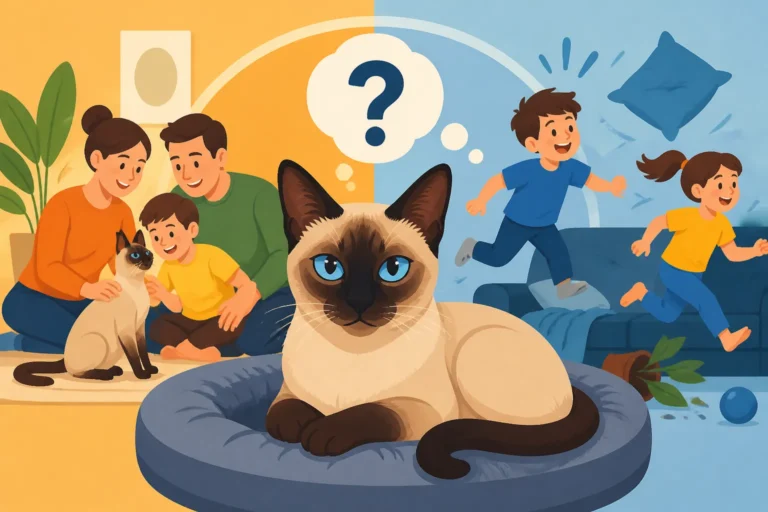
For most of us, our beloved Siamese cats live exclusively indoors, which is generally safer for them and local wildlife. However, this safety comes with a challenge: replicating the vast, stimulating environment of the outdoors within the confines of a home. A domestic setting, no matter how large, can quickly become predictable and boring for a cat that naturally thrives on exploration and hunting. A standard cat tree and a few toys, while appreciated, often aren't enough to satisfy the profound exercise requirements of a Siamese. You might find yourself constantly throwing toys, engaging in wand play sessions that leave you exhausted, or listening to insistent yowls that tell you, quite clearly, "I'm bored, human!" It's a common frustration, trying to keep up with their demands for engagement, and it's why many owners start looking for more intensive enrichment solutions. How Well a Siamese Cat Lives Indoors Only depends heavily on how much we can provide for their natural instincts.
Exploring the Cat Wheel Solution: Is It a Good Fit for Your Meezer?
When you’re looking for ways to satisfy your Siamese cat's need for activity, a cat wheel often comes up as a potential game-changer. It's an intriguing concept: essentially, a giant hamster wheel for cats. But what exactly are they, and do they actually work for the discerning Siamese?
Anatomy of a Cat Wheel
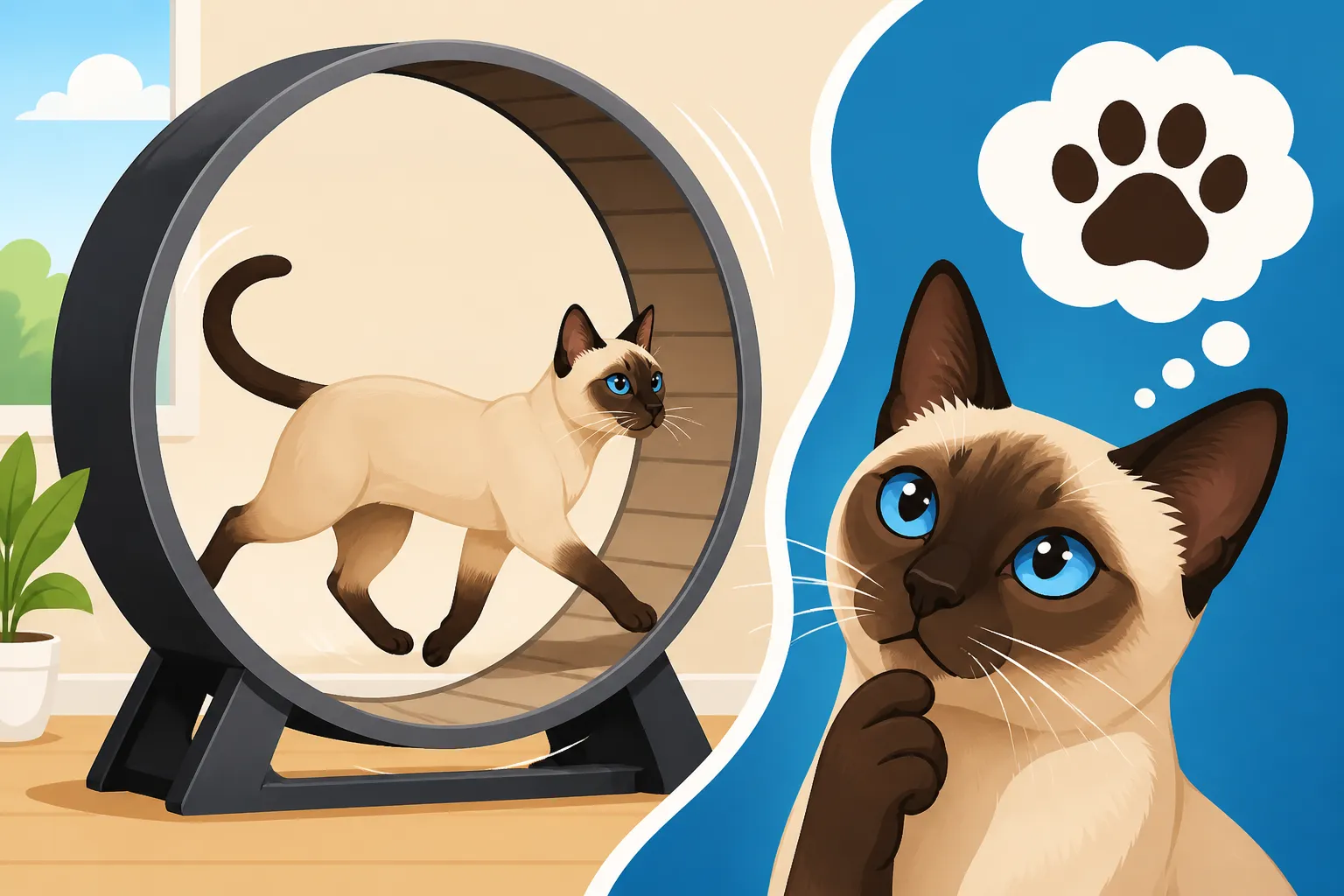
A cat wheel is, at its core, a large, free-standing wheel designed for cats to run inside. Think of it like a treadmill but powered by your cat's own momentum. They come in various sizes, typically large enough to accommodate an adult cat comfortably while running at full stride. The wheel itself is usually open on one side, allowing your cat to enter and exit freely, and it's mounted on a stable base with bearings that allow for smooth, quiet rotation.
Materials vary widely, from sturdy wood and sleek plastic to lightweight, durable composites. The running surface inside the wheel is often covered with a soft, grippy material like carpet, EVA foam, or felt, providing traction and comfort for your cat's paws. These surfaces are usually replaceable, which is a big plus for hygiene and wear-and-tear. You can find a huge variety of designs and materials by browsing online marketplaces like Amazon, each offering different aesthetic and functional qualities. The key is that they're built to withstand sustained running from an energetic feline.
The Benefits a Cat Wheel Could Offer Your Siamese
For a breed as active as the Siamese, the potential benefits of a cat wheel are pretty exciting. The most obvious is physical exercise. A cat wheel allows your Siamese to run at their own pace, expending energy in a controlled and safe environment. This can be especially valuable if your cat tends to gain weight easily, or if you live in a smaller space where extended chase-and-pounce games are limited. Regular exercise can contribute to better cardiovascular health and help maintain a healthy weight, which is always a good thing.
Beyond just burning calories, cat wheels can offer significant mental stimulation. The act of running on a wheel requires focus and coordination, engaging their minds as much as their bodies. It can be a fantastic outlet for pent-up energy, potentially reducing unwanted behaviors born out of boredom or frustration, such as excessive vocalization, destructive scratching, or midnight zoomies that leave you wide awake. Imagine your Siamese expending that manic energy on the wheel instead of redecorating your shelves with their tail! While it’s not a magic bullet, it could provide a consistent, self-directed form of enrichment that many indoor cats desperately need.
Encouraging Your Siamese to Embrace the Wheel: Tips for Success
So, you're convinced a cat wheel might be a good idea for your energetic Siamese. That's fantastic! But just buying one doesn't guarantee your cat will become the next Olympic sprinter. It often takes a bit of strategy, patience, and understanding your Siamese's unique personality.
High Propensity for Adoption, But No Guarantee
Siamese cats, with their intelligent and curious natures, are generally considered excellent candidates for cat wheels. They tend to be more receptive to novel objects and new forms of play compared to some other, more laid-back breeds. Many Siamese owners report their cats taking to the wheel with gusto, sometimes even within minutes of its setup. Their inherent drive to "do something" makes them more likely to explore and eventually master the wheel.
However, it's crucial to understand that every cat is an individual. While the propensity is high, there's never a 100% guarantee. Some Siamese will be instantly captivated, while others might view it with suspicion for weeks, or even entirely ignore it. Don't be disheartened if your cat doesn't immediately jump on and start running marathons. It's a new experience, and cats often need time to investigate and feel comfortable with anything new in their territory. Your cat's personality, past experiences, and even their mood on any given day can all play a role in their initial reaction.
The Art of Positive Reinforcement and Play
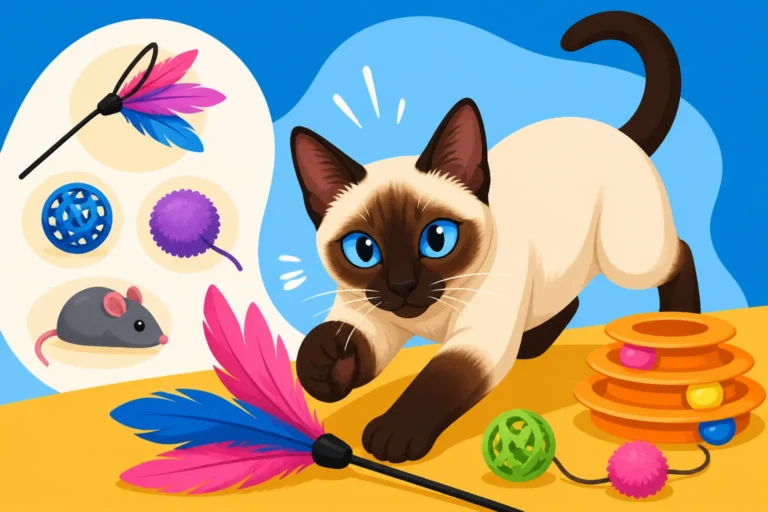
The key to getting your Siamese to use the wheel consistently is to make it a positive, fun, and rewarding experience. Forcing them or scaring them onto the wheel will only create a negative association. Start by placing treats on the wheel, encouraging them to step onto it to retrieve the snack. Once they're comfortable walking on it for treats, introduce a wand toy or a laser pointer. Which Toys a Siamese Cat Actually Plays With are often very effective for this. Guide the laser dot or the toy along the inner track of the wheel, enticing your cat to walk, then trot, and eventually run after it.
Keep these training sessions short and frequent – a few minutes multiple times a day is far more effective than one long, frustrating session. End on a high note, even if it's just a few steps, and offer praise and a special treat. The goal is to build their confidence and associate the wheel with enjoyment and rewards. Consistency really is your best friend here. If you're looking for new and exciting wand toys or laser pointers, Amazon offers a vast selection that can help keep your training fresh and engaging.
Patience and Persistence: What to Expect
Let's be realistic: very few cats become instant wheel-running champions. It's a journey, and patience is absolutely essential. Your Siamese might initially only walk a few steps, or simply bat at the toy from the side. Don't push them too hard. Some cats might take days, or even weeks, to truly understand the concept and feel secure enough to run. There will likely be moments where you feel like giving up, wondering if the investment was worth it.
Celebrate every small victory. Did they take two more steps today than yesterday? Great! Did they just sit on it looking regal for a minute? Also great! The key is to make it a discovery process for them. Some cats might only ever use it for a leisurely stroll, while others might become speed demons, truly embracing the full running potential. And honestly, some cats, despite all your best efforts, might simply never be interested. That's okay too. It's about providing the opportunity, not forcing an outcome. The journey of encouraging them is part of the bonding process, and even if they don't use it as much as you hoped, the effort you put into enriching their lives counts.
Making the Commitment: What to Consider Before Buying a Cat Wheel for Your Siamese
Before you dive headfirst into purchasing a cat wheel, there are a few practical considerations that every Siamese owner should weigh. These intelligent, discerning felines might be perfect candidates, but the practicalities of ownership are significant.
The Price Tag and What It Reflects
Let's not sugarcoat it: cat wheels are a significant financial investment. Unlike a simple scratching post or a basic feeder, these are large, specialty items. The cost reflects the engineering required for a smooth, safe, and durable running surface, the quality of the materials, and the stability of the overall structure. You'll find a wide range of prices, with entry-level models still representing a substantial outlay, and premium, custom-built wooden wheels costing considerably more.
It's tempting to opt for the cheapest option, but remember, this is an item your energetic Siamese will ideally be using frequently and with force. Investing in a well-built, stable wheel made from quality materials can mean the difference between a durable piece of enrichment equipment and a wobbly, noisy contraption that quickly breaks down or frightens your cat. Think of it as investing in their long-term health and happiness. While I can't give specific figures, just know that you'll need to budget carefully. You can explore different models and their features on sites like Amazon to get a sense of the variety and quality available. What a Cat Tree for a Siamese Cat Costs gives you an idea of other large cat furniture investments.
Space Requirements for a Large Accessory
Another crucial factor is space. Cat wheels are not small. They require a dedicated footprint, usually around 4-5 feet in diameter, and need clearance around them to operate safely and prevent your cat from getting startled or trapped. This means you can't just tuck it into a corner or slide it under a table when not in use. It becomes a prominent piece of furniture in your home.
Before purchasing, measure your available space carefully. Consider where it will live permanently. Will it fit in your living room without becoming an obstacle? Is there a quiet-enough spot that your cat can still access easily, but that won't disrupt your daily flow? For those living in smaller apartments or homes, finding adequate space can be the biggest hurdle. You'll also want to place it somewhere that your Siamese feels safe and encouraged to use it, ideally not in a dark, secluded area, but somewhere they feel part of the household activity.
A Comparative Look at Cat Wheels for Siamese Cats
| Feature | Cat Wheel | Traditional Cat Tree / Scratcher | Interactive Toys (Wand, Laser) |
|---|---|---|---|
| Primary Benefit | Sustained high-intensity aerobic exercise | Vertical space, scratching, lounging | Engages hunting instinct, human interaction |
| Space Required | Significant (approx. 4-5 ft diameter) | Variable (small to large, vertical emphasis) | Minimal, but needs space for active play |
| Cost Investment | High | Moderate to High | Low to Moderate |
| Human Involvement | Low (once trained, self-directed) | Low (can be self-directed) | High (requires active participation) |
| Mental Stimulation | Moderate (coordination, novelty) | Moderate (exploration, territory marking) | High (mimics prey, problem-solving) |
| Exercise Level | Very High (cardio) | Low to Moderate (climbing, stretching) | High (bursts of speed, agility) |
| Longevity/Durability | High (if well-made) | Variable (depends on quality and cat's use) | Variable (can be destroyed quickly) |
| Ideal for Siamese? | Excellent for burning energy, highly engaging | Essential for climbing and observation | Crucial for daily interaction and bonding |
Disclaimer
This article is for general informational purposes only and does not constitute professional advice. Laws, prices and regulations vary by location and change over time. Consult a qualified professional for guidance on your specific situation.