Whether a Siamese Cat Wakes a Baby
Bringing a new baby home is an incredible, life-changing event, but it also brings a host of anxieties – especially when you already share your home with a vocal and energetic Siamese cat. Many new parents lie awake at night, picturing their beloved Meezer letting out one of their signature yowls right as the baby finally drifts off, or launching into a frantic zoomie session next to the bassinet. This guide aims to tackle that very real fear, offering practical advice and reassurance on how to help your Siamese cat adjust to a baby's presence without constantly disrupting precious sleep.
The Siamese Cat's Vocal Nature and Your Baby's Sleep
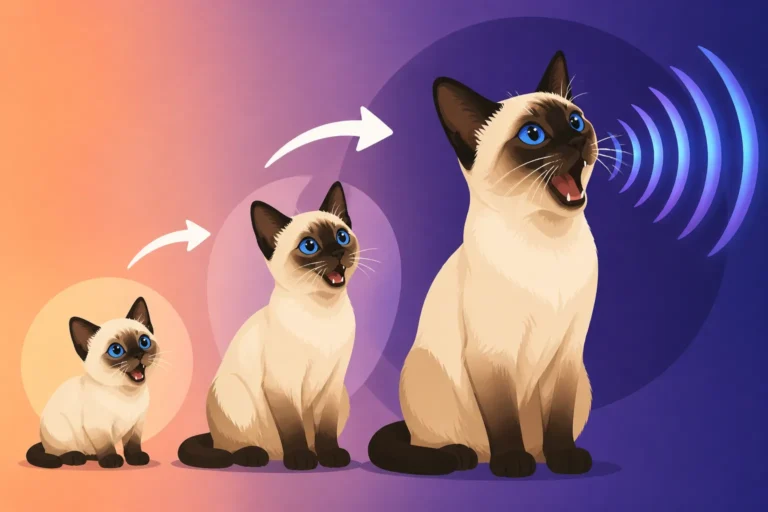
Let's be honest, Siamese cats are known for their voices. They aren't called "Meezers" for nothing! Their repertoire ranges from conversational chirps and trills to insistent meows and, yes, that famous, piercing yowl. When you're dealing with a newborn who needs every minute of sleep they can get, this characteristic can feel like a ticking time bomb.
Understanding the Siamese Cat's Communication Style
Siamese cats are incredibly social creatures. They thrive on interaction and consider themselves a full-fledged member of your family, often acting like little canine companions. Because they are so people-oriented, they’ve developed a sophisticated way of communicating their needs, desires, and even their opinions. This isn't just random noise; it's a direct conversation they expect you to participate in.
When your Siamese cat vocalizes, they might be telling you they're hungry, that their litter box isn't up to their pristine standards, or simply that they're bored and demand your attention. They might also be expressing excitement, anxiety, or curiosity. If you've been used to a quiet house, the sheer volume and frequency of their meows can be jarring. Now, imagine that sound echoing in a silent nursery where a baby is attempting to nap. It's a legitimate concern, and it’s not just in your head. Their voices are loud. You can read more about What the Siamese Cat's Meezer Yowl Sounds Like.
Common Triggers for Excessive Vocalization Near a Baby
The introduction of a new baby is a monumental shift in a cat's world, and your Siamese will feel it keenly. Their vocalizations might increase as a direct response to these changes.
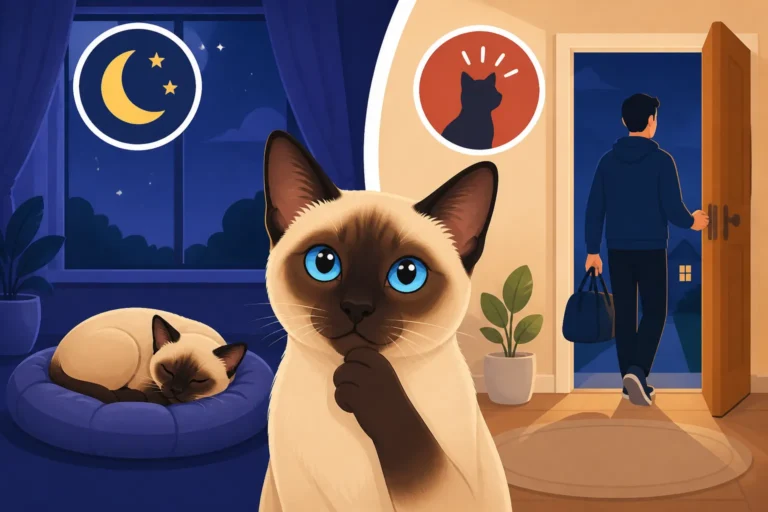
- Changes in Routine: Babies throw everything off. Feeding times, playtimes, and even your sleeping schedule will shift dramatically. Your Siamese cat, a creature of habit, will likely voice their displeasure or confusion about these disruptions. They might meow more intensely when their dinner is late or if your usual morning snuggle session is replaced by diaper duty.
- Reduced Attention: This is often the biggest culprit. Before the baby arrived, your Siamese might have been the center of your universe, enjoying long play sessions and constant cuddles. Now, your attention is divided, and your cat will notice. They might meow relentlessly to try and reclaim your focus, seeing the baby as a rival for your affection.
- Anxiety or Stress: Cats are sensitive to changes in their environment and the emotional state of their humans. The new smells, sounds, and constant activity associated with a baby can be stressful for your Siamese. They might express this stress through increased vocalization, especially if they feel their territory has been invaded or their sense of security is shaken. This is where you might notice Why a Siamese Cat Yowls in the Middle of the Night more often.
- Seeking Interaction: Remember, Siamese cats crave interaction. If they see you doting on the baby, they might try to join in the "conversation" or seek their own form of engagement. Sometimes, their meows are simply an attempt to be part of the family dynamic, even if that dynamic now revolves around a tiny human.
Managing a Siamese Cat's Energy Levels Around Sleepy Babies
Siamese cats aren't just loud; they're also bundles of boundless energy. They love to run, jump, climb, and chase, often at top speed. This energetic nature, while endearing, can be another source of anxiety for parents trying to maintain a peaceful environment for their sleeping infant.
The Siamese Cat's Need for Play and Activity
These cats are incredibly intelligent and need a lot of mental and physical stimulation to stay happy and well-behaved. Without enough outlets for their energy, they can become bored, destructive, and yes, even more vocal. A bored Siamese cat is a mischievous Siamese cat, and that mischief can easily lead to loud, baby-waking antics.
Think about a typical day before the baby. Did your Siamese have dedicated play sessions? Did they have cat trees to climb and windows to watch the world from? All of that needs to continue, and possibly even increase, after the baby arrives. Ignoring their need for activity is a recipe for disaster, especially when a quiet house is crucial. Finding creative ways to provide Enrichment for a Siamese Cat That Gets Bored in an Hour is key.
Strategies to Prevent Disruptive Energetic Bursts
Managing your Siamese cat's energy effectively can dramatically reduce the chances of them waking your baby with a sudden burst of activity.
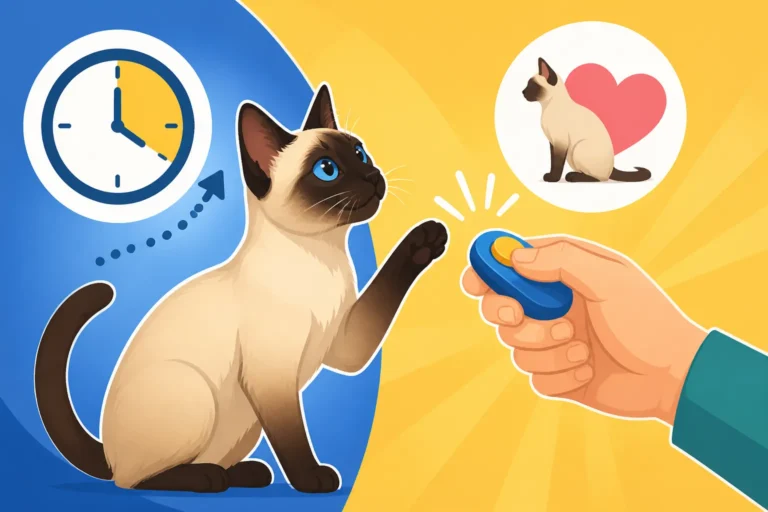
- Scheduled Play Sessions: This is perhaps the most crucial strategy. Dedicate specific times each day for intense, interactive play with your Siamese. Aim for at least two to three sessions of 10-15 minutes each. Use wand toys, laser pointers (with a solid "catch" at the end!), or anything that mimics hunting. The goal is to get them panting and truly tired. A tired cat is a quiet cat. Try to schedule these sessions before the baby's nap times or bedtime, so your cat is more likely to settle down afterward. You might find some excellent interactive toys on Amazon that can help with these sessions.
- Puzzle Feeders and Food Dispensing Toys: Siamese cats love a challenge. Instead of simply putting their food in a bowl, make them work for it. Puzzle feeders not only slow down their eating, which can be good for digestion, but they also provide mental stimulation. This can keep them engaged and less likely to seek other, more disruptive forms of entertainment, like scaling curtains or batting at objects on shelves.
- Vertical Space and Scratching Posts: Provide plenty of appropriate outlets for climbing and scratching. Tall cat trees near windows offer a safe vantage point for observation and a great way to burn off energy. Having multiple scratching posts, both vertical and horizontal, in various textures, will redirect their natural instincts away from your furniture and, importantly, away from noisy scratching at doors or carpets near the nursery.
- Companion Cat Consideration: While a new baby is a lot to handle, sometimes a second cat can be the answer to a Siamese's relentless energy and need for interaction. Another cat, especially one with a similar energy level, can provide companionship and a playmate, taking some of the pressure off you. This isn't a quick fix and requires careful introduction, but for a highly social Siamese, it can make a world of difference. However, it also means potentially Whether Two Siamese Cats Are Louder.
| Activity Type | Purpose | Impact on Baby's Sleep | Recommendation |
|---|---|---|---|
| Vocalization | Communication, attention-seeking, anxiety | High risk of waking, especially yowls | Address needs promptly, use redirection, training, gradual habit changes |
| Play/Zoomies | Energy release, boredom relief | Moderate to high risk if near sleep area | Schedule vigorous play, provide ample vertical space, puzzle toys |
| Scratching | Marking territory, claw maintenance, stress relief | Low to moderate noise if on appropriate surfaces | Provide varied scratching posts, redirect if on furniture |
| Jumping/Climbing | Exploration, vantage points, exercise | Moderate risk if shelves/furniture collapse | Secure furniture, provide sturdy cat trees and shelves |
| Midnight Prowls | Nocturnal instincts, routine disruption | High risk for light sleepers | Exhaust before bed, secure bedroom door, interactive feeders for night |
Creating a Peaceful Coexistence Between Your Siamese and Your Baby
The goal isn't just to stop your Siamese cat from waking the baby, but to foster a harmonious environment where both your feline and human family members feel secure and loved. This requires careful planning and a gradual approach.
Gradual Introduction and Scent Acclimation
Cats are creatures of scent. Introducing the baby's smell before the baby arrives home can make a significant difference in how your Siamese reacts.
- Bring Baby Scents Home Early: Before the baby is discharged from the hospital, have a partner or friend bring home a blanket or an item of clothing the baby has worn. Let your Siamese sniff it at their own pace. Don't force interaction; just leave it in a common area. This allows them to associate the new scent with their familiar home environment, rather than a sudden intrusion.
- Positive Associations: While your Siamese is investigating the baby's scent, offer treats, praise, or a short play session. You want them to form a positive association with the baby's smell.
- Controlled First Meeting: When the baby finally comes home, keep the initial meeting calm and supervised. Allow your Siamese to approach the baby when they are ready. Hold the baby securely and speak in a calm, reassuring voice. Distract your Siamese with treats or a toy if they seem overly anxious or too intensely curious. Never leave your cat and baby unattended.
Maintaining Your Cat's Sense of Security
A Siamese cat who feels secure is less likely to act out or vocalize excessively. The baby's arrival shouldn't mean your cat's world gets turned upside down overnight.
- Consistent Routine (Where Possible): Try to maintain as much of your Siamese cat's previous routine as possible, especially regarding feeding and playtimes. Even small moments of consistency can help them feel grounded amidst the chaos.
- Dedicated "Cat Time": Schedule short, focused one-on-one time with your Siamese every day, even if it's just 10 minutes of uninterrupted petting or play. This reassures them that they are still loved and haven't been replaced. It's easy to forget this in the blur of new parenthood, but it's vital for your cat's emotional well-being.
- Safe Spaces: Ensure your Siamese has several safe, quiet retreats away from the baby, where they can escape and feel undisturbed. This could be a high cat tree, a cozy bed in a spare room, or even a cardboard box in a quiet corner. These spaces are crucial for them to de-stress and observe the new family member from a distance if they choose. A plush, cave-style cat bed available on Amazon might be a perfect retreat.
- Pheromone Diffusers: Consider using a feline pheromone diffuser in areas where your Siamese spends a lot of time, particularly near the nursery or common living spaces. These diffusers release synthetic pheromones that mimic the natural calming signals cats produce, helping to reduce stress and anxiety in a multi-species household.
Practical Strategies for Baby-Proofing and Cat-Proofing
Preparing your home is about protecting both your baby and your Siamese cat, ensuring a safe and calm environment for everyone.
Setting Boundaries with Baby Gates and Door Closures
Physical barriers are your best friend when managing a curious cat and a vulnerable baby.
- Nursery as a Cat-Free Zone (Initially): It's often best to establish the nursery as a cat-free zone, at least during the initial weeks or months when the baby is sleeping most of the time. Install a sturdy baby gate at the nursery door. Choose a gate that is tall enough that your Siamese can't easily jump over it. Some cats are champion jumpers, so you might need to look for extra-tall options or gates that extend right to the ceiling. This provides a crucial barrier, preventing unwanted nighttime cuddles (or noisy playtime) in the crib.
- Bedroom Access Control: If your Siamese is used to sleeping with you, this will be a big adjustment. You might need to gently transition them to sleeping outside your bedroom, using a closed door or another baby gate. This is especially important for the first few months when you're likely room-sharing with the baby and need undisturbed sleep. Start this transition before the baby arrives to minimize the association of the baby with this negative change. You can also research How to Quiet a Siamese Cat if they start protesting at the closed door.
- Supervised Access: Once the baby is a bit older and more predictable, you can start allowing supervised access to the nursery, always with you present. This allows your Siamese to gradually get used to the baby's space without feeling completely excluded, reinforcing the idea that this is a safe, shared home.
Minimizing Noise and Distractions in the Baby's Sleep Area
Beyond physical barriers, managing the soundscape is critical.
- Sound Machines: A white noise machine can be a lifesaver. It creates a consistent, soothing background noise that can mask sudden cat vocalizations or thuds. Place it strategically in the nursery or near the baby's sleep area. This won't eliminate cat noise, but it can significantly soften its impact. Amazon offers a wide range of highly-rated sound machines perfect for nurseries.
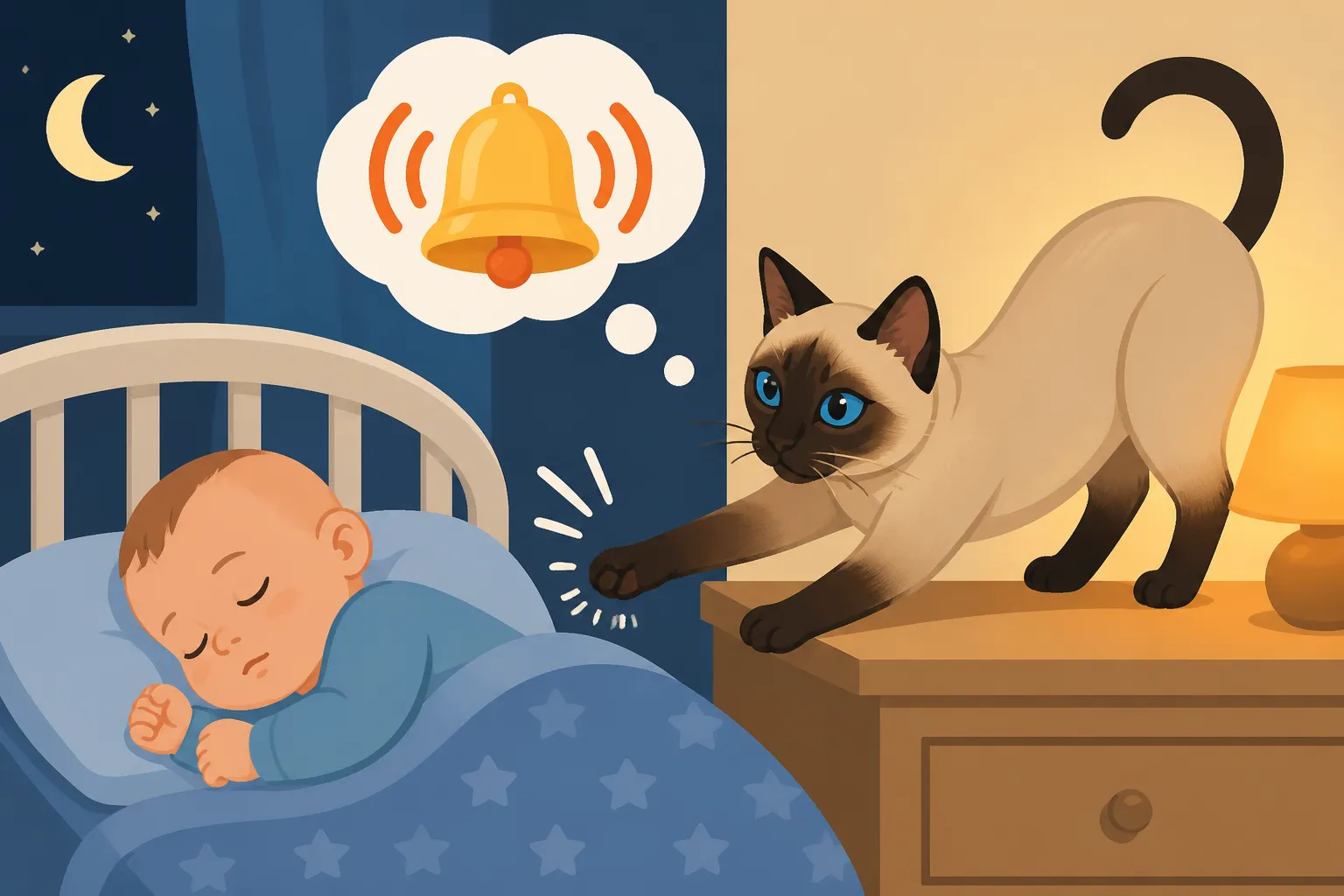
- Secure Crib Mobiles and Dangling Items: Siamese cats are notorious for their hunting instincts. A dangling mobile or toy on a crib can be an irresistible temptation. Ensure all such items are securely attached and out of your cat's reach, or remove them entirely when you're not supervising. A swatting cat can easily knock something down, making a loud crash that will certainly wake a baby.
- No Cat on Crib or Changing Table: This should be a firm rule from day one. Not only for cleanliness, but also for safety. Cats can inadvertently scratch a baby, or their weight could pose a suffocation risk if they decide to nap in the crib. Use gentle deterrents like double-sided tape or crinkly foil on surfaces where you absolutely do not want your cat to go.
- Cat-Proofing the Baby's Play Area: As the baby grows and starts to play on the floor, ensure their playmat or activity gym is in an area that's safe from your Siamese cat's more rambunctious moments. While How a Siamese Cat Behaves With Children is generally positive, accidents can happen, and a cat mid-zoomie might not see a tiny hand in their path.
- Litter Box Location: Ensure the litter box is in a location far away from the baby's sleep area and anywhere the baby might crawl as they grow. The sounds of a cat digging and covering up in a litter box, especially at night, can be surprisingly loud. Also, consider low-dust, unscented litter to minimize any respiratory irritants for both baby and cat. Many excellent options are available on Amazon.
- Regular Nail Trims: Keep your Siamese cat's nails trimmed regularly. While this isn't directly about noise, it reduces the risk of accidental scratches if they do come into contact with the baby, and it can also make their movements a little quieter on hard floors.
Bringing a baby home with a Siamese cat is an adventure, and there will undoubtedly be moments when their vibrant personality and vocal prowess test your patience. However, with thoughtful preparation, consistent routines, and a whole lot of love and understanding for both your fur baby and your human baby, you can create a peaceful and loving home for everyone.
Disclaimer
This article is for general informational purposes only and does not constitute professional advice. Laws, prices and regulations vary by location and change over time. Consult a qualified professional for guidance on your specific situation.