Enrichment for a Siamese Cat That Gets Bored in an Hour
If you're living with a Siamese cat, you've probably already discovered that their boundless energy and razor-sharp intellect mean they get bored fast. We're not talking about a cat that can entertain itself with a dust bunny for an hour; we're talking about a highly intelligent, intensely interactive feline that can exhaust its entire toy basket in ten minutes flat and then stare at you expectantly, wondering what's next. This guide is all about diving deep into effective enrichment strategies to keep your brilliant Siamese purring with contentment and stimulated to their core, preventing those boredom-induced antics that can sometimes drive us a little crazy.
Understanding the Siamese Cat's Mind: Why They Get Bored So Fast
Let's be real, owning a Siamese isn't like owning just any cat. They are a breed apart, with a unique blend of intelligence, vocalization, and athleticism that demands constant engagement. This isn't a cat content to sleep in a sunbeam all day, though they enjoy a good nap too! Their history as royal companions and temple guardians in ancient Siam hints at a lineage built on interaction and purpose, not just quiet contemplation. Understanding this fundamental difference is the first step to truly enriching their lives.
High Intelligence and Curiosity
Siamese cats are often described as having dog-like personalities, and a big part of that is their astonishing intelligence and insatiable curiosity. They don't just observe; they investigate. If you leave a cupboard door ajar, they'll be inside, inspecting every shelf. If there's a new bag on the floor, they'll be diving in to explore its contents. This isn't naughtiness; it's their bright minds constantly seeking novelty and understanding. They remember routines, they recognize patterns, and they can learn complex sequences of actions. How Clever a Siamese Cat Is isn't just a fun fact; it's a daily reality that means they need mental puzzles just as much as physical exercise. Without adequate outlets for this mental energy, that sharp mind can quickly turn to mischief, or worse, become a source of stress and anxiety. They literally need to be challenged to feel happy and fulfilled.
They are problem-solvers by nature. Have you ever seen your Siamese figure out how to open a door or retrieve a toy from an impossible spot? It's not accidental; it's their brain actively working through a challenge. This means that a simple toy tossed once or twice won't cut it. They need toys that make them think, that require multiple steps, or that offer varying levels of difficulty. This mental workout is just as tiring and satisfying for them as a sprint around the house, and often more so. A bored Siamese isn't a sleepy Siamese; it's a cat actively looking for something to do, and if you don't provide it, they'll invent their own, often less-than-desirable, activities.
Intense Need for Interaction
One of the most endearing, and sometimes demanding, traits of a Siamese cat is their profound need for social interaction. They are not solitary creatures who tolerate humans; they thrive on companionship and see themselves as an integral part of the family unit. This means they need to be involved in your life, not just observed from afar. Ignoring a Siamese is an invitation for them to escalate their demands, often through their famously loud and persistent vocalizations. A Siamese Cat Will Not Be Ignored, and they will make sure you know it!
This need for interaction isn't just about cuddles (though they love those too). It's about communication, play, and shared experiences. They will follow you from room to room, supervise your activities, and even try to "help" with tasks like making the bed or doing laundry. Their intense bond with their people means that leaving them alone for long periods without adequate preparation can lead to genuine distress. They're not just looking for attention; they're looking for connection and engagement on an emotional and intellectual level. This is why having a robust daily routine of interactive play and dedicated one-on-one time is absolutely non-negotiable for a Siamese cat owner.
The Hunter's Instinct
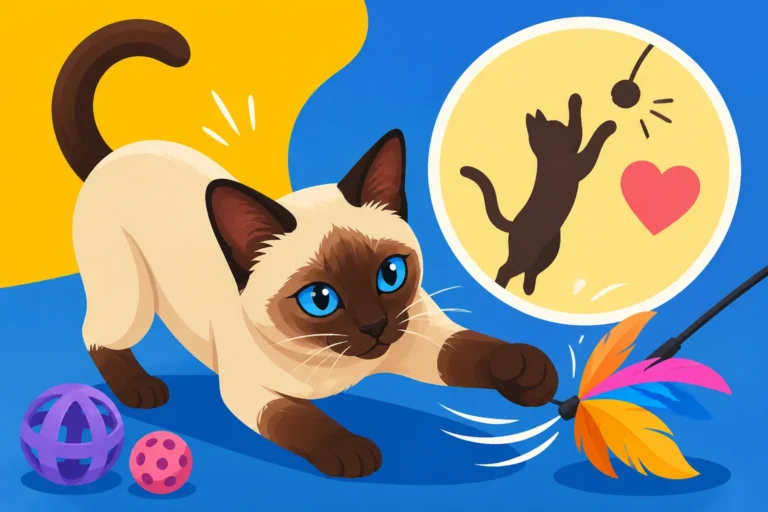
Despite being domesticated for centuries, the Siamese cat retains a powerful and deeply ingrained prey drive. They are natural hunters, agile and strategic, and they need opportunities to express these instincts in a safe and appropriate way. Simply having food available in a bowl does little to satisfy this fundamental urge. A proper hunting simulation involves stalking, chasing, pouncing, and "killing" their prey (the toy), followed by a "feast" (their meal). This entire sequence is crucial for their mental and physical well-being.
Without regular, engaging play that mimics the hunt, your Siamese can become frustrated and direct their hunting energies towards inappropriate targets, like your ankles or household items. What a Bored Siamese Cat Destroys can often be directly linked to an unfulfilled prey drive. Think about how a wild cat spends its day: much of it is dedicated to hunting. We need to translate that into an indoor environment. This isn't just about exercise; it's about fulfilling an ancient, hardwired instinct that brings them deep satisfaction and helps regulate their behavior. Laser pointers can be fun, but remember they don't allow for the "kill," which can lead to frustration. Always follow a laser session with a physical toy they can pounce on and "defeat."
Creating an Engaging Environment: Setting the Stage for Constant Stimulation
An enriched environment is more than just a house with cat trees; it's a dynamic landscape designed to cater to all aspects of your Siamese cat's natural behaviors. It means looking at your home through their eyes and imagining what opportunities for exploration, climbing, resting, and hunting it offers. For a breed as active and intelligent as the Siamese, static environments quickly become boring. You need to create a space that evolves and provides consistent novelty.
Vertical Space is Crucial
Siamese cats love to climb, survey their domain from on high, and feel secure. Providing ample vertical space is not a luxury; it's a necessity. Think of it as expanding their territory, giving them more room to explore and different perspectives on their world. Tall cat trees are fantastic, especially those with multiple levels, scratching surfaces, and cozy perches. Look for sturdy options that won't wobble when your athletic Siamese launches themselves onto the top. Consider models available on platforms like Amazon that prioritize stability and multiple features.
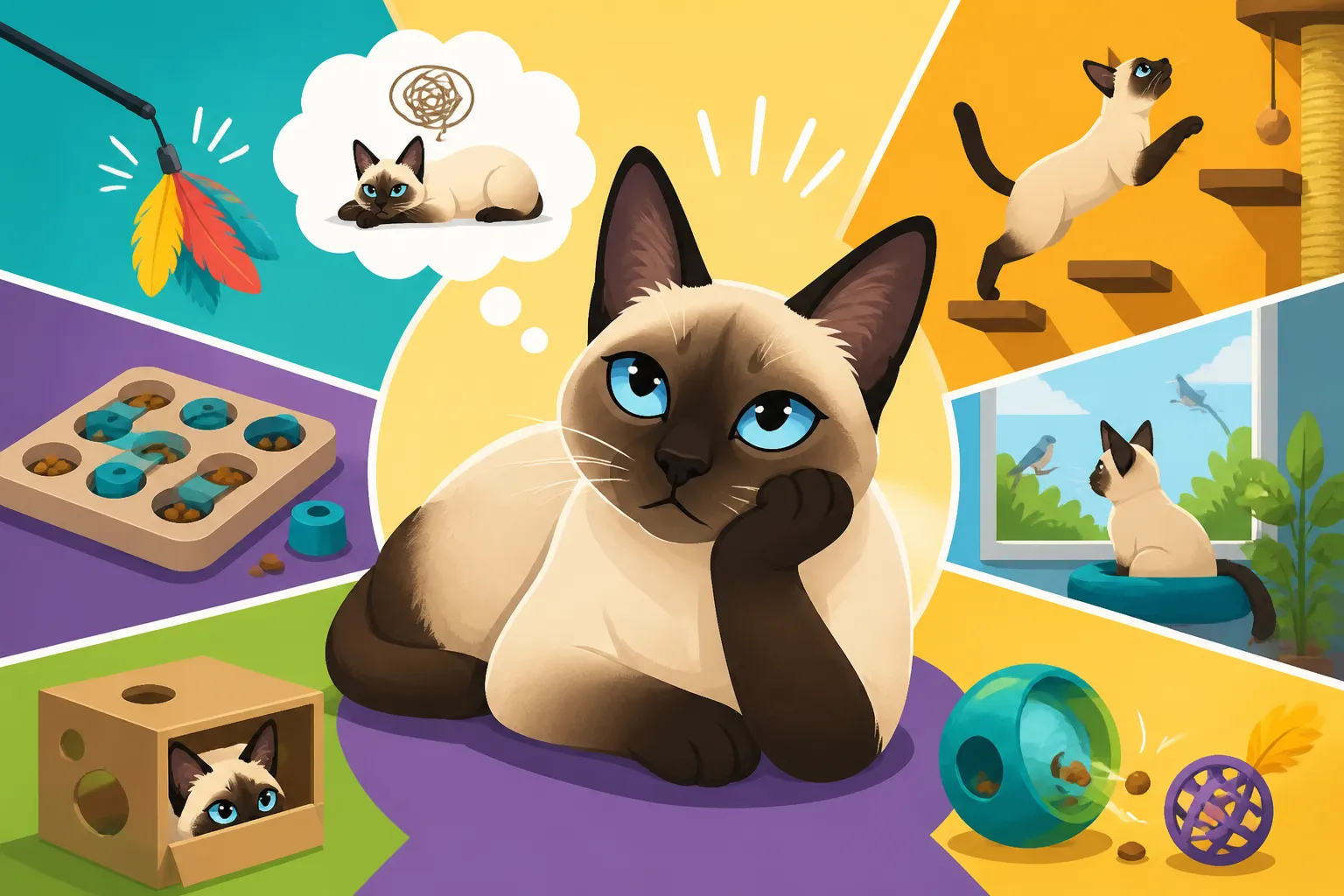
Beyond cat trees, think about shelves, wall-mounted perches, or even kitty "highways" that allow them to traverse rooms without touching the floor. These can be particularly useful in smaller homes, as they utilize vertical real estate that would otherwise go unused. Not only does this satisfy their climbing instincts, but it also provides safe havens and observation points, reducing stress and increasing their sense of security. A Siamese who feels they have control over their environment, especially from an elevated position, is generally a happier and less anxious cat.
Window Perches and Outdoor Views
Just because your Siamese is an indoor cat doesn't mean they don't crave a connection to the outside world. Window perches are incredibly valuable for providing mental stimulation through observation. Birds, squirrels, passing cars, and even just the rustling leaves on a tree can provide hours of entertainment and engagement for a curious Siamese. Make sure these perches are comfortable, sturdy, and positioned at windows with interesting views. If you have multiple windows, vary the perches so they have different vantage points.
For an even deeper level of outdoor engagement, consider a "catio" or a secure, enclosed outdoor space. This allows your Siamese to experience fresh air, natural scents, and the full sensory input of the outdoors without any of the dangers. Imagine the sheer delight of your Siamese watching a butterfly or feeling the sun on their fur, all while remaining perfectly safe. Even a small, securely screened balcony can be transformed into a stimulating outdoor retreat. This is a powerful form of enrichment that mimics their wilder instincts in a controlled setting.
The Power of Scent Enrichment
Cats, and Siamese cats are no exception, experience the world largely through their sense of smell. Scent enrichment is often overlooked but can be incredibly powerful in preventing boredom and stimulating their natural curiosity. Think beyond catnip, though that's certainly a classic! Introduce new, safe scents into their environment. This could be done by bringing in a small branch from a non-toxic tree (like apple or willow), a leaf from an herb garden (rosemary or thyme, in moderation), or even a clean, used sock that smells faintly of you after a walk.
You can also rotate blankets or beds between different areas of the house or even with other cat-friendly households (if appropriate and safe) to introduce subtle new smells. Scent-infused toys, especially those that can be refilled with different herbs, can also be a hit. The key is novelty and exploration. A new scent acts as an information burst for your cat, prompting them to investigate and understand their surroundings in a deeper way. Just ensure any scents introduced are non-toxic and not overwhelming.
Interactive Play: More Than Just a Toy
When it comes to Siamese cats, "play" isn't a casual activity; it's a structured, vital part of their day that fulfills their predatory instincts, provides exercise, and strengthens their bond with you. You can't just toss a toy and expect them to be entertained indefinitely. They crave interaction and a challenge. How Much Play a Siamese Cat Needs is often more than what owners initially realize, so prepare to be an active participant.
Daily Dedicated Play Sessions
For a Siamese, dedicated play sessions are non-negotiable. Aim for at least two, preferably three, sessions a day, each lasting 10-15 minutes. These aren't just times to bat around a toy; they are carefully orchestrated hunting simulations. Use wand toys with various attachments (feathers, crinkly balls, plush mice) to mimic the erratic movements of prey. Make the toy hide, dart, and pause, encouraging stalking behavior. Let your cat "catch" the prey at the end of the session, allowing them to feel successful.
Vary the type of play. Sometimes it's about speed and chase; other times, it's about strategic pouncing and problem-solving. Pay attention to how your Siamese interacts and what captures their attention the most. This isn't just about physical exercise, though that's important for their lean, muscular bodies; it's about mental engagement and the satisfaction of a successful hunt. Ending a play session with a small meal or treat helps reinforce the "kill and eat" cycle, completing the natural predatory sequence and leaving your cat feeling fulfilled.
Rotate Toys Regularly
Even the most fantastic toy will become boring if it's always available. Siamese cats crave novelty. Implement a toy rotation system. Divide your cat's toys into several groups and only make one group available at a time. Every few days or once a week, swap out the current selection for a different group. This makes old toys feel new again and keeps your Siamese interested and engaged. It's like finding a forgotten treasure!
Consider a variety of toy types: crinkle balls, soft plush mice, bouncy springs, puzzle toys, and interactive electronic toys. Some of the best options can be found easily on platforms like Amazon, offering a huge range of textures, sounds, and movements. Don't forget simple household items can also be great; a crinkled piece of paper or a cardboard tube can be surprisingly entertaining when introduced with enthusiasm. The key is to keep things fresh and unpredictable to satisfy their inquisitive nature.
Puzzle Feeders and Food Motivation
Puzzle feeders are an absolute must-have for a Siamese cat. They tap into their intelligence and natural foraging instincts, turning mealtime into a stimulating mental challenge rather than a passive event. Instead of simply eating from a bowl, your cat has to "work" for their food by batting, pushing, or manipulating the feeder to release kibble or treats. This slows down their eating, prevents boredom, and provides a rewarding cognitive workout. Whether a Puzzle Feeder Occupies a Siamese Cat is not really a question; it's a certainty that they will be captivated.
There's a huge variety of puzzle feeders, from simple treat balls to complex multi-level feeders. Start with something easy and gradually introduce more challenging options as your cat becomes proficient. You can even create DIY puzzle feeders using cardboard boxes, toilet paper rolls, or muffin tins. Hide treats around the house or in different parts of a feeder to encourage sniffing and searching. This engages their powerful sense of smell and makes them actively participate in their feeding routine, mirroring how a cat would forage for food in the wild.
Training and Mental Challenges: Harnessing Their Intelligence
Siamese cats are often cited as one of the most trainable cat breeds, and neglecting this aspect of their enrichment is a missed opportunity. Their intelligence and desire for interaction make them eager students, and teaching them tricks or behaviors provides immense mental stimulation and strengthens the bond between you. Think of it as a fun, shared activity that appeals directly to their clever minds.
Clicker Training for Tricks
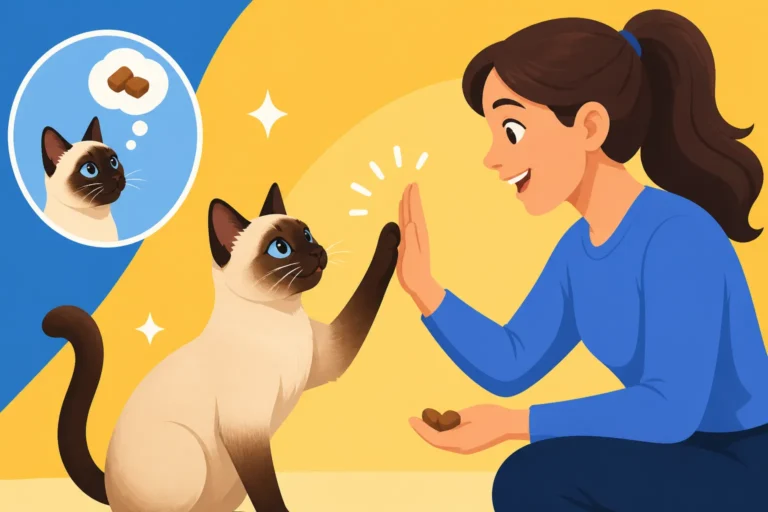
Clicker training is an incredibly effective way to teach your Siamese cat tricks and behaviors. It uses positive reinforcement, where a "click" sound marks the exact moment your cat performs the desired action, followed immediately by a reward (a small, high-value treat). Siamese cats thrive on this kind of engagement. They learn quickly and genuinely seem to enjoy the process of solving the puzzle of what you want them to do. How to Clicker Train a Siamese Cat is a skill worth learning for any Siamese owner.
You can teach them to sit, stay, come when called, high-five, or even walk on a leash. Beyond basic obedience, teaching them complex sequences or "agility" courses with household objects can be incredibly fun for both of you. The mental effort involved in learning and performing these tricks is highly enriching, providing a fantastic outlet for their sharp minds and reducing the likelihood of boredom-induced behaviors. Consistent, short training sessions are key to success and keeping them engaged.
Leash Training for Outdoor Adventures
While not every Siamese cat will take to it, leash training can be a wonderful way to provide controlled outdoor enrichment. It allows them to safely explore the sights, sounds, and smells of the world beyond your home without the dangers of free-roaming. Imagine taking your Siamese for a stroll in your garden or a quiet park, letting them sniff new bushes and feel the grass under their paws.
Start by getting your cat comfortable with a harness indoors for short periods, associating it with positive experiences like treats and play. Once they accept the harness, introduce the leash inside, letting them drag it around. Gradually, move to short walks in a secure outdoor area, like your backyard, allowing them to lead and explore at their own pace. Never force them. This kind of supervised outdoor time offers unparalleled sensory stimulation and a fantastic adventure for a cat who thrives on novelty.
Solving Mazes and Cognitive Toys
Beyond basic tricks, advanced cognitive toys and mazes can provide serious mental workouts for your Siamese. These aren't just puzzle feeders; they are designed to challenge a cat's problem-solving abilities, requiring multiple steps or abstract thinking to reach a reward. Think about toys that require them to move levers, push buttons, or navigate complex pathways to get a treat or a favorite toy.
You can even create your own simple mazes out of cardboard boxes, hiding treats or toys within. Observe how your Siamese approaches these challenges. Do they use their paws? Their nose? Their remarkable ability to How a Siamese Cat Opens Doors means they're already thinking like engineers! The satisfaction they get from successfully solving these puzzles is immense, boosting their confidence and providing deep mental satisfaction.
Social Enrichment: The Companionship Factor
The Siamese cat is famously social and deeply attached to their human companions. They are not content to be mere decorative pets; they want to be an active, vocal, and engaged member of your household. This intense need for companionship means that social enrichment is arguably the most critical aspect of their well-being. Leaving a Siamese alone for extended periods can lead to significant distress and behavioral issues.
The Importance of Human Interaction
Your presence and direct interaction are the cornerstone of your Siamese cat's social enrichment. They thrive on conversation – yes, talking to them! – physical affection, and shared activities. Make eye contact, respond to their meows, and involve them in your daily routines. A Siamese cat will often "talk" to you and expects you to The Siamese Cat Talks and Expects an Answer. This communication is vital for their emotional health.
Dedicate time each day for focused attention: petting, grooming, lap time, or just quiet companionship. They will often follow you from room to room, seeking to be near you. Even when you're busy, acknowledging their presence with a word or a gentle stroke can make a world of difference. Your Siamese sees you as their primary companion, and fulfilling that role is key to their happiness. Without it, they can develop What Separation Anxiety Looks Like in a Siamese Cat.
Considering a Second Cat
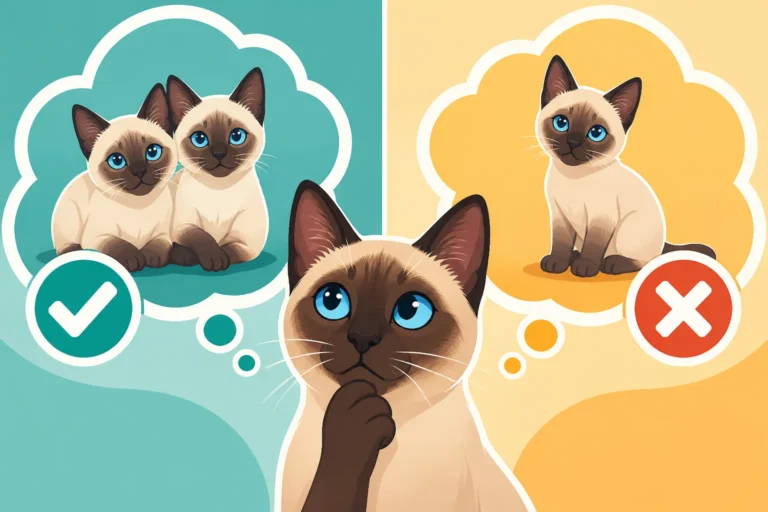
For many Siamese cats, especially those in single-cat households or whose owners are frequently away, a feline companion can be incredibly beneficial. Another cat, particularly one with a similar energy level and play style, can provide constant interaction, play, and grooming opportunities that a human simply cannot replicate. This is especially true if you are out of the house for long hours during the day. When a Siamese Cat Needs a Second Cat is often when they display signs of loneliness or boredom, even with dedicated human interaction.
Introducing a second cat requires careful planning and a slow, gradual approach to ensure a positive integration. Look for a cat with a compatible temperament – another playful, outgoing breed or a confident rescue cat might be a good fit. The goal is to provide a peer companion who can engage with your Siamese on their own terms, leading to a much richer and more stimulating social environment.
Introducing Other Pets Safely
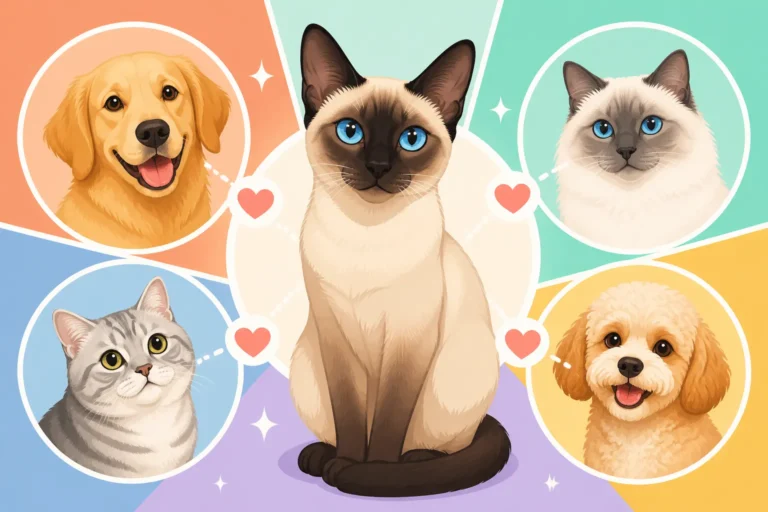
Beyond another cat, introducing other types of pets, such as a cat-friendly dog, can also provide social enrichment for a Siamese. Siamese cats, with their outgoing personalities, often adapt well to living with dogs, especially if introduced properly and supervised. A playful dog can offer a different kind of interaction and energy to their lives, becoming a new playmate or even a cozy napping partner.
However, any inter-species introduction must be done with extreme caution, prioritizing the safety and comfort of all animals involved. Gradual introductions, positive reinforcement, and careful supervision are essential. Never force interactions, and always provide safe spaces and escape routes for all pets. The goal is to create a harmonious multi-pet household where everyone feels secure and has their social needs met.
DIY and Budget-Friendly Enrichment Ideas: Creative Solutions for Every Home
Enriching your Siamese cat's life doesn't have to break the bank. Many effective and stimulating enrichment tools can be made from items you already have around the house. The key is creativity, understanding your cat's natural instincts, and being willing to put in a little effort to craft engaging experiences. Sometimes, the simplest ideas are the biggest hits.
Household Items as Toys
Before rushing to the pet store, look around your home! Many everyday items can be repurposed into fantastic, stimulating toys for your Siamese. A crinkled piece of aluminum foil, a cardboard toilet paper roll (especially one with treats hidden inside), or even a strong paper bag (without handles to prevent entanglement) can provide endless entertainment. Which Toys a Siamese Cat Actually Plays With often includes these unexpected finds.
Think about textures and sounds. Bottle caps can be batted around, a clean sock tied in a knot can become a wrestling toy, and empty paper towel rolls can be fashioned into simple puzzle feeders by cutting holes in them and adding kibble. The novelty of these "new" items, combined with your enthusiastic presentation, can often be more appealing than expensive store-bought toys. Just ensure all items are safe, non-toxic, and free of small parts that could be swallowed.
Creating Simple Hiding Spots
Siamese cats love to hide, stalk, and ambush. Providing a variety of hiding spots caters to these natural behaviors. Again, household items are your friends here! Cardboard boxes, especially those from online deliveries (like from Amazon, perhaps, with all those cat supplies!), can be transformed into forts, tunnels, or multi-level playhouses. Cut multiple entry and exit holes to encourage exploration and chase games.
Draping blankets over chairs or tables creates cozy, den-like spaces that appeal to their need for security and quiet retreat. Place these hiding spots in different areas of the house, offering both high and low options. A cat who feels they have safe places to retreat to, or exciting new territories to explore, is a less stressed and more enriched cat. These simple additions can dramatically change the dynamic of your home environment.
Homemade Treat Dispensers
Building on the idea of puzzle feeders, you can easily craft your own treat dispensers using common household items. A plastic water bottle with small holes drilled into it (large enough for kibble to fall out) becomes a rolling dispenser. A muffin tin with kibble in each cup, covered by crinkled paper balls or small toys, forces your Siamese to "dig" for their food.
The beauty of homemade dispensers is that you can customize the difficulty level and constantly introduce new designs. This keeps the challenge fresh and prevents your Siamese from becoming bored with the same old puzzle. Remember, the goal is to make them think and work a little for their food, satisfying their natural foraging instincts. This turns a routine activity into an engaging mental exercise.
Addressing Specific Behavioral Issues Stemming from Boredom
A bored Siamese cat is often a "naughty" Siamese cat, or one displaying behaviors that are really cries for help. Their intelligence and high energy mean that a lack of appropriate outlets can manifest in ways that are frustrating for owners. Recognizing these behaviors as symptoms of insufficient enrichment, rather than deliberate defiance, is the first step towards resolving them.
Destructive Chewing and Pica
One of the most concerning behaviors linked to boredom and stress in Siamese cats is wool sucking or pica – the compulsion to chew, suck, or eat non-food items like blankets, clothing, or plastic. This is particularly common in Siamese breeds and their relatives. Why a Siamese Cat Sucks Wool can stem from a variety of factors, including genetics and early weaning, but boredom and anxiety undoubtedly exacerbate it.
If your Siamese is engaging in destructive chewing, increasing their mental and physical enrichment is paramount. This means more interactive play, more puzzle feeders, more training, and more dedicated one-on-one time. Providing appropriate chew toys specifically designed for cats can also help redirect this behavior. Consulting with your vet or a feline behaviorist is crucial, as pica can sometimes lead to serious health issues like intestinal blockages if fabric or other items are ingested.
Excessive Vocalization
Siamese cats are known for their vocal nature; their "meezer yowl" is legendary. However, if your usually chatty Siamese suddenly becomes incessantly loud, demanding, or starts yowling at night, it might be a sign of boredom, loneliness, or frustration. They are trying to tell you something, and often that something is, "I'm bored! Entertain me!" What a Siamese Cat's Yowl Means often boils down to a request for attention or engagement.
Addressing excessive vocalization starts with a comprehensive review of their daily enrichment schedule. Are they getting enough dedicated play? Is their environment stimulating? Are they spending too much time alone? Increase interactive play, introduce new puzzle toys, and make sure you're engaging with them consistently throughout the day. A tired, mentally stimulated Siamese is generally a quieter Siamese, reserving their powerful voice for truly important communications.
Overgrooming and Stress Behaviors
When a Siamese cat is under-stimulated or stressed, they may resort to overgrooming, leading to bald patches or skin irritation. This is known as Psychogenic Alopecia in a Siamese Cat and is a classic displacement behavior, a way for them to cope with anxiety or boredom. Instead of addressing the root cause, they self-soothe through excessive licking. Other stress behaviors might include inappropriate urination, aggression, or hiding.
If you observe these signs, it's vital to first rule out any underlying medical issues with your veterinarian. Once physical causes are excluded, a deep dive into environmental and social enrichment is necessary. This involves increasing predictability in their routine, providing more safe spaces, ensuring ample opportunities for play and mental stimulation, and reducing any potential stressors in their environment. A calm, enriched Siamese is less likely to feel the need to overgroom or display other stress-related behaviors.
Long-Term Enrichment Strategy: A Lifetime Commitment
Enrichment isn't a one-time fix; it's an ongoing, evolving commitment that changes as your Siamese cat ages and their needs shift. What captivated a kitten might not interest a senior cat, and what works for a high-energy adult might be too much for a convalescing feline. A truly dedicated Siamese owner understands that providing a rich, stimulating environment is a lifelong endeavor.
Adapting Enrichment for Different Life Stages
A Siamese kitten is a whirlwind of energy and curiosity, requiring constant play, socialization, and opportunities to explore. Their enrichment needs focus on safe exploration, learning boundaries, and developing social skills. As they mature into adult cats, the focus shifts to maintaining their physical fitness and intellectual engagement through structured play, training, and complex puzzles. The Fifteen to Twenty Years a Siamese Cat Gets means you'll be adapting enrichment for a long time.
For senior Siamese cats, enrichment might involve softer toys, lower climbing structures, more comfortable beds (perhaps even heated ones, as they tend to feel the cold more), and gentler interactive play sessions. Their senses might decline, so scent enrichment and gentle massages become more important. Cognitive puzzles might be simpler, but still vital for keeping their minds sharp. The goal is always to meet them where they are and provide age-appropriate stimulation that enhances their quality of life. Caring for a Siamese Cat Past Twelve involves paying close attention to these changing needs.
Recognizing Signs of Boredom and Stress
As a Siamese owner, becoming an expert in your cat's body language and behavior is crucial. Learn to recognize the subtle (and sometimes not-so-subtle!) signs that they are bored, stressed, or under-stimulated. This could be anything from increased vocalization and destructive behaviors to excessive sleeping, aggression, or a change in appetite.
A cat who is constantly pacing, staring blankly, or initiating inappropriate play (like attacking your feet under the covers) is likely bored. A cat who is hiding excessively, overgrooming, or having litter box accidents might be stressed. Keeping a journal of their behavior can help you identify patterns and respond proactively to their needs before these behaviors escalate into bigger problems. Early intervention through appropriate enrichment is always the best course of action.
The Benefits of a Consistently Enriched Life
Providing consistent, thoughtful enrichment for your Siamese cat isn't just about preventing problems; it's about fostering a truly happy, healthy, and deeply bonded companion. An enriched Siamese is a confident cat, one who feels secure in their environment, satisfied in their instincts, and deeply connected to their human family. They are less likely to develop behavioral issues, are often more adaptable to change, and generally live more fulfilling lives.
The time and effort you invest in their enrichment will be repaid tenfold in the joy and companionship they bring to your home. You'll have a cat that is not just living, but thriving, engaging with their world, and constantly surprising you with their intelligence and affection. It's a journey of mutual learning and understanding, one that makes the unique challenges of owning a Siamese truly rewarding.
Disclaimer
This article is for general informational purposes only and does not constitute professional advice. Laws, prices and regulations vary by location and change over time. Consult a qualified professional for guidance on your specific situation.