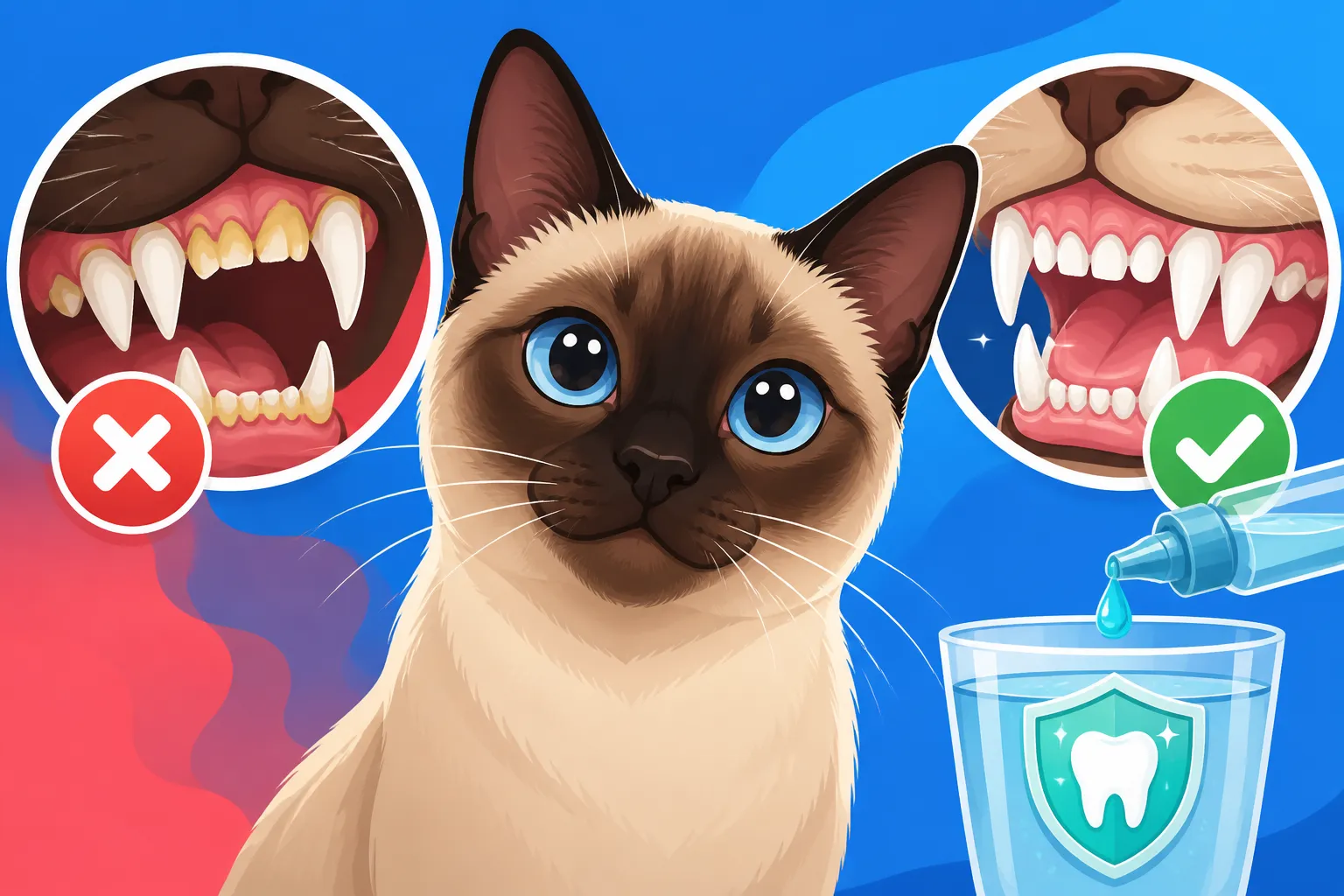
Whether a Water Additive Helps a Siamese Cat’s Teeth
Keeping your beloved Siamese cat's teeth clean can feel like an impossible mission, right? You try your best, but those tiny teeth and that feisty independence make regular brushing a heroic effort, often ending in scratches for you and a stressed-out cat. This guide is here to shed some light on one popular, seemingly easy solution: dental water additives, exploring whether they genuinely help keep your Siamese's pearly whites healthy.
What Exactly Are Dental Water Additives for Cats?
You've likely seen these bottles sitting on the shelves at your local pet store or while browsing online at places like Chewy or Amazon. Dental water additives are liquids designed to be added to your cat's drinking water, promising to fight plaque, tartar, and bad breath with minimal fuss. The idea is simple: every time your Siamese takes a sip, they're also getting a dose of ingredients meant to promote oral health. Sounds like a dream, doesn't it? No wrestling, no frantic purr-machine turning into a hiss-machine.
Many cat owners, myself included, have looked at these products with a hopeful eye, imagining a world where dental care is as simple as refilling a water bowl. They're often marketed as a convenient "set it and forget it" solution to a problem that plagues many cats: dental disease. But what's actually in these mysterious liquids, and how are they supposed to work their magic?
The active ingredients vary quite a bit from brand to brand. Some common players you might find include:
- Chlorhexidine: This is an antiseptic that helps reduce bacteria in the mouth. It's often used in human dental rinses, too. In theory, by reducing bacteria, it reduces the sticky biofilm that forms plaque.
- Zinc compounds: Zinc can interfere with the formation of plaque and tartar, and it's also known to neutralize sulfur compounds that cause bad breath.
- Enzymes: Certain enzymes, like glucose oxidase and lactoperoxidase, are designed to inhibit bacterial growth and break down plaque. They mimic some of the natural enzymes found in saliva.
- Herbal extracts: Some products include natural ingredients like green tea extract or peppermint oil, often for their purported antibacterial properties or simply to mask odors and make the water more appealing.
The premise is that by continually exposing your cat's mouth to these ingredients through their daily water intake, you can prevent or at least significantly reduce the buildup of plaque and tartar. This continuous, low-dose exposure is meant to be a passive form of dental hygiene. It's a tempting thought, especially when you consider how challenging it can be to get a cat to cooperate with a toothbrush.
The Reality: Do Water Additives Really Make a Difference for a Siamese Cat's Teeth?
Now for the million-dollar question: do these additives actually work? This is where the hopeful dream often meets a dose of reality. While the concept is appealing, the scientific evidence supporting the widespread effectiveness of dental water additives for cats, especially in preventing serious dental disease, is often quite limited or inconsistent.
Veterinary dentists and organizations dedicated to pet oral health, like the Veterinary Oral Health Council (VOHC), evaluate dental products. The VOHC seal of acceptance is a gold standard, indicating that a product has met specific criteria for effectiveness in controlling plaque and/or tartar. Many water additives, unfortunately, do not carry this seal. Why? Because proving efficacy in a clinical setting for something as passive as a water additive is incredibly difficult. Cats naturally don't "swish" like humans, and the contact time with their teeth might be too short for the active ingredients to do much.
Think about it: your Siamese cat drinks by lapping. The water mostly hits the front of their tongue and is swallowed quickly. The liquid might rinse the surfaces of the teeth slightly, but it's unlikely to reach the gumline or effectively scrub away existing plaque, let alone hardened tartar. Plaque is a sticky biofilm that adheres firmly to the tooth surface, and once it hardens into tartar, it's essentially rock-solid and requires mechanical removal – like a professional dental cleaning or vigorous brushing. No amount of water additive can dissolve tartar.
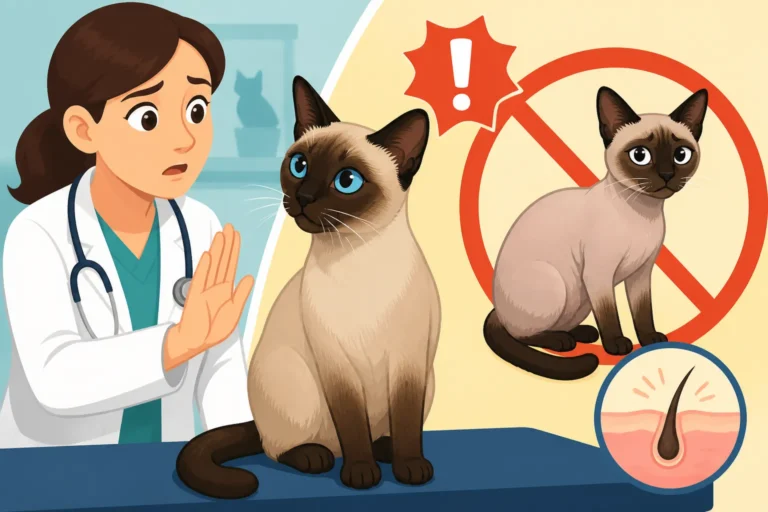
Moreover, palatability can be a huge issue. Siamese cats are known for being particular, and if the water additive changes the taste or smell of their water, they might simply refuse to drink it. This leads to dehydration, which is far more dangerous than dental plaque. You might think you're helping their teeth, but you could inadvertently be causing a much bigger health problem. I've had many clients tell me their Siamese, usually so vocal about everything, suddenly goes silent and just stares at their water bowl with an air of profound betrayal after an additive has been introduced!
Some additives may help to reduce bacteria in the mouth, which could contribute to fresher breath. So, if your primary concern is "cat breath," you might see a slight improvement. However, bad breath in a cat is often a symptom of underlying dental disease, not just something that can be masked or lightly treated. Relying solely on a water additive could give you a false sense of security, delaying proper veterinary intervention for a problem that's only getting worse beneath the surface. Whether a Water Additive Helps a Siamese Cat's Teeth is a common question, and it's vital to separate wishful thinking from scientific fact.
Pros and Cons of Using Dental Water Additives
Even with the mixed scientific reviews, it's worth weighing the potential advantages and disadvantages before you decide to introduce a dental water additive to your Siamese's routine.
The Upside: Convenience and Mild Support
Let's start with why people are drawn to them, and where they might offer a tiny bit of value.
Ease of Use: Without a doubt, the biggest "pro" of dental water additives is their convenience. Simply measure a capful (or whatever the directions recommend) and add it to your cat's water bowl. No special training, no wrestling matches, no gnashing of teeth (on either side!). For busy pet parents, or those with cats who absolutely refuse any form of direct dental care, this ease of application is a huge draw. If your Siamese has a history of aggression during grooming or becomes extremely stressed by handling, a water additive might seem like the only viable option for some form of at-home care.
Passive Approach: It's a "set it and forget it" solution. You don't have to remember daily brushing sessions or chase your cat with a dental chew. It integrates seamlessly into their daily routine, provided they actually drink the treated water. This passive nature means less stress for both you and your cat, which can be a significant factor in maintaining a harmonious household. Many Siamese owners find themselves saying, "At least it's something."
Potential for Fresher Breath: As mentioned, some formulations might help reduce the bacteria responsible for halitosis, leading to slightly fresher breath. This can be a noticeable benefit for owners, even if it doesn't address the root cause of dental disease. A Siamese cat's breath can sometimes be quite pungent, and any reduction in odor is often welcomed!
Supplemental Care: While not a standalone solution, some veterinarians suggest that water additives could be used as a supplement to more effective methods, like brushing or dental diets. If your cat tolerates brushing, an additive might offer a very minor additional layer of protection, but it should never replace the primary methods.
The Downside: Limited Effectiveness and Potential Issues
However, the cons often outweigh the pros, especially when considering them as a primary dental health strategy.
Limited Efficacy Against Plaque and Tartar: This is the most significant drawback. Most water additives simply aren't robust enough to physically remove or chemically dissolve plaque and tartar, especially the tough, calcified deposits that cause serious dental problems. They act more as a mild rinse than a thorough cleaning agent. For a breed like the Siamese, who can be prone to dental issues, relying solely on an additive is a gamble. Gingivitis in a Siamese Cat and Why a Siamese Cat Loses Teeth Young are real concerns that need more than a water additive.
Palatability Problems: This is a big one for our discerning feline friends. Many cats detect the altered taste or smell of treated water and will refuse to drink it. This isn't just an inconvenience; it can lead to dehydration, a serious health risk. If your Siamese stops drinking, you'll need to remove the additive immediately. You might try offering it in a separate bowl alongside plain water, but then you lose the "passive" benefit if they choose the plain water.
False Sense of Security: This is perhaps the most dangerous "con." Believing that a water additive is adequately protecting your cat's teeth can lead owners to neglect more effective dental care strategies or delay crucial veterinary dental exams. Dental disease progresses silently, and by the time you notice problems (like severe bad breath, difficulty eating, or pawing at the mouth), the disease is often advanced and painful.
Cost: While perhaps not as expensive as professional cleanings, the cost of continually purchasing water additives can add up over time. If they're not truly effective, that's money that could be better spent on proven dental health products or put towards the inevitable professional dental cleaning your Siamese will eventually need. You might find yourself checking prices on Chewy or comparing options on Amazon only to realize the recurring cost isn't trivial.
Not a Replacement for Veterinary Care: It cannot be stressed enough that water additives are absolutely not a substitute for regular veterinary check-ups and, when necessary, professional dental cleanings under anesthesia. These cleanings are the only way to remove plaque and tartar effectively, especially below the gumline, where the most damaging disease occurs.
Here's a quick comparison of various dental care options:
| Dental Care Method | Ease of Use | Effectiveness (Plaque/Tartar) | Cost Shape | Key Considerations |
|---|---|---|---|---|
| Water Additives | Very Easy | Low to Moderate (Plaque only) | Moderate (ongoing purchase) | Palatability issues, false sense of security, minimal effect on existing tartar. |
| Tooth Brushing | Moderate to Difficult | High (Plaque) | Low (initial brush/paste) | Requires training, consistency, cat cooperation; best for plaque, not tartar. |
| Dental Diets/Treats | Easy | Moderate (Plaque/Tartar) | Moderate (ongoing purchase) | Look for VOHC seal, specific kibble/treats mechanically scrub or chemically reduce. |
| Professional Cleaning | Requires Vet Visit | High (Plaque/Tartar) | High (one-time/periodic) | Gold standard, requires anesthesia, essential for advanced disease and subgingival care. |
Alternative and More Effective Strategies for Your Siamese Cat's Oral Health
So, if water additives are a bit of a gamble, what can you do to protect your Siamese cat's teeth? There are several strategies that veterinary professionals widely endorse and that offer much more tangible benefits.
The Gold Standard: Daily Tooth Brushing
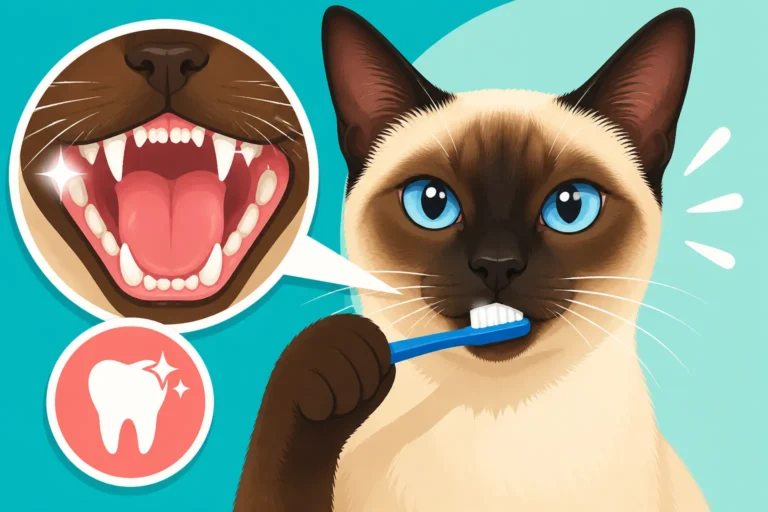
I know, I know, the idea of brushing your Siamese's teeth daily sounds like a cruel joke to many. But truly, manual brushing is the single most effective way to remove plaque before it hardens into tartar. It's the equivalent of your own daily brushing. The key is to start early (if you have a kitten) and make it a positive experience, even if it's just for 30 seconds a day.
- Start Slow: Don't expect perfection on day one. Begin by simply getting your Siamese used to having their mouth touched. Use your finger with a tiny dab of cat-specific toothpaste (never human toothpaste!) and gently rub their gums and outer tooth surfaces.
- Gradual Introduction: Once they tolerate your finger, introduce a finger brush or a very soft, small cat toothbrush. Focus on the outside surfaces of the teeth, especially the molars and canines, as these are where plaque tends to accumulate most.
- Positive Reinforcement: Always follow brushing with a reward – a favorite treat, a special toy, or lots of cuddles. The goal is for them to associate brushing with good things.
- Consistency is Key: Even a few times a week is better than nothing, but daily brushing is ideal. It might seem daunting, but once it becomes part of their routine, many cats tolerate it surprisingly well. It's an important part of preventing Dental Disease in a Siamese Cat.
VOHC-Accepted Dental Diets and Chews
Another excellent option is to incorporate dental-specific diets or treats that have earned the VOHC seal. This seal isn't handed out lightly; products must undergo rigorous testing to prove they reduce plaque and/or tartar by a significant percentage (at least 10% for plaque, 20% for tartar).
- Dental Kibble: These foods often have a unique kibble size, shape, and texture designed to mechanically scrub the tooth surface as your cat chews. Some also contain ingredients that help prevent plaque buildup. Brands often formulate these with your cat's overall nutrition in mind, so you can often feed them as a complete and balanced diet.
- Dental Chews: While not all dental treats are created equal, those with the VOHC seal are formulated to clean teeth through abrasive action or special ingredients. Look for chews that are appropriately sized for your Siamese and that encourage them to chew rather than swallow whole.
- Where to Find Them: You'll find these products at pet supply stores or through your veterinarian. Many popular pet food companies carry VOHC-approved options, and you can often find them available on large online retailers like Chewy or Amazon.
Regular Veterinary Dental Check-ups
No amount of at-home care, no matter how diligent, can completely replace professional veterinary dental care. Just like we need to see our own dentist for cleanings and check-ups, your Siamese cat needs theirs.
- Annual Exams: During your cat's annual wellness exam, your veterinarian will perform an oral examination. They'll look for signs of gingivitis, plaque, tartar, fractured teeth, and other issues. How Often a Siamese Cat Needs a Dental depends on many factors, but annual check-ups are non-negotiable.
- Professional Cleanings: If significant plaque and tartar buildup are present, your vet will likely recommend a professional dental cleaning under anesthesia. This is the only way to thoroughly clean the teeth, including below the gumline, where periodontal disease truly takes hold. During this procedure, the vet can also take X-rays to assess the health of the tooth roots and jawbone, and address any extractions if necessary. I know the idea of anesthesia can be scary, but for many cats, it's the only way to properly address painful dental disease. What a Siamese Cat's First Dental Costs can be a concern, but it's an investment in their long-term health and comfort.
What to Look for in a Dental Water Additive (If You Decide to Try One)
If you've weighed the pros and cons and still feel a dental water additive is worth trying for your Siamese (perhaps as a supplement to other methods, or if all else has truly failed), here's what to keep in mind.
Check for the VOHC Seal of Acceptance
I cannot stress this enough: look for the Veterinary Oral Health Council (VOHC) seal. This is your best indicator that a product has been evaluated for efficacy. While fewer water additives carry this seal compared to dental diets or chews, some do exist. If a product doesn't have it, there's no independent scientific proof that it actually works as claimed. It means the company says it works, but hasn't proven it.
Review the Ingredients
Understand what's in the bottle. Look for ingredients like chlorhexidine gluconate, zinc ascorbate, or specific enzymes mentioned earlier. Avoid products with artificial colors, flavors, or excessive amounts of sweeteners that could be unhealthy for your cat. Less is often more when it comes to additives, especially for sensitive systems.
Consider Palatability
Even VOHC-approved products can fail if your cat won't drink the water. Many brands offer unflavored versions, which are often a safer bet for fussy felines. If you're trying a new product, introduce it gradually. Start with a very small amount, less than the recommended dose, and slowly increase it over several days to the full dosage, keeping a close eye on your Siamese's drinking habits. If they even slightly hesitate, dial it back or try a different brand. Dehydration is a serious concern.
Look for Veterinary Endorsement
While VOHC is paramount, if your veterinarian specifically recommends a particular water additive, that's another good sign. They often have experience with which products their feline patients tolerate best and which offer the most benefits in conjunction with other care.
Purchase from Reputable Sources
Stick to established pet stores or trusted online retailers like Chewy, Amazon, or directly from your vet's office. This helps ensure you're getting a legitimate product and not a questionable imitation.
Ultimately, while dental water additives offer a convenient way to try and support your Siamese cat's oral hygiene, they are generally considered a minor player in the grand scheme of feline dental health. They are no substitute for regular tooth brushing, VOHC-approved dental diets, or, most importantly, professional veterinary dental care. A holistic approach that combines several proven strategies will give your beloved Siamese the best chance at a healthy, pain-free smile for years to come.
Disclaimer
This article is for general informational purposes only and does not constitute professional advice. Laws, prices and regulations vary by location and change over time. Consult a qualified professional for guidance on your specific situation.