Dental Disease in a Siamese Cat
It's heartbreaking to realize your beloved Siamese cat might be in pain, especially from something as common and often hidden as dental disease. These vocal, affectionate companions often mask their discomfort incredibly well, leaving us owners feeling guilty when we finally discover the problem. This comprehensive guide will walk you through everything you need to know about dental disease in Siamese cats, from early signs to treatment options, ensuring your furry friend can enjoy a healthy, pain-free smile.
The Silent Scourge: Why Dental Disease is So Common in Siamese Cats
Dental disease isn't just about bad breath; it's a painful condition that affects nearly all cats over the age of three, and our beloved Siamese aren't an exception. In fact, due to certain breed characteristics and predispositions, they can sometimes be even more susceptible. It's not a reflection of your care, but a pervasive issue that requires proactive attention. The challenge lies in their stoic nature, often enduring significant discomfort before showing obvious signs, which can make detection tricky for even the most vigilant owner.
Genetic Predispositions and Breed-Specific Factors
While all cats can develop dental issues, Siamese cats, like many purebreds, carry certain genetic predispositions that might increase their risk. Their unique head structure, particularly the more wedge-shaped "modern" Siamese, can sometimes contribute to dental crowding or malocclusions where teeth don't align perfectly. This creates nooks and crannies where plaque and tartar can accumulate more easily, making them a prime breeding ground for bacteria. It's a subtle architectural detail that can lead to significant problems down the line, and something many owners aren't even aware of.
Beyond skull shape, there's evidence suggesting that some Siamese lines might be more prone to certain conditions like Tooth Resorption in a Siamese Cat. This isn't just simple decay; it's a painful process where the tooth structure itself starts to break down, often beginning at the gum line and progressing inward. These lesions can be incredibly painful, exposing sensitive dentin and pulp, and often require extraction. It's a frustrating reality that despite all our efforts, some of these issues are simply ingrained in their genetic makeup, making vigilant observation and regular veterinary checks even more crucial.
The Insidious Progression of Dental Problems
Dental disease doesn't just appear overnight; it's a slow, insidious creep that starts with plaque and, if left unchecked, escalates to much more serious conditions. It all begins with a sticky film of bacteria called plaque that forms on the tooth surface. If this plaque isn't removed daily through brushing or chewing, it hardens into tartar (calculus) within a few days. This tartar acts as a rough surface, attracting even more plaque and bacteria, and forms a protective barrier for the bacteria against the cat's own immune system.
Once tartar builds up, it starts to push against the gum line, leading to inflammation known as Gingivitis in a Siamese Cat. You might notice red, swollen gums, but often, this stage is subtle and easy to miss, especially in the back of your cat's mouth. If gingivitis isn't addressed, the inflammation spreads, affecting the ligaments and bone supporting the teeth. This is where periodontal disease begins, a condition that slowly destroys the structures holding the teeth in place. Pockets form between the gums and teeth, filling with bacteria, leading to infection, pain, and eventually, tooth loss. This silent progression is why dental disease is so devastating – by the time obvious symptoms appear, the damage is often extensive and irreversible.
Spotting the Warning Signs: Recognizing Dental Issues in Your Meezer
Detecting dental disease in a Siamese cat can feel like a game of cat and mouse, because they are masters of disguise when it comes to pain. Their natural instinct is to hide vulnerability, so you might not see them clutching their jaw or crying out. Instead, you'll need to become a keen observer of their subtle habits and even more subtle physical changes. Don't beat yourself up if you've missed things; it takes a trained eye and consistent vigilance to catch these early indicators.
Behavioral Changes and Appetite Shifts
One of the first, yet often most ambiguous, signs of dental pain in a Siamese cat is a change in behavior. Your typically vocal and demanding companion might become a little quieter, less enthusiastic about play, or even slightly withdrawn. Instead of their usual "meezer yowl" greeting you at the door, they might offer a softer meow or none at all. You might notice them favoring one side of their mouth when eating, dropping food, or becoming hesitant to chew hard kibble. They might approach their food bowl with interest, only to sniff and walk away, or take small, tentative bites before retreating. These subtle shifts can easily be mistaken for pickiness, old age, or general malaise, making it hard to pinpoint dental pain as the culprit.
Another common but misleading sign is a change in grooming habits. A cat in pain might neglect grooming certain areas, leading to a dull or matted coat, especially around the head and neck. Conversely, some stressed cats might overgroom in other areas. You might also notice them drooling more than usual, sometimes with a reddish tinge from irritated gums or bleeding. They might become more irritable when you try to pet their face or head, recoiling or even hissing, which is completely out of character for such an affectionate breed. It's these small deviations from their normal, vibrant Siamese personality that should really make you take notice and consider a dental check-up.
Physical Manifestations You Might Overlook
Beyond behavior, there are several physical signs that, once you know what to look for, can be red flags for dental disease. Bad breath, or halitosis, is a very common indicator. While all cats have a certain scent to their breath, a truly foul, pungent odor that makes you recoil is not normal and almost always points to bacterial infection in the mouth. Don't dismiss it as just "cat breath"; it's a clear signal that something is amiss.
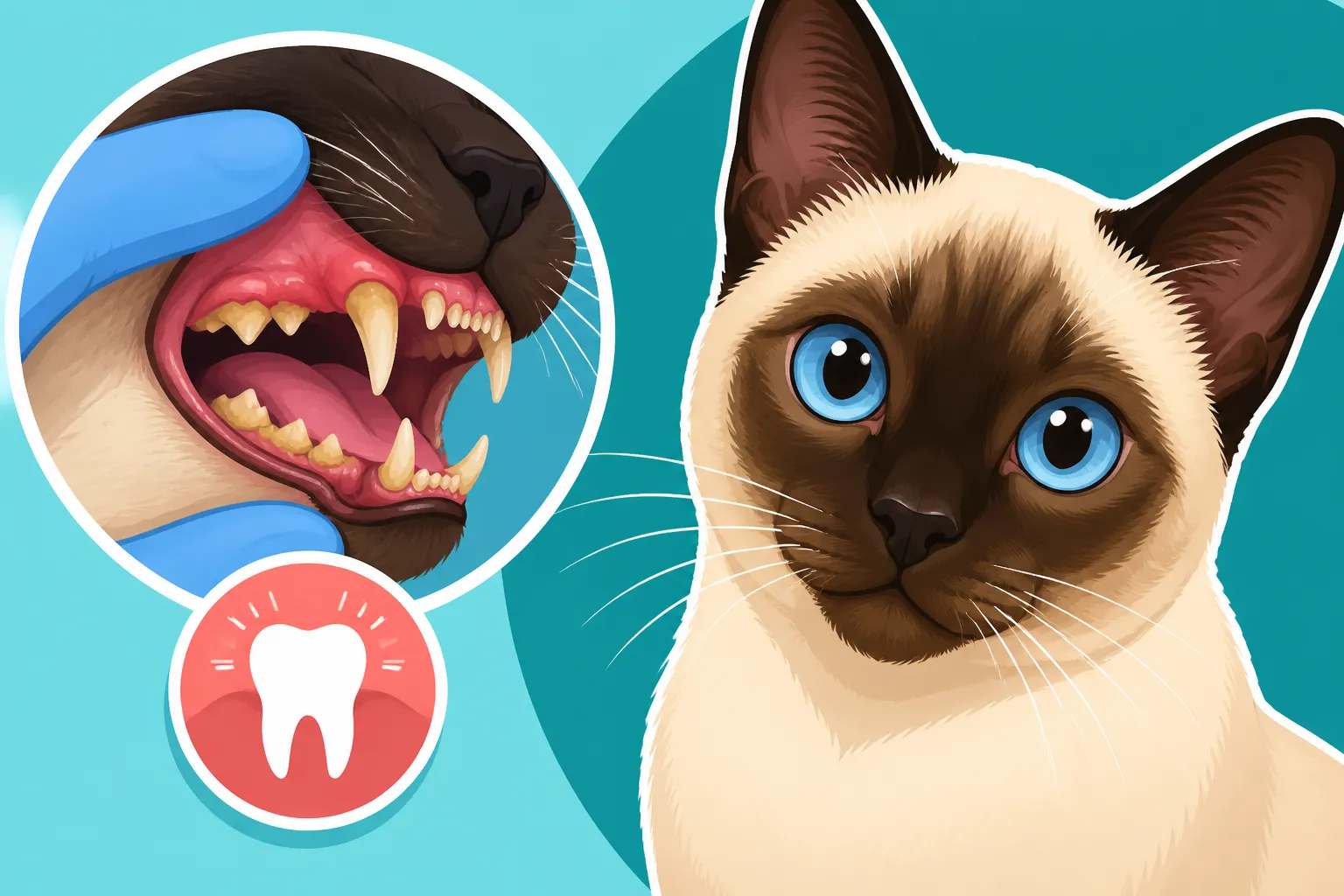
If your Siamese allows it, a careful visual inspection of their mouth can reveal a lot. Gently lift their lips to examine their gums and teeth. Healthy gums should be pink, not red, swollen, or bleeding. Look for tartar buildup, which appears as a yellowish-brown crust, especially along the gum line. You might see missing teeth, fractured teeth (which can be incredibly painful as the nerve is exposed), or discoloration. Sometimes, you'll spot lesions, especially on the outside of the teeth near the gum line, which can indicate tooth resorption. Swelling on one side of the face or under the eye can indicate an abscessed tooth root, a very serious and painful infection. Even subtle changes in their normally bright, clean teeth warrant attention, as early intervention can prevent much larger problems.
Table: Common Signs of Dental Disease in Siamese Cats
| Symptom Category | Early Signs (Mild Concern) | Advanced Signs (Urgent Concern) |
|---|---|---|
| Breath | Slightly unpleasant odor | Foul, pungent, persistent bad breath (halitosis) |
| Eating Habits | Slight pickiness, slower eating, dropping kibble | Refusal to eat hard food, favoring wet food, weight loss, difficulty chewing, pain on contact |
| Gums & Teeth | Mild redness at gum line, minor tartar | Swollen, bleeding, bright red gums, heavy tartar, missing teeth, fractured teeth, tooth discoloration |
| Behavior | Less playful, slightly withdrawn, reduced vocalizations | Hiding, irritability, aggression when touched near face, excessive drooling, pawing at mouth |
| Other Physical | Minimal or no visible changes | Facial swelling, discharge from nose/eye, matted coat (due to neglected grooming) |
Beyond Brushing: Comprehensive Dental Care Strategies
Once you've identified potential dental issues, or even better, before they become a major problem, implementing a comprehensive dental care strategy is paramount. It’s not just about what you do at home, but also partnering with your veterinarian. This multi-pronged approach is the most effective way to keep your Siamese cat’s mouth healthy and prevent the progression of painful diseases.
The Importance of Regular Professional Cleanings
Think of your cat’s professional dental cleaning as essential as your own. Just like humans, cats accumulate plaque and tartar that cannot be removed by home care alone once it hardens. During a professional dental cleaning, performed under general anesthesia by your veterinarian, your cat’s teeth are thoroughly scaled to remove all plaque and tartar, both above and below the gum line. This subgingival cleaning is crucial because that’s where the most damaging bacteria hide, causing periodontal disease. The teeth are then polished to smooth out any microscopic etches where plaque could easily re-attach.
Beyond the cleaning itself, a professional dental procedure involves a thorough oral exam and dental X-rays. These X-rays are absolutely vital because about two-thirds of a cat’s tooth structure lies hidden beneath the gum line. Conditions like root abscesses, bone loss, and those painful tooth resorptions mentioned earlier, are often invisible to the naked eye. Without X-rays, many serious issues would be missed, leaving your cat in silent pain. Your vet will assess the overall health of each tooth, identifying any that need extraction due to irreversible damage. This comprehensive approach ensures that not only are the visible issues addressed, but also the hidden ones that contribute to pain and infection. For any concerns about the procedure itself, a discussion around Whether a Siamese Cat Tolerates Anesthesia can help alleviate fears and prepare you for what to expect.
Daily Home Care and Preventative Measures
While professional cleanings are essential, daily home care is your front line of defense against dental disease. The gold standard is brushing your cat's teeth daily, or at least several times a week. Yes, it sounds daunting, especially with a strong-willed Siamese, but with patience and positive reinforcement, many cats can learn to tolerate it. Start slowly, introducing a feline-specific toothpaste (never human toothpaste!) and a finger brush or a very soft toothbrush. Make it a positive experience with praise and treats, gradually increasing the duration and intensity. Consistency is key, even if you only manage a few seconds at first.
Beyond brushing, there are other preventative measures you can implement. Dental diets, specifically formulated kibble that helps mechanically scrape plaque off teeth as your cat chews, can be beneficial. Look for products with the Veterinary Oral Health Council (VOHC) seal of acceptance, which signifies they meet certain efficacy standards. Dental treats and water additives are also available, though their effectiveness can vary. The key is to look for that VOHC seal and discuss options with your vet. Remember, these are supplementary; they don't replace brushing or professional cleanings, but they can definitely help slow down plaque and tartar accumulation, making your job easier and your cat's mouth healthier.
When More Intensive Treatment is Needed
Sometimes, despite our best efforts, dental disease progresses to a point where more intensive treatment is required. This often means tooth extractions. While the idea of your cat losing teeth can be upsetting, remember that a severely diseased or painful tooth is doing more harm than good. Extracting it eliminates a source of chronic pain and infection, vastly improving your cat’s quality of life. Cats adapt remarkably well to missing teeth, even multiple ones, and can continue to eat and live comfortably.
The extraction process involves careful surgical removal of the tooth, often requiring sutures to close the gum. Your vet will use pain medication before, during, and after the procedure to ensure your cat's comfort. In some cases, for particularly complex extractions or if there are concerns about bone integrity, a referral to a veterinary dental specialist might be recommended. These specialists have advanced training and equipment to handle intricate dental surgeries. The goal is always to relieve pain and eliminate infection, and sometimes, that means saying goodbye to a troublesome tooth. Understanding when to pursue such measures is part of providing the best possible care for your Siamese.
Navigating Treatment Options and Costs
It's no secret that veterinary care, especially specialized procedures like dental work, can come with a significant price tag. The emotional stress of seeing your Siamese in pain is often compounded by financial worries. Knowing what to expect regarding diagnostic procedures, the necessity of anesthesia, and how to manage the costs can help you make informed decisions without added anxiety. After all, your cat's health is priceless, but treatments do have costs.
Diagnostic Procedures: X-rays and Exams
Before any cleaning or extractions can happen, your vet needs to get a clear picture of what's going on inside your cat's mouth. This typically starts with a thorough physical oral examination. However, as we discussed, much of the problem lies below the gum line. That's why full-mouth dental X-rays are absolutely non-negotiable for a proper diagnosis. Without them, your vet is essentially flying blind, risking leaving painful issues like root abscesses, bone loss, or unerupted teeth undetected. These X-rays require your cat to be under anesthesia, as they need to lie perfectly still for clear images.
The cost of these diagnostic procedures can vary depending on your location and the veterinary clinic. Generally, an oral exam, pre-anesthetic blood work (to ensure your cat is healthy enough for anesthesia), and full-mouth dental X-rays could range from a few hundred dollars. This initial investment is crucial; it allows your vet to create a precise treatment plan, identifying exactly which teeth are compromised and require intervention, rather than guessing or only addressing superficial issues. It’s the foundation of effective dental care, ensuring that when the cleaning begins, all bases are covered.
Understanding Anesthesia and Its Risks
The mention of anesthesia often makes cat owners incredibly nervous, and it's a completely valid concern. However, it's important to understand that modern veterinary anesthesia is remarkably safe, especially for routine procedures like dental cleanings. Your vet will take numerous precautions to minimize risks. This includes pre-anesthetic blood tests to check organ function, especially liver and kidneys, to ensure your cat can safely metabolize anesthetic drugs. An intravenous catheter will be placed to administer fluids and provide quick access for emergency medications if needed.
During the procedure, your cat will be continuously monitored by a dedicated veterinary technician. They'll track heart rate, breathing, blood pressure, oxygen saturation, and body temperature. Anesthetic protocols are tailored to each individual cat, considering their age, health status, and breed. While no anesthetic procedure is completely risk-free, the benefits of a pain-free, infection-free mouth far outweigh the minimal risks for most cats. It's a testament to veterinary advancements that a procedure like this is now safer than ever, allowing cats to get the critical dental care they need. You might find it reassuring to discuss Whether a Siamese Cat Tolerates Anesthesia with your vet, addressing any specific concerns about your cat.
Financial Planning and Pet Insurance
The comprehensive nature of feline dental care means that costs can quickly add up, especially if extractions are needed. A routine cleaning, X-rays, and anesthesia might range from $500 to $1,500, but with multiple extractions, pain medication, and antibiotics, the bill can easily climb higher. This is where proactive financial planning and pet insurance become invaluable. Setting aside a dedicated "pet emergency fund" can provide a cushion for unexpected expenses.
Pet insurance, from providers like Healthy Paws, is another fantastic tool for managing these costs. While most pet insurance plans don't cover routine cleanings unless it's a wellness add-on, they do cover the treatment of dental diseases, including extractions, root canals, and treatment for periodontal disease, as long as it's not a pre-existing condition. Enrolling your Siamese cat when they are young and healthy is key to getting the most benefit. A good policy can reimburse a significant portion of your veterinary bill, turning a potentially budget-breaking expense into a manageable one. It's worth researching different plans and understanding what they cover, as the cost of a What a Siamese Cat's Dental Costs can be substantial over their lifetime. Even when considering What an Aging Siamese Cat's Bills Look Like, dental care remains a significant factor.
Long-Term Health: Preventing Recurrence and Maintaining Oral Wellness
Getting your Siamese cat's teeth cleaned and any necessary extractions done is a huge step, but dental health isn't a one-and-done deal. It's an ongoing commitment to prevent recurrence and ensure long-term oral wellness. Just like us, cats need consistent care to keep those pearly whites (or what's left of them!) in tip-top shape. This continuous effort is truly what defines responsible pet ownership, especially for a breed known for its The Fifteen to Twenty Years a Siamese Cat Gets.
Dietary Considerations for Dental Health
What your Siamese cat eats plays a significant role in their long-term dental health. While wet food is excellent for hydration and kidney health, it doesn't offer the same mechanical abrasion that kibble does. High-quality dry kibble, especially those specifically formulated as dental diets with the VOHC seal, can help reduce plaque and tartar buildup. These kibbles are often larger or have a unique texture designed to scrub the tooth surface as your cat crunches them. However, it's crucial to select a kibble that's also nutritionally complete and appropriate for your cat's age and activity level, especially for a Feeding a Lean Siamese Cat That Burns Everything.
If your cat is primarily on a wet food diet, or if they've had multiple extractions and struggle with hard kibble, home brushing becomes even more critical. You might also consider dental water additives recommended by your vet. The goal is to minimize the soft, sticky foods that cling to teeth and encourage plaque formation. Discuss with your veterinarian the best dietary strategy for your individual Siamese, balancing their overall health needs with their dental requirements. A balanced approach ensures they get the nutrition they need without compromising their oral hygiene.
The Role of Chews and Dental Toys
While brushing is king, certain dental chews and toys can be a helpful adjunct in maintaining your Siamese cat's oral health. Again, the key here is to look for products that carry the VOHC seal of acceptance, as this indicates they have been proven to reduce plaque and/or tartar. Many dental chews are designed with a specific texture or shape that provides a scrubbing action as your cat chews them. Some even contain enzymes that help break down plaque.
However, not all chews are created equal, and some can even be detrimental. Avoid anything too hard, like real bones or nylon chews, as these can easily fracture your cat's teeth, leading to emergency vet visits and painful extractions. Always supervise your cat when they're using dental chews or toys to ensure they chew safely and don't ingest large pieces. For a highly intelligent and playful breed like the Siamese, incorporating these into their daily routine can also provide mental enrichment. The right chew or toy can be a fun way to contribute to their dental hygiene, but always remember they are supplements to, not replacements for, proper brushing and professional veterinary care.
Disclaimer
This article is intended for informational purposes only and is not a substitute for professional veterinary advice, diagnosis, or treatment. Always seek the advice of your veterinarian or other qualified animal health provider with any questions you may have regarding a medical condition.