Teeth Are the Care Job a Siamese Cat Owner Cannot Skip
It’s a common misconception that if your Siamese cat isn’t visibly struggling to eat, their teeth must be fine. So many of us, myself included, have fallen into the trap of thinking a cat's dental health is an afterthought until a crisis hits. The truth is, dental care is arguably the most overlooked yet vital aspect of a Siamese cat’s long-term health, directly impacting their quality of life and even their lifespan. This comprehensive guide is here to shed light on why your Siamese cat's teeth demand attention and how you can become their best oral health advocate.
Why Dental Care Is a Non-Negotiable for Your Siamese Cat
Many cat owners, myself included, have learned the hard way that dental care isn't just about preventing bad breath. For our talkative and sometimes dramatic Siamese companions, poor oral hygiene can lead to silent suffering, systemic illness, and a significant reduction in their vibrant energy. It's truly a foundational piece of their overall well-being that can't be skipped.
The Link Between Oral Health and Whole-Body Health
You might wonder how a little plaque on your cat’s teeth can affect their entire body. It’s actually quite straightforward, albeit alarming. The mouth is a gateway. When bacteria from plaque and tartar build up on the teeth and under the gum line, it causes inflammation and infection – what we commonly call periodontal disease. This infection doesn't just stay in the mouth; those bacteria can easily enter the bloodstream.
Once in the bloodstream, these bacterial invaders can travel to major organs, including the heart, kidneys, and liver. Over time, this constant assault can lead to serious, chronic conditions. We're talking about heart valve infections, kidney disease, and liver problems, which are all much harder to treat than a simple dental cleaning. It's a sobering thought that something as seemingly minor as gum disease can have such far-reaching consequences for your beloved Siamese.
The Unique Challenges of Siamese Cat Dental Anatomy
Siamese cats, with their elegant, often slender build and distinctive features, also possess some unique dental characteristics that can make them more prone to certain issues. Their refined skull structure, especially in the modern "wedge" head types, can sometimes lead to slightly crowded teeth or jaw alignment issues. This crowding creates more nooks and crannies where food particles and bacteria can accumulate, making them a prime candidate for plaque and tartar buildup.
Furthermore, some Siamese cats seem genetically predisposed to conditions like tooth resorption, where the tooth structure erodes away, often without obvious signs until it's quite advanced and painful. This particular breed can be quite stoic, too, often hiding pain incredibly well. They might continue to eat, play, and interact, giving you no immediate indication that something is severely wrong in their mouth. It’s this combination of anatomical predisposition and their ability to mask discomfort that makes diligent dental care even more critical for Siamese owners.
Common Dental Problems Siamese Cats Face
It’s easy to assume that all cat dental problems are the same, but our Siamese friends can experience a range of issues, some more prevalent than others. Understanding these specific challenges can help you recognize symptoms early and take proactive steps.
Periodontal Disease: The Silent Culprit
Periodontal disease is, without a doubt, the most common dental problem in cats, and Siamese cats are no exception. It starts with plaque, a sticky film of bacteria, food particles, and saliva, accumulating on the teeth. If not brushed away, this plaque hardens into tartar (calculus), which then provides a rough surface for even more plaque to adhere to. The bacteria in plaque and tartar irritate the gums, leading to gingivitis—inflammation of the gums, which often appears as redness, swelling, and sometimes bleeding.
If gingivitis isn't addressed, the infection spreads below the gum line, attacking the supporting structures of the tooth. This leads to the destruction of the bone and ligaments holding the tooth in place, forming pockets where more bacteria thrive. Eventually, teeth loosen, become painful, and may even fall out. The whole process is insidious, often progressing for years without us noticing until the disease is quite advanced. This is exactly why a Siamese Cat Breeder Cannot Test for Amyloidosis or other inherited conditions, but they can screen for good dental health in breeding lines to try and reduce predispositions to problems like early onset gum disease.
Feline Odontoclastic Resorptive Lesions (FORLs)
Often abbreviated to FORLs, these are incredibly painful lesions that literally eat away at the tooth structure, starting at the gum line and progressing inward. They're also sometimes called "tooth resorption." Imagine having a cavity right at your gum line that slowly erodes your tooth away – that's what a FORL feels like for a cat, only often worse because it can expose the sensitive pulp of the tooth.
The frustrating thing about FORLs is that they are notoriously difficult to spot without a veterinarian's examination, often requiring dental X-rays to truly assess their extent beneath the gum line. A cat might show subtle signs of pain, like drooling, eating only on one side of their mouth, or suddenly developing a preference for soft food. However, many cats suffer in silence. While the exact cause isn't fully understood, genetics, diet, and inflammation are all suspected contributors. It’s a distinct and painful condition that can affect any tooth and is incredibly common in adult cats, including our Siamese. Tooth Resorption in a Siamese Cat is a serious and painful issue that often requires extraction.
Fractured or Broken Teeth
Siamese cats are curious and active creatures, prone to exploring every corner of their environment. Sometimes, this adventurous spirit can lead to accidents, including fractured or broken teeth. A fall, chewing on something too hard (like certain bones, hard plastic toys, or even the bars of a carrier if they're particularly stressed), or even an altercation with another pet can result in a chipped or broken tooth.
A fractured tooth can be excruciatingly painful, especially if the fracture extends into the pulp chamber, exposing the nerve. This open pathway also creates a direct route for bacteria to enter, leading to infection and abscess formation. You might notice your Siamese suddenly become head shy, refuse to eat, or rub their face more frequently. Any visible chip or break in a tooth, even if it seems small, warrants immediate veterinary attention. A cat's tooth enamel is strong, but not invincible, and even minor damage can lead to major discomfort and infection down the line.
Signs Your Siamese Cat Has Dental Pain or Disease
Our Siamese cats are masters of disguise when it comes to pain. Their instinct is to hide vulnerability, so by the time you notice obvious signs of dental discomfort, the problem is often quite advanced. Being a vigilant observer of subtle changes in their behavior is your best defense.
Subtle Behavioral Cues
Since direct vocalizations about pain aren't really an option for cats, we have to look for indirect signals. One of the earliest signs of dental pain might be a shift in their eating habits. Perhaps they start preferring soft food over crunchy kibble, or they approach their food bowl, sniff it, and then walk away. You might notice them chewing on only one side of their mouth or dropping food more often. Some cats become very selective about what they eat, turning their nose up at previously beloved treats.
Beyond eating, look for changes in their grooming routine. A cat with a sore mouth might groom less, leading to a duller, unkempt coat, especially around the face. Conversely, some might over-groom a specific area, like rubbing their cheek excessively against furniture or their paws. A sudden increase in drooling, especially if the saliva is tinted pink or brown, is another red flag. They might become more irritable, less playful, or withdraw from interaction because any touch near their face or even just the act of purring or yawning becomes uncomfortable. These are all subtle indicators that something isn't right.
Obvious Physical Symptoms
While subtle cues are common, certain physical symptoms scream "dental emergency." Bad breath, or halitosis, is probably the most common and often the first thing owners notice. It’s not just "cat breath"; truly bad breath is a sign of bacterial overgrowth and infection. Lift their lip and examine their gums. Are they red, swollen, or bleeding when you gently touch them? Are there any visible deposits of brown or yellow tartar on the tooth surfaces, especially on the back teeth?
Other clear signs include facial swelling, which could indicate a tooth root abscess, or pus around the gum line. You might also notice a discharge from one nostril or swelling under an eye, which can be connected to severe upper jaw tooth infections. Loose or missing teeth are also undeniable indicators of advanced dental disease. If you see any of these more dramatic signs, don't delay – your Siamese cat is likely in significant pain and needs immediate veterinary attention. These are the kinds of signs that reveal What Most Siamese Cats Die Of too early, if left unaddressed.
The Role of Regular Home Checks
As your cat's primary caregiver, you are uniquely positioned to spot these early warning signs. Make it a habit to regularly, gently, lift your Siamese cat's lips to get a quick peek at their teeth and gums. You don't need to do a full dental exam, but just a quick visual check can go a long way. Look for any redness, swelling, discoloration, or obvious chips. Pay attention to their breath. While it's never going to smell like roses, a sudden worsening or particularly foul odor should not be ignored.
Even if you don't see anything alarming, these regular checks get your cat used to having their mouth handled, which makes future vet visits or even home brushing much easier. This simple routine, paired with regular professional veterinary check-ups, forms a powerful defense against dental disease progressing silently and painfully in your cherished Siamese. Early detection truly makes all the difference in treatment success and minimizing discomfort.
The Gold Standard: Professional Veterinary Dentals
When it comes to treating existing dental disease or getting a thorough assessment of your Siamese cat's oral health, there's simply no substitute for a professional veterinary dental cleaning under anesthesia. It might sound intimidating, but it's truly the only way to do the job properly and painlessly.
Why Anesthesia Is Necessary
I know, the thought of your precious Siamese cat going under anesthesia is nerve-wracking. Every pet owner worries, and rightly so. However, it's crucial to understand why it's not just preferred, but absolutely necessary for a proper dental procedure. Unlike a human who can sit still and follow instructions, a cat cannot. Imagine trying to scrape tartar from every tooth surface, including the tricky ones at the back, or probing under the gum line of an awake, possibly anxious, cat. It's impossible to do effectively and safely.
Anesthesia allows the veterinarian to perform a thorough and pain-free examination, cleaning, and any necessary extractions without causing stress or injury to your cat. It means they can take full-mouth dental X-rays, which are essential for seeing problems hidden below the gum line—like Tooth Resorption in a Siamese Cat or abscesses—that are invisible to the naked eye. Without anesthesia, a "cleaning" would be purely cosmetic, addressing only the visible tartar and leaving the real, painful problems untouched. Modern anesthesia protocols are incredibly safe, with pre-anesthetic blood work, IV fluids, and continuous monitoring throughout the procedure greatly reducing risks.
What Happens During a Professional Dental Cleaning
When your Siamese cat goes in for a dental, it's far more than just a quick scrape. First, they'll undergo pre-anesthetic blood tests to ensure their organs are functioning well enough to safely metabolize the anesthetic. Once under anesthesia, a trained veterinary technician will meticulously scale all visible plaque and tartar from the tooth surfaces, both above and below the gum line, using ultrasonic scalers and hand instruments, just like your own hygienist uses.
After scaling, each tooth is polished to smooth the enamel, making it harder for plaque to adhere in the future. Then comes the critical part: a full oral examination and dental X-rays. The vet will carefully probe around each tooth, looking for pockets or signs of disease. The X-rays reveal any issues affecting the tooth roots or jawbone. If painful issues like severe periodontal disease, abscesses, or FORLs are found, extractions are performed with pain management protocols in place. Finally, a fluoride treatment may be applied to strengthen the enamel. When your cat wakes up, they’ll be monitored closely, and often sent home with pain medication to ensure a comfortable recovery. This comprehensive approach is how we truly address Dental Disease in a Siamese Cat.
How Often a Siamese Cat Needs a Dental
The frequency of professional dental cleanings really depends on your individual Siamese cat and your commitment to home care. For some cats with excellent home care and no underlying issues, a dental every 2-3 years might suffice. However, many Siamese cats, due to genetic predisposition or less-than-perfect home routines, may require annual cleanings. Cats prone to rapid plaque buildup, those with a history of periodontal disease, or those with known conditions like FORLs often benefit from more frequent examinations.
Your veterinarian is the best person to advise on the ideal schedule for your cat. They'll consider factors like age, breed, diet, existing dental health, and how well your cat tolerates home care. During their annual wellness exam, your vet will perform an oral check and give you an assessment of their current dental health, recommending a professional dental when needed. Remember, prevention and early intervention are key; waiting until your Siamese cat is visibly struggling with severe pain will only make the procedure more extensive and potentially more costly. This proactive approach saves your cat from suffering and you from bigger bills down the road. It's an investment in The Fifteen to Twenty Years a Siamese Cat Gets.
Daily Home Dental Care for Your Siamese Cat
While professional dentals are crucial for deep cleaning and addressing existing problems, daily home care is the foundation of preventing dental disease in the first place. It’s about building a routine, even if it feels like wrestling an octopus at first.
Brushing Your Siamese Cat's Teeth
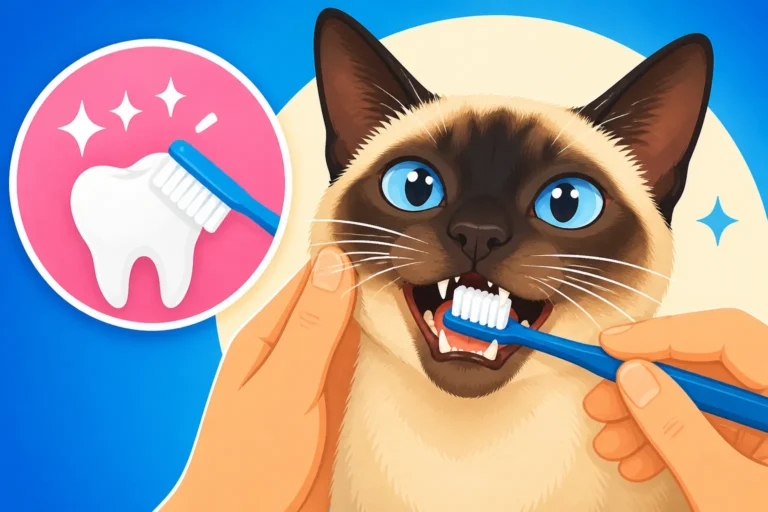
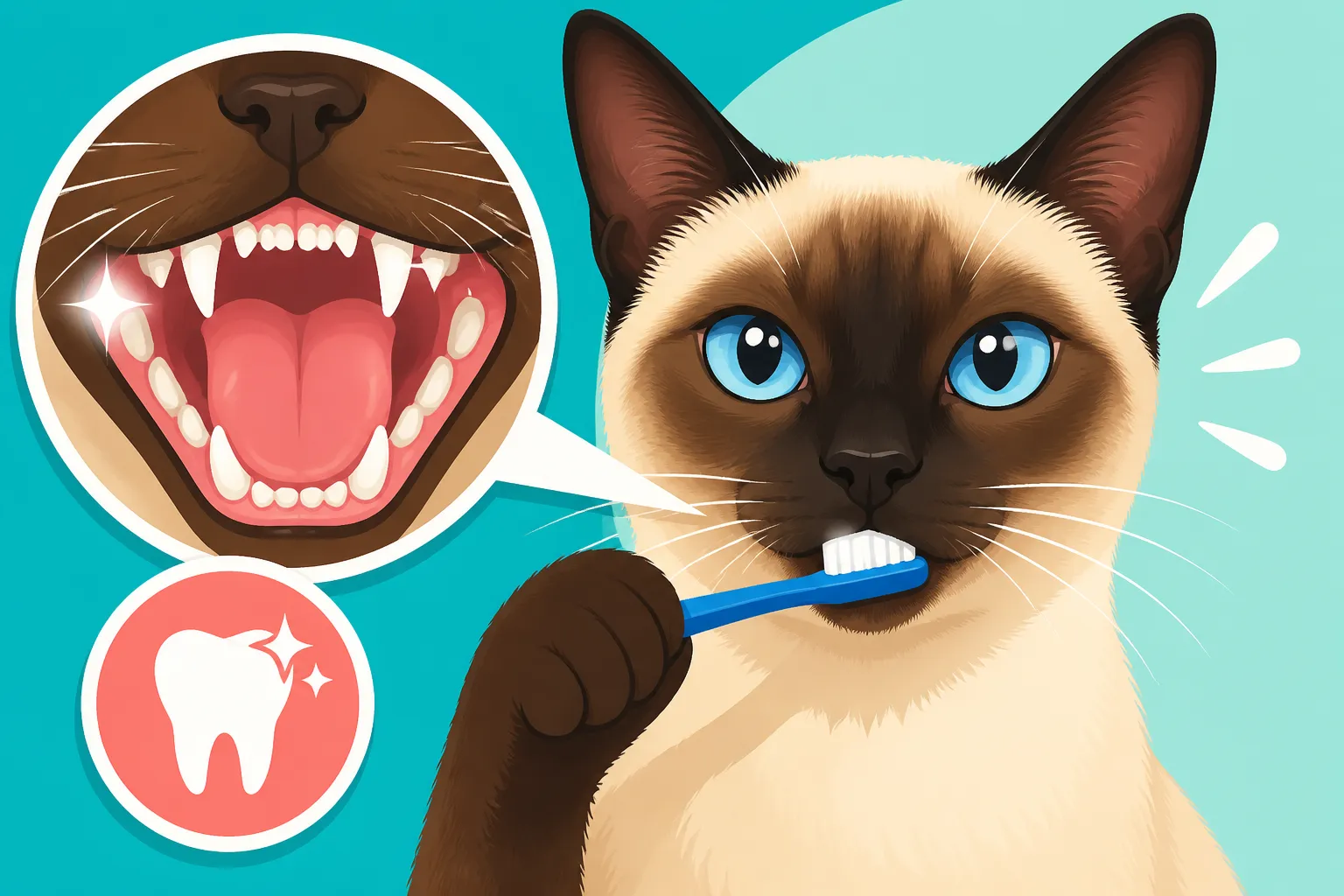
This is, hands down, the most effective thing you can do at home for your Siamese cat's dental health. It's exactly like brushing your own teeth – it physically removes plaque before it hardens into tartar. Now, I know what you're thinking: "Brush my cat's teeth? Are you serious?" And yes, I am! It takes patience and a gradual approach, but it is entirely possible. Start by just getting your cat used to having their mouth and lips handled. Reward them lavishly with treats. Then, introduce a finger brush or a very soft baby toothbrush with a tiny dab of feline-specific toothpaste (never use human toothpaste, as it contains ingredients toxic to cats).
Focus on the outside surfaces of the upper teeth, where plaque tends to accumulate most. Don't worry about getting every single tooth perfect, especially at first. Even a few seconds of gentle brushing a few times a week can make a huge difference. If you can build up to daily brushing, that's the absolute gold standard. Products from Chewy or Amazon can provide a variety of cat-specific toothbrushes and toothpastes to help you find what works best for your Siamese. Remember, consistency is key, and positive reinforcement will make it a much less stressful experience for both of you. You might be surprised how quickly they adapt, especially if you start them young.
Dental Treats and Chews
When brushing isn't feasible every single day, or as an added layer of defense, dental treats and chews can play a supplementary role. It's important to choose these wisely. Look for products that have been awarded the Veterinary Oral Health Council (VOHC) seal of acceptance. This means they've undergone studies that show they effectively reduce plaque and/or tartar. Many popular brands offer VOHC-approved options.
These treats often have a specific texture or shape designed to mechanically scrape plaque off the teeth as your cat chews. Some also contain enzymes or ingredients that help break down plaque. While they are not a substitute for brushing or professional cleanings, they can certainly help maintain dental hygiene between vet visits. Just be mindful of the calorie count, especially for our lean Siamese cats, and ensure they are still getting balanced nutrition. You can find a good selection of VOHC-approved dental treats on platforms like Amazon or Chewy.
Water Additives and Oral Gels
Another tool in your home dental care arsenal is water additives and oral gels. Water additives are usually flavorless liquids that you add to your cat's drinking water daily. They often contain ingredients that help reduce bacteria in the mouth or break down plaque. This can be a very low-effort way to contribute to their oral health, especially for cats who absolutely refuse brushing.
Oral gels typically contain enzymes that help inhibit bacterial growth and break down plaque. These are usually applied directly to the gums or teeth, often rubbed in with a finger, or sometimes simply licked off your finger by the cat. They require a bit more direct interaction than water additives but less than full brushing. Again, look for products that are VOHC-approved or recommended by your veterinarian. These are great supplemental options, particularly for multi-cat households where individual brushing might be a challenge, or for cats with Gingivitis in a Siamese Cat where you want to reduce inflammation gently.
Diet and Dental Health: What to Feed Your Siamese
The food your Siamese cat eats plays a significant, though often misunderstood, role in their dental health. It’s not just about what goes into their bowl, but how it interacts with their teeth and gums.
The Myth of "Dental Kibble"
For years, many cat owners were told that feeding dry kibble would "clean" their cat's teeth. The reality is a bit more nuanced. Most standard kibble shatters upon impact, offering very little abrasive action against the teeth. It's like us trying to clean our teeth by eating potato chips – it just doesn't work. In fact, many kibbles are high in carbohydrates, which can contribute to plaque formation by providing a food source for oral bacteria.
However, there are specifically formulated veterinary dental diets that do have proven dental benefits. These are often larger kibble pieces with a unique fibrous texture that resists shattering, forcing the tooth to penetrate the kibble and scrape off plaque. They may also contain ingredients to prevent tartar mineralization. These special dental kibbles are often available through your veterinarian or at pet supply stores, and can be a good option for cats who won't tolerate brushing or other home care methods. But remember, even these are usually a supplement to, not a replacement for, professional cleanings.
Wet Food, Raw Food, and Fresh Diets
Many Siamese cats thrive on wet food, raw food, or fresh diets, and these can have their own considerations for dental health. Wet food, by its very nature, offers no abrasive action against the teeth and can sometimes leave more sticky residue in crevices, potentially contributing to plaque. If your Siamese is on an exclusively wet diet, home brushing becomes even more critical.
Raw diets are sometimes touted as “natural” teeth cleaners due to the inclusion of raw bones. While gnawing on appropriate raw bones can offer some mechanical cleaning, there are significant risks involved, including fractured teeth (which can be very painful and costly to treat), choking, and bacterial contamination (for both the cat and household members). It's a highly debated topic, and careful consideration and veterinary guidance are essential if exploring this route. Fresh, human-grade cat food services often focus on overall nutrition, but usually don't make specific dental claims. If you're using such a service, ensure you're still addressing dental hygiene separately.
Nutritional Support for Strong Teeth and Gums
Beyond the texture of food, the overall nutritional quality of your Siamese cat's diet plays a foundational role in maintaining strong teeth and healthy gums. A diet rich in high-quality protein, essential fatty acids, and balanced vitamins and minerals supports robust immune function, which is crucial for fighting off oral infections. Calcium and phosphorus, in the correct ratios, are vital for strong bone and tooth structure.
While specific supplements aren't usually needed if your cat is on a complete and balanced commercial diet, ensuring they receive adequate nutrition is paramount. Some supplements, like omega-3 fatty acids, can help reduce systemic inflammation, which might indirectly benefit gum health. Always discuss any dietary changes or supplements with your veterinarian to ensure they are appropriate for your Siamese cat's specific needs and won't interact negatively with any existing health conditions. A healthy body creates a healthy environment for healthy teeth and gums.
When to Seek Veterinary Help for Your Siamese Cat's Teeth
Knowing when to call the vet is crucial. While regular check-ups are important, some situations warrant immediate attention, ensuring your Siamese cat gets the relief they need without unnecessary delay.
Emergency Dental Situations
Certain dental issues constitute an emergency and require prompt veterinary intervention. If you notice your Siamese cat suddenly stops eating entirely, or cries out in pain when trying to eat, it could be a sign of acute dental trauma or a severe abscess. Facial swelling, particularly under the eye or along the jawline, is another major red flag, often indicating a painful tooth root abscess that needs urgent drainage and treatment.
Excessive drooling, especially if it's thick, bloody, or accompanied by a foul odor, is also a sign of severe oral pain or infection. If you observe a visibly broken or chipped tooth with the inner pulp exposed (it might look like a dark spot or a hole), this is a very painful condition that leaves the tooth vulnerable to infection and needs immediate attention. Any signs of bleeding from the mouth that isn't just a tiny bit from a vigorous chew toy session should also prompt a vet visit. Your Siamese cat is likely in intense pain and cannot wait.
Persistent Pain or Discomfort
Sometimes, the signs aren't as dramatic as an emergency, but they are persistent and concerning. If you've been noticing subtle behavioral changes for a few days or weeks – a consistent preference for soft food, head shyness, reduced grooming, or unexplained irritability – it's time to schedule a non-emergency but urgent vet visit. These prolonged signs of discomfort are your cat's way of telling you they're hurting, even if they're not screaming in agony.
Perhaps you tried home brushing, and they suddenly became resistant, or you noticed a new area of redness or swelling that hasn't subsided. Don't play detective or wait for it to get worse. A quick phone call to your vet to describe the symptoms can help them triage the situation and advise whether it needs an immediate appointment or can wait a few days. Ignoring persistent discomfort can lead to the problem worsening, potentially requiring more invasive and costly treatment down the line. Keep an eye out for these subtle cues; they're often the first indicators of Signs a Siamese Cat Is Unwell.
Routine Check-ups and Preventative Care
Even if your Siamese cat seems perfectly fine, routine veterinary check-ups are essential for dental health. During their annual wellness exam, your veterinarian will perform a basic oral examination. They'll lift your cat's lips, look for signs of gingivitis, plaque, tartar, and any obvious lesions or broken teeth. This visual check, though limited, can often detect early signs of disease that might not be apparent to you.
Based on this examination, your vet can recommend if and when a professional dental cleaning under anesthesia is necessary. They can also provide guidance on home dental care techniques, recommend specific products (like VOHC-approved treats or toothpastes available through Chewy or Amazon), and discuss any breed-specific predispositions to dental issues. Think of these routine checks as your first line of defense; they help catch problems before they become severe and ensure your Siamese cat’s mouth remains as healthy as possible throughout their life. This proactive approach saves your cat from pain and helps manage the What a Siamese Cat Costs Over Twenty Years of ownership, by preventing bigger issues.
Long-Term Dental Health: A Lifetime Commitment
Caring for your Siamese cat's teeth isn't a one-and-done task; it's a lifelong commitment that evolves as they age. From kittenhood to their senior years, their dental needs will change, and your dedication to their oral hygiene will profoundly impact their quality of life.
Starting Young: Dental Care for Kittens
The best time to start thinking about dental care is when your Siamese is a kitten. While kittens have their baby teeth, which will eventually fall out, this is the ideal window to acclimate them to mouth handling and gentle brushing. Start by simply touching their muzzle, then their gums, offering high-value treats and praise. Gradually introduce a finger brush or a tiny, soft kitten toothbrush with feline-specific toothpaste.
Even if you’re just doing a few gentle rubs, you’re building positive associations. This early training makes a world of difference. A kitten who is comfortable with mouth handling will be a much easier adult cat to brush. It sets the stage for a lifetime of good oral hygiene habits and can help prevent the onset of severe dental disease later. Plus, it gives you a chance to examine their mouths for any Congenital Defects in a Siamese Cat Kitten that might affect their dental development.
Adapting Care for the Aging Siamese Cat
As your Siamese cat transitions into their senior years (typically around 10-12 years old), their dental needs can change significantly. Older cats are more prone to advanced periodontal disease, Tooth Resorption in a Siamese Cat, and other age-related oral issues. They may also have underlying health conditions, such as kidney disease or heart disease, that make dental procedures more complex.
For older Siamese cats, regular vet check-ups become even more crucial. Your vet will assess their overall health before recommending anesthesia for a dental, often suggesting additional blood work or other diagnostics to ensure they are fit for the procedure. You might need to adjust their diet to softer foods if chewing becomes difficult, but this doesn't mean you can skip dental care. In fact, wet food might stick to teeth more, making brushing or other preventative measures even more important. Be extra vigilant for signs of pain, as an aging cat may become more stoic or simply slow down, making it harder to differentiate pain from normal aging. Caring for a Siamese Cat Past Twelve involves a holistic approach, and dental health is a cornerstone of that care.
Maintaining Vigilance and Consistency
Ultimately, successful long-term dental health for your Siamese cat comes down to vigilance and consistency. It means making daily home care a routine, whether that's brushing, using dental treats, or water additives. It means scheduling annual veterinary check-ups and being proactive about professional dental cleanings when recommended. It means being attentive to subtle changes in their behavior that might signal discomfort.
No single product or method is a magic bullet. It’s a multi-faceted approach where each piece supports the others. By dedicating time and effort to your Siamese cat's oral hygiene throughout their life, you’re not just preventing bad breath; you’re safeguarding them from pain, serious systemic illnesses, and ensuring they can enjoy their food, play, and vocalize comfortably for many happy years. Your beloved Meezer deserves a healthy smile, and you have the power to provide it.
| Dental Care Method | Effectiveness (Home) | Pros | Cons | Best Use Case |
|---|---|---|---|---|
| Tooth Brushing | High | Most effective at removing plaque | Can be challenging to implement with resistant cats | Gold standard for daily plaque removal, ideally daily |
| VOHC Dental Chews | Moderate | Can help reduce plaque/tartar through abrasion | Not a substitute for brushing; calorie intake concerns | Supplement to brushing, for cats who enjoy chewing |
| Water Additives | Low to Moderate | Easy to use, minimal effort; addresses whole mouth | Less effective than direct mechanical removal; taste issues | For cats who refuse all other home care; supplementary |
| Oral Gels/Wipes | Low to Moderate | Direct application of active ingredients | Requires some level of cat cooperation, less thorough | For targeted areas of gingivitis or as a brushing alternative |
| Professional Dental | High (Veterinary) | Thorough cleaning, X-rays, extractions under anesthesia | Requires anesthesia, cost, recovery time | Essential for treating existing disease and deep cleaning |
Disclaimer
This article is for general informational purposes only and does not constitute professional advice. Laws, prices and regulations vary by location and change over time. Consult a qualified professional for guidance on your specific situation.