How a Vet Stabilizes a Bleeding Siamese Cat
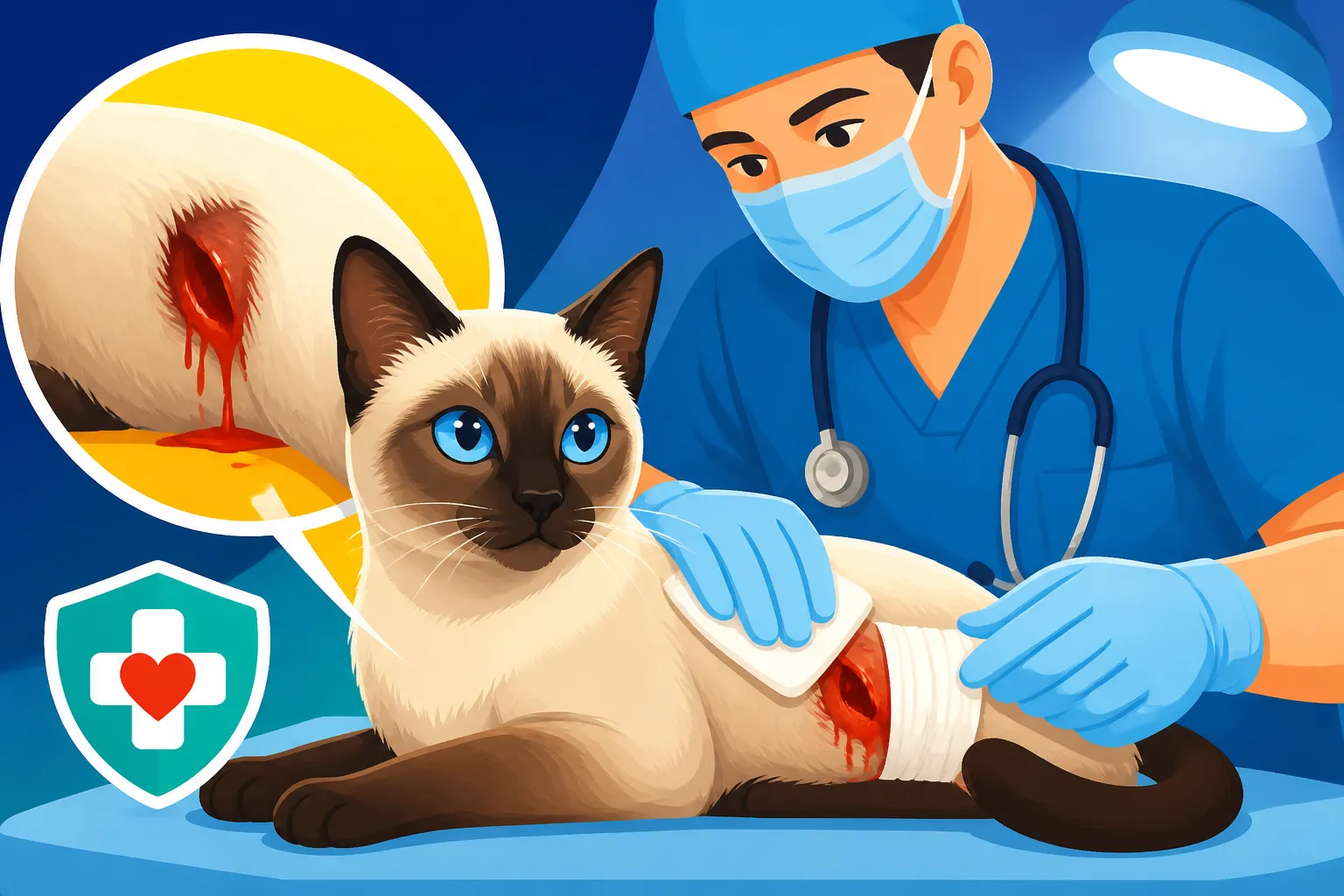
There are few things more terrifying for a Siamese cat owner than discovering their beloved feline companion is suddenly unwell, perhaps lethargic, weak, or even collapsed, with the dreadful suspicion of internal bleeding. This isn't just a minor ailment; it's a critical emergency that requires immediate, expert veterinary attention. This guide will walk you through what to expect when you rush your Siamese to the vet in such a dire situation, outlining the crucial steps medical professionals take to stabilize a bleeding cat and give them the best chance at recovery.
Recognizing the Emergency: Signs of Internal Bleeding in Your Siamese Cat
It's a horrifying moment when you realize something is deeply wrong with your Siamese. Unlike a cut or visible wound, internal bleeding is often hidden, making it incredibly insidious. The key to survival often lies in recognizing those subtle, yet alarming, signals your cat might be sending, and acting swiftly.
Subtle Clues and Sudden Collapse
Siamese cats are notoriously good at hiding pain and illness, a survival instinct that can work against them in a crisis. Internal bleeding can start subtly, making you wonder if your cat is just "off" or having a bad day. You might notice your usually boisterous Meezer becoming unusually quiet, hiding away, or having a decreased appetite. Their gums might appear paler than usual – a critical indicator that they're losing blood. Sometimes, it progresses rapidly. One moment your cat is walking, the next they might collapse, become unresponsive, or struggle significantly to breathe. If you see signs a Siamese cat's liver has ruptured, such as a distended abdomen or extreme pain, you need to get to an emergency vet immediately. This kind of rupture is often caused by amyloidosis, where the liver becomes fragile. You can read more about how amyloid weakens a Siamese cat's liver wall in our dedicated article.
The Urgency of Veterinary Intervention
Every second counts when internal bleeding is suspected. This isn't a situation for a "wait and see" approach or a call to your regular vet for advice if they aren't open. You need to locate the nearest emergency veterinary hospital or clinic right away. The faster your Siamese cat receives professional medical care, the better their chances of survival. Think of it like this: an internal bleed is like a leak in a vital pipe within their tiny body. Without immediate intervention, the pressure drops, organs fail, and the outcome can be devastating. Owners often ask how fast a Siamese cat dies from a liver bleed, and the answer is frighteningly quick without urgent care. This is where pet insurance, like a plan from Healthy Paws, can be invaluable, as the last thing you want to worry about in a crisis is the cost.
Immediate Steps: What Happens Upon Arrival at the Vet
When you burst through the doors of the emergency vet with your precious Siamese, a whirlwind of activity will begin. The veterinary team is trained for these high-stress situations and will move with purpose, prioritizing stabilization above all else. It can feel overwhelming, but understanding their process can provide a small measure of comfort.
Rapid Assessment and Diagnostics
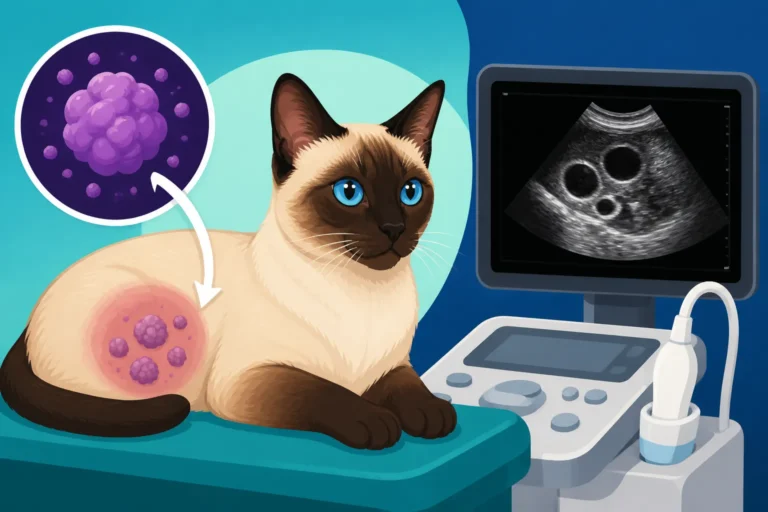
The first thing the vet team will do is a rapid, hands-on assessment. This isn't just a quick peek; they'll be checking your cat's mucous membranes (gums) for paleness, assessing their heart rate, respiratory rate, temperature, and capillary refill time – all indicators of their circulatory status. They might perform an emergency ultrasound right then and there, often called an AFAST or TFAST scan, which quickly looks for fluid (blood) in the abdomen or chest. This is crucial for confirming internal bleeding. They'll also likely draw blood for immediate analysis. Key blood values flag amyloidosis in a Siamese cat, which can indicate a predisposition to liver fragility and bleeding. This quick diagnostic work-up helps them understand the severity of the bleed and begin to pinpoint the cause.
Stabilizing Vital Signs: The First Priority
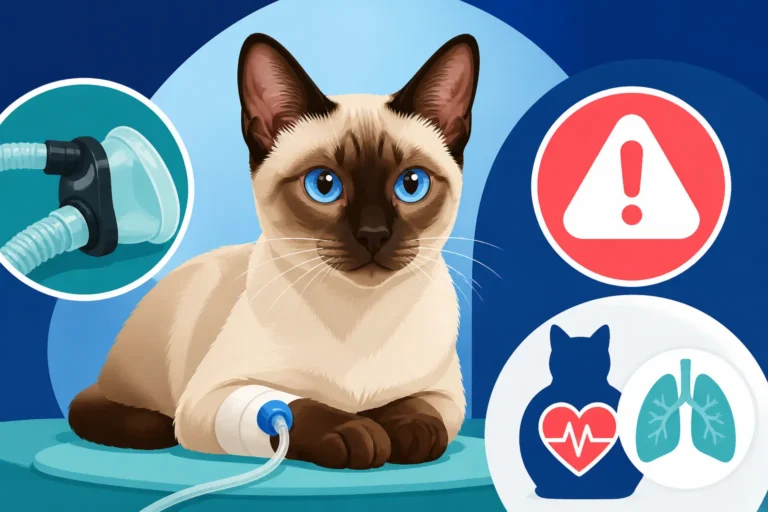
Once internal bleeding is confirmed, the absolute top priority is to stabilize your cat's vital signs. This means combating shock and restoring blood volume. They will immediately place an intravenous (IV) catheter, usually in a front leg, to administer fluids. These fluids help to increase blood pressure and replace lost volume, circulating oxygen and nutrients throughout the body. Your cat will be placed on supplemental oxygen, especially if they are struggling to breathe, and their heart rate, blood pressure, and oxygen saturation will be continuously monitored. Keeping a Siamese cat warm is also critical, as hypothermia can worsen shock. This initial aggressive treatment is about buying time, giving your cat's body a fighting chance while the veterinary team works on a more definitive plan.
Life-Saving Interventions: Managing Internal Hemorrhage
Stabilization is just the first hurdle. The vet's next challenge is to actively manage the internal bleeding itself and, if possible, identify and treat the underlying cause. This phase requires a combination of intensive medical support and potentially surgical intervention.
Fluid Therapy and Blood Transfusions
As mentioned, IV fluids are foundational. They rapidly replace lost fluid volume, helping to support blood pressure and organ function. However, fluids alone don't replace red blood cells, which are vital for carrying oxygen. If your Siamese cat's red blood cell count (PCV) drops dangerously low, a blood transfusion becomes a life-saving necessity. These transfusions involve carefully matching blood types to prevent adverse reactions and slowly administering donated cat blood. The process is closely monitored, as even a successful transfusion carries risks. During this critical time, your veterinary team might also administer medications to help with blood clotting or to manage pain. It's a costly and intense process, but essential for survival, highlighting why having comprehensive pet insurance from providers like Healthy Paws can be such a relief in these harrowing moments.
Addressing the Source of the Bleeding
While stabilizing the cat, the veterinary team is also working to figure out why the bleeding is happening. This might involve more detailed imaging, like radiographs or a full abdominal ultrasound, to look for organ rupture, tumors, or other abnormalities. For Siamese cats, a common culprit for severe internal bleeding is a ruptured liver or spleen, especially if the cat has an underlying condition like amyloidosis. Amyloidosis is the disease that kills young Siamese cats, often through liver rupture. Depending on the source and severity of the bleeding, surgical intervention might be necessary to directly stop the hemorrhage, for example, to remove a ruptured organ or ligate a bleeding vessel. This is a complex and risky procedure, especially for a cat already in shock, but it might be the only way to save their life. Whether a Siamese cat survives a ruptured liver often depends on the speed of diagnosis and surgical intervention. You might want to understand more about how a Siamese cat's ruptured liver is treated if your cat faces this.
Post-Stabilization Care and Prognosis
Even if your Siamese cat is successfully stabilized, the journey isn't over. The days and weeks following such an emergency are critical for recovery, and the long-term prognosis can vary widely depending on the underlying cause of the bleeding.
Monitoring and Ongoing Support
After the initial crisis, your Siamese cat will require intensive inpatient care. This includes continuous monitoring of their vital signs, repeated blood tests to track their red blood cell count and other key indicators, and ongoing fluid therapy. They may need pain management, anti-nausea medications, and antibiotics to prevent secondary infections. The vet team will slowly introduce food and water as tolerated. This period is crucial for allowing their body to heal and recover from the trauma of the bleeding and any surgical procedures. Regular check-ins with your vet will be necessary, and you'll receive detailed instructions for home care once your cat is well enough to return. This ongoing care, including follow-up appointments and potential medications, can accumulate in cost, which again underscores the benefit of having pet insurance such as Healthy Paws to mitigate financial stress during a difficult time.
Understanding the Long-Term Outlook
The prognosis for a Siamese cat after internal bleeding depends heavily on what caused it. If the bleeding was due to an injury and successfully repaired, the outlook can be good. However, if it's related to a chronic, progressive disease like amyloidosis, the long-term prognosis is often guarded. What amyloidosis does to a Siamese cat is gradually destroy organ function, and while immediate bleeding can be addressed, the underlying condition remains. Your vet will discuss all diagnostic findings with you, explaining the likely cause, available treatment options, and the expected quality of life moving forward. They will help you make informed decisions about managing any chronic conditions and providing the best possible care for your beloved Siamese. Unfortunately, Siamese cats are known for hiding pain, so you'll need to be extra vigilant for any signs a Siamese cat is unwell during their recovery. It's a long road, but with dedicated care, many Siamese cats can recover and enjoy more quality time with their families.
Here's a quick overview of common vet interventions for a bleeding Siamese cat:
| Intervention | Purpose | Key Outcomes |
|---|---|---|
| Rapid Physical Exam | Assess severity of shock, identify immediate life threats | Determine urgency, guide initial treatment |
| Emergency Ultrasound | Detect free fluid (blood) in abdomen/chest | Confirm internal bleeding, localize major bleed site |
| IV Catheter & Fluids | Combat shock, restore blood volume, support blood pressure | Stabilize circulation, prevent organ failure |
| Oxygen Therapy | Support respiratory function, increase oxygen delivery to tissues | Improve breathing, reduce tissue hypoxia |
| Blood Transfusion | Replace lost red blood cells, improve oxygen-carrying capacity | Reverse severe anemia, stabilize oxygenation |
| Blood Tests (e.g., PCV) | Monitor red blood cell count, assess clotting ability | Track blood loss, guide transfusion needs, identify clotting issues |
| Pain Management | Alleviate discomfort, reduce stress, aid recovery | Improve comfort, prevent physiological stress responses |
| Surgery (if indicated) | Directly stop bleeding (e.g., remove ruptured organ, ligate vessel) | Definitive treatment for mechanical bleed, prevents further blood loss |
Disclaimer
The information provided in this article is for educational purposes only and is not intended to be a substitute for professional veterinary advice, diagnosis, or treatment. Always seek the advice of your veterinarian or other qualified animal health provider with any questions you may have regarding a medical condition.