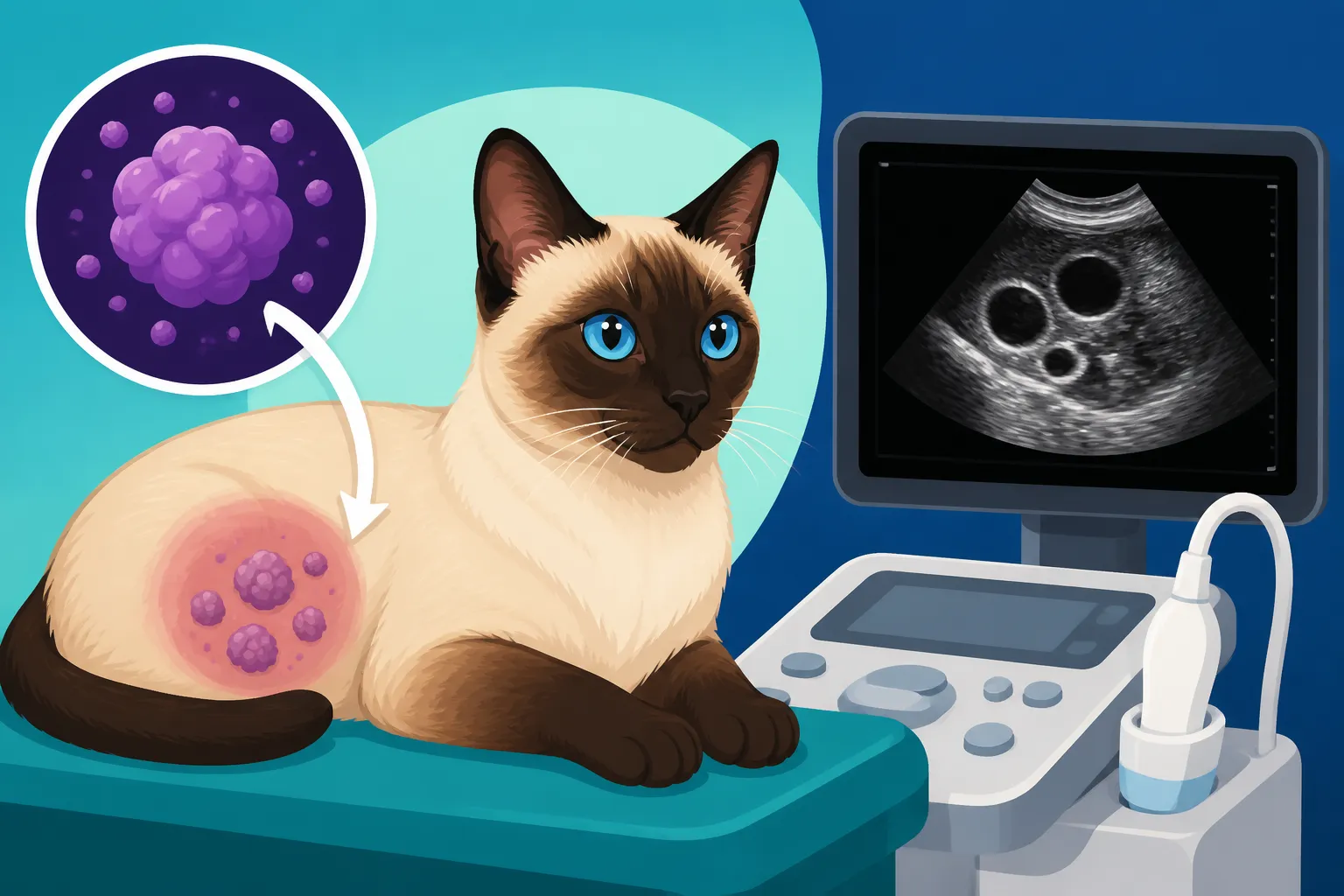
Whether an Ultrasound Finds Siamese Cat Amyloidosis
When you're deeply worried about your beloved Siamese cat, especially when facing the specter of a disease like amyloidosis, the diagnostic process can feel like an incredibly frustrating and confusing maze. The fear of the unknown, coupled with the heartbreaking reality that this condition is notoriously difficult to pinpoint until it's quite advanced, leaves many of us desperate for any tool that might offer clarity. This comprehensive guide aims to cut through that uncertainty, offering a realistic look at whether an ultrasound can truly uncover Siamese cat amyloidosis, and what its role is in the bigger diagnostic picture.
The Elusive Nature of Siamese Cat Amyloidosis Diagnosis
It's a stark reality for Siamese cat owners: amyloidosis is a silent, insidious thief that often works its damage long before you see any obvious signs. This isn't a disease that announces itself with a fanfare; it creeps in, making diagnosis a true challenge, riddled with anxiety for owners and complexity for veterinarians.
Why Amyloidosis Is So Hard to Spot Early
Imagine a microscopic, sticky protein building up silently, layer by layer, within your cat's most vital organs. That's essentially what amyloidosis is – the abnormal deposition of amyloid proteins. In Siamese cats, this often targets the liver and kidneys, two organs absolutely critical for life. The problem is, these organs are incredibly resilient. They can continue to function, albeit at a reduced capacity, even when a significant amount of damage has occurred. Your cat might show very subtle signs – a slight dip in appetite, a bit more lethargy than usual – but these are so non-specific that they could be attributed to anything from a hairball to just being a typical cat.
What makes it even more frustrating is that there is no single, easy blood test or screening method that screams "amyloidosis!" in its early stages. Unlike some genetic conditions where a DNA test can provide clear answers, for amyloidosis, we're largely relying on observing symptoms, which are often vague until the disease has progressed significantly. It's a cruel game of wait-and-see that no pet parent wants to play, especially when you know the breed is predisposed. For a deeper understanding of the disease, you might want to read about What Amyloidosis Does to a Siamese Cat.
The Silent Progression of Liver Involvement
The liver is a powerhouse, performing hundreds of functions, from detoxification to digestion. When amyloid deposits begin to accumulate in a Siamese cat's liver, it typically doesn't shut down immediately. Instead, it slowly loses its efficiency, becoming enlarged or sometimes shrinking, and its delicate tissue becomes stiff and fragile. This gradual degradation can continue for months, even years, without your cat displaying classic signs of liver disease like jaundice or severe vomiting. This silent progression is particularly harrowing because owners are often completely unaware of the ticking time bomb within their pet.
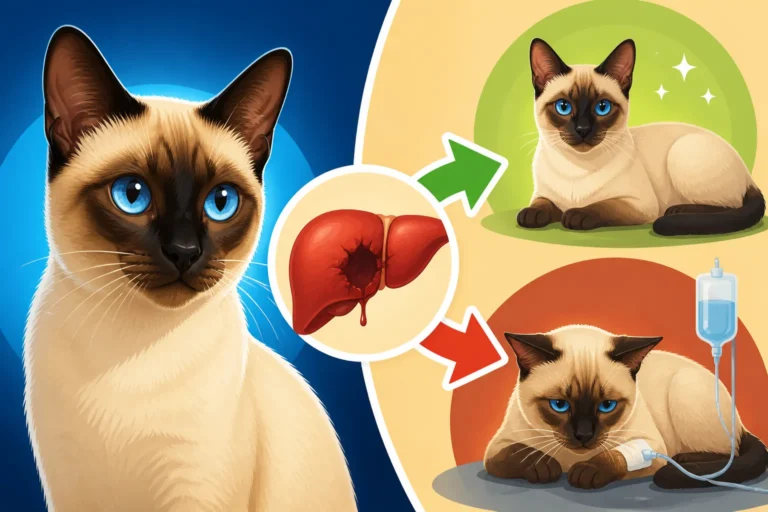
The true heartbreak often comes when the liver reaches a critical point, becoming so fragile that even a minor bump, a sudden movement, or sometimes for no discernible reason at all, it can rupture. This leads to massive internal bleeding, a sudden and catastrophic event that can be fatal in a matter of hours. The very first indication that something is terribly wrong might be your cat suddenly collapsing or showing signs of acute pain. Understanding Signs a Siamese Cat Has Liver Amyloidosis can help you recognize even the most subtle indicators. The insidious nature of this disease means that by the time you see something undeniable, the situation is often dire.
How Ultrasound Works and What It Can Reveal
In the quest to understand what's happening inside our cats, diagnostic imaging plays a crucial role. Ultrasound is one of those tools that can give us a peek without being invasive, offering valuable clues, though it's important to understand its capabilities and limitations, especially with a tricky disease like amyloidosis.
The Basics of Feline Abdominal Ultrasound
Think of an ultrasound as a way for your vet to "see" inside your cat's body using sound waves, not radiation like an X-ray. A small handheld probe, called a transducer, is gently moved over your cat's shaved abdomen, sending high-frequency sound waves into the body. These sound waves bounce off internal organs, tissues, and fluids, creating echoes that the transducer picks up. A computer then translates these echoes into real-time images displayed on a monitor. It’s completely non-invasive, generally painless, and often doesn't even require sedation for calm cats, which is a huge relief for many owners.
During an abdominal ultrasound, a veterinarian, or often a veterinary radiologist who specializes in these scans, will systematically examine all the major abdominal organs. For a Siamese cat with suspected amyloidosis, particular attention will be paid to the liver and kidneys. They're looking at things like organ size, shape, overall architecture, and the texture of the tissue (its echogenicity). They'll also check for any abnormal fluid accumulation, masses, or other irregularities that might indicate a problem.
What an Ultrasound Can Suggest About Amyloidosis
Now, here's where it gets nuanced: an ultrasound cannot directly diagnose amyloidosis. It doesn't have the magic ability to identify amyloid protein itself. What it can do is show structural changes in organs that are consistent with amyloid deposition. This distinction is incredibly important for managing expectations and understanding the next steps.
When looking at the liver, a vet might observe several things that raise a red flag. The liver could appear abnormally large (hepatomegaly) or, in later stages, sometimes paradoxically small as scar tissue takes over. More commonly, the texture might be described as "hyperechoic" (brighter on the screen) or "heterogeneous" (uneven), indicating a change in the tissue's density and structure. If there's free fluid in the abdomen (ascites), especially blood, it could strongly suggest a liver rupture, which is a common, tragic consequence of advanced amyloidosis.
For the kidneys, an ultrasound might reveal irregular shapes, changes in size, or a loss of what's called "corticomedullary differentiation," meaning the distinct layers within the kidney tissue become blurred. The kidneys might also appear hyperechoic. These findings point to kidney damage, and given the breed, amyloidosis would be high on the list of differential diagnoses. It's crucial to remember these are indicators and suspicions, not definitive proof. Amyloidosis, unfortunately, can affect Which Organs Amyloidosis Hits in a Siamese Cat, and the ultrasound will give a snapshot of those.
For example, I recently heard about a Siamese named Luna who had been subtly off-colour for weeks – a bit quieter, less interested in her usual evening chase. Her vet ordered an ultrasound, which showed an enlarged, mottled liver with some free fluid in her abdomen. While the vet couldn't definitively say "amyloidosis" from the scan, these findings, combined with her breed and symptoms, made it the leading suspect, prompting a difficult conversation about further diagnostics or palliative care.
Limitations and Challenges of Ultrasound for Amyloidosis
While ultrasound is an invaluable tool in veterinary medicine, it's not a crystal ball, especially when dealing with a complex and sneaky disease like amyloidosis. Understanding its limitations is just as important as knowing what it can do.
When Ultrasound Alone Isn't Enough
The biggest challenge with using ultrasound for amyloidosis is that it provides an image of the structure of the organ, not its cellular composition. Imagine looking at a house from the outside – you can tell if it's big or small, if the roof is sagging, or if there are cracks in the walls. But you can't tell what kind of wood the frame is made of, or if there's mold growing behind the drywall. That's essentially the limitation. An ultrasound can show an enlarged, abnormally textured liver or kidneys, but it can't distinguish between amyloid deposits and, say, inflammation, fat infiltration, or certain types of cancer.
Furthermore, in the very early stages of amyloidosis, when the amyloid deposits are still minimal, there might be no discernible changes visible on an ultrasound. This means a cat could have the beginnings of the disease, yet a scan might come back looking perfectly normal. This can give owners a false sense of security, delaying diagnosis until the disease is far more advanced and presenting with more critical symptoms. This is a common frustration, knowing that such a serious condition can evade detection even with advanced imaging.
The Need for Biopsy for Definitive Diagnosis
Because ultrasound offers suggestive evidence rather than definitive proof, the gold standard for diagnosing amyloidosis remains a tissue biopsy. This involves taking a small sample of the affected organ – usually the liver or kidney – and examining it under a microscope to confirm the presence of amyloid protein. This is the only way to get a 100% confirmed diagnosis.
However, performing a biopsy, especially on the liver, in a cat with suspected amyloidosis, presents its own set of significant risks. Amyloid-laden livers often become incredibly fragile and friable, meaning they are much more prone to tearing and bleeding. A liver biopsy, even a minimally invasive one guided by ultrasound (which helps the vet target the precise area), carries a higher risk of post-procedure hemorrhage in these cats. Owners are often faced with a heartbreaking dilemma: risk a potentially life-threatening complication for a definitive diagnosis, or forgo the biopsy and manage symptoms based on a strong suspicion. It's an agonizing choice, one that often leads to many vets recommending against biopsy if the cat is already critically ill. It truly puts into perspective the question of Whether a Liver Biopsy Is Safe in a Siamese Cat. When considering such critical procedures, having robust pet insurance like Healthy Paws can alleviate the financial strain, allowing you to make medical decisions based on what's best for your cat, not your wallet.
Combining Ultrasound with Other Diagnostic Tools
Given the limitations of ultrasound in definitively diagnosing Siamese cat amyloidosis, it's almost always used in conjunction with other diagnostic methods. Think of it as putting together pieces of a puzzle – no single piece tells the whole story, but together, they form a clearer picture.
The Role of Bloodwork and Urinalysis
Blood tests and urinalysis are foundational diagnostic tools that provide crucial information about organ function and overall health, complementing what an ultrasound can show.
For a Siamese cat suspected of having amyloidosis, your vet will likely run a comprehensive blood panel. This includes a complete blood count (CBC) and a biochemistry profile. The biochemistry profile will specifically look at liver enzymes (like ALT, ALP, GGT), which can be elevated if the liver is damaged, although these aren't always dramatically high in amyloidosis until significant compromise. More importantly, they will assess kidney values such as BUN (blood urea nitrogen) and creatinine. If the kidneys are affected by amyloidosis, these values will start to climb, indicating kidney dysfunction. Another key marker to watch for is albumin, a protein produced by the liver. Low albumin levels can indicate advanced liver disease or significant protein loss through damaged kidneys. Your vet might also look for elevated serum amyloid A (SAA), an acute phase protein, which can be an indicator of systemic inflammation, although it's not specific to amyloidosis and can be elevated in many inflammatory conditions. Getting a good grasp on Which Blood Values Flag Amyloidosis in a Siamese Cat is incredibly helpful for monitoring.
Urinalysis is equally vital, particularly for assessing kidney involvement. One of the earliest signs of kidney damage from amyloidosis can be proteinuria – the presence of excessive protein in the urine. Healthy kidneys retain protein in the blood, but damaged kidneys allow it to leak into the urine. A urine protein-to-creatinine ratio (UPC) test is often performed to quantify this protein loss and track it over time. High UPC ratios, especially in conjunction with abnormal kidney values and ultrasound changes, significantly strengthen the suspicion of amyloid renal amyloidosis.
When a cat like little Coco, a Seal Point Siamese, came in with subtle lethargy and a slightly increased thirst, her vet started with bloodwork and urinalysis. Her BUN and creatinine were slightly elevated, and her UPC ratio was high. The subsequent ultrasound showed kidneys that looked a bit irregular. No single test was definitive, but the combination strongly pointed towards amyloidosis, even without a biopsy. This comprehensive approach is what allows vets to manage these complex cases effectively.
Serial Monitoring and Clinical Suspicion
Sometimes, a single diagnostic snapshot isn't enough, especially with a chronic, progressive disease like amyloidosis. This is where serial monitoring comes into play. If your Siamese cat shows some concerning but non-definitive signs, your vet might recommend rechecking bloodwork, urinalysis, and even repeating ultrasounds at regular intervals – perhaps every 3-6 months.
This allows the veterinary team to track any progression of changes. Are the kidney values getting worse? Is the liver's texture becoming more abnormal on subsequent scans? Are the protein levels in the urine increasing? Observing these trends over time can provide stronger evidence for amyloidosis, even if a definitive diagnosis through biopsy isn't pursued due to the risks or the cat's overall condition. It's a pragmatic approach to managing a disease that often defies easy answers.
Furthermore, a veterinarian's clinical suspicion is paramount. They combine their knowledge of breed predispositions – knowing that Siamese cats are at a higher risk for amyloidosis – with the cat's age (often appearing in middle-aged to older cats, but sometimes younger, as discussed in The Age Amyloidosis Appears in a Siamese Cat), history, physical exam findings, and all the diagnostic test results. If your cat has a family history of amyloidosis, that information further elevates the level of suspicion, though it's worth noting that There Is No DNA Test for Siamese Cat Amyloidosis to screen for this condition directly. This holistic approach, integrating every piece of available information, is often the best we can do when faced with such a challenging diagnosis. Having pet insurance like Healthy Paws can be invaluable here, as it can help cover the costs of these ongoing diagnostic tests and monitoring, allowing for the best possible care without financial stress.
Living with the Uncertainty and Managing Risk
Coming to terms with the possibility, or even a strong suspicion, of amyloidosis in your Siamese cat is incredibly difficult. It introduces a layer of uncertainty and worry into daily life. However, understanding how to proactively manage risk and prepare for potential emergencies can empower you to provide the best possible care for your beloved companion.
Proactive Care for High-Risk Siamese Cats
If you have a Siamese cat, especially one with a known family history of amyloidosis or even just a strong breed predisposition, proactive care becomes your best strategy. While there's no magic bullet to prevent amyloidosis, you can focus on overall health and well-being to support their vital organs.
Dietary considerations are often discussed. While there's no specific "amyloidosis diet," a high-quality, easily digestible diet with appropriate protein levels is generally recommended. Your vet might suggest a kidney-supportive diet if there's evidence of kidney involvement, or a liver-supportive diet if the liver is compromised. The goal is to reduce the workload on these organs. Limiting stress is also beneficial, as chronic stress can have systemic effects on the body. Ensuring a calm, predictable environment and ample enrichment can make a difference. Avoiding medications that are known to be taxing on the liver or kidneys, unless absolutely necessary, is another wise precaution. Always discuss all medications, supplements, and dietary changes with your veterinarian. Exploring Whether Diet Helps a Siamese Cat With Amyloidosis can give you more insights into nutritional support.
Open and honest communication with your vet is paramount. Don't hesitate to report any subtle changes in your cat's behavior, appetite, water intake, or energy levels. These small cues, though easily dismissed, could be early indicators that warrant a check-up and potentially updated bloodwork. Remember, you know your cat best, and your observations are invaluable. Given that How Common Amyloidosis Is in Siamese Cats is higher than in other breeds, this vigilance is especially important.
Preparing for a Liver Rupture Emergency
The most devastating acute consequence of liver amyloidosis is a sudden liver rupture, leading to internal bleeding. This is a true emergency, and knowing what to look for and how to react can make a critical difference.
Signs of a ruptured liver can include:
- Sudden collapse or profound weakness: Your cat might suddenly become unable to stand or appear extremely lethargic.
- Pale gums: Check their gums; if they're white or very pale pink, it's a sign of blood loss.
- Rapid, shallow breathing: The body tries to compensate for oxygen loss by breathing faster.
- Abdominal pain or distension: Your cat might cry out if their abdomen is touched, or it might appear swollen due to internal bleeding.
- Cold extremities: Paws and ears might feel unusually cold.
If you observe any of these signs, it's imperative to get your cat to an emergency veterinary clinic immediately. Every second counts in these situations. There is no time to wait and see.
At the emergency clinic, the veterinary team will work quickly to stabilize your cat. This typically involves intravenous (IV) fluids to support blood pressure, and often a blood transfusion to replace lost blood. They may also administer medications to help with clotting and pain. While not always successful, especially if the bleeding is severe, these measures give your cat the best chance of survival. While these moments are terrifying, having pet insurance like Healthy Paws can significantly reduce the financial burden of emergency care, allowing you to focus entirely on your cat's well-being. Understanding Signs a Siamese Cat's Liver Has Ruptured in advance can prepare you for such a critical event.
| Diagnostic Tool | What it Detects | Pros | Cons | When it's Definitive |
|---|---|---|---|---|
| Ultrasound | Organ size, shape, texture, fluid accumulation | Non-invasive, real-time images | Cannot identify amyloid protein directly; findings can be non-specific | No, only suggestive |
| Bloodwork | Liver/Kidney enzyme levels, protein, CBC | Routine, provides functional information | Non-specific; can be normal in early disease | No, provides indicators of organ dysfunction |
| Urinalysis | Protein in urine (proteinuria), kidney function | Non-invasive, early indicator of kidney issues | Non-specific; other diseases can cause proteinuria | No, provides indicators of kidney damage |
| Biopsy | Presence of amyloid protein in tissue | Definitive diagnosis | Invasive, higher risk of bleeding for friable organs | Yes, microscopic confirmation of amyloid deposits |
Disclaimer
This article is for general informational purposes only and does not constitute professional advice. Laws, prices and regulations vary by location and change over time. Consult a qualified professional for guidance on your specific situation.