How a Siamese Cat Hides Pain
It's one of the most heartbreaking frustrations for any Siamese cat parent: you know something isn't quite right with your beloved meezer, but they're acting… normal. Or at least, their version of normal, which is often a whirlwind of energy and vocalizations. Yet, deep down, you sense a subtle shift, a whisper of distress that's almost impossible to pinpoint. This guide is all about helping you decode those almost imperceptible cues, understanding why your Siamese might be a master at masking discomfort, and empowering you to advocate for their health.
The Evolutionary Roots of a Siamese Cat's Stoicism
Our Siamese cats, with their sleek bodies and piercing blue eyes, are far removed from their wild ancestors in the jungles of Siam, but some primal instincts run incredibly deep. One of the strongest is the instinct to hide vulnerability, and that includes pain or illness.
Why Hiding Pain is a Survival Tactic
In the wild, a sick or injured animal is a target. Showing weakness makes them vulnerable to predators and rivals alike. While your Siamese cat is a cherished member of your family, safe and sound in your home, this ancient programming remains. They don't want to appear weak, even to you, their trusted companion. It's not a deliberate act of deception; it's an ingrained survival mechanism that whispers to them, "Don't show you're hurting." This means you might not see overt limping, hear loud cries of discomfort, or notice dramatic changes right away. Instead, they might retreat, become less interactive, or alter their routine in subtle ways that are easy to miss if you're not paying close attention. This can be incredibly frustrating for an owner, because you just want to help, but your cat's natural defense mechanism is working against you.
The Siamese Cat's Unique Sensitivity and Masking Ability
Siamese cats are renowned for their intelligence, their strong personalities, and their deep bonds with their humans. This intelligence and sensitivity, ironically, can make them even better at masking pain. They're acutely aware of their environment and your reactions, which can lead them to actively suppress signs of discomfort if they perceive it will draw unwanted attention or disrupt their routine. They might tolerate a great deal of discomfort before it becomes impossible for them to hide it any longer. This means by the time you see obvious signs, the underlying issue might be quite advanced. It's why recognizing the earliest, most fleeting hints of pain is so crucial for Siamese cat owners. They possess such a unique personality that sometimes when a Siamese Cat will not be ignored, a sudden silence or less demanding demeanor can itself be a red flag.
Deciphering the Subtle Language of Siamese Cat Pain
Since your Siamese cat isn't going to hold up a paw and tell you, "Hey, my hip aches," you need to become a detective. Look for changes, however small, in their daily habits, interactions, and physical presentation. These often manifest as changes in behavior, grooming habits, mobility, and even their legendary vocalizations.
Behavioral Changes That Signal Distress
Changes in behavior are often the first, albeit subtle, indicators that something is amiss. Your Siamese, typically a shadow, might suddenly start keeping to themselves more.
- Hiding More Often: A sudden increase in hiding, especially in unusual or less accessible spots, can be a major red flag. While all cats enjoy a good hiding spot, a Siamese that consistently retreats and avoids interaction may be trying to find a quiet place to cope with discomfort. They might also become less engaged in play sessions, even with their favorite toys.
- Changes in Vocalization: This is a big one for Siamese cats because they are so famously vocal. If your usually talkative Siamese suddenly goes quiet, or if their characteristic "meezer yowl" changes in tone, frequency, or urgency, it could signal pain. Conversely, some cats, particularly older ones, might become more vocal, perhaps with a low, mournful meow or repetitive yowling, if they are disoriented or in pain. An old Siamese Cat might start to yowl more due to discomfort or cognitive changes.
- Reduced Interaction and Affection: Your cuddly Siamese might become withdrawn, less interested in sitting on your lap or following you from room to room. They might even become irritable or aggressive if approached or touched in a sensitive area. This isn't a reflection of their feelings for you, but a protective measure against perceived threats to their discomfort.
- Changes in Sleep Patterns: A cat in pain might sleep more than usual, attempting to rest and heal, or they might struggle to find a comfortable position, leading to restless sleep or frequent waking. Observe where they sleep too – are they avoiding their usual cozy spots?
- Appetite and Thirst Alterations: Any significant change in how much your cat eats or drinks warrants attention. They might become pickier, eat less, or even stop eating entirely. Conversely, some conditions can lead to increased thirst, such as kidney issues or diabetes. Keep an eye on the litter box to connect this to potential urinary issues.
Physical and Grooming Clues
Beyond behavior, your cat's physical presentation and grooming habits can offer vital clues.
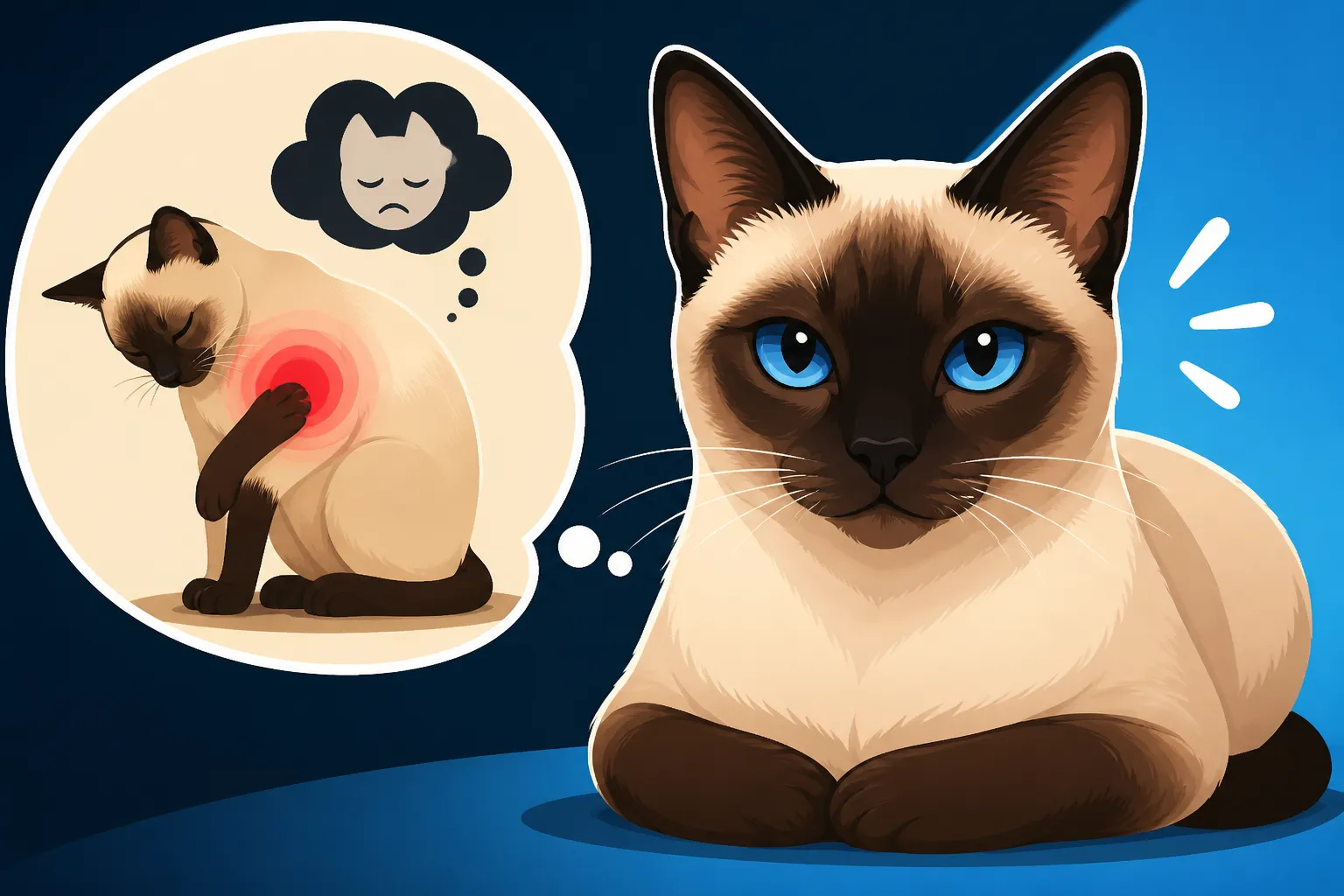
- Changes in Grooming Habits: A cat in pain might neglect grooming, leading to a dull or matted coat, especially in hard-to-reach areas like their back or hindquarters. Conversely, some cats over-groom a specific area, licking or chewing excessively, which can indicate localized pain, itchiness, or even stress. This can lead to issues like Psychogenic Alopecia in a Siamese Cat.
- Posture and Movement Abnormalities: This is often very subtle. Look for a hunched back, a stiff gait, or a reluctance to jump onto furniture they once easily scaled. They might shift their weight uncomfortably or favor one side. A subtle limp might only be noticeable during specific movements, like going up or down stairs. Pay attention if they struggle with previously simple tasks, like entering their litter box. If you're trying to determine if your Siamese Cat is too thin, remember that their natural build means they feel bony, but a dramatic change in muscle mass combined with a hunched posture can indicate something serious.
- Reluctance to Be Handled: If your Siamese suddenly flinches, growls, or tries to escape when you try to pet them in certain spots, it's a strong indicator of localized pain. This is especially telling in a breed known for enjoying physical affection.
- Eye Changes: While a Siamese cat's eyes are always a striking blue, changes in their pupils (consistently dilated or constricted), squinting, or excessive tearing can indicate ocular pain or other underlying issues. For example, if you suspect issues with their vision, it's worth checking for signs a Siamese Cat is going blind, as discomfort can exacerbate existing conditions.
- Litter Box Habits: While often linked to urinary tract issues, changes in litter box habits can also signal pain. Straining to urinate or defecate, vocalizing in the litter box, or having accidents outside of it can all be connected to discomfort. A cat with arthritis might find it painful to step into a high-sided litter box.
Here's a quick overview of some subtle signs to watch for:
| Category | Potential Signs of Pain | What It Might Indicate |
|---|---|---|
| Behavioral | Increased hiding, withdrawal from social interaction, aggression when handled, unusual vocalizations. | Generalized pain, anxiety, specific area of pain, cognitive dysfunction, illness. |
| Movement/Posture | Stiffness, reluctance to jump/climb, hunched posture, difficulty settling, favoring a limb. | Arthritis, muscle strain, injury, abdominal pain, neurological issues. |
| Grooming | Neglected coat, excessive licking/chewing of a specific area, matted fur. | Skin irritation, localized pain (e.g., joint pain), stress, dental issues, nausea. |
| Eating/Drinking | Reduced appetite, refusal to eat, excessive thirst, changes in eating posture. | Dental pain, gastrointestinal upset, kidney disease, diabetes, nausea. |
| Litter Box | Straining, accidents outside the box, vocalizing in the box, changes in urine/stool consistency. | Urinary tract infection, constipation, diarrhea, arthritis (difficulty getting in/out), kidney pain. |
| Sleep | Sleeping more, restless sleep, difficulty getting comfortable, avoiding usual sleep spots. | Generalized discomfort, fever, respiratory issues, stress. |
Partnering with Your Veterinarian for a Diagnosis
Once you suspect your Siamese cat is hiding pain, the next crucial step is a trip to the vet. But because their signs are so subtle, you need to be prepared to be your cat's best advocate.
Preparing for Your Veterinary Visit
Don't underestimate the "white coat effect" – many cats, especially intelligent ones like the Siamese, will often seem perfectly fine at the vet's office, masking their symptoms even more effectively. This is where your detailed observations come in.
- Keep a Pain Diary: Before your appointment, write down everything you've noticed. When did the changes start? How frequent are they? What time of day do they occur? Be specific. For example, instead of "Fluffy is quiet," write "Fluffy used to greet me with loud meows every morning, but for the past week, she just watches me from under the bed." Note any specific events, like changes in diet or routine. This detailed information is invaluable for your vet, especially since a Siamese Cat behaves at the vet differently than at home.
- Consider Video Evidence: If possible, discreetly video your cat exhibiting the subtle signs at home. A video of them struggling to jump, walking stiffly, or showing unusual grooming can speak volumes to your vet, who might not see these actions in the clinic.
- Don't Dismiss Any Symptom: Even if it seems minor or unrelated, mention it. A slight change in breath, a barely perceptible tremor, or an odd chewing motion can all be pieces of the puzzle. Remember, with a master of disguise like the Siamese, every detail counts.
Diagnostic Tools and What to Expect
Your veterinarian will conduct a thorough physical examination, looking for everything from dental issues (like Gingivitis in a Siamese Cat) to tenderness in joints or the abdomen. They might recommend several diagnostic tests to get a clearer picture.
- Blood Work: Comprehensive blood panels can reveal a wealth of information about organ function, inflammation, and potential infections. For example, specific blood values can flag serious conditions like Which blood values flag amyloidosis in a Siamese Cat, or indicate kidney disease.
- Urinalysis: A urine sample can detect infections, kidney issues, or diabetes, all of which can cause discomfort.
- Imaging: X-rays can help identify arthritis, fractures, tumors, or changes in internal organs. Ultrasounds can provide more detailed views of soft tissues and organs, like whether an Ultrasound finds Siamese Cat Amyloidosis. In some cases, a CT scan or MRI might be necessary for a more in-depth look at joints, spinal issues, or brain conditions.
- Specialized Exams: Depending on the suspected issue, your vet might recommend specialized exams. For example, if eye issues are a concern, they might perform specific tests that an eye exam beats a DNA test for a Siamese Cat. If heart issues are suspected, an echocardiogram might be performed to check for Heart Disease in a Siamese Cat.
It's important to understand that finding the source of hidden pain can sometimes be a process of elimination. Don't get discouraged if the first round of tests doesn't yield a definitive answer. Be patient, continue observing, and communicate openly with your vet. Consider pet insurance like Healthy Paws, which can help cover unexpected veterinary costs, especially when a complex diagnosis requires multiple tests or specialist consultations.
Supporting Your Pain-Masking Meezer at Home
Once a diagnosis is made, or even while you're in the diagnostic process, there's a lot you can do at home to provide comfort and improve your Siamese cat's quality of life.
Creating a Comforting and Low-Stress Environment
A comfortable environment is paramount for any cat in pain, especially a Siamese, who thrives on routine and predictability.
- Warmth and Soft Bedding: Siamese cats are prone to feeling the cold due to their short, single coats. Ensure they have access to warm, soft beds, especially heated ones, which can soothe aching joints. A comfortable spot away from drafts is ideal.
- Accessibility: If your cat has mobility issues, make their favorite spots more accessible. Ramps or pet stairs can help them reach beds, sofas, or windowsills without painful jumping. Consider low-sided litter boxes if arthritis makes climbing difficult.
- Quiet Retreats: Ensure they have plenty of safe, quiet spaces where they can retreat and rest undisturbed. This aligns with their natural instinct to hide when feeling unwell.
- Consistent Routine: Maintaining a consistent feeding, play, and interaction routine can reduce stress and help your cat feel more secure. Predictability is comforting, especially when they're not feeling their best.
- Enrichment: Even with pain, mental stimulation is important for an intelligent breed like the Siamese. Gentle play with wand toys (avoiding movements that cause pain), puzzle feeders, or simply observing birds from a window can keep their minds engaged. Provide enrichment for a Siamese Cat that gets bored in an hour, but tailor it to their physical capabilities.
Administering Medications and Monitoring Progress
Your veterinarian might prescribe medications to manage your cat's pain, reduce inflammation, or treat the underlying condition. Adhering to the treatment plan is critical.
- Medication Adherence: Administer all medications exactly as prescribed by your vet. If you're struggling to give your cat pills, ask your vet for tips or inquire about compounded medications that might come in a liquid or flavored form. Never adjust dosages or stop medication without consulting your vet.
- Monitoring Side Effects: Watch for any adverse reactions to medications, such as lethargy, vomiting, diarrhea, or changes in appetite. Report these to your vet immediately.
- Tracking Progress: Continue to keep your pain diary. Note any improvements or regressions in their symptoms. Is their appetite better? Are they more interactive? Are they moving with less stiffness? This feedback helps your vet adjust the treatment plan as needed. Regular check-ups are also vital for conditions that need ongoing management, such as those related to kidney disease in an older Siamese Cat.
- Considering Supportive Therapies: Depending on the cause of pain, your vet might suggest complementary therapies. This could include things like acupuncture, laser therapy, or supplements for joint health. Discuss these options with your veterinarian to see if they're appropriate for your Siamese. Ongoing care, especially for chronic conditions, can add up, so having a pet insurance plan from a provider like Healthy Paws can be a significant benefit in managing these costs over your cat's lifespan.
Catching pain early in a Siamese cat is challenging but incredibly rewarding. By being observant, proactive, and working closely with your veterinarian, you can ensure your beloved companion receives the care and comfort they deserve, leading to a much better quality of life.
Disclaimer
This article is for general informational purposes only and does not constitute professional advice. Laws, prices and regulations vary by location and change over time. Consult a qualified professional for guidance on your specific situation.