Signs of Dementia in an Old Siamese Cat
It’s a heartbreaking reality that as our beloved Siamese cats age, they can start to show signs that their minds aren't quite as sharp as they once were. Watching a once-vibrant, intelligent companion become confused or disoriented is incredibly tough, leaving us worried and unsure of how to help. This comprehensive guide will walk you through the common signs of dementia, also known as Feline Cognitive Dysfunction Syndrome (FCDS), in older Siamese cats, offering insights into what these changes mean and how you can support your cherished senior feline through this challenging stage of life.
Understanding Feline Cognitive Dysfunction Syndrome (FCDS)
Just like humans, cats can experience a decline in cognitive function as they get older. It's not just "getting old"; it's a recognized medical condition called Feline Cognitive Dysfunction Syndrome (FCDS), often referred to as cat dementia. This isn't something that happens overnight, but rather a gradual process where changes occur in the brain, impacting memory, learning, awareness, and even how your Siamese cat interacts with their environment. It’s a progressive condition, meaning symptoms often worsen over time, which can be incredibly frustrating and confusing for both you and your cat.
What Happens to the Brain in FCDS?
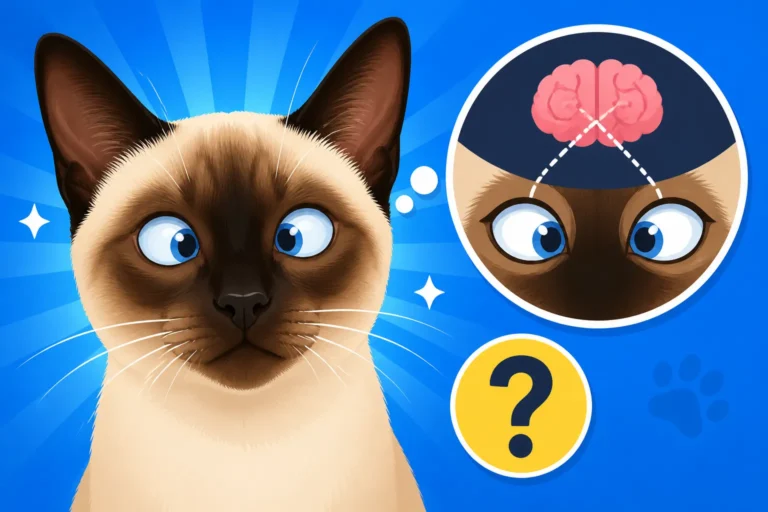
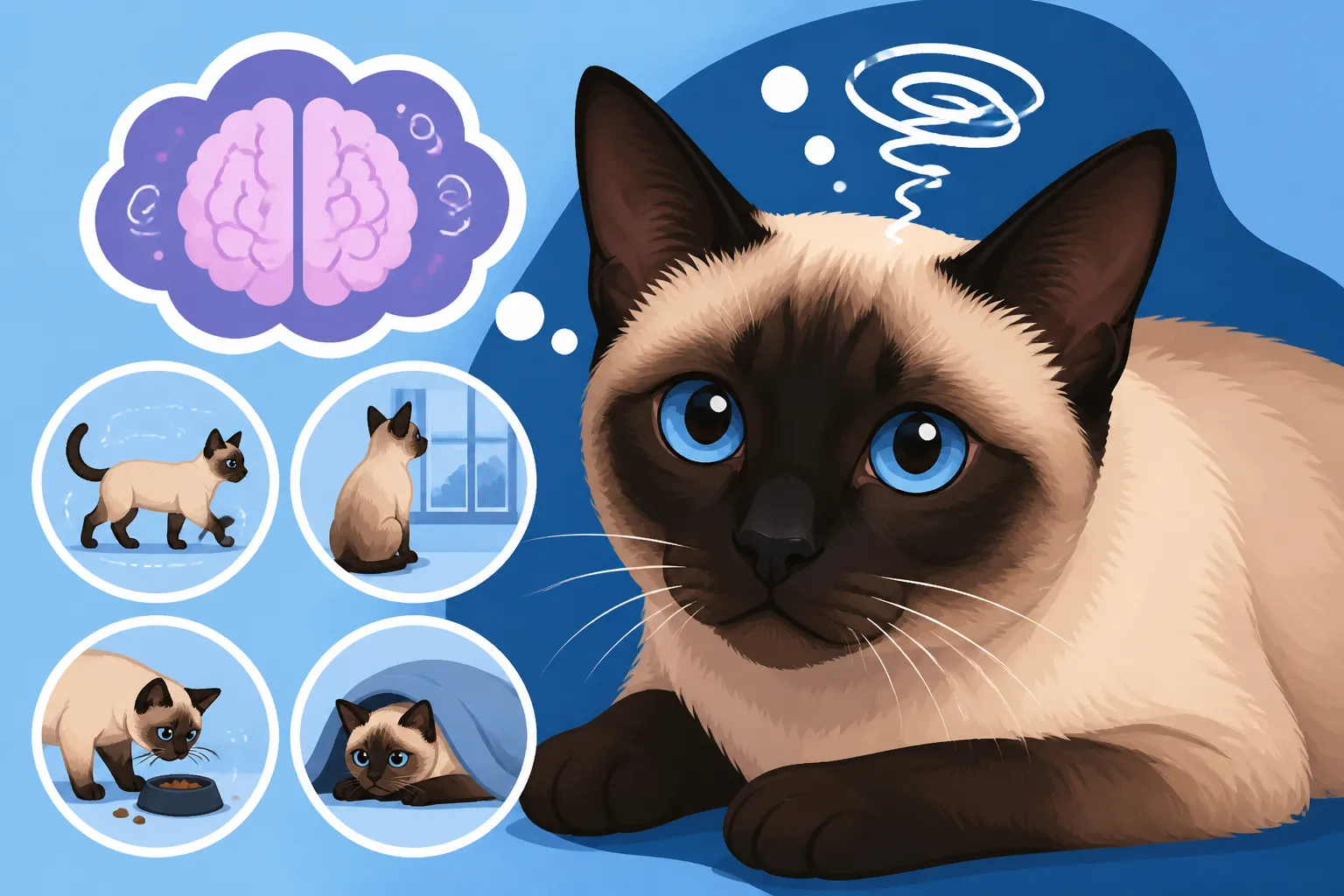
The exact mechanisms behind FCDS aren't fully understood, but it's believed to be similar to Alzheimer's disease in humans. We're talking about structural and chemical changes in the brain, including a buildup of abnormal proteins, reduced blood flow, and a decrease in neurotransmitter activity. These changes lead to nerve cell damage and loss, which directly affects the brain's ability to function normally. Imagine trying to navigate your own home when the layout keeps subtly shifting, or trying to remember simple facts that just won't stick – that's a bit what it might be like for a cat with FCDS. It’s a silent battle happening inside their head, and it’s why understanding the subtle cues is so vital.
Why Are Siamese Cats Prone to Age-Related Changes?
While FCDS can affect any senior cat, Siamese cats, known for their incredible intelligence, vocal nature, and strong bonds with their human companions, often present these changes in ways that can be particularly noticeable. Their high intelligence means a decline can feel more pronounced, and their communicative nature might lead to increased vocalization as a symptom of confusion or anxiety. The average lifespan of a Siamese cat is generally quite long, often extending well into their late teens and even twenties, which means they have more years in which to potentially develop age-related conditions like FCDS. If you're caring for a Siamese cat past twelve, you might already be noticing some subtle shifts. It's important to remember that these changes aren't a reflection of your care, but rather a natural, albeit difficult, part of the aging process.
Behavioral Changes Indicative of Dementia
One of the most distressing aspects of FCDS is witnessing shifts in your Siamese cat's personality and behavior. These aren't just quirks; they're genuine indicators that something is amiss in their cognitive processing.
Disorientation and Confusion
Perhaps the most classic sign of FCDS is disorientation. Your Siamese, who once navigated your home with the grace of a tiny leopard, might suddenly seem lost in familiar surroundings.
- Wandering aimlessly: You might find your cat staring blankly at walls, getting stuck behind furniture, or wandering from room to room with no apparent purpose. They might walk into a corner and seem unable to figure out how to back out, or stand in the middle of a room looking utterly confused about where they are or what they were doing. This isn't just a brief moment of distraction; it's a persistent pattern of spatial confusion.
- Difficulty recognizing people or pets: This can be truly heartbreaking. Your Siamese might respond differently to you, perhaps not greeting you with their usual enthusiasm, or even appearing hesitant or fearful of familiar family members or other pets. They might even approach their long-time companion cat as if meeting them for the first time.
- Staring into space: Sometimes, an older Siamese with dementia will simply stare into space, seemingly lost in thought or completely unaware of their surroundings. They might do this for prolonged periods, unresponsive to your calls or attempts to get their attention, which is a stark contrast to their usual highly interactive nature.
Altered Social Interactions
Siamese cats are famously social creatures, deeply connected to their humans. Changes in their social behavior can be a huge red flag.
- Increased clinginess or aloofness: Some cats with FCDS become unusually clingy, following you constantly and vocalizing more, as if seeking reassurance or feeling anxious when alone. They might seem to have forgotten how to cope independently. Conversely, others might become withdrawn, avoiding interaction, hiding more, or reacting negatively to being petted when they once adored it. This change can be quite profound, especially for a breed known for its "lap cat" tendencies.
- Irritability or aggression: Confusion and fear can manifest as irritability. A Siamese cat that was once placid might hiss or bat at you or other pets when startled, or show aggression if their routine is disrupted. They might no longer tolerate certain handling, or react poorly when you approach them, simply because they don't understand the interaction anymore. This isn't malice; it's a symptom of their underlying distress and cognitive decline.
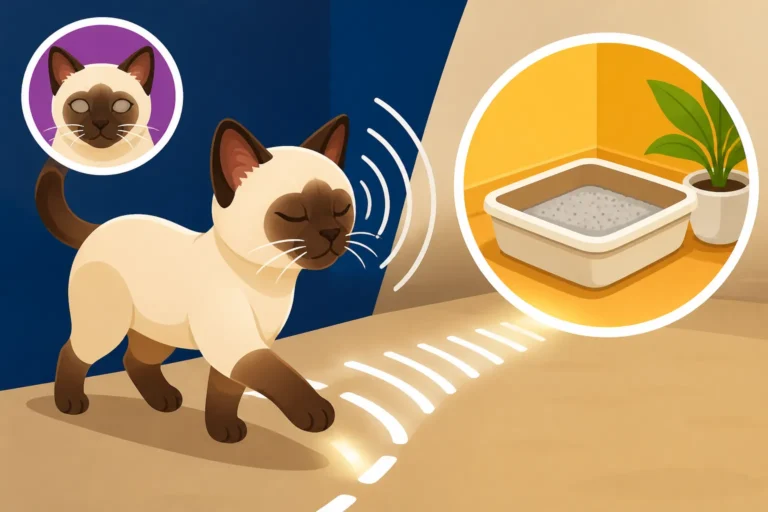
- Forgetting house training: This is one of the most common and frustrating symptoms for owners. A cat that has been perfectly litter-trained for years might suddenly start having accidents outside the box. This isn't defiance; it's often due to disorientation – they simply forget where the litter box is, or forget the purpose of the litter box, sometimes even eliminating right next to it. You might find them eliminating in unusual places, or even right where they are standing. This often signals significant cognitive decline and can be a sign that they need help. It's essential not to punish them, as this only increases their anxiety.
Changes in Routine and Activity Levels
Dementia can significantly disrupt a cat's established routines, affecting everything from their sleep patterns to their appetite.
Altered Sleep-Wake Cycles
Many owners report significant disturbances in their senior Siamese cat's sleep patterns.
- Increased nighttime activity/vocalization: This is a very common and often disruptive symptom. Your Siamese cat, once quiet at night, might start wandering, meowing, or even howling loudly for extended periods in the dark. It seems they get their days and nights mixed up, sleeping more during the day and becoming restless and vocal when the house is quiet at night. Their loud, distinctive meezer yowl can become even more pronounced as they vocalize due to confusion or anxiety. This can be particularly challenging for owners trying to get some rest themselves.
- Sleeping more during the day: Conversely, you might notice your cat sleeping much more deeply and for longer stretches during the day, making them less active when you are around. This shift can impact their overall interaction with the household and is often linked to the disrupted nighttime sleep.
- Restlessness: Even when awake, a cat with FCDS might seem restless, pacing back and forth, or unable to settle in one spot for long. This can be a sign of internal discomfort or anxiety that they cannot articulate.
Appetite and Grooming Changes
Even fundamental behaviors like eating and self-care can be affected.
- Changes in appetite: Your cat might become more demanding around meal times, appearing constantly hungry even after eating, or conversely, show a decreased interest in food. Sometimes, they may even forget they've eaten and beg for more, or walk away from their bowl mid-meal, only to return later as if for the first time. It's a tricky balance to ensure they're getting proper nutrition when their eating habits are so inconsistent.
- Reduced grooming: Siamese cats are typically fastidious groomers. A decline in grooming can be a sign of FCDS, as they might forget to groom themselves, or simply lack the motivation or coordination. Their coat might become dull, matted, or greasy, especially in hard-to-reach areas. This not only impacts their appearance but can also lead to skin issues if not addressed. You might need to step in and help them with regular brushing to keep them comfortable, which for a Siamese cat takes five minutes a week anyway.
- Lack of interest in play or exploring: A hallmark of the intelligent Siamese cat is their playful and curious nature. An old Siamese cat with dementia might stop playing with their favorite toys, ignore laser pointers, or show no interest in exploring new spaces or even familiar ones they once loved. They might simply sit or lie down for longer periods, appearing less engaged with their environment. If your Siamese cat used to demand enrichment for a Siamese cat that gets bored in an hour, and now shows no interest, that's a significant change.
| Symptom Category | Specific Signs | What it Might Look Like in a Siamese Cat |
|---|---|---|
| Disorientation | Wandering, getting stuck, blank staring | Bumping into furniture, staring at a wall, not recognizing their litter box |
| Social Interaction | Clinginess, aloofness, irritability, aggression | Increased vocalization for reassurance, hissing at a family member, hiding |
| Routine Disruption | Altered sleep cycles, increased vocalization at night | Yowling loudly at 3 AM, sleeping all day, pacing restlessly at dawn |
| Self-Care Decline | Reduced grooming, changes in appetite | Dull, matted coat; constantly begging for food after just eating |
| Learning/Memory | Forgetting house rules, not responding to name | Eliminating outside the litter box, ignoring previously learned commands |
When to Consult Your Veterinarian
If you're noticing any of these changes in your senior Siamese cat, it's incredibly important to schedule a vet visit. While FCDS is a likely suspect, many other treatable conditions can mimic its symptoms, such as thyroid problems, dental disease in a Siamese cat, kidney disease in an older Siamese cat, or even pain from arthritis that makes movement difficult. Your vet needs to rule out these possibilities first.
The Importance of a Full Veterinary Check-up
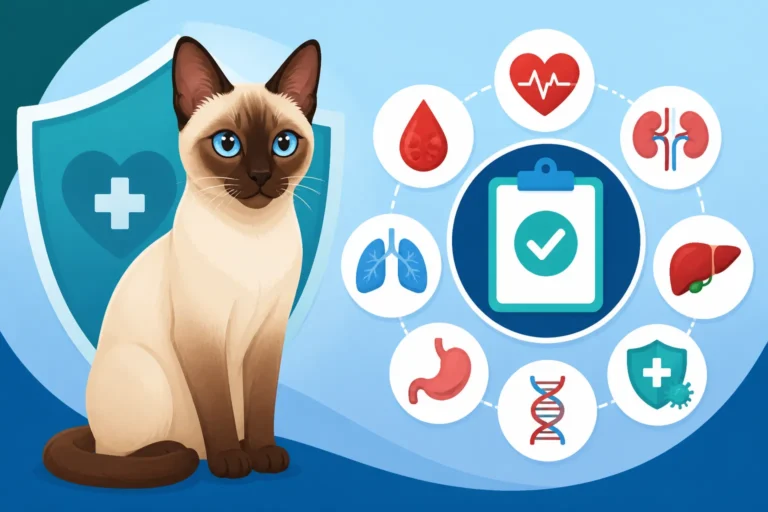
A thorough examination will involve a physical check, blood tests, and possibly urine analysis. These tests can help identify underlying medical issues that might be causing or exacerbating the symptoms. For example, hyperthyroidism in an older Siamese cat can lead to restlessness and increased vocalization, while kidney disease might cause increased thirst and changes in litter box habits. If your cat is due for their yearly bloodwork, this is an excellent time to get it done. Don't be afraid to bring a list of all the behavioral changes you've observed, no matter how small they seem. Every piece of information helps your vet build a complete picture. Early detection of any treatable condition can significantly improve your cat's quality of life.
Supporting Your Cat Through Diagnosis and Management
Once other conditions are ruled out, your vet can help you understand how to manage FCDS. While there isn't a cure, there are strategies and medications that can significantly improve your Siamese cat's comfort and slow the progression of symptoms. This might include dietary supplements, prescription diets designed to support brain health, or medications to help manage anxiety or sleep disturbances. Discussing these options with your vet is crucial.
Having pet insurance, like a policy from Healthy Paws, can be incredibly helpful when navigating the diagnostic process and potential long-term management of FCDS. The initial tests to rule out other conditions can add up, and ongoing support for an aging cat requires regular veterinary care. Remember, the goal is to enhance their quality of life for as long as possible. When considering the practical side of caring for an older cat, you might be curious about what an aging Siamese cat's bills look like, and pet insurance can definitely alleviate some of that financial pressure.
Practical Ways to Support a Siamese Cat with Dementia
Living with a cat experiencing FCDS can be challenging, but there are many things you can do to make their life more comfortable and secure.
Environmental Enrichment and Adjustments
Creating a safe, predictable, and stimulating environment is key to helping your confused Siamese cat.
- Maintain routine and predictability: Siamese cats thrive on routine. Stick to consistent feeding times, play sessions (if they still enjoy them), and bedtime rituals. Avoid major changes to furniture placement or their daily schedule, as predictability helps reduce anxiety and confusion.
- Create safe, easily accessible spaces: Ensure their food, water, and litter boxes are easily accessible and close by. For cats with disorientation, multiple litter boxes around the house can be a huge help, especially if they are starting to forget where the primary one is. Keep pathways clear of clutter. Consider ramp access to favorite sleeping spots if they're struggling with jumping due to stiffness or poor coordination.
- Gentle stimulation: While intense play might be too much, gentle mental stimulation can still be beneficial. Puzzle feeders can engage their minds during meal times. Short, calm petting sessions or interactive play with a feather wand (if they're still interested) can provide enrichment. However, be mindful not to overstimulate them, as this can increase anxiety.
- Comfort and warmth: As cats age, they often feel the cold more. Ensure they have warm, soft beds in draft-free areas. Heated beds can be particularly comforting. Providing a consistent room temperature can also help keep a Siamese cat warm and comfortable.
Nutritional Support and Medications
Diet and medication play a crucial role in managing FCDS symptoms.
- Brain-supporting diets and supplements: Your vet might recommend a prescription diet formulated with antioxidants, omega-3 fatty acids, and other nutrients specifically designed to support brain health. Supplements containing S-adenosylmethionine (SAMe) or medium-chain triglycerides (MCTs) have also shown promise in some cases. Always discuss any dietary changes or supplements with your veterinarian first.
- Managing anxiety and sleep: For cats with severe nighttime vocalization or anxiety, your vet may prescribe medications. These might include anxiolytics or sedatives to help them rest more comfortably at night. Again, these decisions should always be made in consultation with your vet, who can assess the risks and benefits for your specific cat.
- Regular veterinary check-ups: Even after a diagnosis, regular check-ups are essential to monitor the progression of FCDS and adjust their care plan as needed. These visits are also opportunities to catch any new health issues early. Remember that even with conditions like dementia, ensuring your cat is generally healthy will help them cope better. If you have pet insurance like Healthy Paws, these regular check-ups and any prescribed medications related to FCDS are important to discuss with them for coverage details.
Emotional Support and Patience
Ultimately, your patience, understanding, and love are the most powerful tools you have.
- Patience is paramount: It can be incredibly frustrating when your cat forgets their training or acts confused. Remind yourself that these behaviors are symptoms of a disease, not intentional acts. Avoid punishment, as it will only increase their fear and stress.
- Maintain affection: Even if your cat seems less responsive, continue to offer gentle affection and reassurance. Their world is becoming more confusing, and your steady presence can be a source of comfort. Understanding how a Siamese cat hides pain might help you interpret subtle cues of discomfort.
- Consider a companion (carefully): While a Siamese cat should not live alone typically, introducing a new companion to a cognitively impaired senior cat can be tricky. If your cat is used to having another feline friend and seems lonely, a calm, gentle companion might be beneficial. However, if they are easily startled or irritable, a new cat could add more stress. This decision should be carefully considered based on your individual cat's temperament and cognitive state.
Caring for an old Siamese cat with dementia is a journey that requires compassion, vigilance, and adaptation. By understanding the signs and implementing supportive strategies, you can continue to provide a loving and comfortable home for your cherished companion, helping them navigate their golden years with as much dignity and peace as possible.
Disclaimer
This article is for general informational purposes only and does not constitute professional advice. Laws, prices and regulations vary by location and change over time. Consult a qualified professional for guidance on your specific situation.