Signs a Siamese Cat Is Unwell
It's incredibly worrying when your usually boisterous and demanding Siamese cat suddenly seems… off. These vocal, intelligent felines are typically very engaged with their world, and any deviation from their normal antics can send a shiver down a devoted owner's spine. This comprehensive guide will walk you through the many signs, both subtle and obvious, that indicate your beloved Siamese might be unwell, helping you identify problems early and seek the care they need.
Subtle Behavioral Shifts: When Your Talkative Meezer Goes Quiet
Siamese cats are renowned for their vibrant personalities and constant communication. They are not shy creatures, and when their behavior shifts, especially towards quietness or withdrawal, it's often the first and clearest sign that something isn't right. As an owner, you know your cat's quirks best, and recognizing these subtle deviations is paramount.
Changes in Vocalization and Interaction
One of the most defining characteristics of the Siamese cat is their voice. They are not just meowers; they are conversationalists, opinionated divas, and insistent companions. If your cat typically greets you with a long, drawn-out "meezer yowl" and now offers only a weak chirp, or worse, no sound at all, pay close attention. A sudden silence from a cat known for its constant chatter is a huge red flag. Their voice might sound raspy, hoarse, or even completely absent. Sometimes, instead of their usual demanding tones, you might hear soft, mournful cries that indicate discomfort or pain, particularly if accompanied by a hunched posture or reluctance to move. It's helpful to understand What the Siamese Cat's Meezer Yowl Sounds Like normally, so you can better detect changes.
Beyond vocalizations, a sick Siamese might also alter their interactive behavior. These cats thrive on human connection, often following their owners from room to room, supervising every activity, and demanding attention. If your Siamese suddenly stops performing their usual "shadow" routine, no longer seeks out lap time, or avoids being petted or picked up, it's concerning. They might seem detached, less interested in playing, or even become irritable when approached. This change isn't just about being "moody"; it's a clear signal that they're not feeling like themselves, and their usual gregarious nature has taken a backseat to their discomfort.
Altered Activity Levels and Hiding
Siamese cats are naturally athletic and energetic. They love to climb, jump, play, and explore every nook and cranny of their environment. A noticeable decrease in these activities is a common sign of illness. If your cat, who usually races through the house like a furry bullet, now prefers to lie in one spot for hours, or completely ignores their favorite toys, lethargy could be setting in. While all cats sleep a lot, an unwell Siamese might sleep even more deeply or in unusual places, showing little interest in anything happening around them.
Another classic feline behavior when feeling unwell is hiding. Cats are masters at concealing pain or weakness, a survival instinct from their wild ancestors. If your Siamese, who normally enjoys being the center of attention, suddenly retreats to a secluded, dark, or unusual spot – under the bed, in a closet, or behind furniture – and resists coming out, it's a strong indication they are trying to cope with an illness or injury in solitude. This hiding behavior allows them to feel safe and undisturbed while they are vulnerable. It's their way of telling you, without words, that something is wrong, and they need a quiet space to manage whatever discomfort they're experiencing. Observing where and how long they hide can offer clues to the severity of their condition.
Physical Indicators: What Your Cat's Body Language is Telling You
While behavioral changes are often the first signs, physical symptoms provide undeniable evidence that your Siamese cat is unwell. These can range from subtle alterations in their grooming habits to more overt issues with their digestive system or sensory organs. A thorough daily check of your cat can help you spot these indicators quickly.
Changes in Eating, Drinking, and Elimination Habits
One of the most critical aspects to monitor is your cat's intake and output. A sudden loss of appetite (anorexia) is always a serious concern in cats, as even a short period without food can lead to serious liver problems. Conversely, a sudden, insatiable hunger that doesn't lead to weight gain could also signal an underlying issue like hyperthyroidism in an older cat or diabetes. Keep an eye out for any non-food items your Siamese might be consuming, as these cats are prone to pica, which can lead to problems like Signs a Siamese Cat Has an Intestinal Blockage.
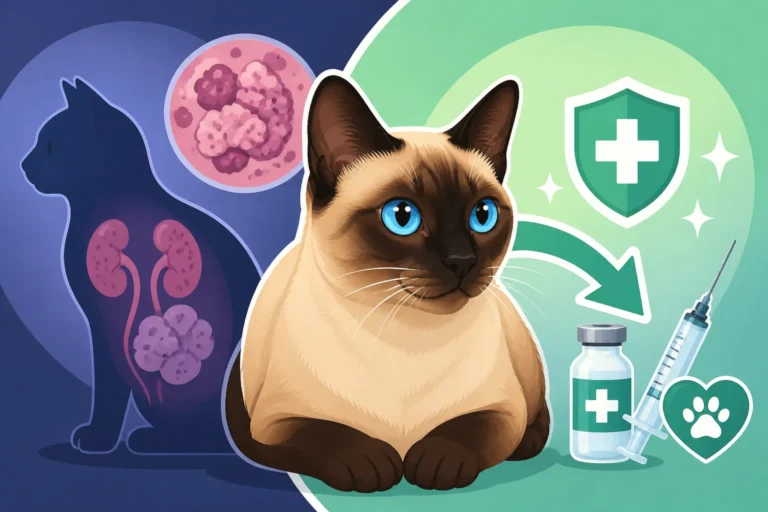
Changes in water consumption are equally important. Drinking significantly more or less water than usual can point to various health issues. Increased thirst is a common symptom of kidney disease or diabetes. Monitoring how often you refill their water bowl, or if they are seeking water from unusual sources, can give you clues. For an older Siamese cat, increased thirst often flags Kidney Disease in an Older Siamese Cat, a condition that requires careful management.
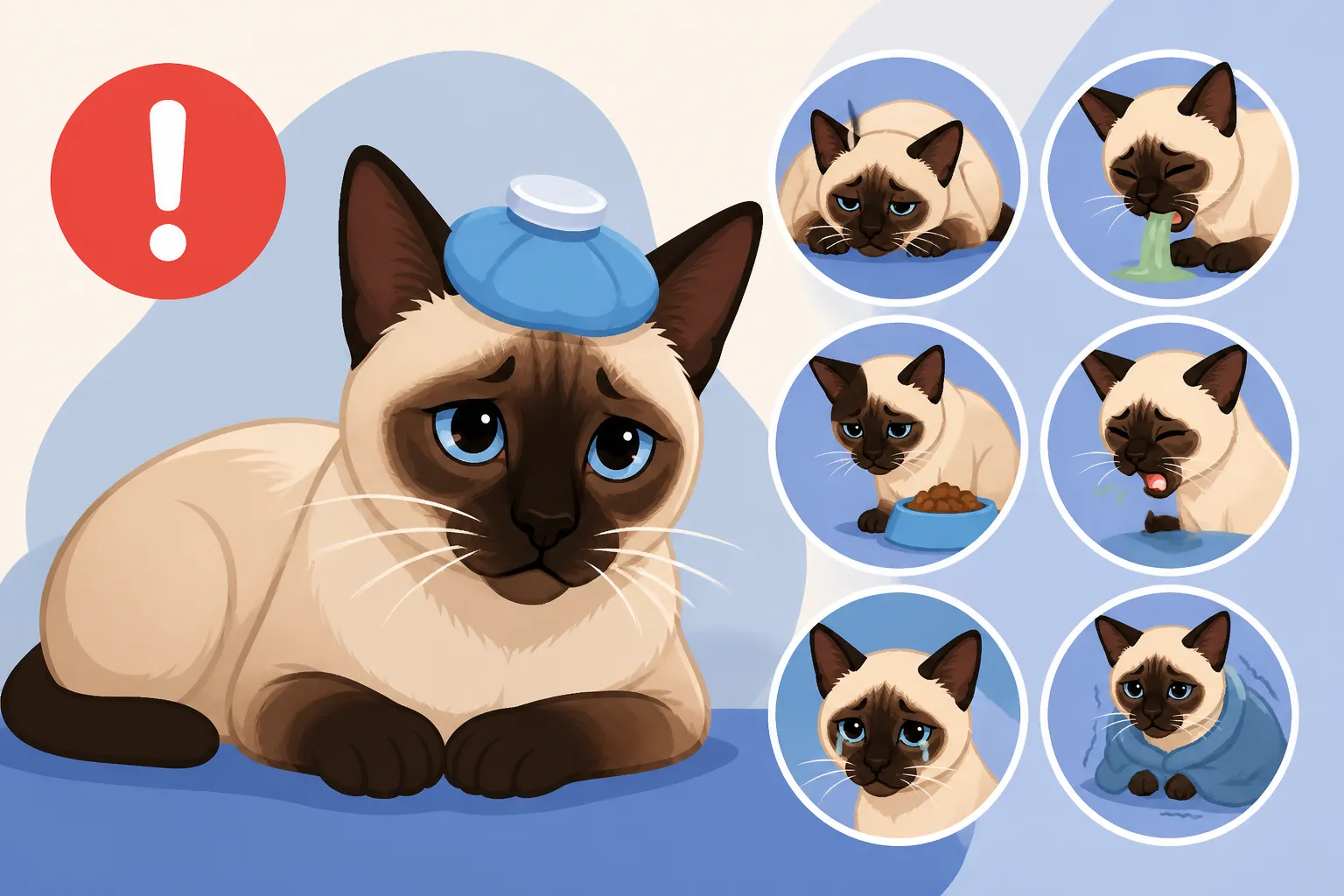
Litter box habits offer a window into your cat's gastrointestinal and urinary health. Any change in frequency, amount, or location of urination or defecation warrants attention. Straining to urinate or defecate, producing very small amounts, or having accidents outside the litter box are all red flags. Diarrhea, especially if persistent, watery, or containing blood or mucus, needs immediate veterinary attention. Similarly, frequent vomiting, especially if it’s more than occasional hairballs, or if it contains blood or bile, indicates a significant problem.
Coat, Skin, and Grooming Anomalies
Siamese cats are fastidiously clean animals. They spend a considerable portion of their day grooming themselves, keeping their short, sleek coats in pristine condition. A dull, greasy, matted, or unkempt coat is a strong indicator that your cat isn't feeling well enough to maintain their grooming routine. This can be due to general malaise, pain that prevents them from reaching certain areas, or even dehydration.
On the flip side, excessive grooming can also be a sign of distress or underlying medical conditions. If your Siamese is licking or chewing excessively, particularly to the point of creating bald patches or skin irritation, it could be a behavioral issue like psychogenic alopecia, where stress leads to over-grooming. Understanding What Psychogenic Alopecia Does to a Siamese Cat is vital, as it requires addressing the root cause, whether medical or psychological. You might also notice skin lesions, scabs, rashes, or persistent itching, which could indicate allergies, parasites, or infections.
Despite their naturally slender build, unexplained weight loss in a Siamese cat is a serious concern. If your cat is eating normally but still losing weight, or if their appetite has decreased, it's time for a vet visit. This could point to metabolic disorders, dental pain making eating difficult, or more severe systemic illnesses. You might wonder Why a Siamese Cat Stays So Thin naturally, but a change in their usual lean physique is what to watch for. Conversely, a sudden, unexplained weight gain can also indicate health issues such as fluid retention or hormonal imbalances.
Eye, Nose, and Mouth Health
A quick visual inspection of your Siamese cat's face can reveal a lot. Their striking blue eyes should be clear, bright, and free of discharge. Any redness, swelling, squinting, excessive tearing, or thick, colored discharge (yellow, green) suggests an eye infection or injury. The pupils should be equal in size and react normally to light.
Their nose should be clean and slightly damp, without excessive discharge. Sneezing, coughing, or nasal discharge (especially if thick or discolored) could indicate an upper respiratory infection or allergies.
The mouth is a common site for problems in cats, and dental disease is prevalent. Bad breath, often described as "fishy" or foul, is a strong indicator of dental issues like gingivitis or tooth resorption. Swollen or red gums, tartar buildup, drooling, difficulty eating (e.g., dropping food, chewing on one side), or pawing at the mouth are all signs of oral pain. Addressing Dental Disease in a Siamese Cat early is crucial, as it can lead to more severe health problems if left untreated. Swelling around the face or jaw could also indicate an abscess or other serious infection.
Emergency Signs: When to Seek Immediate Veterinary Attention
While many signs of illness warrant a prompt vet visit, some situations are true emergencies that require immediate action. Recognizing these critical indicators can be life-saving for your Siamese cat. When in doubt, it's always better to err on the side of caution and contact your veterinarian or an emergency veterinary clinic right away. Pet insurance, such as that offered by Healthy Paws, can significantly alleviate the financial stress of unexpected emergency care, allowing you to focus on your cat's health.
Acute Distress and Pain
Difficulty breathing is a critical emergency. If your Siamese cat is breathing rapidly, panting with an open mouth (which is highly unusual for a cat outside of extreme exertion), wheezing, gasping, or showing heavy abdominal effort with each breath, they need immediate veterinary attention. Their gums might appear blue or purple from lack of oxygen. These signs could indicate a severe allergic reaction, heart failure, or an acute asthma attack. For Siamese cats, asthma can be a real concern, and knowing Signs a Siamese Cat Is Having an Asthma Attack can help you react quickly.
Sudden lameness, paralysis of a limb, or severe weakness where your cat cannot stand or walk properly are also emergencies. This could be due to trauma, a blood clot, a neurological issue, or a severe infection. Any sudden, profound change in mobility warrants immediate assessment.
Signs of severe pain are also an emergency. While cats are notoriously good at hiding pain, an acutely distressed Siamese might vocalize loudly or constantly, even with just a light touch. They may adopt a hunched-up posture, tremble, refuse to move, or become aggressive if approached, which is out of character for this usually affectionate breed. Excessive drooling can also accompany severe pain or nausea. Understanding How a Siamese Cat Hides Pain can help you distinguish between subtle discomfort and true agony, but acute vocalization or aggression is a clear sign. In the direst scenarios, collapse or unconsciousness are unequivocal emergencies requiring immediate transport to the nearest veterinary facility.
Uncontrolled Bleeding or Trauma
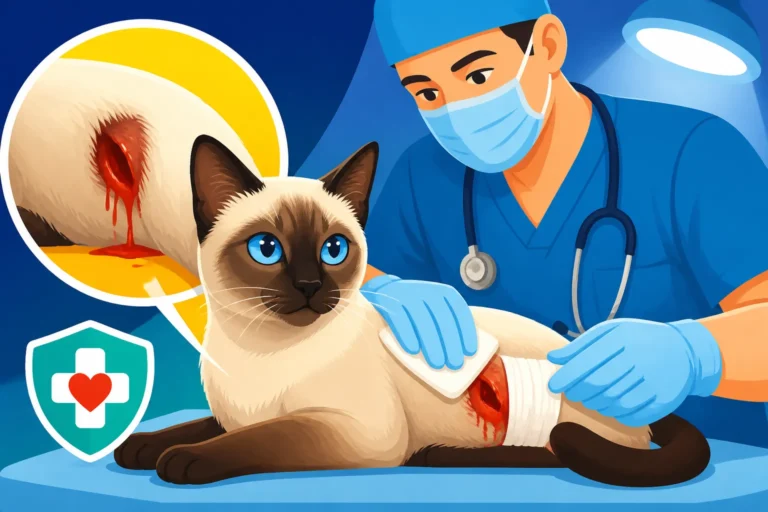
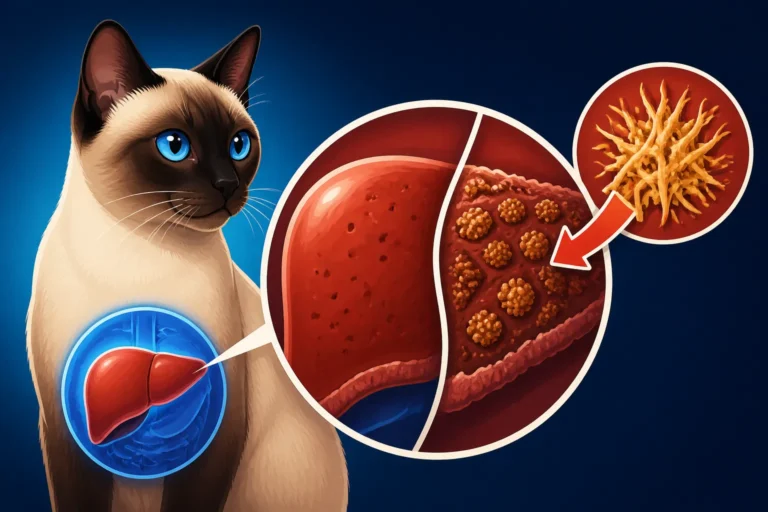
Any visible, uncontrolled bleeding is an emergency. This includes blood coming from their nose, mouth, rectum, or urine, as well as external wounds that are bleeding profusely or won't stop. While internal bleeding is harder to spot, signs like pale gums, extreme lethargy, a distended or painful abdomen, and weakness can indicate it. Sadly, Siamese cats can be prone to conditions like amyloidosis, which can lead to internal bleeding if the liver ruptures. Recognizing Why a Siamese Cat With Amyloidosis Bleeds Internally is important, as this condition can be devastating.
If your Siamese cat has been in an accident, such as falling from a height or being hit by a car, they need immediate veterinary care even if they appear fine at first. Internal injuries may not be immediately obvious but can be life-threatening. The trauma could lead to fractures, internal organ damage, or internal bleeding.
Finally, any unusual, rapid-onset swelling or lumps, especially if they are painful or warm to the touch, should be checked by a vet promptly. This could indicate an abscess, a severe allergic reaction, or a rapidly growing tumor. While some lumps may be benign, new, sudden swellings should always be evaluated to rule out serious conditions. Even for routine wellness exams, which are critical for catching issues early and ensuring The Fifteen to Twenty Years a Siamese Cat Gets, having a plan like Healthy Paws can provide peace of mind for the future.
| Symptom Category | Specific Signs to Watch For | Potential Significance |
|---|---|---|
| Behavioral Changes | Sudden quietness or lack of usual vocalizations, altered meow (hoarse, weak, pained cries), reduced interaction, avoiding touch, hiding, decreased play, increased or unusual sleeping, irritability when approached. | Pain, stress, general malaise, fear, neurological issues, systemic illness, organ dysfunction. |
| Appetite/Thirst | Loss of appetite (anorexia), sudden increase in hunger, decreased water intake, increased water intake, eating non-food items (pica). | Gastrointestinal upset, dental pain, kidney disease, diabetes, hyperthyroidism, systemic infection, anxiety, poisoning, intestinal blockage. |
| Elimination | Straining to urinate/defecate, increased frequency of urination/defecation, accidents outside litter box, blood in urine/stool, diarrhea (especially watery or persistent), constipation, vomiting (more than occasional hairballs, with blood/bile). | Urinary tract infection, kidney disease, bladder stones, inflammatory bowel disease, parasites, liver issues, poisoning, pancreatitis, intestinal blockage. |
| Coat & Skin | Dull, greasy, matted, or unkempt coat; excessive grooming leading to bald patches, skin lesions, scabs, redness, itching, dandruff. | Pain preventing grooming, dehydration, stress (psychogenic alopecia), allergies, parasites, fungal infection, systemic illness. |
| Weight | Unexplained weight loss (even with normal appetite), sudden weight gain. | Hyperthyroidism, kidney disease, diabetes, cancer, parasites, inflammatory bowel disease, heart disease, fluid retention. |
| Eyes, Nose, Mouth | Squinting, redness, swelling, discharge (clear, yellow, green), dull eyes, sneezing, nasal discharge, bad breath, red/swollen gums, tartar, drooling, difficulty chewing, pawing at mouth, facial swelling. | Eye infection/injury, allergies, upper respiratory infection, dental disease, gingivitis, oral pain, abscess. |
| Acute Emergencies | Open-mouth breathing, rapid or labored breathing, wheezing, gasping, pale or blue gums, sudden lameness or paralysis, collapse, unconsciousness, uncontrolled bleeding, severe pain (loud cries, aggression, hunched posture), severe trauma. | Asthma attack, heart failure, severe injury, blood clot, poisoning, internal bleeding, neurological event, severe allergic reaction, heatstroke, ruptured organ. Call vet IMMEDIATELY. |
Staying vigilant and knowing what to look for are your best tools in ensuring How Healthy the Siamese Cat Actually Is. While Siamese cats are generally a robust breed, recognizing the signs of illness early can make all the difference in their treatment and recovery. Remember, your cat relies on you to be their advocate. Don't hesitate to consult your vet with any concerns, even if they seem minor at first. For ongoing care, remember that regular check-ups, often covered by comprehensive pet insurance like Healthy Paws, are fundamental to maintaining their health throughout their entire life. Whether it's a routine visit or an unexpected emergency, knowing you have support helps reduce the burden on you.
Disclaimer
This article is for general informational purposes only and does not constitute professional advice. Laws, prices and regulations vary by location and change over time. Consult a qualified professional for guidance on your specific situation.