Whether Low Dust Litter Costs a Siamese Cat Owner More
If you're a Siamese cat owner, you know the struggle: finding the right litter isn't just about controlling odors or ease of scooping. It's often a desperate quest to avoid triggering those sensitive respiratory systems or dealing with dusty paw prints all over the house. The big question looming for many is whether opting for low-dust litter means shelling out significantly more money. This guide aims to break down the true cost implications, separate fact from marketing hype, and help you decide if the investment is worth it for your vocal, beloved companion.
Why Low Dust Litter Is More Than Just a Preference for Siamese Cat Owners
For many cat owners, low dust litter is a nice-to-have, maybe a bit cleaner. But for Siamese cat parents, it often feels like a non-negotiable health necessity. These elegant, intelligent cats, while generally healthy, can be more prone to certain respiratory sensitivities than some other breeds. Think about it: every time your cat digs, covers, or even just walks through their litter box, tiny dust particles are kicked into the air. Your Siamese inhales this, and so do you.
The Respiratory Link: Asthma and Allergies
It's a frustrating reality that some Siamese cats are simply more predisposed to respiratory issues. Dust from conventional litter can act as a significant irritant, exacerbating conditions like feline asthma. Imagine yourself living in a constantly dusty environment – you'd be coughing and sneezing, too! For a cat with a delicate respiratory system, this constant exposure can lead to chronic inflammation, more frequent asthma attacks, or simply persistent discomfort.
You might notice your Siamese cat exhibiting symptoms like wheezing, coughing, or even struggling to breathe after a litter box visit. This isn't just a minor annoyance; it can be seriously detrimental to their quality of life. Owners of asthmatic Siamese cats often find themselves navigating a complex world of vet visits, medications, and environmental adjustments to keep their furry friends comfortable. Choosing a low-dust litter is one of the most immediate and impactful changes you can make to reduce this environmental trigger. It's not just about comfort; it's about proactively managing their health and potentially reducing future veterinary bills. You might find yourself needing to read up on Asthma in a Siamese Cat or How a Siamese Cat's Asthma Is Treated if you suspect your cat is affected.
The Home Environment: Cleanliness and Your Lungs
Beyond your cat's health, consider your own living space. Regular clay litters, even those labeled "99% dust-free," can still create a fine film of dust over surfaces in your home. This isn't just an aesthetic issue; it's something you and your family are also breathing in. If anyone in your household has allergies or asthma, that litter dust can be just as irritating for humans as it is for your Siamese.
Switching to a genuinely low-dust option can make a noticeable difference in air quality. You might find you're dusting less often, and the air just feels lighter and cleaner. This isn't a frivolous luxury; it contributes to a healthier environment for everyone, two-legged and four-legged alike. The less dust there is to clean, the more time you have for actual playtime, which every Siamese cat absolutely demands.
Breaking Down the Cost: Are Low Dust Litters Always More Expensive?
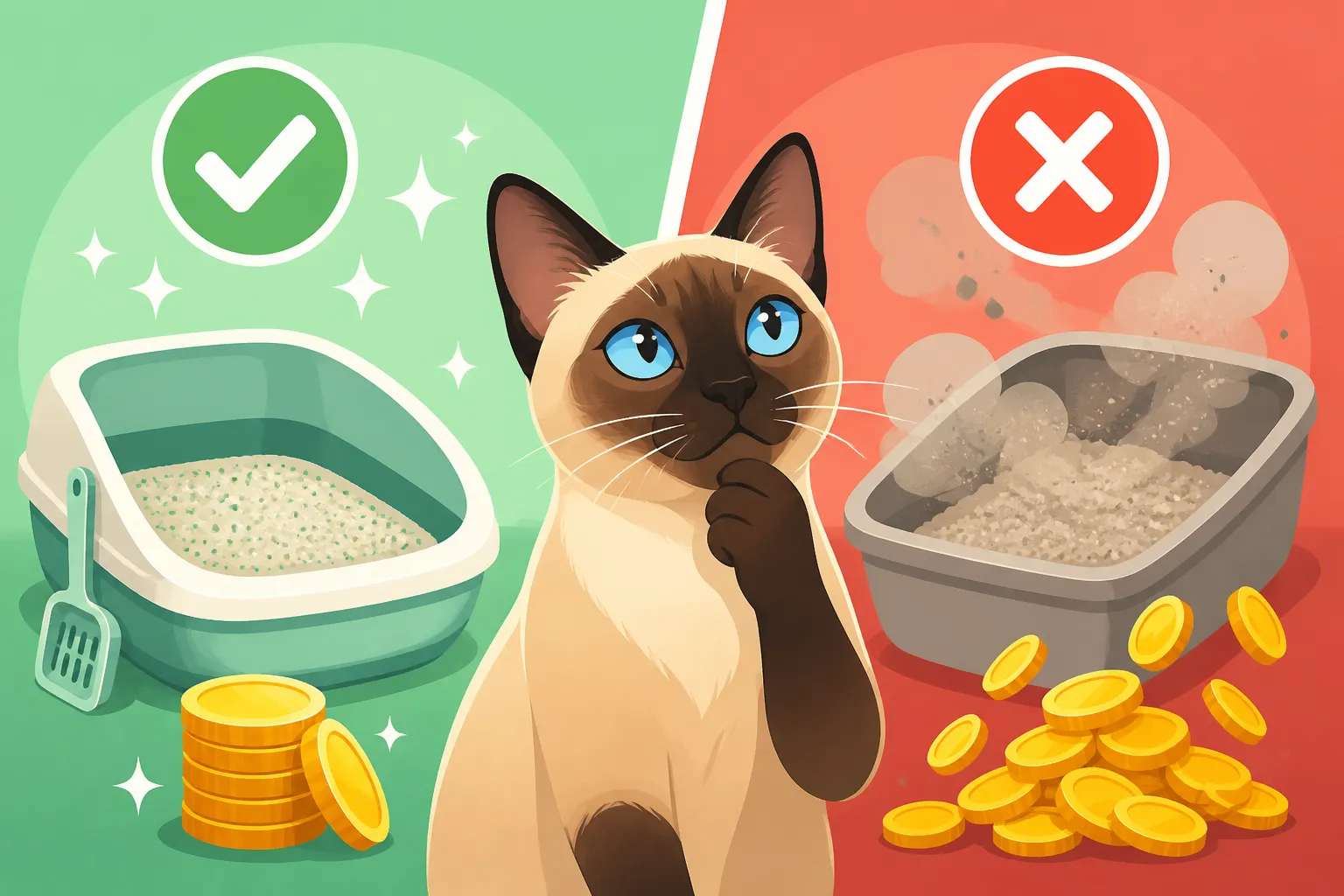
This is the million-dollar question for many cat owners. The perception is often that anything labeled "specialized" or "health-oriented" comes with a premium price tag. While it's true that some low-dust options can indeed cost more upfront per bag, the overall financial picture is more nuanced than a simple price comparison.
Understanding the Price Tiers of Low Dust Options
"Low dust" isn't a single category, and neither is its price. You'll find a wide spectrum of materials and technologies designed to minimize dust, and each comes with its own cost considerations.
Here’s a general breakdown of common low-dust litter types and their typical pricing relative to standard clay litter:
| Litter Type | Dust Level (1-5, 1=lowest) | Odor Control | Absorbency | Price Tier (vs. Standard Clay) | Notes |
|---|---|---|---|---|---|
| Clumping Clay (Premium) | 2 | Excellent | Excellent | Moderate to High | Often uses advanced dust suppression technology; heavy but familiar. |
| Silica Gel (Crystal) | 1-2 | Excellent | Excellent | High | Non-clumping, but absorbs moisture and odor; changes less frequently, no tracking. |
| Pine (Pellets/Shavings) | 1-2 | Good | Good | Moderate | Natural, biodegradable, distinct pine scent; can break down into sawdust. |
| Corn | 2-3 | Good | Good | Moderate to High | Natural, clumping, biodegradable; can be dusty if not carefully processed. |
| Paper (Pellets) | 1 | Fair | Good | Moderate | Natural, biodegradable, very low dust; can be bulky and less odor-controlling. |
| Wheat | 2 | Good | Good | Moderate | Natural, clumping, biodegradable; can track a bit. |
As you can see, "low dust" doesn't automatically mean "most expensive." While silica gel often carries the highest upfront cost per pound, its longevity can sometimes offset the price. Premium clumping clay litters, often found on platforms like Chewy, might be a bit more than the bargain brands but offer vastly improved dust control. Natural options like pine, corn, or paper often fall into a similar or slightly higher price bracket than basic clay but can provide excellent dust reduction.
The Hidden Costs of Cheaper, Dustier Litters
When you opt for a cheaper, dustier litter, you're not just saving money on the bag. You might be incurring other, less obvious costs down the line.
- Increased Vet Bills: As mentioned, respiratory issues in Siamese cats are no joke. Chronic irritation from dusty litter can lead to more frequent vet visits, diagnostic tests, and ongoing medication for conditions like asthma. Investing in a higher-quality, low-dust litter can be a preventative measure, potentially saving you significant sums in healthcare expenses over your cat's lifetime. Think about what Budgeting for a Siamese Cat's Asthma Inhaler might entail, or What a Siamese Cat's Asthma Workup Costs. These aren't small figures.
- More Frequent Cleaning: Dustier litter often means more dust scattered around the house. This translates to more frequent vacuuming, dusting, and wiping down surfaces. Your time has value, and the effort spent constantly cleaning up litter dust is a hidden cost.
- Litter Consumption: Some cheaper litters might not clump as effectively or absorb odors as well, leading you to change the entire box more frequently. While the bag might be cheaper, if you're going through it twice as fast, your savings quickly disappear.
Consider pet insurance providers like Healthy Paws. While they may not directly cover the cost of litter, reducing the incidence of asthma attacks or other respiratory ailments through environmental management can lower the likelihood of claims, keeping your premiums stable in the long run.
Long-Term Savings and Health Benefits: The True Value Proposition
When you look at the total cost of pet ownership, especially for a Siamese cat, the initial price of a litter bag becomes just one piece of the puzzle. The true value of low-dust litter emerges when you consider the long-term health, comfort, and financial implications.
Reducing Veterinary Expenses
This is arguably the most significant long-term saving. Imagine your Siamese cat, happy and breathing easily, not wheezing after every trip to the litter box. That's fewer emergency vet visits, fewer prescriptions for steroids or bronchodilators, and potentially a happier, healthier cat for longer. Respiratory issues can be chronic and expensive to manage. By mitigating a major environmental trigger, you are investing in your cat's preventative care.
For example, a sudden, severe asthma attack requiring oxygen or emergency medication can be a hefty bill. Over the years, these incidents add up, not to mention the stress and worry they cause you. Choosing a litter that actively minimizes respiratory irritation is a proactive step that aligns with responsible pet ownership and can indirectly reduce your overall What a Siamese Cat Costs Over Twenty Years.
Enhanced Quality of Life for Your Siamese
Beyond the financial aspect, think about your Siamese cat's well-being. These highly intelligent and sensitive creatures thrive on routine and comfort. A cat constantly irritated by dust or struggling to breathe will not be as playful, vocal, or affectionate. They might become lethargic, withdrawn, or even develop behavioral issues due to discomfort.
Providing a clean, dust-free litter environment contributes significantly to their overall happiness and comfort. A happy cat is a cat that is engaged, vocal, and brings joy to your home. That's a return on investment that money can't truly measure. Your Siamese deserves to breathe easy, explore, and "talk" to you without struggling.
Considerations for Choosing the Best Low Dust Litter
When you’re trying to pick the best low-dust litter, it’s not just about the price tag. Here are some factors to weigh:
- Material Preference: Does your Siamese have a strong preference? Some cats dislike the texture of pine pellets, while others might not take to the feel of silica gel crystals. Observe your cat's reactions to different types. If they reject a litter, even if it's low dust, it's not saving you money if they start going outside the box.
- Odor Control: Low dust doesn't always equal superior odor control, though many premium brands excel at both. Consider the size of your living space and how many cats use the box.
- Clumping Ability: For easy scooping and less waste, good clumping is crucial. This also means you're throwing out less clean litter, which can stretch the bag further.
- Tracking: While dust is reduced, some natural litters, like corn or certain pine types, can still track small particles. Consider how much effort you're willing to put into sweeping or vacuuming around the box.
- Environmental Impact: Many natural low-dust litters are biodegradable and more environmentally friendly, which can be a bonus for some owners.
- Subscription Services & Bulk Buys: Buying in larger quantities, especially from online retailers like Chewy, can often reduce the per-pound cost. Many services offer subscription discounts, ensuring you never run out and often at a better price. This is an excellent way to make the initial higher price point more manageable.
Ultimately, while low dust litter might appear to cost more on the shelf, the potential savings in vet bills, cleaning time, and the invaluable benefit of a healthier, happier Siamese cat make it a worthwhile investment for many owners. It’s about understanding the full picture of cost and care. Remember, for a Siamese cat with a sensitive system, choosing Which Litter Suits an Asthmatic Siamese Cat is a critical decision.
Practical Steps to Manage Litter Costs Without Compromising Health
It's completely understandable to want the best for your Siamese without breaking the bank. Thankfully, there are smart strategies you can employ to minimize the financial impact of choosing a premium, low-dust litter.
Seek Out Sales, Coupons, and Bulk Discounts
Just like with your own groceries, vigilance can pay off. Keep an eye on sales events at pet stores or online retailers. Websites like Chewy frequently offer discounts on various brands, especially if you sign up for their email newsletters. Many brands also release digital coupons that you can apply at checkout.
Buying in bulk is another excellent strategy. A larger bag of litter often has a lower per-pound or per-ounce cost than smaller ones. If you have the storage space, stocking up when your preferred brand is on sale can lead to significant savings over time. Consider a subscription service if your chosen brand is available—often, you'll get a recurring discount, plus the convenience of automatic delivery.
Monitor and Adjust Litter Usage
While it might seem counterintuitive, sometimes using slightly less litter or cleaning more frequently can extend the life of your bag. Ensure you have the recommended depth (usually 3-4 inches) so your cat can dig comfortably and waste is adequately covered, but don't overfill the box unnecessarily.
Scooping at least twice a day, or even more frequently for multiple-cat households, prevents odors from lingering and ensures that clean litter isn't contaminated by old waste. The better you maintain the box, the less frequently you might need to do a full litter change, which ultimately stretches your supply.
Consider a Mixed Approach (With Caution)
For some multi-cat households or those with very mild sensitivities, a mixed approach might be considered. This involves using a premium low-dust litter in the primary boxes and perhaps a slightly less expensive, but still decent, low-dust option in secondary or less-used boxes. However, this strategy requires careful observation of your Siamese cat. If they consistently prefer or primarily use the boxes with the higher-quality litter, or if their respiratory symptoms return, it's a clear sign that compromising isn't the right path for their health.
It's also worth noting that some cats are very particular about their litter. Introducing too many different types could lead to litter box aversion, creating a whole new set of costly problems. Always prioritize your cat's health and comfort over marginal savings.
Evaluate the "True Cost" Annually
Take a moment to step back and calculate the actual yearly expense. Factor in the cost of litter, potential vet visits related to respiratory issues, medications, and even the time you spend cleaning up dust. Compare this to the cost of investing in a higher-quality, low-dust litter. You might find that the "expensive" option actually saves you money and, more importantly, a lot of worry and heartache in the long run.
Remember, the goal is a healthy, happy Siamese cat. If a specific litter helps achieve that, the cost often becomes secondary to the peace of mind and the bond you share. After all, the joy and companionship your Siamese brings are truly priceless.
Disclaimer
This article is for general informational purposes only and does not constitute professional advice. Laws, prices and regulations vary by location and change over time. Consult a qualified professional for guidance on your specific situation.