Which Litter Suits an Asthmatic Siamese Cat
Many Siamese cat owners face the heartbreaking reality of managing feline asthma, and one of the most overlooked yet critical factors contributing to flare-ups is often right under their nose – literally. The wrong cat litter can fill your home with irritating dust and strong scents, turning a simple bathroom trip into a serious respiratory challenge for your sensitive Meezer. This comprehensive guide will walk you through understanding why certain litters are problematic and help you choose the safest, most breathable options to keep your asthmatic Siamese purring comfortably.
The Hidden Dangers of Traditional Cat Litters for Asthmatic Siamese Cats
It's natural to think all cat litters are more or less the same, but for a cat with asthma, the differences can be life-altering. What seems like a minor detail to us can be a major trigger for their sensitive respiratory system. Understanding why certain litters are problematic is the first step toward creating a healthier home for your Siamese.
Why Dust Is the Enemy for Feline Lungs
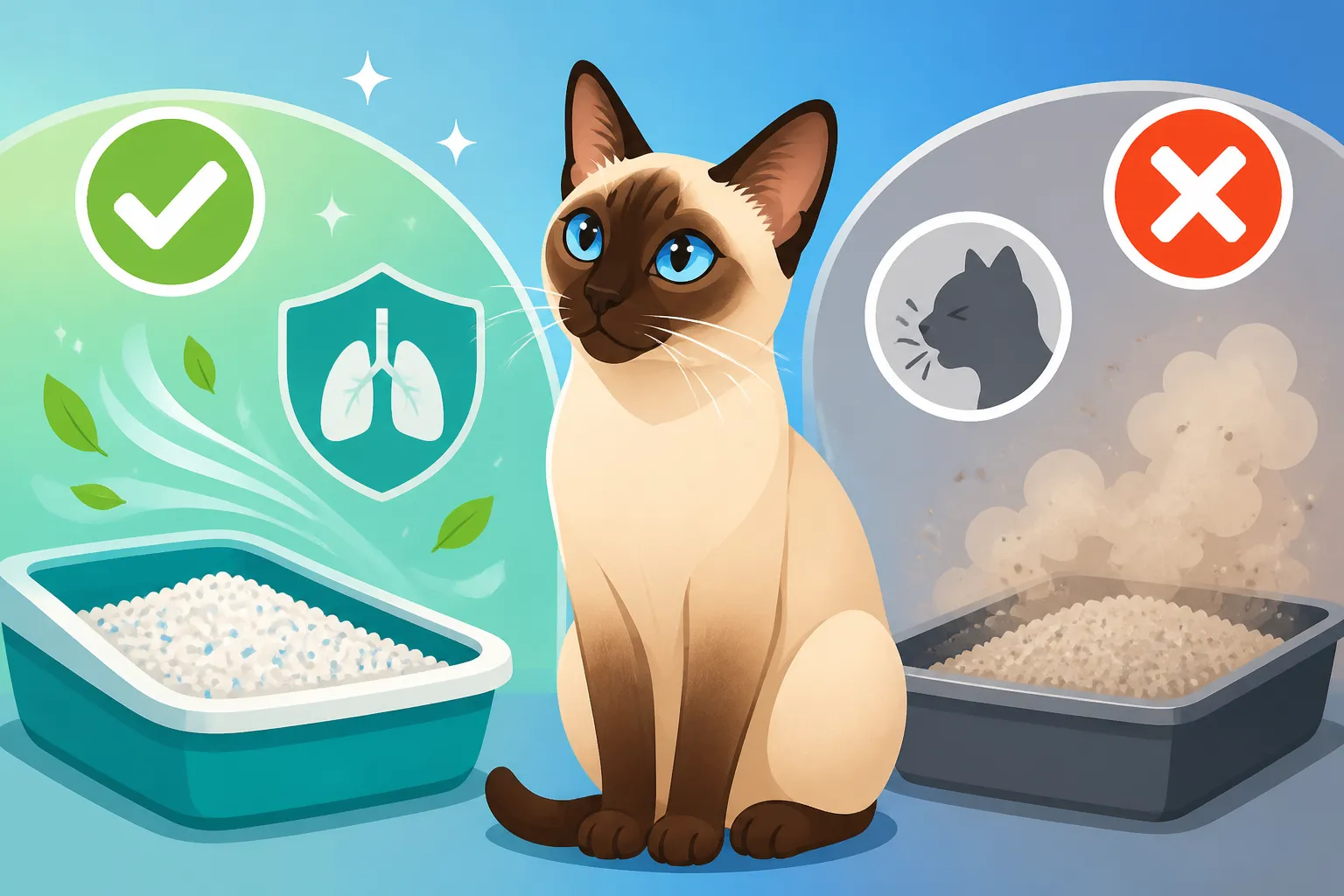
Traditional clay litters, especially the clumping varieties that are so popular for their convenience, generate significant amounts of fine dust. This dust becomes airborne whenever your cat digs, covers their waste, or even when you simply scoop the box. For a cat with sensitive airways, this isn't just an annoyance; it's a direct irritant that can seriously compromise their breathing. Imagine trying to breathe comfortably in a dust cloud – that's what your cat experiences.
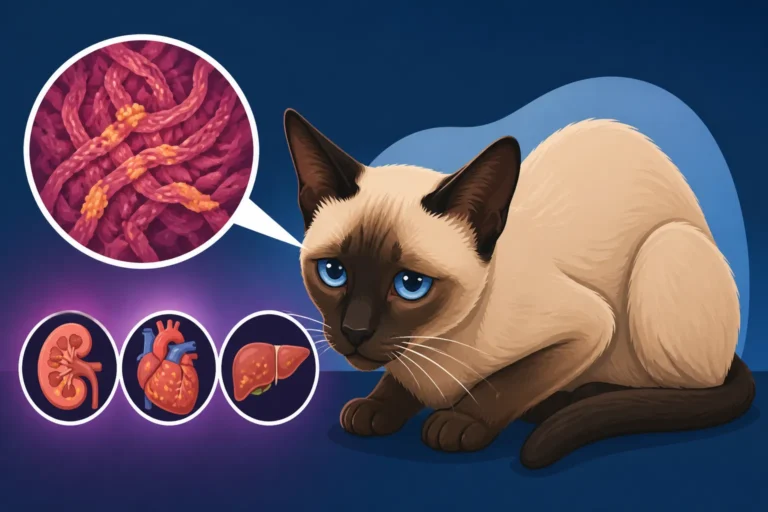
Siamese cats are already genetically predisposed to conditions like asthma, making their respiratory systems particularly vulnerable. This means that what might be a minor irritant for a typical cat can quickly trigger a full-blown asthma attack in a Siamese. The tiny dust particles get trapped in their airways, causing inflammation, constriction, and that terrifying coughing and wheezing that every owner dreads. If you've ever dealt with Asthma in a Siamese Cat, you know how frightening these episodes can be, and the role of litter dust is often underestimated in their management.
It's not just the immediate dust cloud during use. These fine particles can settle on surfaces throughout your home and be re-aerosolized with everyday activity, like walking past the litter box or turning on a fan. This means that even when your cat isn't actively using the box, they're still in an environment permeated by potential triggers. This continuous exposure prevents their lungs from truly recovering and can lead to chronic inflammation, making their condition harder to control.
The Problem with Strong Scents and Chemical Additives
Beyond dust, many conventional litters come loaded with artificial fragrances designed to mask odors. While these might seem helpful to us humans, they are often a huge problem for cats, especially those with respiratory issues. These perfumes contain volatile organic compounds (VOCs) and other synthetic chemicals that can be extremely irritating to a cat's delicate nasal passages and lungs. It's akin to asking someone with severe allergies to live in a perpetually air-freshened room – it's not a comfortable or healthy situation.
Even "natural" scents can be problematic. Some litters use essential oils or plant-based deodorizers which, while sounding benign, can still be potent irritants for a cat with asthma. Their sense of smell is far more acute than ours, and what smells pleasant and subtle to us can be overwhelming or even toxic to them. The goal isn't just "no dust," it's "no irritants," period, as any chemical or strong scent can exacerbate their respiratory condition.
These strong scents, combined with the dust, create a perfect storm for an asthmatic cat. The chemicals can directly inflame the airways, while the dust provides physical irritation, both contributing to airway constriction. This double-whammy can make managing Asthma Symptoms in a Siamese Cat incredibly difficult, even if you're diligently following your vet's prescribed treatment plan, because their immediate environment is constantly triggering them.
Exploring Asthma-Friendly Litter Alternatives
The good news is that there are many litter alternatives on the market specifically designed to minimize dust and irritants, making them much safer for your asthmatic Siamese. It might take a bit of trial and error, but finding the right one is well worth the effort for your cat's health and comfort.
Low-Dust and Dust-Free Clay Options
For those deeply committed to clay litter, perhaps because their Siamese is very particular about texture, there are improved versions available. Look for brands specifically labeled "99% dust-free" or "low-dust." These formulations often use larger clay granules or have undergone processing to reduce airborne particles compared to their standard counterparts. While they're not completely dust-free, they are a significant improvement over typical clumping clay and can be a stepping stone if a full transition to a different material is too daunting initially.
Even with low-dust clay, how you handle it matters. Pour the litter slowly and carefully to minimize dust clouds, and consider using a scoop with smaller holes to keep dust down when sifting. It's also wise to keep the litter box in a well-ventilated area, away from main living spaces if possible. Remember, even a "low-dust" option still generates some dust, and for a highly sensitive Siamese, every little bit counts toward preventing an asthma flare-up.
When you're shopping, try to physically check the litter if possible. If you can see a cloud of dust just by shifting the bag, it's probably not suitable for an asthmatic cat. Brands like Arm & Hammer's "Clump & Seal" or Tidy Cats "Free & Clean" often make efforts to be lower dust and offer unscented versions, which might be a good starting point if you're transitioning from traditional clay. Always prioritize the unscented varieties to avoid chemical irritants.
Natural Plant-Based Litters
This category offers a wide array of choices, many of which are excellent for asthmatic cats due to their naturally low dust and lack of artificial fragrances. Common materials include pine, corn, wheat, paper, and even tofu. The key here, just like with clay, is to choose unscented varieties and always check for dust levels – some natural litters, if finely ground, can still be dusty.
Pine Litter: Often comes in pelleted form, which creates very little dust. It has a natural pine scent that can be pleasant and is generally less irritating than artificial fragrances. When wet, the pellets break down into sawdust, which can be scooped or sifted. Some cats take to the texture easily, others need time to adjust. It's an excellent choice for a low-dust, naturally absorbent option.
Corn/Wheat Litter: These are usually clumping and can have varying dust levels depending on the brand and how it's processed. World's Best Cat Litter (corn-based) is a popular choice, and they offer an unscented, dust-free formula that many asthmatic cat owners rely on. While generally good, always check recent reviews for any changes in dustiness. Some cats might try to eat these initially, which is generally harmless but something to monitor, especially for younger or very curious Siamese.
Recycled Paper Litter: Typically made from recycled paper, often in pellet or shredded form. It's extremely low dust and naturally unscented, making it an excellent choice for respiratory-sensitive cats. The main drawbacks are that it doesn't clump as well as clay or corn, and it might need more frequent changing to maintain freshness. Brands like Yesterday's News are well-known in this category. For a Siamese cat, which is often very particular about their bathroom habits, texture is a big deal, so you might need to introduce this gradually and observe their preference.
Silica Gel Litters
Silica gel litter, also known as crystal litter, is another excellent low-dust option that has gained popularity among owners of sensitive cats. It works by absorbing moisture and odors into the crystals themselves, rather than clumping. The crystals are heavier and don't produce the fine, airborne dust associated with clay, which can be a huge relief for a Siamese cat suffering from Asthma Symptoms in a Siamese Cat.
One of the biggest advantages of silica gel is its superior odor control without the need for added fragrances. The crystals effectively trap odors, meaning less smell for you and, more importantly, fewer irritants for your cat. This type of litter often lasts longer between full changes compared to other types, though daily scooping of solid waste is still essential for hygiene.
However, some cats dislike the texture of silica crystals under their paws, especially if they're used to softer clay. The initial cost can also be higher than traditional litters, but this might be offset by how long it lasts and the peace of mind it offers for your cat's health. Brands like PrettyLitter (which also changes color to indicate potential health issues) and Ultra Pet are good examples to consider. When looking at your overall pet budget, considering these options might seem like a jump, but protecting your Siamese's health is paramount, and a good pet insurance plan from a provider like Healthy Paws can certainly help manage other health costs.
Making the Switch and Maintaining a Healthy Litter Box Environment
Switching litter for an asthmatic Siamese isn't just about picking a new bag off the shelf; it's a careful process that requires patience and attention to detail. Getting it right ensures both your cat's physical health and their comfort with their litter box habits.
The Gradual Transition Method
Cats are creatures of habit, and Siamese cats are famously particular about their routines and environment. A sudden, drastic switch in litter can lead to litter box aversion, which is the last thing you want when trying to improve their health. The key is to introduce new litter gradually, allowing your cat to acclimate to the new texture and smell at their own pace.
Start by mixing a small amount of the new, asthma-friendly litter with your current litter, aiming for about a 1:4 ratio (one part new to four parts old). Over the next week or two, slowly increase the proportion of the new litter. Observe your cat's behavior closely during this time. If they seem hesitant, start eliminating outside the box, or show any signs of stress, slow down the transition. You might even want to set up a second litter box with the new litter entirely separate from the old one, giving them a choice. Patience is a virtue here; it might take several weeks for your Siamese to fully accept the change.
If you're managing a Siamese with diagnosed asthma, this transition period is crucial. Monitor their breathing and overall comfort closely. Any signs of increased coughing, wheezing, or labored breathing might indicate that even the "new" litter is still causing irritation, or that you're moving too quickly. It's a delicate balance between finding the right litter and not stressing your sensitive feline friend, and consulting your vet throughout the process is always a good idea.
Litter Box Hygiene and Placement
Regardless of the litter type you ultimately choose, impeccable litter box hygiene is non-negotiable for an asthmatic cat. Scoop solid waste and urine clumps (if applicable) at least twice a day, preferably more frequently. This prevents odors from building up and significantly reduces the amount of time your cat is exposed to potential irritants. A consistently clean box is essential for a happy cat, and even more so for a healthier one with respiratory sensitivities.
The type of litter box itself also matters significantly. Avoid enclosed or hooded litter boxes. While they might seem to contain odors and dust for us, they actually trap irritants inside for your cat to breathe, essentially creating a small, polluted chamber. Opt for large, open litter boxes to ensure maximum air circulation. Placing the box in a quiet, low-traffic area is good for their peace of mind, but ensure it's also well-ventilated to disperse any remaining dust or odors. Using an air purifier can be incredibly effective here; while What an Air Purifier Costs a Siamese Cat Household is an added expense, it can be an invaluable tool for removing airborne particles near the litter box or in the general living space, further protecting your cat's lungs.
Wash the entire litter box thoroughly with mild, unscented soap and water every time you do a full litter change – which should be more frequent for asthmatic cats, typically weekly or bi-weekly, depending on the litter type and number of cats. Avoid harsh chemical cleaners or strong disinfectants, as their fumes can also trigger respiratory issues in sensitive felines.
Companion Care and Environmental Control
Choosing the right litter is a massive step, but it's part of a larger, holistic picture of managing a Siamese cat's asthma. Your home environment plays a critical role. Regularly vacuuming with a HEPA filter vacuum cleaner can help reduce general household dust, dander, and other allergens. Consider removing carpets in areas where your cat spends a lot of time, opting for hard flooring that's easier to keep dust-free and clean.
Be mindful of other airborne irritants. Avoid using aerosol sprays, plug-in air fresheners, scented candles, or strong cleaning products around your cat. Even wood-burning fireplaces, cigarette smoke, or strong cooking fumes can be significant triggers for sensitive airways. Think about what a human with severe asthma would need in their environment and apply similar principles for your Siamese to create the cleanest air possible.
Finally, don't forget the importance of regular veterinary check-ups and strict adherence to any prescribed medications, like inhalers. These medical interventions are often a necessary part of How a Siamese Cat's Asthma Is Treated. Even with the best litter and environmental controls, some cats still need ongoing medical support. Having a robust pet insurance policy, like those offered by Healthy Paws, can provide immense peace of mind when facing recurring vet visits, diagnostic tests like What a Siamese Cat's Chest X Ray Costs, and medication costs for chronic conditions such as asthma. It helps ensure you can always provide the best care without financial strain.
A Comparative Look at Litter Types and Their Suitability
Navigating the world of cat litter can feel overwhelming, especially when your cat's health hangs in the balance. To help you make an informed decision, let's take a closer look at the suitability of different litter types for your asthmatic Siamese.
Weighing Pros and Cons for Your Asthmatic Meezer
When you're making a decision for your beloved Siamese, it can feel overwhelming with all the options out there. It's not just about what's "best" in general, but what's best for your specific cat. Consider their individual preferences for texture, how well they adapt to changes, and of course, your own ability to maintain the litter box. Some Siamese cats are incredibly fussy and may reject even the slightest change, leading to other behavioral issues that complicate their care.
For example, while silica gel is often exceptionally dust-free, its crystalline texture can be off-putting for some sensitive paws that are used to the fine feel of clay. Pine pellets, while natural and low-dust, might have a stronger natural scent than desired by a particularly sensitive cat, or they might not like how the pellets break down into sawdust after absorbing liquid. It truly is an individual journey to find the perfect match, and sometimes that means a bit of patient trial and error on your part.
Don't hesitate to consult your veterinarian throughout this process. They can offer guidance based on your cat's specific health profile, the severity of their asthma, and any other concurrent health issues they might have. Sometimes, the initial What a Siamese Cat's Asthma Workup Costs an owner a significant amount, so continuing to work closely with your vet to manage triggers effectively is a wise investment in your cat's long-term health and your peace of mind.
Here's a handy comparison table to help you weigh your options:
| Litter Type | Dust Level | Scent (Natural/Added) | Clumping Ability | Cost Range (per lb) | Pros | Cons |
|---|---|---|---|---|---|---|
| Traditional Clay | High | Often scented | High | Low-Medium | Widely available, familiar texture | Major respiratory irritant, high dust, strong artificial scents |
| Low-Dust Clay | Medium-Low | Unscented preferred | High | Medium | Better than traditional clay, good clumping | Still some dust, can be heavy for some owners to manage |
| Pine (Pellets) | Very Low | Natural pine scent | Low-Medium | Medium | Excellent dust control, natural odor absorption | Some cats dislike texture, can break down into sawdust |
| Corn/Wheat | Low-Medium | Unscented preferred | High | Medium-High | Good clumping, biodegradable | Dust levels vary by brand, some cats may try to eat it |
| Recycled Paper | Very Low | Unscented | None | Medium | Extremely low dust, eco-friendly, soft texture | Requires more frequent changing, no clumping, heavier absorption |
| Silica Gel (Crystals) | Very Low | Unscented | None | Medium-High | Excellent odor control, very low dust, long-lasting | Some cats dislike texture, higher upfront cost |
Listening to Your Cat's Cues
Your Siamese is an intelligent and communicative companion, even if their messages are subtle at times. Pay close attention to any changes in their litter box habits. Are they hesitant to enter the box? Are they lingering outside it, perhaps trying to avoid going in, or even going somewhere else entirely? These can all be subtle signs that the litter isn't working for them, either due to texture, dust, or an irritating scent. Ignoring these cues can lead to behavioral issues in addition to their respiratory struggles.
Also, observe their overall respiratory health after a litter change. Is their coughing or wheezing reduced? Do they seem generally more comfortable and energetic? A happy, healthy asthmatic Siamese will show fewer signs of respiratory distress, and their breathing should be calmer and more relaxed. If you notice any worsening of Signs a Siamese Cat Is Having an Asthma Attack, or if new symptoms appear, immediately revisit your litter choice and consult your vet.
Remember, every Siamese cat is an individual, and what works perfectly for one may not work for another. Be prepared for some experimentation and be patient throughout the process. The ultimate goal is to create an environment where your precious Meezer can breathe easy and thrive, allowing you to enjoy their wonderful, chatty company for many healthy years to come. The effort you put into managing their environment, including finding the perfect litter, directly contributes to their quality of life and overall well-being.
Disclaimer
Please remember that the information provided in this article is for general guidance and informational purposes only. It is not a substitute for professional veterinary advice, diagnosis, or treatment. Always seek the advice of your qualified veterinarian with any questions you may have regarding a medical condition or treatment for your Siamese cat, especially concerning chronic conditions like asthma.