How a Siamese Cat’s Asthma Is Treated
It’s absolutely heartbreaking to see your usually vibrant, vocal Siamese cat suddenly struggling for breath, gasping, or hunching over in a desperate attempt to clear their airways. That frantic cough, the wheezing, the sheer panic in their eyes—it’s a terrifying experience for any cat owner. When your beloved feline companion is diagnosed with asthma, it brings a flood of worry about their quality of life and how you’ll manage this chronic condition. This comprehensive guide is here to walk you through exactly how a Siamese cat's asthma is treated, from emergency care to daily management, giving you the knowledge and confidence to help your special cat breathe easier.
Understanding Siamese Cat Asthma and Its Triggers
Before we dive into the nitty-gritty of treatment, it’s really helpful to understand what we're dealing with. Feline asthma, often called allergic bronchitis, isn't just a simple cough; it's a chronic inflammatory disease of the small airways in your cat's lungs. For Siamese cats, in particular, there seems to be a genetic predisposition, making them more susceptible to this condition than many other breeds. It’s like their immune system is just a bit overzealous, reacting to otherwise harmless substances in their environment.
The Underlying Cause: Feline Allergic Bronchitis
Imagine your cat's airways as tiny tubes, lined with delicate tissue. When an asthmatic Siamese cat breathes in an allergen or irritant, their immune system goes into overdrive. This triggers an inflammatory response, causing the airways to constrict and swell, and often leading to an overproduction of mucus. Think of it like a human asthma attack; the airways become narrow, making it incredibly difficult for air to pass through. This isn't something they can just "get over"; it requires ongoing management to keep those airways open and prevent damage over time. Understanding the underlying mechanism helps us appreciate why certain treatments are so effective in addressing both the inflammation and the airway constriction.
Common Triggers to Avoid
Identifying and minimizing triggers is a cornerstone of managing asthma in your Siamese. It's not always easy, because the world is full of potential irritants, but even small changes can make a huge difference. Common culprits include dust from cat litter, pollen, mold, cigarette smoke, aerosol sprays like air fresheners or hairspray, certain cleaning products, and even some food allergens, though environmental factors are far more common. If your Siamese cat lives indoors, as many do, they're exposed to these triggers constantly, which can lead to frequent flare-ups. Learning What Triggers a Siamese Cat's Asthma is crucial for proactive care, and often, the first step in effective treatment is to remove or reduce these environmental stressors. It’s a bit like detective work, figuring out what sets off your individual cat's symptoms, but it's a worthwhile endeavor for their comfort and health.
Initial Diagnosis and Stabilization
The first time your Siamese has a severe asthma attack, it can be incredibly frightening. You might see them hunched low to the ground, neck extended, gasping, or making a distinctive open-mouthed cough. This isn't a hairball, and it's definitely an emergency. Getting immediate veterinary attention is paramount to stabilize your cat and confirm the diagnosis.
Emergency Vet Visit and Oxygen Therapy
If your Siamese is having trouble breathing, don't wait. Rush them to the nearest emergency veterinary clinic. When you arrive, the vet’s priority will be to stabilize your cat, often by providing supplemental oxygen to help them breathe more easily. They might also administer fast-acting bronchodilators, which quickly open up the constricted airways, and potentially corticosteroids to reduce the immediate inflammation. This initial emergency treatment can be life-saving, pulling your cat back from the brink when their lungs are simply too inflamed to function properly. It’s a terrifying experience, but knowing that immediate intervention can make all the difference helps. Signs a Siamese Cat Is Having an Asthma Attack are often subtle at first, but escalate quickly to critical, so prompt action is essential.
Diagnostic Tests to Confirm Asthma
Once your cat is stable, your vet will want to confirm the asthma diagnosis. This typically involves a combination of tests to rule out other conditions that can cause similar respiratory symptoms, such as heartworm, pneumonia, or even certain cancers like Mediastinal Lymphoma in a Young Siamese Cat. A chest X-ray is often the most common and helpful diagnostic tool. On an X-ray, the vet might see characteristic patterns of bronchial inflammation, sometimes described as "doughnut rings" or "tram lines" in the lungs, indicating thickened airway walls. Blood tests might also be run to check for other issues or allergies. Sometimes, more advanced diagnostics like a bronchoalveolar lavage (BAL) or fluoroscopy might be recommended to get a clearer picture of the airways and collect samples for analysis, though these are less common for an initial diagnosis. Learning What a Siamese Cat's Chest X Ray Costs can help you prepare for the financial aspect of this crucial diagnostic step.
Long-Term Management: Medications and Delivery
Once asthma is diagnosed, the goal shifts to long-term management. The idea isn't to "cure" asthma, as it's a chronic condition, but to control the inflammation and symptoms, allowing your Siamese to live a full, happy life. This usually involves a combination of anti-inflammatory drugs and bronchodilators, with a strong emphasis on inhaled medications.
Inhaled Corticosteroids: The Gold Standard
For most cats with chronic asthma, inhaled corticosteroids are considered the cornerstone of treatment. These medications, like fluticasone (brand names include Flovent), are delivered directly to the lungs, reducing inflammation right where it’s needed without as many systemic side effects as oral steroids. Think of it as a targeted approach. The medication goes straight to the inflamed airways, calming them down and preventing future constriction. This is a game-changer because it means your cat can avoid the long-term side effects of daily oral steroids, such as increased appetite, weight gain, increased thirst, and potential complications like diabetes. Administering these can feel daunting at first, but with the right tools and patience, it becomes a routine part of your cat's care. If you're wondering Which Steroid a Siamese Cat With Asthma Takes, fluticasone is a very common and effective choice.
Bronchodilators for Acute Relief
While corticosteroids manage the underlying inflammation, bronchodilators are the emergency responders. These medications, such as albuterol, work quickly to relax the muscles around the airways, making them wider and allowing air to pass through more easily. They are typically used "as needed" during an asthma attack or when your cat is particularly symptomatic. It’s important to remember that bronchodilators don’t treat the root cause of asthma (inflammation); they only provide temporary relief from the symptoms. Relying solely on a bronchodilator without also managing the inflammation with a corticosteroid can mask the severity of the disease and allow the underlying issue to worsen over time. They are, however, indispensable for immediate relief during a crisis, and your vet will likely prescribe one for your cat to have on hand.
Oral Medications: When Inhalers Aren't Enough
Sometimes, despite best efforts with inhaled medications, a Siamese cat's asthma can still be severe, or they might simply refuse to tolerate an inhaler. In these cases, oral medications might be necessary. Oral corticosteroids (like prednisone) are very effective at reducing inflammation throughout the body, including the lungs. However, as mentioned, they come with a higher risk of systemic side effects with long-term use. Other oral medications, such as immunosuppressants like cyclosporine (Atopica), might be considered for severe cases, especially if steroids aren't working or are causing too many side effects. These are typically reserved for cats who don’t respond to conventional therapy or where inhaled treatments aren't feasible. The goal is always to use the lowest effective dose for the shortest possible time to control symptoms while minimizing adverse reactions. Your vet will carefully weigh the pros and cons of these options based on your cat's individual needs and response to treatment.
| Treatment Type | Primary Function | Delivery Method | Speed of Action | Best For | Potential Side Effects |
|---|---|---|---|---|---|
| Inhaled Corticosteroids | Reduces chronic airway inflammation | Inhaler with spacer | Slow (builds up) | Long-term control, prevention | Localized yeast infections (rare), minimal systemic effects |
| Inhaled Bronchodilators | Rapidly opens constricted airways | Inhaler with spacer | Fast (minutes) | Acute asthma attacks, immediate symptom relief | Increased heart rate, nervousness (rare) |
| Oral Corticosteroids | Reduces systemic inflammation | Pill/Liquid | Moderate | Severe asthma, non-compliant with inhalers | Increased thirst/urination, increased appetite, weight gain, diabetes |
| Oral Immunosuppressants | Modulates immune response to reduce inflammation | Pill/Liquid | Slow (weeks) | Severe, refractory asthma | Vomiting, diarrhea, kidney/liver issues |
Administering Inhaled Medications: The AeroKat/AeroDawg System
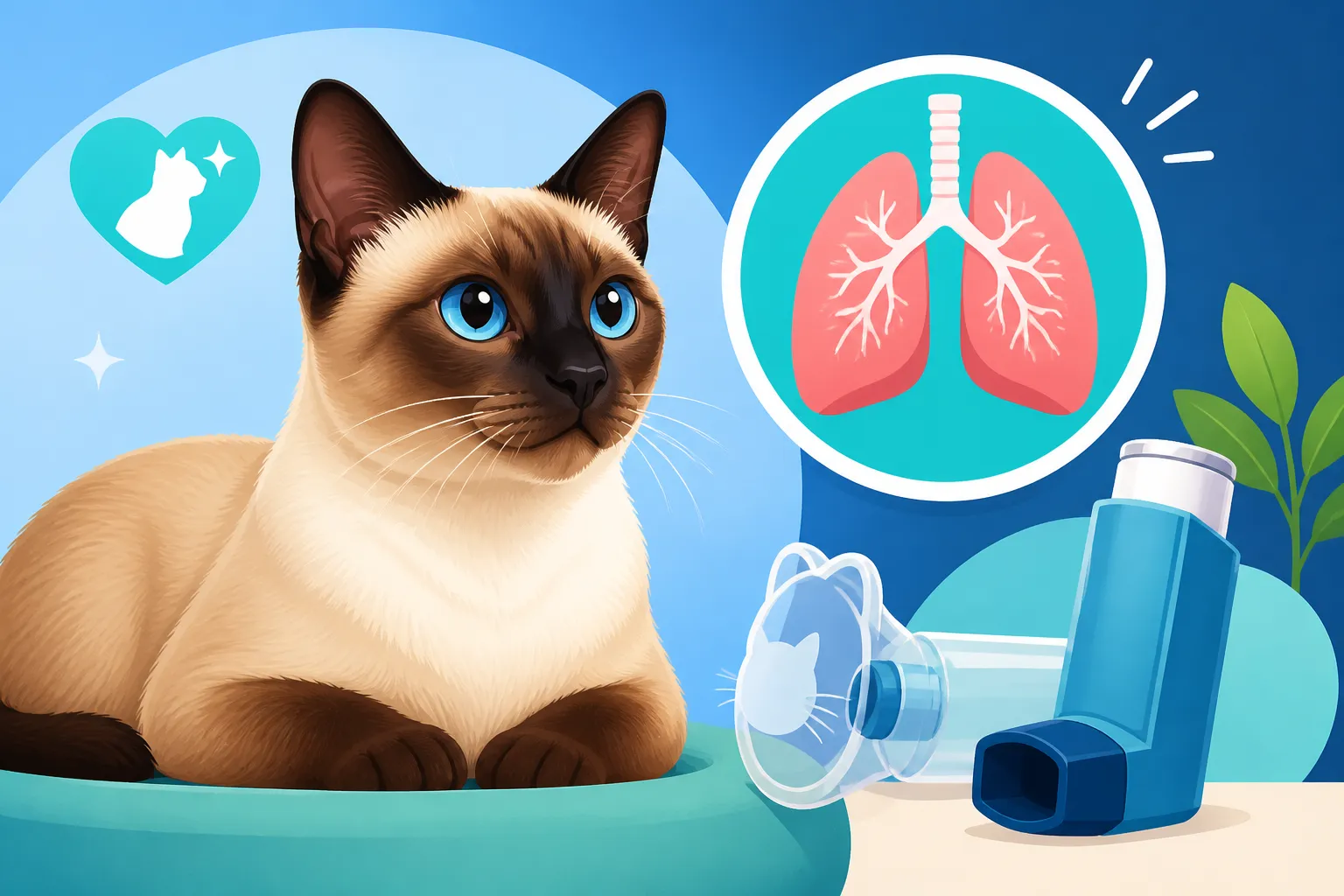
This is where many owners feel a bit overwhelmed at first, but it's absolutely manageable with patience and the right approach. Inhaled therapy for cats relies on a special device: an inhaler (the same kind humans use) combined with a feline-specific spacer, often referred to by brand names like AeroKat.
Choosing the Right Spacer and Mask
The spacer is a crucial component because it holds the puff of medication in a chamber, allowing your cat to inhale it gradually through a mask fitted over their nose and mouth. Trying to get a cat to inhale directly from a human inhaler is simply impossible. The AeroKat chamber is specifically designed for felines, often featuring a small, soft silicone mask that fits snugly but comfortably over their muzzle. There are usually different mask sizes to ensure a proper seal for various cat breeds and head shapes, so make sure your vet helps you select the correct one. A good fit is essential for effective drug delivery; without it, the medication will just escape into the air. Getting the right equipment is the first step to successfully helping your cat. Understanding How a Siamese Cat Uses an Inhaler can significantly reduce the initial stress for both you and your cat.
Step-by-Step Guide to Inhaler Use
Once you have your AeroKat spacer and inhaler, practice makes perfect. Here’s a typical routine:
- Prepare the Inhaler: Shake the inhaler well, just as a human would. Insert it securely into the open end of the spacer.
- Position Your Cat: Find a quiet, calm spot. Many cats do best when held gently on a lap, wrapped loosely in a towel (a "purrito"), or even in a carrier with the mask applied through the bars. The key is to keep them still but not stressed.
- Apply the Mask: Gently place the mask over your cat’s nose and mouth, ensuring a good seal. The valves on the spacer will move as your cat breathes, which is how you know they're inhaling the medication.
- Administer the Puff: Once the mask is in place, depress the inhaler canister once to release a puff of medication into the spacer.
- Allow Breathing: Let your cat take 7-10 breaths while the mask is on. You'll see the flow-vu indicator on the AeroKat device flutter with each breath.
- Remove and Reward: Remove the mask, give your cat a treat, praise, or a favorite toy.
- Repeat (if prescribed): If your vet prescribed two puffs, wait about 30 seconds to a minute, then repeat the process.
- Clean: After each use, wipe the mask with a damp cloth. The entire spacer should be cleaned weekly according to the manufacturer’s instructions.
Consistency and calmness are key. Remember, this is a new experience for your cat, and it might take a few sessions for them to get used to it. Don't get discouraged if the first few attempts are clumsy.
Making Inhaler Treatment a Positive Experience
Building a positive association with the inhaler is vital for long-term success. Start slowly. Introduce the spacer and mask to your cat without any medication. Let them sniff it, perhaps offer a treat right next to it. Gradually, hold it near their face for a second, then longer, always following with a reward. You can put a tiny smear of Churu or their favorite treat on the outside of the mask. The goal is for them to associate the device with good things. Keep sessions short and positive, even if it means only getting the mask on for a few breaths at first. Over time, most cats learn to tolerate, and some even cooperate with, their inhaler treatments, especially when they realize it helps them feel better. Consistency helps build trust, and having pet insurance, like a policy from Healthy Paws, can provide peace of mind for the ongoing cost of these medications and supplies.
Environmental Modifications and Supportive Care
Medication is critical, but it's only one piece of the puzzle. Creating an asthma-friendly environment at home and providing excellent supportive care can significantly reduce the frequency and severity of asthma attacks, making your cat more comfortable overall.
Air Quality and Allergen Reduction
Improving the air quality in your home is paramount. Given that most feline asthma is allergic, reducing environmental allergens and irritants is key.
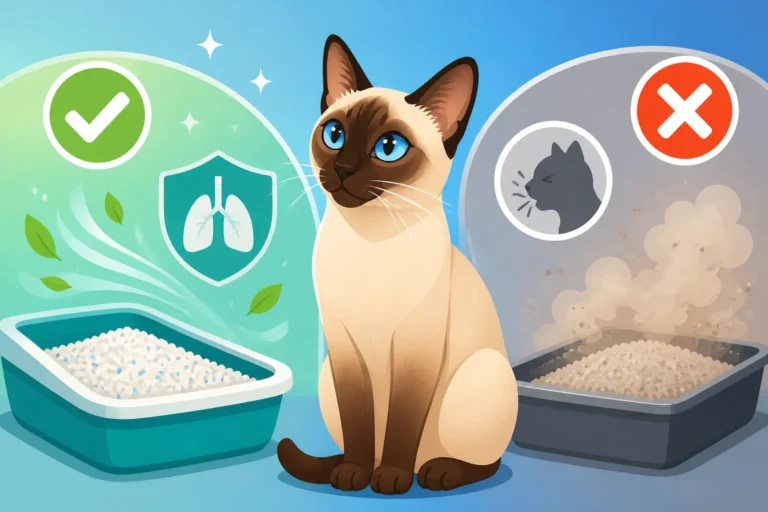
- Dust-Free Litter: This is a big one. Many cat litters produce a lot of fine dust that can irritate sensitive feline airways. Switching to a low-dust or dust-free litter, such as World’s Best Cat Litter or Dr. Elsey’s Precious Cat Respiratory Relief, can make a huge difference. Which Litter Suits an Asthmatic Siamese Cat is a common question, and exploring options is highly recommended.
- Air Purifiers: Investing in a good quality HEPA air purifier can remove airborne particles, dust, pollen, and dander from the environment. Place it in the rooms where your cat spends the most time, especially where their litter box is located. Whether an Air Purifier Helps a Siamese Cat's Asthma is a resounding yes, as it directly tackles airborne irritants.
- Avoid Aerosols and Strong Scents: Say goodbye to air fresheners, scented candles, plug-ins, harsh cleaning sprays, and even strong perfumes or colognes. These can all be major irritants.
- Regular Cleaning: Vacuum and dust frequently, using a vacuum with a HEPA filter to trap allergens. Wash your cat's bedding regularly in hot water.
These seemingly small changes can collectively have a profound impact on your cat's respiratory health and reduce their reliance on medication.
Diet and Weight Management
While diet isn't usually a direct cause of asthma, it plays a role in overall health. Ensuring your Siamese is at a healthy weight is important for respiratory function. Overweight cats have more difficulty breathing, and excess weight can put additional strain on their cardiovascular and respiratory systems, exacerbating asthma symptoms. Your vet can help you determine the ideal body condition for your Siamese. Focus on a high-quality, protein-rich diet appropriate for felines. Some vets might suggest exploring novel protein diets if food allergies are suspected as a contributing factor, though this is less common for asthma than for skin or gastrointestinal issues. However, ensuring good nutrition supports their immune system and overall vitality, which can indirectly help manage a chronic condition like asthma.
Stress Reduction for Asthmatic Cats
Cats, especially sensitive breeds like the Siamese, can be highly affected by stress. Stress can weaken the immune system and potentially trigger or worsen inflammatory conditions, including asthma.
- Consistent Routine: Cats thrive on routine. Maintain consistent feeding times, play times, and litter box cleaning.
- Safe Spaces: Ensure your cat has plenty of safe, quiet places to retreat to, whether it's a high perch, a cozy bed, or a cat tree.
- Enrichment: A bored or under-stimulated Siamese can become stressed. Provide plenty of appropriate toys, scratching posts, and interactive play sessions to keep their intelligent minds and energetic bodies engaged. Consider Enrichment for a Siamese Cat That Gets Bored in an Hour to keep them mentally stimulated and reduce anxiety.
- Feliway Diffusers: Pheromone diffusers, like Feliway, can help create a calmer environment and reduce anxiety in many cats.
A calm household environment directly contributes to a calmer cat, which in turn can lead to fewer asthma flare-ups and a better response to treatment. Reducing stress is a holistic approach that supports both their physical and mental well-being.
Monitoring and Adjusting Treatment Plans
Asthma is a dynamic condition; it can wax and wane. Therefore, managing it effectively means constantly monitoring your cat and working closely with your veterinarian to adjust their treatment plan as needed. What works well for months might need tweaking if symptoms return or environmental factors change.
Recognizing Signs of Improvement or Worsening
As a cat owner, you are your Siamese’s best advocate. You'll become acutely aware of their normal breathing patterns. Look for subtle signs that indicate whether their asthma is improving or worsening.
- Improvement: You might notice fewer coughing episodes, less wheezing, no more open-mouthed breathing, and increased energy levels. Your cat might be more playful, have a better appetite, and generally seem more comfortable and content. A reduction in respiratory rate at rest is also a good sign.
- Worsening: Any return of coughing, wheezing, panting, or labored breathing, especially with increased frequency or intensity, is a red flag. Hiding, reluctance to play, decreased appetite, or any change in behavior that suggests discomfort should prompt immediate communication with your vet. It's especially important to know Asthma Symptoms in a Siamese Cat inside and out so you can catch issues early. It's often difficult for owners to differentiate between a hairball and an asthma attack, so understanding Whether a Siamese Cat's Cough Is Asthma or a Hairball can be vital in determining when to seek urgent care.
Keeping a log of your cat's symptoms, medication doses, and any potential triggers you've observed can be incredibly helpful for your vet in making informed decisions about treatment adjustments.
The Importance of Regular Vet Check-ups
Even if your Siamese cat’s asthma seems well-controlled, regular veterinary check-ups are essential. Your vet will want to monitor their lung sounds, assess their overall health, and discuss any changes you've noticed. They might recommend periodic chest X-rays to assess the long-term changes in their lungs and ensure the inflammation isn't progressing silently. Blood tests might also be part of the routine to check for any medication side effects, especially if oral steroids are part of the regimen. These check-ups are also the perfect time to discuss concerns, ask questions, and adjust medication dosages. The goal is to find the lowest effective dose of medication that keeps your cat symptom-free, minimizing any potential side effects. Pet insurance, such as a plan from Healthy Paws, can significantly alleviate the financial burden of these ongoing veterinary visits, diagnostic tests, and expensive medications, ensuring your Siamese receives the best possible care throughout their life. Investing in consistent care truly makes a difference in managing this lifelong condition and ensuring your Siamese cat enjoys The Fifteen to Twenty Years a Siamese Cat Gets.
Disclaimer
This article is intended for informational purposes only and does not constitute medical advice. Always consult with a qualified veterinarian for any health concerns or before making any decisions about your Siamese cat's medical care.