Asthma in a Siamese Cat
It's absolutely heartbreaking to see your usually vibrant Siamese cat struggling to breathe, hear that unsettling cough, or notice them hunched over, clearly in distress. Feline asthma can be a truly frightening condition for any cat parent, leaving you feeling helpless and worried about their quality of life. This comprehensive guide is here to shed light on asthma in Siamese cats, helping you understand its causes, recognize the signs, navigate diagnosis and treatment, and ultimately provide the best possible care for your beloved companion.
The Unsettling Truth About Feline Asthma in Siamese Cats
When you choose a Siamese, you're embracing a cat known for its striking looks, vocal personality, and often, a robust constitution. However, like any purebred, Siamese cats do come with their own set of predispositions, and sadly, asthma is one of them. It's not just a random occurrence; there are specific reasons why this particular breed seems to be more susceptible to respiratory issues. Understanding these underlying factors can help you be a more vigilant and proactive owner.
Why Siamese Cats Are Prone to Asthma
It’s a frustrating reality for many Siamese owners that their cats seem to be more prone to certain health conditions, and asthma often tops that list. This isn't just anecdotal; veterinary research has consistently pointed to a higher prevalence of feline asthma within the Siamese breed compared to the general cat population. This suggests a strong genetic component, meaning that some Siamese lines might carry genes that increase their likelihood of developing inflammatory airway disease. If you've ever felt like your Siamese is a bit "fragile" when it comes to their lungs, you're not imagining things – there's often a biological basis.
Beyond genetics, the very anatomy of the Siamese cat may play a subtle role. Their lean, svelte bodies and sometimes more delicate respiratory systems might make them more reactive to airborne irritants or allergens. While these anatomical differences aren't a direct cause of asthma, they could contribute to how severely they react when exposed to triggers, or how quickly inflammation takes hold in their airways. It's like having a finely tuned instrument; while beautiful, it might also be more sensitive to environmental changes.
Understanding What Feline Asthma Actually Is
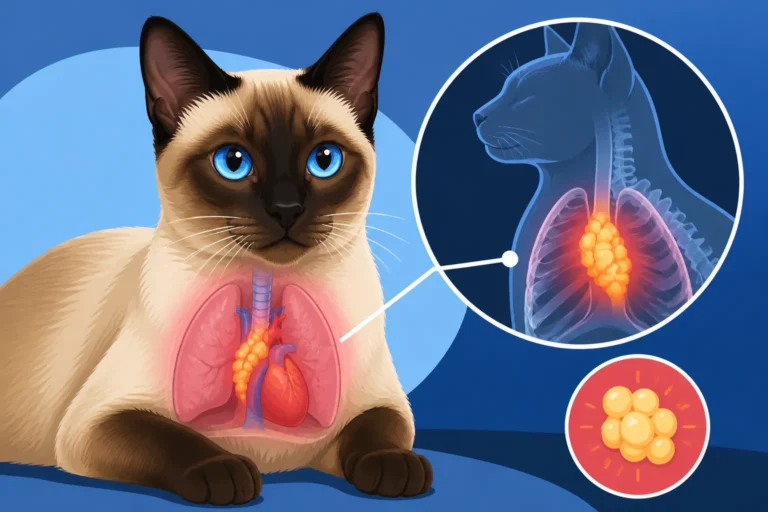
At its core, feline asthma is a chronic inflammatory condition of the small airways (bronchi and bronchioles) in your cat's lungs. When an asthmatic cat is exposed to an allergen or irritant, their immune system overreacts. This isn't just a simple sniffle; it’s a full-blown internal battle, leading to two major problems in their lungs: inflammation and bronchoconstriction. Imagine trying to breathe through a straw – that's what it can feel like for your cat.
The inflammation causes the lining of the airways to swell and produce excessive mucus, physically narrowing the passages. Simultaneously, the muscles surrounding these airways go into spasm, constricting the tubes even further. This double whammy makes it incredibly difficult for air to move in and out of the lungs, leading to the characteristic wheezing and coughing. Over time, if left unmanaged, this chronic inflammation can lead to irreversible changes in the airway structure, a process called airway remodeling, making the condition harder to control and potentially shortening your cat's healthy lifespan.
Recognizing the Alarming Signs of Asthma in Your Siamese
One of the trickiest parts of owning a Siamese with asthma is that cats are masters of hiding their discomfort. They are incredibly stoic creatures, and it can take a keen eye and a deep understanding of their normal behavior to spot the subtle clues that something is amiss. Don’t blame yourself if you don't catch it immediately; many owners struggle with this, which is precisely why it’s so important to be aware of what to look for.
Early Indicators You Might Miss
Often, the first signs of asthma in a Siamese are incredibly subtle and easily mistaken for other, less serious issues. You might notice a soft, dry cough that you initially attribute to a hairball, especially if it only happens occasionally. This cough often has a distinct 'honking' or 'gagging' sound to it, but it might not always produce anything. Your cat might stretch their neck out and crouch down as if trying to clear something, only for nothing to happen. These episodes might be brief, perhaps just once or twice a week, making them easy to dismiss as normal feline quirks.
Beyond coughing, keep an eye on their general breathing patterns and activity levels. A healthy Siamese breathes effortlessly, almost imperceptibly. If you start to notice their breathing becoming faster, or if there's a slight abdominal effort involved – where their belly moves noticeably more than their chest during each breath – that's a red flag. Perhaps your usually playful Siamese is now less enthusiastic about chasing toys, taking more naps, or becoming winded quicker after a short play session. These subtle shifts in their daily routine, when combined with occasional coughing or wheezing, could be early whispers of asthma trying to tell you something.
Signs of a Full-Blown Asthma Attack
While the early signs can be insidious, a full-blown asthma attack in a Siamese cat is an undeniable and terrifying experience for both cat and owner. This is an emergency situation that requires immediate veterinary attention. During an attack, your cat isn't just uncomfortable; they are literally fighting for every breath, and it's harrowing to witness. The subtle coughs give way to intense, persistent wheezing, often audible across the room, as air struggles to pass through severely constricted airways.
You'll see distinct signs of severe respiratory distress: rapid, shallow breathing, often accompanied by an open-mouthed gasp. Your Siamese might crouch low with their neck extended and elbows splayed out, a classic posture known as "air hunger," desperately trying to expand their chest and take in more oxygen. Their gums, normally a healthy pink, might start to look pale or even bluish (cyanotic) due to lack of oxygen. This bluish tint is a critical indicator of a life-threatening emergency. If you ever see your cat exhibiting these severe symptoms, do not hesitate; get them to the nearest emergency vet immediately. Recognizing these acute Signs a Siamese Cat Is Having an Asthma Attack can be life-saving.
Differentiating Asthma from Other Common Siamese Cat Issues
One of the biggest challenges in diagnosing feline asthma, especially in Siamese cats, is that many of its symptoms overlap with other conditions. It's easy to jump to conclusions, or conversely, to dismiss serious signs as something benign. A common scenario is attributing a cough to a hairball, which can delay proper diagnosis and treatment. This is where a careful owner and a thorough veterinarian become invaluable partners.
The Great Hairball vs. Asthma Debate
This is perhaps the most common diagnostic pitfall for many cat owners. Your Siamese starts coughing, making a retching sound, and you immediately think "hairball." And sometimes, you'd be right! Cats groom themselves constantly, ingesting fur, and occasionally they need to bring it up. However, the cough associated with asthma often has a slightly different quality and rarely results in a hairball. A hairball cough is usually more productive, leading to a visible hairball or vomit. It's often a single, intense episode followed by relief.
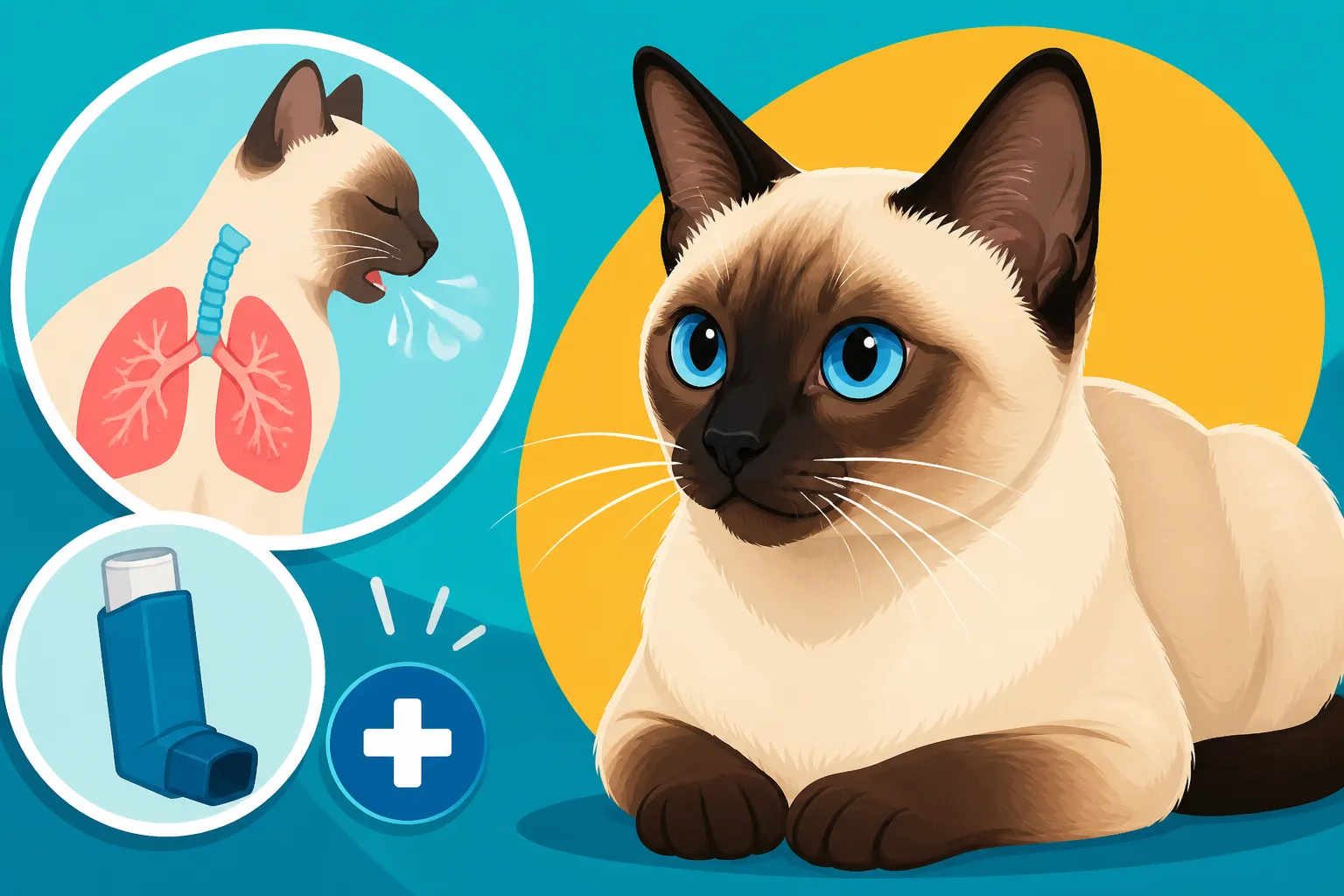
An asthmatic cough, on the other hand, tends to be dry, sometimes sounding like a soft honk or a deep wheeze. Your cat might stretch their neck out and crouch low, gagging repeatedly, but nothing actually comes up. These coughing fits can last longer than a typical hairball expulsion and may occur more frequently, especially after activity or during periods of stress. If your Siamese is coughing frequently, or if the "hairball" attempts never actually produce a hairball, it's time to consider asthma. Learning Whether a Siamese Cat's Cough Is Asthma or a Hairball is crucial for early intervention.
Other Respiratory Conditions to Consider
While asthma is a concern, it's not the only reason your Siamese might be coughing or breathing heavily. Upper respiratory infections (URIs), often caused by viruses like feline herpesvirus or calicivirus, can lead to sneezing, nasal discharge, and sometimes coughing. However, URIs usually come with other signs like fever, lethargy, and conjunctivitis, which aren't typical for asthma. Allergies can also cause respiratory symptoms, sometimes mimicking asthma, but they might also present with skin issues or sneezing.
Another serious condition, particularly in older cats, is heart disease. Conditions like hypertrophic cardiomyopathy (HCM), which some purebreds can be predisposed to, can lead to fluid buildup in the lungs (pulmonary edema), causing coughing, rapid breathing, and lethargy. The signs can be eerily similar to asthma, making a vet visit essential for proper differentiation. A veterinarian will use a stethoscope to listen to your cat's heart and lungs, and often recommend imaging like X-rays to distinguish between these conditions.
Getting a Definitive Diagnosis: The Vet's Approach
Pinpointing feline asthma isn't always straightforward, even for experienced veterinarians. Because the symptoms can mimic so many other conditions, your vet will need to perform a thorough examination and often a series of diagnostic tests to rule out other possibilities and confirm an asthma diagnosis. It's a process of elimination, which can sometimes feel frustrating, but it's essential to get it right for your cat's long-term health.
The Initial Veterinary Consultation and Exam
Your journey toward diagnosis will begin with a detailed conversation with your veterinarian. They'll ask you a lot of questions about your cat's history: when did the coughing start? How often does it happen? What does it sound like? Does anything seem to trigger it? Have you noticed changes in their appetite, activity, or breathing patterns? Being as detailed and honest as possible here is incredibly helpful. Your vet will then perform a complete physical examination, paying close attention to your Siamese’s respiratory and cardiovascular systems.
During this exam, your vet will carefully listen to your cat's lungs and heart with a stethoscope. They might be listening for crackles, wheezes, or other abnormal lung sounds that suggest inflammation or fluid. They’ll also check your cat's heart rate and rhythm, looking for murmurs or other irregularities that could indicate heart disease. Sometimes, they might gently palpate your cat's throat to see if that elicits a cough. This initial assessment helps them form a clearer picture and decide which diagnostic steps to take next.
Diagnostic Tools: X-rays, Blood Tests, and More
One of the most crucial diagnostic tools for feline asthma is a chest X-ray. These images can reveal characteristic changes in the lungs, such as thickened bronchial walls (often described as "donut" or "tram line" patterns), hyperinflation of the lungs (meaning they hold too much air), or an overall hazy appearance consistent with inflammation. However, it's important to remember that a "normal" X-ray doesn't definitively rule out asthma, especially in early or mild cases, as the changes might not be visible yet. It’s also vital for ruling out conditions like pneumonia, heart failure, or even lung tumors. Understanding What a Siamese Cat's Chest X Ray Costs might be helpful in preparing for this diagnostic step.
To further rule out other issues, your vet might recommend blood tests. A complete blood count (CBC) can sometimes show an elevation in certain white blood cells (eosinophils), which are associated with allergic reactions and parasitic infections, both of which can either mimic or coexist with asthma. However, this isn't always present in asthmatic cats. A Fecal exam is also often recommended to rule out lungworm, a parasitic infection that can cause similar respiratory signs. In more ambiguous cases, or when initial treatments aren't effective, your vet might suggest a bronchial alveolar lavage (BAL). This involves flushing the airways with saline and then collecting the fluid for analysis, which can show the specific inflammatory cells present, offering a more definitive diagnosis of asthma.
Comprehensive Treatment Plans for Asthmatic Siamese Cats
Once your beloved Siamese cat receives an asthma diagnosis, the focus shifts to management. There's currently no cure for feline asthma, but with a good treatment plan, many cats can lead full, happy lives with minimal symptoms. The goal is to reduce airway inflammation and open up the airways, preventing painful and frightening attacks. Treatment often involves a combination of immediate crisis management and long-term daily care.
Managing Acute Asthma Attacks
Witnessing your Siamese having an acute asthma attack is terrifying, and swift action is paramount. If your cat is struggling severely to breathe, exhibiting open-mouth breathing, or has bluish gums, it's an emergency. Your vet will likely administer fast-acting medications to quickly open their airways and reduce inflammation. This typically involves an injectable corticosteroid, like dexamethasone, and a bronchodilator, such as terbutaline, to relieve the muscle spasms constricting the airways. Oxygen therapy will also be crucial to help stabilize your cat and ensure their vital organs receive enough oxygen.
Stabilizing your cat in a crisis involves careful monitoring, often in an oxygen cage, until their breathing has normalized. The veterinary team will continuously assess their respiratory rate, effort, and mucous membrane color. This initial emergency treatment is about saving their life and getting them out of immediate danger. While life-saving, these emergency interventions can be costly, and knowing What an Asthma Emergency Costs a Siamese Cat Owner can help you prepare financially.
Long-Term Management and Medication
For long-term control, the cornerstone of feline asthma treatment is typically inhaled corticosteroids, such as fluticasone. These medications are anti-inflammatory and work directly on the lungs, minimizing systemic side effects often seen with oral steroids. They are administered using a special feline-specific inhaler and a spacer device (like the AeroKat or AeroDawg), which ensures the medication reaches deep into the lungs. Your vet will often start with a higher dose to get the inflammation under control, then gradually taper it to the lowest effective dose.
Oral corticosteroids, like prednisolone, may be used short-term to quickly reduce severe inflammation, or as an alternative if inhaled medications aren't feasible for your cat. However, due to potential long-term side effects like diabetes and immune suppression, inhaled steroids are generally preferred for maintenance. In some cases, bronchodilators may also be prescribed for daily use to keep airways open, but they don't address the underlying inflammation, so they are typically used in conjunction with steroids. You might want to consider Which Steroid a Siamese Cat With Asthma Takes, as there are different options available.
Environmental Modifications for Asthma Control
Beyond medication, making changes to your Siamese’s environment is a critical part of managing their asthma. The goal is to identify and minimize exposure to potential allergens and irritants that can trigger an asthma attack. Common culprits include dust from cat litter, cigarette smoke, aerosol sprays (like air fresheners or hairspray), strong cleaning products, mold, pollen, and even certain food allergens.
Switching to a dust-free cat litter, such as World's Best Cat Litter or Dr. Elsey's Precious Cat Litter, is one of the easiest and most impactful changes. It’s also wise to avoid plug-in air fresheners, scented candles, and smoking indoors. Regular vacuuming with a HEPA filter vacuum can help reduce dust and dander. Some owners find success with air purifiers, which can remove airborne particles. You can research Whether an Air Purifier Helps a Siamese Cat's Asthma to see if it’s a good option for your home. While not a cure, these environmental adjustments can significantly reduce the frequency and severity of asthma flare-ups, making your home a safer haven for your sensitive Siamese.
Living with an Asthmatic Siamese: Daily Care and Support
Caring for an asthmatic Siamese cat becomes a part of your daily routine, but it doesn't have to be overwhelming. With a good rhythm and the right tools, you can manage their condition effectively and ensure they maintain a high quality of life. Consistency is truly key when it comes to long-term asthma management.
Administering Medications and Using an Inhaler
For many owners, the thought of giving their cat an inhaler seems daunting, but with patience and positive reinforcement, it's entirely achievable. The key is to introduce the inhaler and spacer gradually, making it a calm and even positive experience. Start by simply showing your cat the spacer and rewarding them. Then, try briefly holding it near their face, slowly working up to placing the mask over their nose and mouth for a few seconds, always rewarding them with treats or praise. Over time, they'll associate the device with good things. Administering the puff of medication should be quick and efficient, followed by letting them breathe normally into the mask for 7-10 breaths, then rewarding generously. There are fantastic videos and guides available on How a Siamese Cat Uses an Inhaler that can walk you through the process step-by-step.
Establishing a consistent medication schedule is vital. Just like humans, cats need their asthma medication administered regularly, usually once or twice a day, to keep inflammation at bay. Missing doses can lead to a build-up of inflammation and a higher risk of an asthma attack. Set reminders on your phone, incorporate it into a fixed daily routine (like meal times), and make sure every family member knows the schedule if you share pet care responsibilities.
Monitoring Your Cat's Health and Recognizing Changes
Even with a well-managed treatment plan, it's important to remain vigilant and continuously monitor your Siamese's health. Keeping a symptom diary can be incredibly helpful. Note down any coughing episodes – when they occur, how long they last, what they sound like, and if anything seemed to trigger them. Also, pay attention to their resting respiratory rate; you can count how many breaths they take in 30 seconds and multiply by two while they are calm and asleep. An elevated resting respiratory rate can be an early warning sign of worsening asthma.
If you notice an increase in coughing frequency or severity, more labored breathing, decreased activity, or any of the acute asthma attack signs, it’s crucial to contact your vet immediately. Don't wait for things to escalate. Early intervention can prevent a full-blown crisis and ensure your cat’s condition remains stable. Regular follow-up appointments with your vet, usually every 6-12 months or as recommended, are also essential to assess the effectiveness of the treatment plan and make any necessary adjustments.
The Financial Reality: Costs of Managing Siamese Cat Asthma
Let's be real: caring for a pet, especially one with a chronic condition like asthma, comes with financial considerations. It's not just about the love and companionship; there are tangible costs involved that can add up quickly. Understanding these expenses upfront can help you plan and ensure you're always prepared to provide the best care for your asthmatic Siamese. No one wants to make difficult decisions based solely on finances, so budgeting and planning are key.
Initial Diagnosis and Emergency Care Expenses
The first hurdle often involves the diagnostic process. Initial vet visits, physical exams, and a chest X-ray to rule out other conditions can range from a few hundred to upwards of a thousand dollars, depending on your location and the clinic. If your cat presents in crisis, emergency vet visits carry an additional premium. An emergency consultation, oxygen therapy, injectable medications, and possibly an overnight stay can quickly run into thousands of dollars. The sticker shock of an emergency visit is a harsh reality for many pet owners, and it's a critical reason to understand the financial implications of such a condition.
Further advanced diagnostics, such as a bronchial alveolar lavage (BAL) if recommended, can add another significant expense. This procedure requires sedation or general anesthesia, specialist equipment, and laboratory analysis, easily pushing the bill higher. It’s during these initial and emergency phases that many owners realize the true financial commitment involved.
Ongoing Medication and Supply Costs
Once diagnosed, the ongoing cost of managing feline asthma primarily revolves around medication and supplies. Inhaled corticosteroids, like fluticasone, can cost anywhere from $50-$150 per month, depending on the dosage and pharmacy. The specialized feline spacer device (e.g., AeroKat) can be a significant upfront cost, often in the range of $100-$200, but it’s a one-time purchase that is essential for effective medication delivery. You can easily see What a Feline Spacer for a Siamese Cat Costs and begin budgeting for this crucial tool.
If your cat also requires oral steroids or bronchodilators, these prescriptions add to the monthly total. Additionally, don't forget the costs associated with environmental modifications, such as premium dust-free litter, air purifiers, and regular vet check-ups to monitor their condition. These routine expenses can easily add up to several hundred dollars annually, beyond the initial diagnostic and emergency costs. This is where pet insurance, like plans offered by Healthy Paws, can become a financial lifeline, helping to cover a significant portion of these recurring and unexpected veterinary bills. Having insurance can provide immense peace of mind, knowing you won't have to choose between your cat's health and your wallet. Investing in a good policy when your cat is young and healthy, before any pre-existing conditions are diagnosed, is always the smartest move.
Disclaimer
This article is intended for informational purposes only and does not constitute veterinary advice. Always consult with a qualified veterinarian for any health concerns or before making any decisions about your pet's medical care.