Whether a Rescue Siamese Cat Comes Vocal
One of the biggest worries prospective Siamese cat owners have, especially when considering adoption, is the breed's legendary vocal nature. Many people wonder if a rescue Siamese cat will be just as chatty, or perhaps even more so due to past experiences. This guide aims to demystify the vocal habits of rescue Siamese cats, offering insights into why they speak their minds and what you can expect when welcoming one into your home.
The Inherent Vocal Nature of the Siamese Breed
Before we dive into rescue specifics, it's crucial to understand that vocalization isn't just a quirk in a Siamese; it's a defining characteristic woven into the very fabric of the breed. These cats are known for being incredibly communicative, using a wide range of sounds to express themselves.
The Siamese Cat's Distinctive "Meezer Yowl"
The most famous, or perhaps infamous, aspect of Siamese vocalization is their distinctive "Meezer Yowl." It's not just a simple meow; it's a deep, often insistent, and truly unforgettable sound that can range from a demanding bellow to a drawn-out lament. This vocalization is partly due to their unique larynx structure, which allows for a broader range and louder projection of sound compared to many other cat breeds. They truly believe they are part of the conversation, and they expect you to engage with them. It's their way of interacting, expressing needs, desires, and even opinions. If you've never heard it before, it can be quite startling, but for those who love the breed, it's just another charm. What the Siamese Cat's Meezer Yowl Sounds Like can give you a better idea of what to expect.
Genetic Predisposition vs. Environmental Influence
The strong vocal tendency in Siamese cats is largely genetic. They were selectively bred over generations to be outgoing, people-oriented, and yes, very vocal companions. This means that, generally, any Siamese cat, regardless of its background, will have a predisposition to being chatty. However, environmental factors absolutely play a role in how and when that vocalization manifests. A Siamese raised in a quiet, less interactive home might initially seem less vocal than one encouraged to "talk" from a young age. Stress, boredom, or a lack of attention can also amplify their natural inclination to speak up. Understanding Why a Siamese Cat Meows So Much often boils down to a combination of their genetics and their immediate environment.
The Rich Tapestry of Siamese Vocalizations
While the "yowl" gets all the attention, Siamese cats actually have an incredibly diverse vocabulary. They use a symphony of sounds to communicate. Beyond the loud meow, you'll hear soft chirps when they're observing birds, gentle trills as they greet you, and a variety of conversational meows that sound remarkably like they're trying to form words. They might purr loudly, chatter at toys, or even make a soft, questioning "mrrrow?" when they can't find you. Each sound often has a specific meaning, and over time, you'll learn to distinguish between their "I'm hungry" meow, their "play with me" yowl, and their "I just want to snuggle" chirp. It's part of the fun of living with them. If you're curious about the range, How Many Sounds a Siamese Cat Makes goes into more detail.
Vocalization in a Rescue Siamese Cat
Bringing a rescue cat home comes with its own set of unknowns, and a Siamese is no exception. While their breed predisposition for vocalization remains, a rescue Siamese might have unique vocal patterns influenced by their past.
The Impact of Past Experiences on Vocalization
A rescue Siamese cat's previous life can significantly shape its vocal behavior. A cat that experienced neglect or a lack of attention might become overly vocal in a new home, constantly meowing or yowling to get your attention, ensuring they're not overlooked again. Conversely, a cat from a very noisy, stressful environment might initially be quieter, almost 'shut down,' only to find their voice once they feel safe and secure. It's also possible for a rescue Siamese to have learned specific vocal cues from a previous owner, perhaps linking a certain meow to receiving a treat or being picked up. Whether a Rescue Siamese Cat Has Any History can be a really important question to ask the shelter or foster parents, as it can shed light on some of these learned behaviors.
Consider a hypothetical situation: Imagine a beautiful Seal Point Siamese, let's call her Luna, who was surrendered because her elderly owner could no longer care for her. Luna might have been the center of attention for years, constantly conversing with her owner. When she arrives at a busy shelter, she might yowl incessantly, not out of distress, but because that's always been her way of communicating and seeking interaction. Once in a quiet foster home, her vocalizations might calm slightly but remain a consistent, chatty presence. Another Siamese, Shadow, might have been found as a stray, having lived a solitary life. He might be timid and quiet at first, but after a few weeks in a loving home, discovering the joy of human interaction, he could blossom into a surprisingly vocal companion, making up for lost time.
Assessing Vocal Tendencies During Adoption
When you're at the shelter or meeting a foster Siamese, pay close attention to their vocalizations. While it might be tempting to pick the quietest cat, remember that a new environment is stressful, and a cat might not be showing its true personality. Ask the staff:
- How vocal is this particular cat?
- Do they have specific times they tend to be most vocal (e.g., meal times, at night)?
- Do they respond to conversation?
- Have they observed any changes in vocalization during their stay?
- What seems to trigger their vocalizations (e.g., seeing people, hunger, boredom)?
Spending time with the cat in a calmer setting, if possible, can give you a better idea. Engage them in conversation, play with them, and see how they communicate. A cat that constantly seeks eye contact and offers a variety of meows is likely to be quite vocal in your home too. Don't be shy about asking about their known vocal habits—it's better to be prepared! Sometimes, the shelter might even have a video of the cat in a more relaxed setting, which can offer invaluable clues.
Why a Rescue Siamese Might Seem Quieter (Initially)
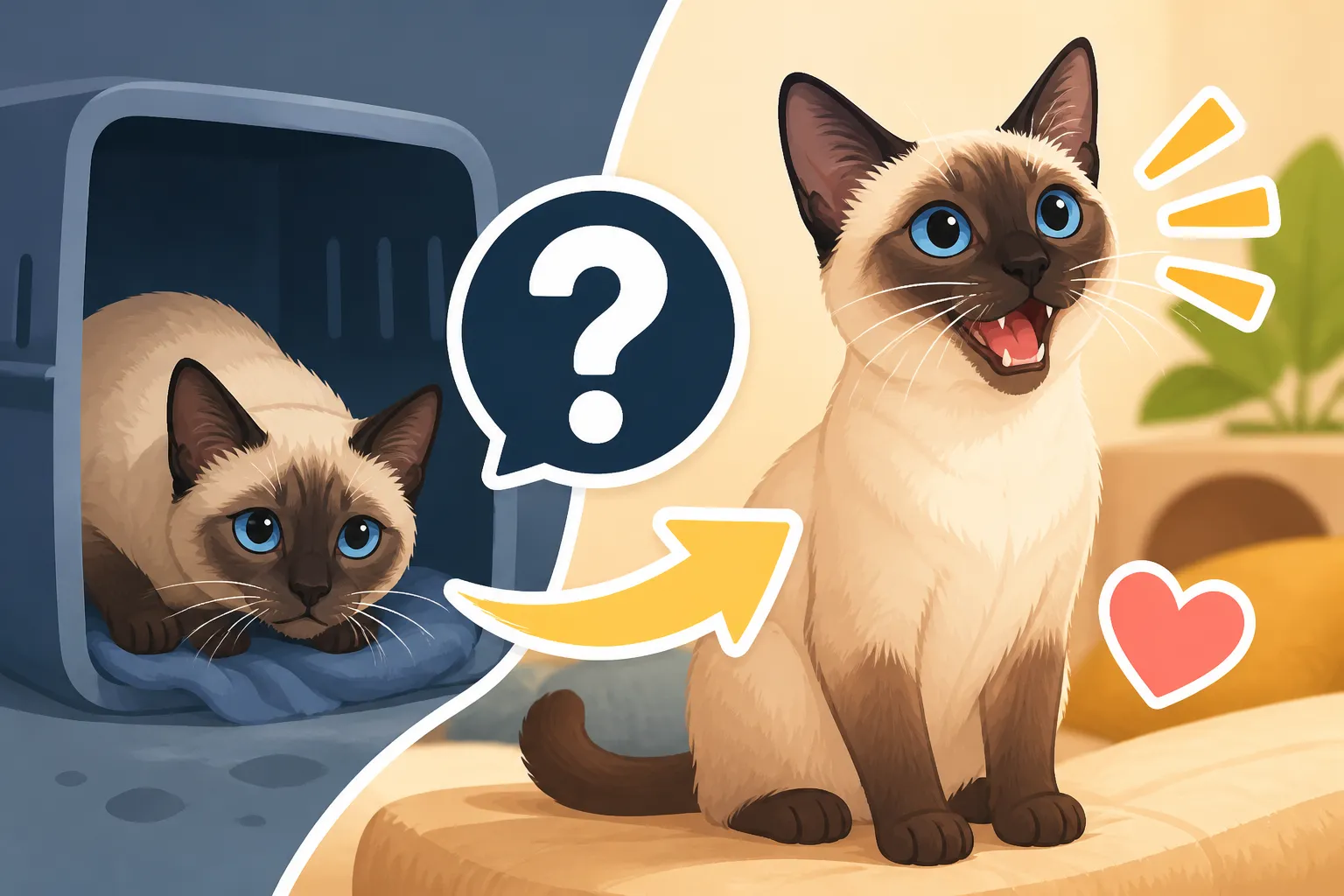
It’s not uncommon for a newly adopted rescue Siamese to seem much quieter than expected during the first few days or even weeks. This is often referred to as the "honeymoon period." Your new cat is adjusting to an entirely new environment, new smells, new sounds, and new routines. They are observing, assessing, and processing everything. During this time, they might be more reserved, exploring cautiously, and vocalizing less as they try to understand their new world.
Think of it like moving to a new city; you might not immediately jump into the local rhythm. Your Siamese needs time to feel safe, secure, and confident enough to truly express themselves. Once they've settled in and realized they're safe, loved, and have found their "voice" in your home, their inherent Siamese vocalizations will likely emerge. So, if your rescue Siamese seems unusually quiet at first, don't assume they'll stay that way. Give them time, patience, and a comfortable space to truly bloom.
Living with a Vocal Rescue Siamese
Embracing a vocal Siamese means welcoming a true conversationalist into your life. While it can take some adjustment, learning to understand and appreciate their chatter is a rewarding part of the experience.
Setting Realistic Expectations
The most important thing when adopting a vocal breed like a Siamese, especially a rescue, is to set realistic expectations. They are not quiet lap ornaments. They are interactive, intelligent, and communicative creatures who will talk to you. They will tell you about their day, demand your attention, complain about an empty food bowl, and generally narrate their lives. If you are looking for a silent companion, a Siamese is probably not the right fit, and a rescue Siamese is unlikely to be an exception. Many cats are surrendered to rescues specifically because their owners weren't prepared for the sheer volume and persistence of their vocalizations, as explored in Whether a Siamese Cat Is Returned for Meowing. Being prepared for this characteristic is key to a happy home for both you and your cat.
| Vocalization Type | Common Triggers | What it Might Mean |
|---|---|---|
| Yowl/Howl | Seeking attention, hunger, loneliness, distress | "I need something NOW!", "Where are you?", "Play with me!" |
| Meow | Greetings, mild requests, conversation | "Hello!", "Feed me please," "Look at this!" |
| Chirp/Trill | Happy greetings, excitement, calling kittens | "Come here," "Follow me," "I'm happy to see you" |
| Purr | Contentment, seeking comfort, sometimes stress | "I'm happy," "Pet me," "I feel safe" |
| Growl/Hiss | Fear, aggression, pain | "Stay away," "I'm scared/hurt" |
Managing Excessive Vocalization
While you can't, and shouldn't try to, silence a Siamese entirely, you can manage excessive or attention-seeking vocalization. The first step is always to rule out medical issues. A sudden increase in vocalization, especially yowling at night or appearing distressed, can be a sign of pain, discomfort, or an underlying health problem. A trip to the vet for a thorough check-up is always a good idea if you notice a significant change. Pay close attention to Signs a Siamese Cat Is Unwell as vocal changes can be an indicator. Pet insurance from providers like Healthy Paws can be a real lifesaver if your vocal Siamese suddenly needs medical attention for unexpected conditions.
Once health is confirmed, focus on enrichment and consistent responses. Are they bored? Provide plenty of interactive toys, puzzle feeders from places like Chewy, and regular play sessions. A bored Siamese is a vocal Siamese. Are they seeking attention? Make sure you're dedicating specific, quality time to them each day, so they don't feel the need to yowl for it. Ignoring demands for attention while rewarding quiet behavior can also help, but this takes consistency and patience. If your cat is constantly begging for food, try scheduled mealtimes instead of free-feeding, and consider high-quality, satisfying food options. Learning How to Quiet a Siamese Cat often involves understanding why they are being vocal and addressing that underlying need.
The Joys of a Communicative Companion
For those who embrace it, the vocal nature of a Siamese cat is one of their most endearing qualities. They become true members of the family, participating in conversations and making their presence known. There's a special bond that forms when you learn to "talk" back to your Siamese, understanding their various meows and responding in kind. They're not just pets; they're sentient beings with opinions, and they're not afraid to share them. Their vocalizations add a vibrant, lively energy to your home that many owners wouldn't trade for anything. They thrive on interaction and being involved in your daily life, and their constant commentary is a testament to their deep connection with you.
When Vocalization Signals a Problem
It's essential to distinguish between typical Siamese chatter and vocalizations that signal a problem. A sudden, unexplained change in your cat's vocal habits should never be ignored. This could include:
- Excessive, distressed yowling: Especially if accompanied by restlessness, hiding, or changes in eating/litter box habits. This could indicate pain, anxiety, or even cognitive dysfunction in older cats. When a Siamese Cat's Meowing Means Pain is a crucial read in such situations.
- Loss of voice or hoarseness: This could point to respiratory issues, a sore throat, or other physical ailments.
- Constant, frantic meowing around the litter box: This might indicate a urinary tract infection or blockage, which is a veterinary emergency.
- Vocalization accompanied by aggression or fear: This suggests high stress levels or an underlying medical condition that's causing discomfort.
Always observe your cat's body language alongside their vocalizations. If something feels "off," trust your gut and consult your veterinarian. Regular wellness exams, as discussed in How Often a Siamese Cat Needs a Wellness Exam, can help catch potential issues early.
Ultimately, a rescue Siamese cat is highly likely to be vocal, simply because it's part of their genetic makeup. Their past experiences might influence the intensity or triggers of their vocalizations, but the inclination to communicate is usually strong. By being prepared, understanding their needs, and appreciating their unique voices, you can enjoy a deeply connected and wonderfully chatty companion for many years to come.
Disclaimer
This article is for general informational purposes only and does not constitute professional advice. Laws, prices and regulations vary by location and change over time. Consult a qualified professional for guidance on your specific situation.