How to Quiet a Siamese Cat
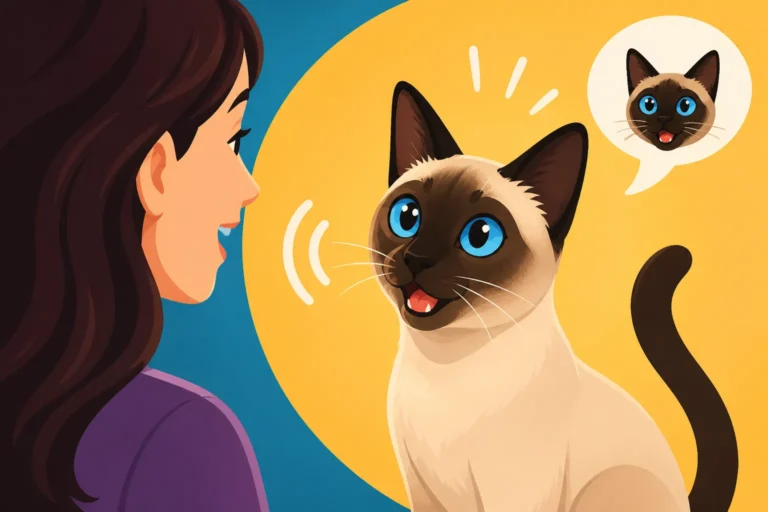
Living with a Siamese cat can be a truly wonderful experience, filled with intelligent companionship and endless entertainment. However, for many owners, the famous Siamese vocalization can sometimes become, well, a little much. It's not just a soft meow; it's often a deep, resonant yowl that seems to pierce through walls, demanding attention at all hours. This guide will walk you through understanding why your Siamese is so talkative and provide practical, empathetic strategies to help quiet their persistent vocalizations, bringing a little more peace to your home.
Understanding the Siamese Cat's Vocal Nature
Before we can even begin to "quiet" a Siamese cat, it's crucial to understand that their vocal nature isn't a defect or a sign of being "badly behaved." It's an intrinsic part of who they are, woven into their very DNA. Ignoring this fundamental aspect would be like trying to teach a bird not to sing. Instead, we need to acknowledge and work with their natural tendencies.
Why Siamese Cats Are So Vocal
Siamese cats are often described as having "opinions" about everything, and they're certainly not shy about sharing them. This highly vocal trait is deeply rooted in their breed history and genetics. Unlike many other cat breeds that might reserve their meows for urgent needs, a Siamese cat uses its voice for a constant dialogue with its humans. They are incredibly social creatures who thrive on interaction and communication, and their voice is their primary tool for engaging with the world around them.
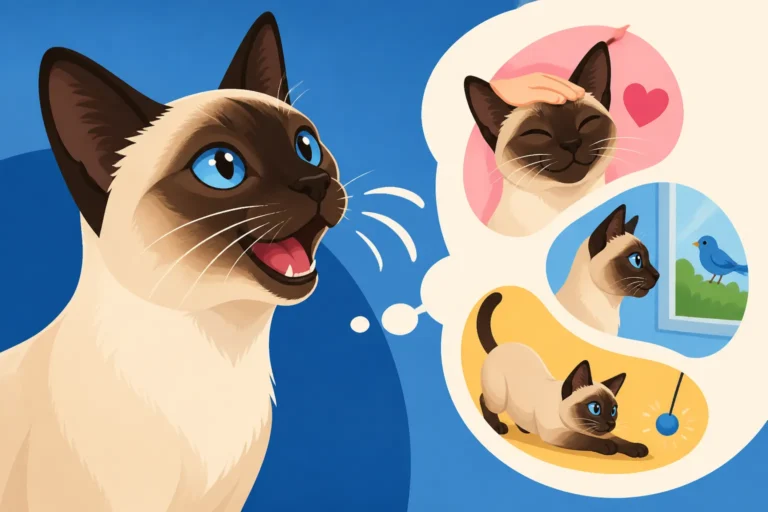
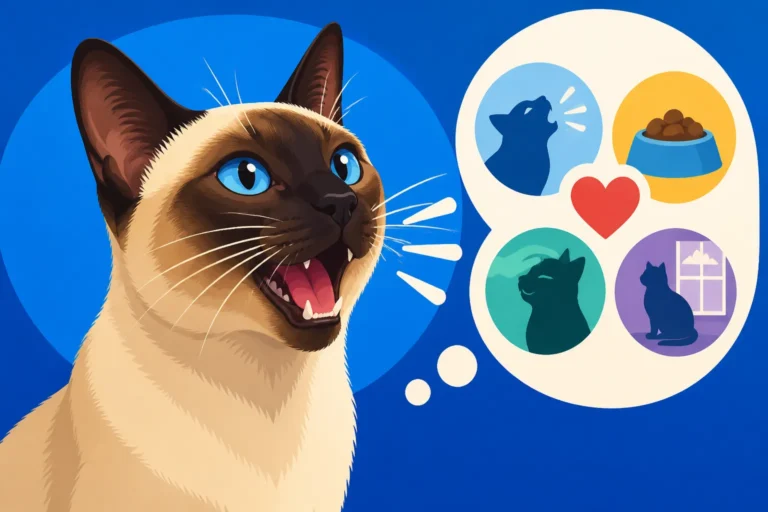
Think of it this way: for a Siamese, talking isn't just about asking for dinner; it's about commenting on the weather, expressing their delight at your presence, complaining about an empty water bowl, or simply making conversation. This isn't a learned behavior in the same way some cats learn to beg. It's an inherent part of their personality, making them wonderfully communicative but also potentially overwhelming for owners unprepared for the sheer volume and frequency. They are, after all, nicknamed "Meezers" for a reason – their distinctive vocalizations are legendary. How Loud a Siamese Cat Is delves deeper into just how powerful their voices can be.
Deciphering the Different Siamese Vocals
It's easy to lump all Siamese cat sounds into one category, but if you listen closely, you'll start to notice a rich vocabulary. Their vocalizations aren't just loud; they're varied, each carrying a different nuance and meaning. A truly empathetic approach to quieting your Siamese starts with trying to understand what they're actually trying to tell you.
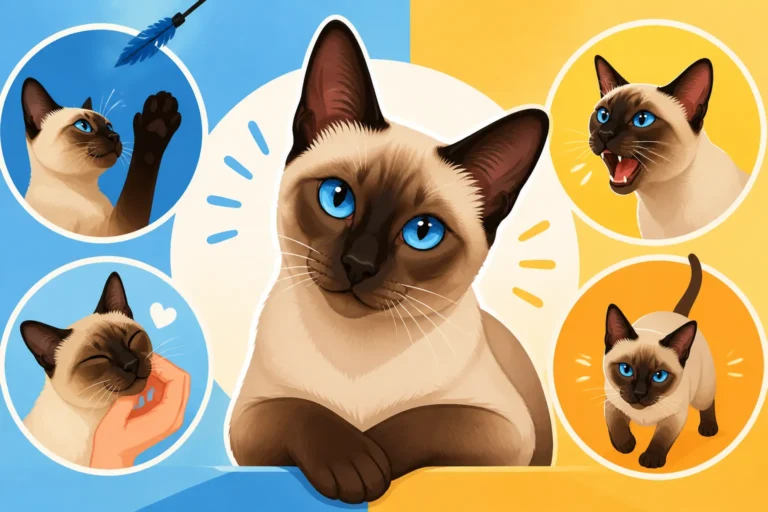
For example, the classic "Meezer yowl" is often a deep, drawn-out cry that can sound quite mournful or demanding. This is frequently used for attention-seeking or expressing strong desires. Then there's the more polite "chirp" or "trill," often a short, rolling sound that cats use as a greeting or an invitation to play. A sharp, insistent "meow" might indicate immediate needs, like "feed me now!" or "open this door!" Sometimes, you'll even hear a low grumble or a chattering sound when they spot a bird outside. Paying attention to these subtle differences can give you valuable clues about their current state of mind and what they might be asking for. What a Siamese Cat's Yowl Means explores these specific sounds in more detail.
Normal vs. Excessive Vocalization
Distinguishing between normal Siamese chatter and excessive vocalization is key. A Siamese cat that "talks" to you when you come home, chirps for treats, or even yowls playfully during a game of chase is generally exhibiting normal, healthy behavior for the breed. This kind of communication enriches the bond you share. It's a sign they feel comfortable and engaged with you.
However, vocalization becomes "excessive" when it's constant, disruptive, seems frantic, or occurs at inappropriate times, such as incessant yowling in the middle of the night despite all needs being met. It's also excessive if it's accompanied by other concerning behaviors like pacing, hiding, aggression, or a sudden change in eating or litter box habits. If your cat's vocalizations change significantly in pitch, intensity, or frequency, especially as they get older, it's always worth considering a vet visit. Why an Old Siamese Cat Yowls More is a good resource for understanding age-related changes in vocalization.
| Vocalization Type | Common Sound Description | Likely Meaning/Trigger |
|---|---|---|
| Yowl | Deep, resonant, drawn-out | Attention, demanding, distress, seeking mate |
| Meow | Shorter, more distinct, varied pitch | Greeting, asking for food, wanting in/out, general communication |
| Chirp/Trill | Soft, rolling, bird-like | Greeting, inviting play, contentment, acknowledgment |
| Purr | Rumbly, continuous vibration | Contentment, relaxation, self-soothing (can also indicate pain) |
| Growl/Hiss | Low, guttural growl; sharp, forceful hiss | Fear, anger, aggression, warning |
| Chatter | Rapid teeth clicking | Excitement, frustration (often when spotting prey) |
Identifying the Triggers for Excessive Meowing
Once you understand that your Siamese has a natural inclination to vocalize, the next step is to pinpoint why they might be doing it excessively. It's like being a detective for your cat, looking for clues to their behavior. Often, it boils down to an unmet need, whether physical, emotional, or environmental.
Attention Seeking and Boredom
This is perhaps the most common reason for a Siamese cat's insistent vocalizations. These cats crave interaction, and they are incredibly smart at figuring out how to get your attention. If they learn that a loud yowl results in you looking at them, talking to them, or getting up to investigate, they will absolutely use that to their advantage. It's a classic case of positive reinforcement, even if the "reward" from your perspective is just a frustrated sigh.
A bored Siamese is a vocal Siamese. They are highly intelligent and need mental and physical stimulation to prevent destructive or annoying behaviors. If left alone for long periods without toys, interactive play, or companionship, they will make it known through their voice. They might pace, follow you around the house, and then escalate their meows until you engage. Providing adequate enrichment is crucial here, as a tired cat is often a quiet cat. A Siamese Cat Will Not Be Ignored for more on their persistent nature.
Hunger, Thirst, and Litter Box Issues
While these might seem obvious, sometimes the simplest solutions are overlooked. A Siamese cat will not quietly endure an empty food bowl or a dirty litter box. Their vocalizations in these scenarios are usually direct and insistent. If your cat is suddenly very vocal around meal times or in the vicinity of their food and water, check these basic needs first.
- Food: Are they getting enough food? Are their meals scheduled, or are they free-fed? If you've recently changed their feeding routine, they might be protesting.
- Water: Is their water fresh and easily accessible? Some Siamese cats prefer running water from a fountain, which you can find readily on Amazon.
- Litter Box: A dirty litter box is a common source of feline distress. A Siamese cat is particularly fastidious and might vocalize their displeasure or even refuse to use a soiled box, opting for an inappropriate spot instead. Ensure boxes are scooped daily, and completely changed out regularly. Litter, Water and Boxes for a Siamese Cat has more details on maintaining their hygiene needs.
Stress, Anxiety, and Environmental Changes
Siamese cats, despite their confident demeanor, can be creatures of habit and sensitive to changes in their environment. Stress and anxiety can manifest as increased vocalization, often accompanied by other signs like hiding, inappropriate urination, or changes in grooming habits. Major life changes, even positive ones for you, can be highly unsettling for your cat.
Consider recent changes:
- New Home: Moving can be incredibly stressful.
- New Pet or Person: Introducing a new family member, whether human or animal, can disrupt their sense of security.
- Changes in Routine: A new work schedule, less time spent at home, or even rearranged furniture can be upsetting.
- Separation Anxiety: Siamese cats are incredibly attached to their people. If you've recently returned to the office or are spending more time away, they might develop separation anxiety, leading to excessive vocalization when you're gone and frantic greetings upon your return. What Separation Anxiety Looks Like in a Siamese Cat explores this specific issue.
Medical Reasons for Increased Vocalization
Never rule out a medical cause for a sudden or persistent increase in vocalization, especially if your Siamese is an older cat. Cats are masters at hiding pain and illness, and sometimes increased vocalization is one of the only outward signs that something is wrong. An older cat, for instance, might become more vocal due to cognitive dysfunction (similar to dementia in humans), hearing loss, or age-related aches and pains.
Conditions that can cause increased vocalization include:
- Hyperthyroidism: An overactive thyroid gland can make a cat restless, hungry, and more vocal.
- Kidney Disease: This can lead to increased thirst and frequent urination, which might cause distress and vocalization.
- Arthritis or Pain: Discomfort when moving, jumping, or even lying down can lead to cries of pain.
- Cognitive Dysfunction: Disorientation, especially at night, can cause an older cat to yowl.
- Blindness or Deafness: Sensory loss can make cats feel more vulnerable and lead to increased vocalization as they try to navigate their world or find their humans.
If your Siamese's vocalization has changed, or if it's accompanied by other symptoms like changes in appetite, litter box habits, mobility, or demeanor, a trip to the vet is absolutely necessary. When a Siamese Cat's Meowing Means Pain is a critical read if you suspect a medical issue.
Strategies to Reduce Unwanted Vocalization
Once you've tried to understand the 'why' behind your Siamese's vocalizations, you can start implementing strategies to help quiet them. This isn't about silencing them entirely – that would be unrealistic and unfair – but about managing excessive or unwanted noise.
Meeting Core Needs and Enrichment
A well-fed, well-exercised, and mentally stimulated Siamese is generally a happier and quieter Siamese. This is your first line of defense against excessive vocalization.
- Consistent Feeding Schedule: Siamese cats thrive on routine. Stick to a consistent meal schedule. If they're meowing an hour before dinner, resist the urge to feed them early. Instead, try to distract them with play.
- Fresh Water: Ensure they always have access to fresh, clean water. Some cats prefer running water, so a pet fountain (many great options are available on Amazon) might encourage them to drink more and could alleviate discomfort that leads to vocalizing.
- Clean Litter Boxes: Scoop at least once, preferably twice, daily. If you have multiple cats, aim for one litter box per cat plus one extra.
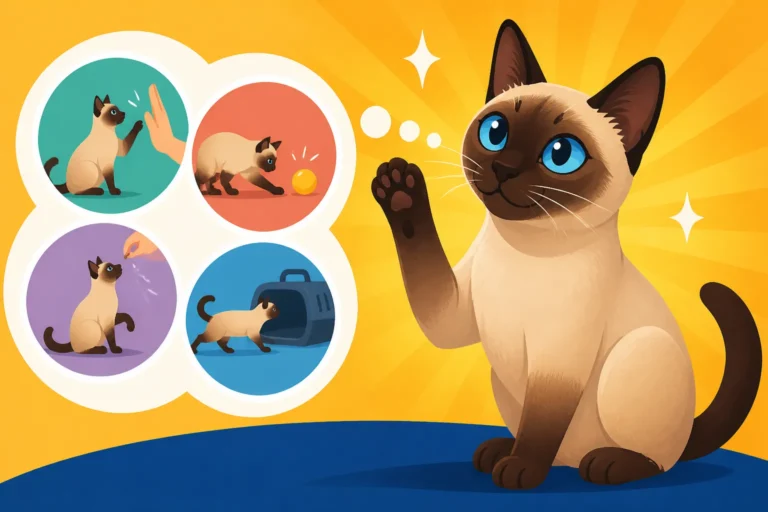
- Ample Playtime: This cannot be stressed enough for a Siamese. They are high-energy cats who need significant physical and mental exercise every day. Schedule at least two to three intense play sessions of 10-15 minutes each. Use interactive toys like feather wands, laser pointers, or fishing pole toys to engage their predatory instincts. This tires them out and fulfills their need for interaction. How Much Play a Siamese Cat Needs offers more insights into their exercise requirements.
- Mental Stimulation: Beyond physical play, their intelligent minds need challenges. Puzzle feeders are excellent for this, making them "work" for their food and preventing boredom. Rotate toys regularly to keep things interesting. Provide cat trees for climbing and perching, and consider a "catio" or secure window perch so they can observe the outside world safely. Enrichment for a Siamese Cat That Gets Bored in an Hour gives a lot of ideas.
Behavior Modification Techniques
These techniques require patience and consistency. The goal is to teach your Siamese that calm behavior gets rewards, while excessive vocalization does not.
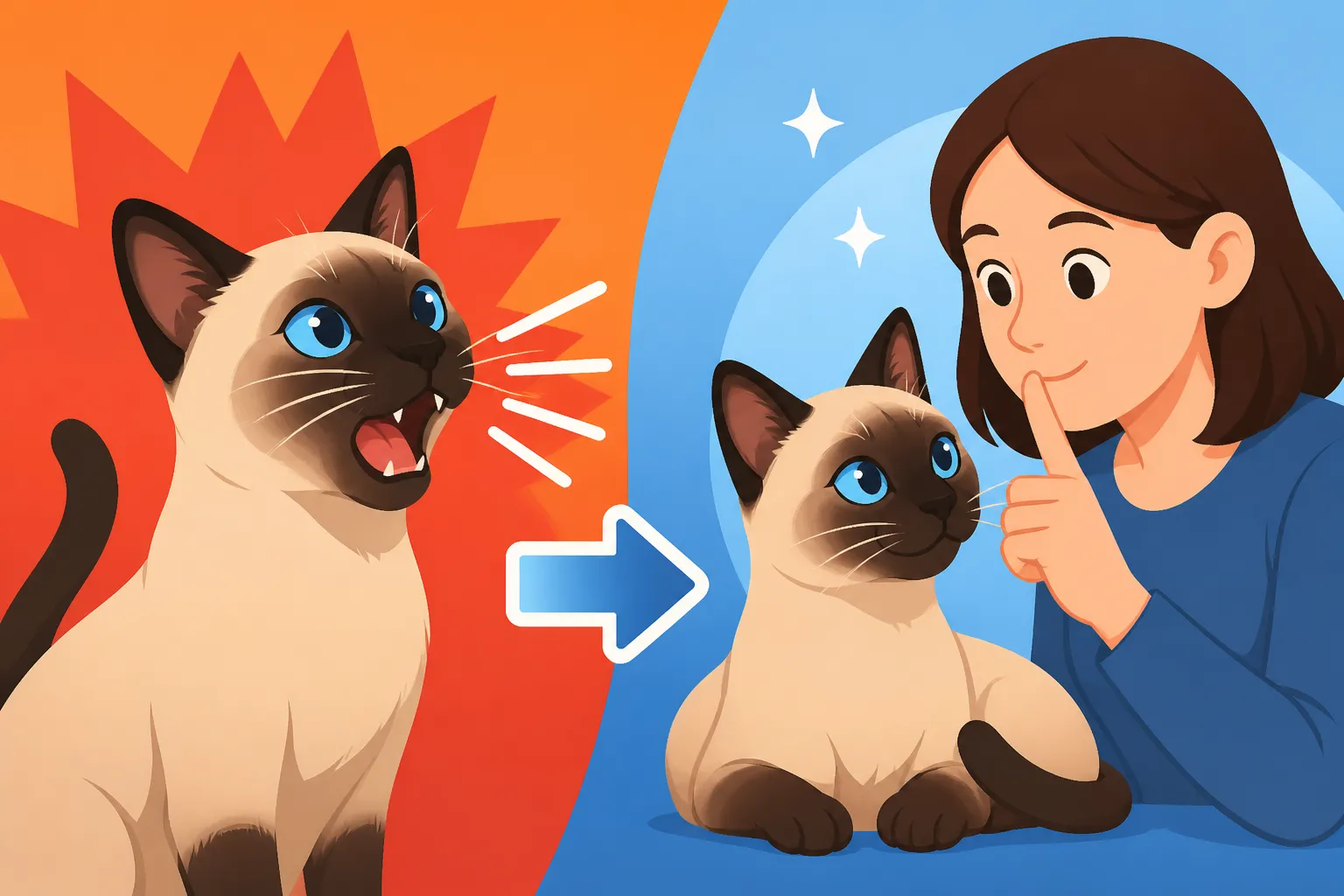
- Ignoring Unwanted Vocalization (Selectively): This is often the hardest strategy, but one of the most effective for attention-seeking meows. If your cat is yowling for no apparent reason (you've checked food, water, litter, and ruled out medical issues), you must ignore it. Do not look at them, do not talk to them, do not touch them. Turn your back, walk away, or even leave the room. The moment they are quiet, even for a second, turn back and give them attention. This teaches them that silence, not noise, gets them what they want. It might get worse before it gets better (an extinction burst), but consistency is key. Whether Ignoring a Siamese Cat's Meowing Works explores the challenges and benefits of this approach.
- Positive Reinforcement for Quiet Behavior: Reward quiet moments, not just the cessation of noise. When your Siamese is quietly sitting next to you, give them a gentle stroke, a soft word, or a tiny treat. This reinforces the idea that being calm and quiet is a desirable behavior.
- Redirection: If your Siamese starts meowing insistently, try to redirect their energy. Instead of directly addressing the meow, pick up a favorite toy and initiate a play session. This shifts their focus from vocalizing to an acceptable activity.
- "Quiet" Cue Training: Some owners have success teaching a "quiet" cue. When your cat is vocalizing, wait for a momentary lull, then say "quiet" in a calm voice, and immediately reward them with a treat. Over time, they may associate the word with quiet behavior.
Environmental Adjustments
Sometimes, slight changes to your home environment can make a big difference in reducing your Siamese cat's stress and, consequently, their vocalizations.
- Create a Safe Haven: Ensure your Siamese has a quiet, cozy space where they can retreat if they feel overwhelmed or anxious. This could be a cat bed tucked away, a secure perch on a cat tree, or even a soft blanket in a closet.
- Sound Dampening: If your Siamese is easily agitated by outside noises, consider sound-dampening measures, especially in their primary living areas. Heavy curtains or rugs can help absorb sound. Playing calming music or white noise can also mask disruptive sounds.
- Pheromone Diffusers: Products like Feliway diffusers release synthetic feline facial pheromones that can help create a calming environment for many cats. You can often find these at pet stores or on Amazon. While not a cure-all, they can sometimes take the edge off anxiety-driven vocalizations.
- Consider a Companion: For highly social Siamese cats, loneliness can be a huge driver for vocalization. If you're out of the house for long hours, considering a compatible feline companion might drastically reduce their need to "talk" to you for attention. However, this is a big decision and requires careful introduction. When a Siamese Cat Needs a Second Cat offers guidance on this.
When to Seek Professional Help
While many cases of excessive Siamese vocalization can be managed with the strategies above, there are times when it's appropriate, and even necessary, to call in the professionals. Don't feel like you've failed if you reach this point; sometimes, a fresh perspective and expert knowledge are exactly what's needed.
Consulting Your Veterinarian
As mentioned earlier, always start with a visit to your veterinarian, especially if the vocalization is new, sudden, or accompanied by other behavioral or physical changes. Your vet will conduct a thorough physical exam and may recommend diagnostic tests like blood work, urinalysis, or imaging to rule out underlying medical conditions.
If a medical cause is found, treating that condition will often resolve the excessive vocalization. For example, medication for hyperthyroidism can bring a restless cat back to their calmer self. If your vet suspects pain from arthritis, pain management strategies can make a huge difference. In some cases, for anxiety or cognitive decline, your vet might discuss medications that can help manage these conditions, alongside behavioral strategies. They are your first and most important resource in understanding your cat's health.
Working with a Feline Behaviorist
If your vet gives your Siamese a clean bill of health, but the excessive vocalization persists, it might be time to consult a certified feline behaviorist. These professionals specialize in understanding cat behavior and can offer tailored strategies that go beyond general advice.
A behaviorist will typically:
- Take a Detailed History: They'll ask about your cat's daily routine, home environment, the history of the vocalization, and any other behavioral quirks.
- Observe Your Cat: They may visit your home or ask for videos to observe your cat in their natural environment.
- Develop a Customized Plan: Based on their assessment, they'll create a specific, step-by-step plan for you to implement. This might involve intricate changes to your cat's environment, new play routines, specific timing for rewards, and strategies to manage triggering situations.
- Provide Ongoing Support: Good behaviorists will follow up with you, adjusting the plan as needed and offering encouragement. They can be invaluable in tackling deeply ingrained or complex behavioral issues that feel overwhelming to handle alone. They understand the nuances of a breed like the Siamese and their unique communication style, helping you bridge the gap between their "conversations" and your desire for a little more quiet.
Ultimately, quieting a Siamese cat isn't about silencing their personality but about understanding their needs and teaching them more appropriate ways to communicate. With patience, consistency, and sometimes a little professional help, you can foster a peaceful coexistence with your wonderfully vocal companion.
Disclaimer
This article is for general informational purposes only and does not constitute professional advice. Laws, prices and regulations vary by location and change over time. Consult a qualified professional for guidance on your specific situation.