How Often a Siamese Cat Needs a Wellness Exam
It’s a common worry among cat parents, isn't it? You love your Siamese to bits, their boundless energy and constant chatter fill your home, but then you wonder – how often should I really be hauling them to the vet? It can feel like a guessing game, especially when they seem perfectly fine, yet you know preventative care is paramount. This guide is here to untangle that knot, offering a clear roadmap for how frequently your beloved Siamese cat needs a wellness exam, from kittenhood right through their golden years.
The Foundation: Annual Wellness Exams for Adult Siamese Cats
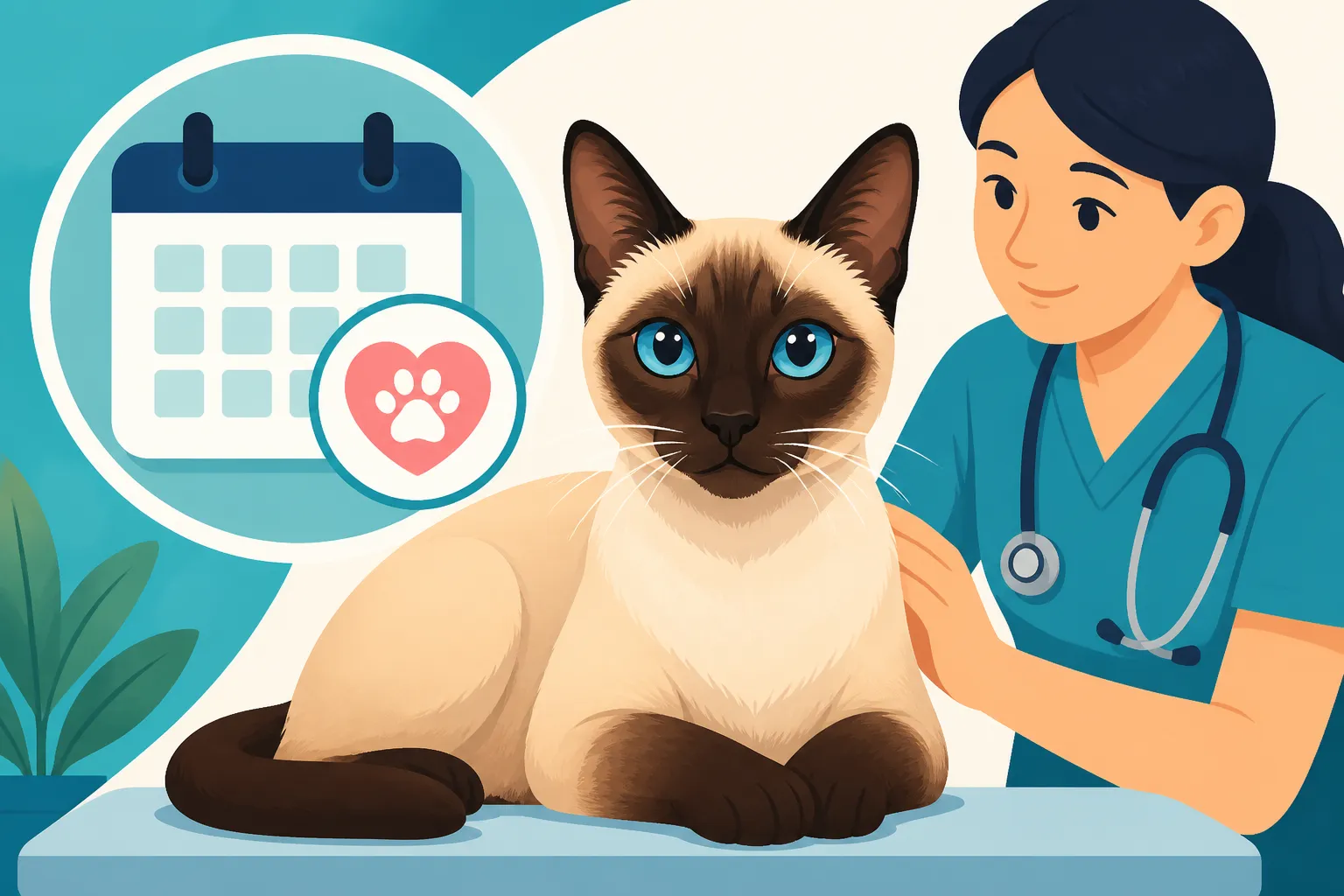
Let's start with the absolute baseline: for most healthy adult Siamese cats, an annual wellness exam is the cornerstone of good health. I know, it might feel like "just another check-up" when your cat seems to be thriving, but these yearly visits are far more critical than many people realize. They're not just for when your cat is obviously sick; they're about preventing problems before they even start.
Why Annual Visits Are Crucial for Apparently Healthy Cats
Think of your Siamese cat's annual vet visit as their version of our yearly physical. Even if you feel they're as fit as a fiddle, cats are masters of disguise when it comes to illness. Their evolutionary programming taught them to hide weakness, as showing vulnerability in the wild could make them a target. This means that by the time you notice overt symptoms, an underlying issue might be quite advanced. A vet, however, is trained to pick up on subtle cues that you, as a loving owner, might easily miss. This could be anything from a slight change in heart rhythm, a barely palpable lump, or even early signs of dental disease that only a professional examination can uncover. It’s about catching those whispers before they become shouts, giving you the best chance to intervene early and effectively.
These annual check-ups are also a prime opportunity for vaccinations and parasite control. Even indoor Siamese cats need protection against common diseases and pests that can hitchhike into your home. Your vet can discuss the most appropriate vaccination schedule and flea, tick, and worm prevention tailored to your cat's lifestyle and local risks. It’s peace of mind, knowing you’re doing everything you can to protect them.
What Happens During a Standard Annual Exam
A typical annual wellness exam for your Siamese cat is a thorough head-to-tail assessment. Your vet will start by asking you a series of questions about your cat's eating habits, litter box routine, energy levels, and any behavioral changes you might have noticed since the last visit. Don't hold back here – even small details can be significant!
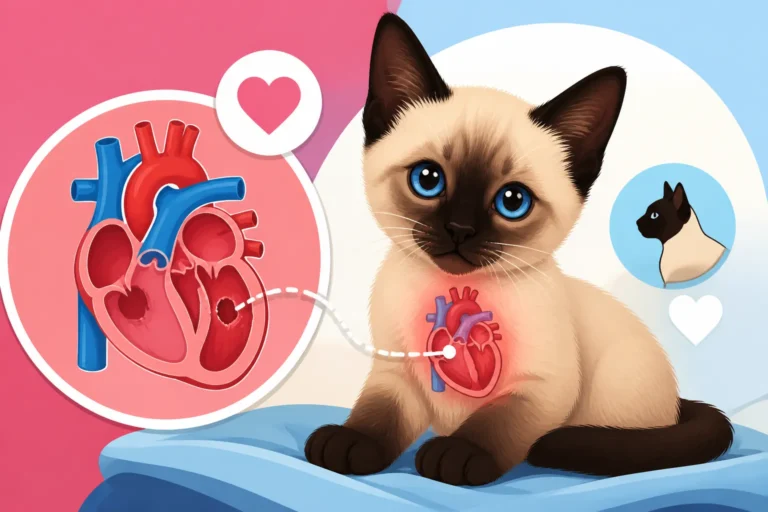
Then comes the physical examination. The vet will gently palpate your cat's body, checking for any unusual lumps, bumps, or tenderness. They'll listen to their heart and lungs, check their eyes, ears, and nose, and examine their mouth for signs of Gingivitis in a Siamese Cat or other dental issues, which are surprisingly common and can lead to serious health problems if left untreated. They'll also assess their coat condition, skin, and nails, and check their weight. For a lean breed like the Siamese, monitoring weight is particularly important, as sudden changes can indicate underlying issues. This comprehensive approach ensures that no stone is left unturned in evaluating your cat's overall health.
Tailoring the Annual Visit to Siamese Cat Specifics
While the general principles of an annual exam apply to all cats, your Siamese might have a few breed-specific considerations. Siamese cats are known for being quite active and vocal, so a vet familiar with the breed might be better equipped to distinguish normal "Meezer" antics from genuine signs of distress. They might also be more aware of certain health predispositions. For instance, while there's no DNA test for Siamese cat amyloidosis, vets experienced with the breed are often hyper-aware of the subtle signs of liver or kidney issues, which can be linked to this genetic condition.
It’s also an excellent time to discuss specific concerns you might have about their temperament or behavior, such as if their vocalizations seem excessive or if you've noticed any unusual habits like Why a Siamese Cat Sucks Wool. A vet can offer advice or refer you to a feline behaviorist if needed. Knowing that your vet understands the unique quirks and potential vulnerabilities of the Siamese cat can make these visits even more reassuring and effective.
When to Increase Vet Visits: Age and Health Factors
While annual exams are the standard for healthy adults, the frequency of vet visits often needs to change as your Siamese cat progresses through different life stages or develops specific health challenges. It's not a one-size-fits-all situation, and being proactive can make all the difference.
Kittens and Senior Siamese Cats: A Different Schedule
Just like human babies and seniors, very young and very old Siamese cats have different healthcare needs that warrant more frequent veterinary attention.
Siamese Kittens: When you first bring home a Siamese kitten, expect several vet visits during their first few months. This schedule typically includes:
- Initial Check-up: Immediately after bringing them home (or within a week), especially if from a breeder or rescue, to establish a baseline and ensure they're healthy.
- Vaccination Series: Kittens require a series of vaccinations over several weeks to build robust immunity against common feline diseases. These visits are also crucial for deworming.
- Spay/Neuter Consultation: Your vet will discuss the best timing for this procedure, usually around 5-6 months of age, which requires a pre-surgical check and the procedure itself.
- Parasite Control: Regular discussions and treatments for fleas, ticks, and intestinal parasites are vital during this vulnerable stage.
These early visits are foundational, setting your kitten up for a healthy life. They're also perfect opportunities to ask all those burning questions about kitten care, nutrition, and behavior.
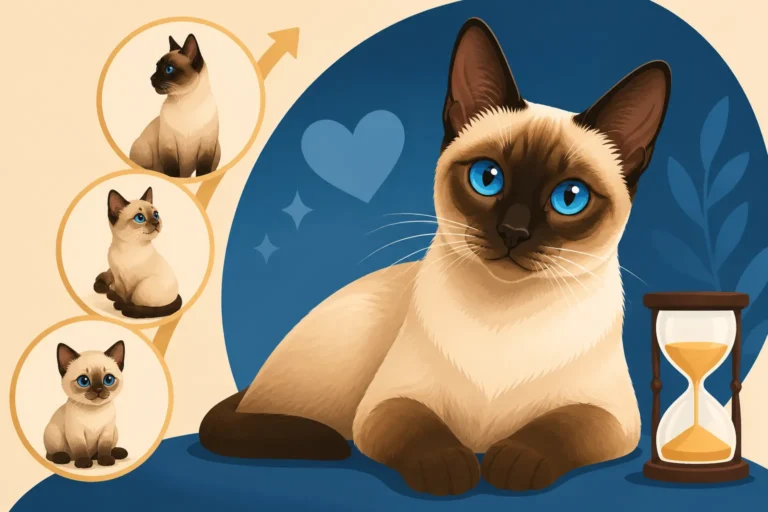
Senior Siamese Cats: The definition of "senior" can vary, but generally, a Siamese cat is considered senior around 11-12 years of age. At this point, annual visits usually aren't enough. Many vets recommend biannual (twice-yearly) check-ups for senior cats. As your Siamese cat enters their golden years, their body undergoes natural changes, making them more susceptible to age-related conditions like kidney disease, hyperthyroidism, arthritis, and even some cancers.
During these more frequent senior exams, your vet will pay closer attention to:
- Weight and muscle mass: Why an Old Siamese Cat Loses Muscle is a common concern.
- Dental health: Why a Siamese Cat Loses Teeth Young and continued dental issues can significantly impact their quality of life.
- Organ function: Blood and urine tests become increasingly important to detect early signs of kidney or liver issues. What a Siamese Cat's Yearly Bloodwork Should Cover will usually expand to include specific geriatric panels.
- Mobility and comfort: Checking for signs of arthritis or joint pain.
- Cognitive changes: Discussing any signs of feline cognitive dysfunction.
These biannual visits allow for earlier detection and intervention, which can significantly improve your senior Siamese's quality and longevity. You can learn more about Caring for an Old Siamese Cat to better prepare for these changes.
Managing Chronic Conditions and Inherited Health Risks
If your Siamese cat has been diagnosed with a chronic condition, or if they come from a lineage with known inherited health risks, your vet will undoubtedly recommend a more customized and often more frequent schedule of visits.
For example, a Siamese cat with asthma might need regular check-ups to monitor their breathing, adjust medication like inhalers, and ensure their condition is well-managed. Similarly, if your cat has early signs of kidney disease, you might be looking at visits every 3-6 months to monitor progression, perform blood work, and make dietary adjustments. Kidney Disease in an Older Siamese Cat is a common concern that often requires careful, ongoing management.
In these cases, your vet becomes a partner in managing their long-term health. They'll likely discuss specific diagnostic tests, medications, and lifestyle adjustments to keep your Siamese as comfortable and healthy as possible. Don't hesitate to openly communicate with your vet about your cat's specific history and any ongoing concerns you have; this collaborative approach is key to providing the best care.
The Importance of Regular Bloodwork and Diagnostics
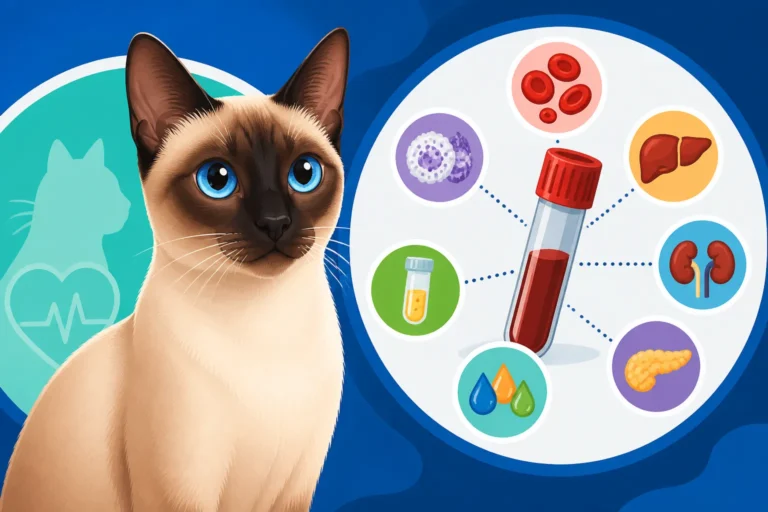
For adult Siamese cats, especially as they approach middle age, and definitely for seniors, routine bloodwork and other diagnostics become incredibly important. While a physical exam is crucial, it can only tell your vet so much. Blood tests can provide a deeper look at organ function, detect infections, and screen for metabolic diseases long before any outward symptoms appear.
For instance, regular blood panels can reveal subtle shifts in kidney or liver enzyme levels that signal the very early stages of disease. Catching these changes early often means that dietary changes or medications can be introduced, potentially slowing the progression of the illness and improving your cat's prognosis. Your vet might also recommend urine analysis, blood pressure checks, or even an ultrasound if they detect something concerning during a physical exam. These advanced diagnostics are vital tools in maintaining the How Healthy the Siamese Cat Actually Is and can contribute significantly to The Fifteen to Twenty Years a Siamese Cat Gets.
Signs Your Siamese Cat Needs an Immediate Vet Visit
Beyond routine wellness exams, there are definitely times when your Siamese cat needs to see the vet right now. Knowing these signs can be life-saving. Siamese cats are known for their lively and interactive personalities, so any deviation from their normal behavior should catch your attention.
Recognizing Subtle Changes in Behavior and Appetite
As I mentioned before, cats are pros at hiding discomfort. So, you need to be a super-sleuth! If your typically boisterous Siamese suddenly becomes withdrawn, hiding more than usual, or seems uninterested in playing their favorite games, pay attention. Changes in vocalization can also be a red flag – a sudden silence or an unusual, mournful yowl could indicate pain or distress.
Observe their eating and drinking habits closely. Is your Siamese eating less, or even refusing food altogether? Are they drinking significantly more or less water than usual? While Why a Siamese Cat Drinks More With Age can be a sign of normal aging, a sudden increase could point to serious issues like kidney disease or diabetes. Any persistent change in appetite or thirst for more than 24 hours warrants a call to your vet. Don't just assume they're being "picky"; a loss of appetite is one of the most common Signs a Siamese Cat Is Unwell.
Another subtle sign can be changes in their litter box habits. Are they going outside the box? Are they straining to urinate or defecate? Is there blood in their urine or stool? These are all urgent signals that require immediate veterinary attention, as they can indicate urinary tract infections, blockages, or other serious gastrointestinal issues.
Physical Symptoms That Warrant Urgent Attention
Beyond behavioral shifts, there are clear physical symptoms that demand an emergency vet visit. These include:
- Vomiting or Diarrhea: Especially if severe, persistent, or accompanied by blood or lethargy. While an occasional hairball is normal, frequent or projectile vomiting is not.
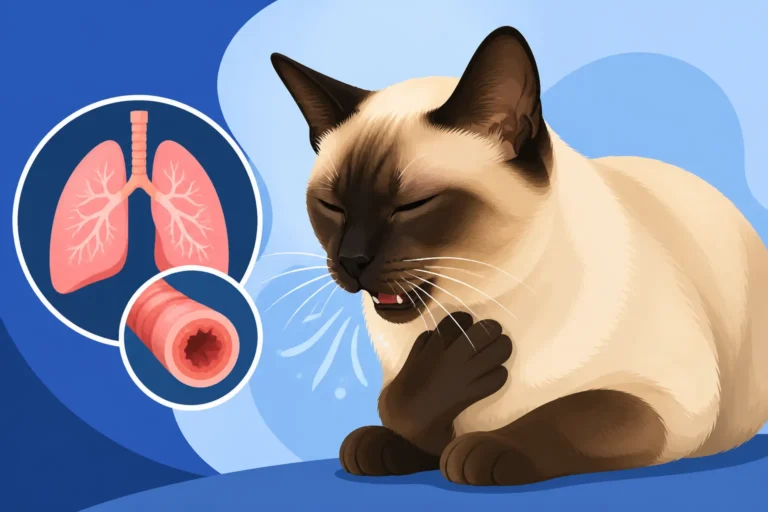
- Difficulty Breathing: Open-mouth breathing, rapid breathing, wheezing, or coughing intensely could indicate a respiratory emergency or even Asthma in a Siamese Cat.
- Lethargy or Weakness: If your Siamese is unusually weak, unable to stand, or collapses.
- Pain: Crying out when touched, limping, reluctance to move, or hunching over can all signify pain.
- Changes in Gums: Pale, blue, or yellow gums are all signs of severe illness. Healthy gums should be pink.
- Abdominal Swelling or Pain: If their belly looks bloated or they cry when you gently touch it.
- Trauma: Any fall, car accident, or fight with another animal requires immediate assessment, even if they seem okay on the surface.
- Seizures: Uncontrolled shaking, paddling, or loss of consciousness.
- Not Urinating: This is a life-threatening emergency, especially for male cats, and can indicate a urinary blockage.
Never wait to see if these symptoms resolve on their own. Time is often critical in these situations.
Trusting Your Gut: When in Doubt, Check It Out
Here’s the thing: you know your Siamese cat best. You live with them, you understand their unique personality, and you recognize their normal patterns. If something just feels off to you, even if you can't quite pinpoint a specific symptom, trust that intuition. It’s better to make a vet appointment and be told everything is fine than to wait and regret not acting sooner.
Many times, a quick phone call to your vet or their emergency service can help you decide if an immediate visit is necessary. Don't ever feel like you're overreacting or being an overly anxious cat parent. Your vet is there to help, and they'd much rather see a cat who turns out to be fine than one whose condition has deteriorated because an owner waited too long.
Budgeting and Planning for Your Siamese Cat's Healthcare
Let's be realistic: vet care isn't free. While we all want the best for our Siamese companions, the costs associated with both routine and emergency care can be a significant factor. Planning ahead can help alleviate some of that financial stress.
Understanding the Costs of Routine and Emergency Care
The cost of a wellness exam for your Siamese cat can vary widely depending on your location and the veterinary clinic. A basic annual exam might range from $50-$150, but that doesn't include vaccinations, deworming, or any diagnostic tests like bloodwork or urinalysis. These additions can easily push a routine visit into the $200-$500 range, especially for senior cats needing more comprehensive panels.
Emergency visits, as you can imagine, are a whole different ballgame. An unexpected illness or injury can quickly rack up a bill in the thousands, sometimes even five figures, depending on the severity and required treatments. Things like emergency surgery for an intestinal blockage, stabilization for a severe injury, or intensive care for a sudden illness are not uncommon. It's truly one of those Which Siamese Cat Bill Nobody Warns You About moments.
It's wise to discuss typical costs with your vet clinic upfront. Ask for an estimate for routine care, and understand their pricing structure for common diagnostics. This transparency can help you budget more effectively for your Siamese's health needs.
The Role of Pet Insurance in Managing Vet Bills
This is where pet insurance truly shines, especially for a breed like the Siamese, which can have some predispositions to certain health issues. Companies like Healthy Paws offer various plans that can cover a significant portion of unexpected veterinary expenses, from accidents and illnesses to diagnostics and even some medications.
Imagine your Siamese cat suddenly develops a serious condition requiring extensive tests and ongoing treatment; without insurance, those bills can be astronomical and force agonizing decisions. A good pet insurance policy acts as a financial safety net, allowing you to focus on getting your beloved cat the best possible care without worrying solely about the immediate financial hit. While a monthly premium might seem like an added expense, it can be a lifesaver in the long run. Many policies, including those from Healthy Paws, also offer wellness add-ons that can help cover the costs of routine exams, vaccinations, and even dental cleanings, further offsetting your yearly veterinary budget. Researching different providers and plans is essential to find one that best fits your needs and your Siamese cat's potential health profile. You might be surprised to learn Whether a Siamese Cat Is Expensive to Own but with proper planning, it's manageable.
| Siamese Cat Age Group | Recommended Wellness Exam Frequency | Common Health Focus | Key Diagnostics Often Included |
|---|---|---|---|
| Kitten (0-1 year) | Multiple visits (every 3-4 weeks for vaccinations) | Growth, vaccinations, deworming, spay/neuter | Fecal exam |
| Adult (1-10 years) | Annually | General health, dental check, weight management | Occasional blood/urine, parasite screening |
| Senior (11+ years) | Biannually (every 6 months) | Arthritis, kidney disease, hyperthyroidism, dental | Full blood panel, urinalysis, blood pressure |
Finding a Vet Who Understands the Siamese Breed
While any good vet can provide excellent care for your Siamese, finding one who has experience with or a particular affinity for the breed can be a huge bonus. A vet who understands the Siamese personality, their vocal nature, and their intelligence will be better equipped to handle them during examinations, making the experience less stressful for your cat (and for you!).
They'll also be more aware of breed-specific health concerns, such as the potential for amyloidosis, certain dental issues, or even their propensity for Psychogenic Alopecia in a Siamese Cat due to stress. This specialized knowledge can lead to more targeted preventive care and earlier diagnosis of potential problems. Don't be shy about asking potential new vets about their experience with Siamese cats. Reading reviews or asking for recommendations from other Siamese owners in your area can also be a great way to find a veterinary practice that truly understands and appreciates these unique felines. It makes all the difference when you know your vet is looking at the whole picture for your specific cat.
Disclaimer
This article is intended for informational purposes only and does not constitute veterinary advice. Always consult with a qualified veterinarian for any health concerns or before making any decisions about your Siamese cat's medical care.