Which Blood Values Flag Amyloidosis in a Siamese Cat
Specific blood values that might raise red flags and prompt further veterinary investigation for amyloidosis in Siamese cats.
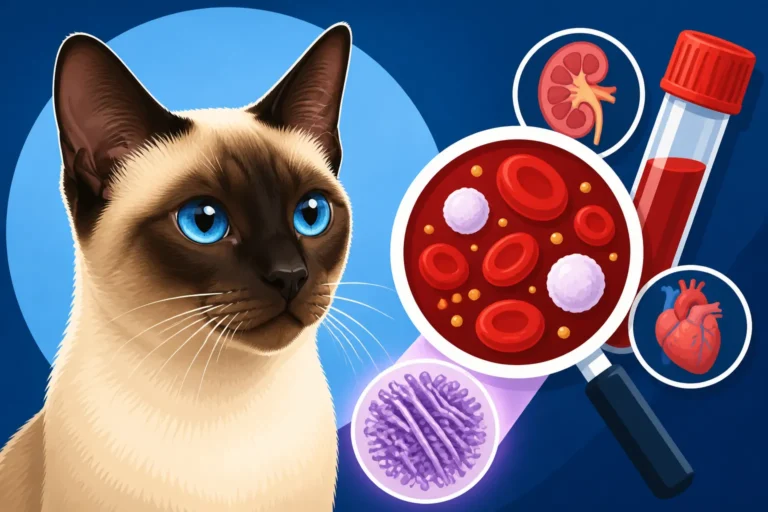
Specific blood values that might raise red flags and prompt further veterinary investigation for amyloidosis in Siamese cats.

Veterinary stabilization steps for an emergency internal bleed in a Siamese cat explain rapid diagnostic exams and care.
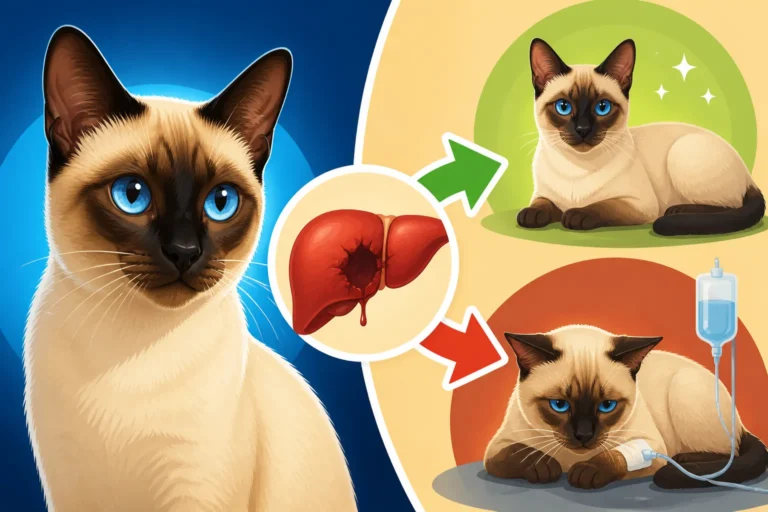
Siamese cat liver rupture survival rates, amyloidosis risks, critical internal bleeding signs, and emergency veterinary treatments.
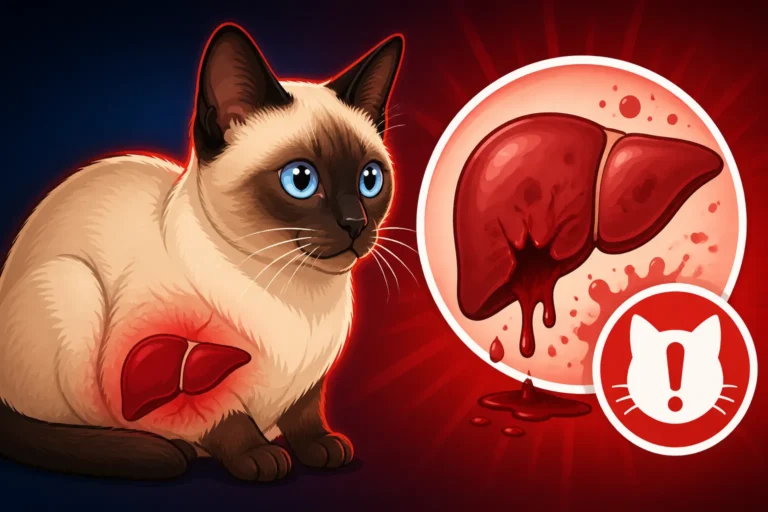
Liver amyloidosis causes dangerous protein deposits and tissue weakness, leading to rapid, severe internal bleeding in Siamese cats.
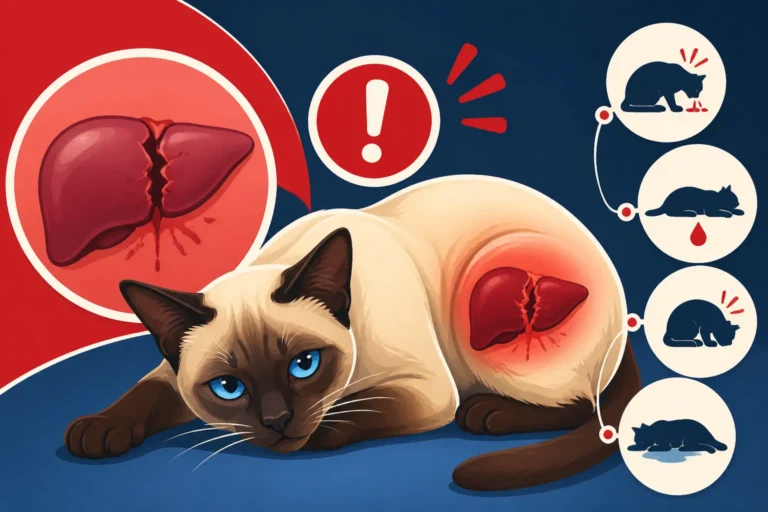
Siamese cat liver rupture signs include sudden collapse, profound weakness, and internal bleeding caused by hereditary amyloidosis.
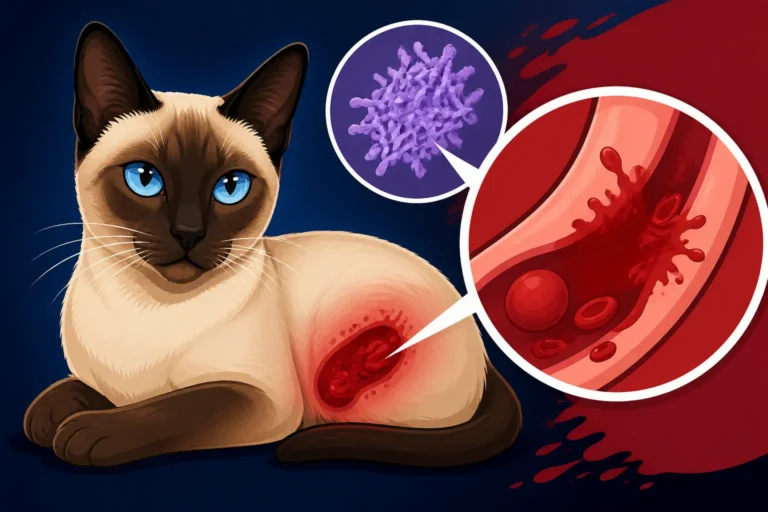
Siamese cat amyloidosis causes internal bleeding when abnormal misfolded proteins accumulate and damage organs like the liver and kidneys.
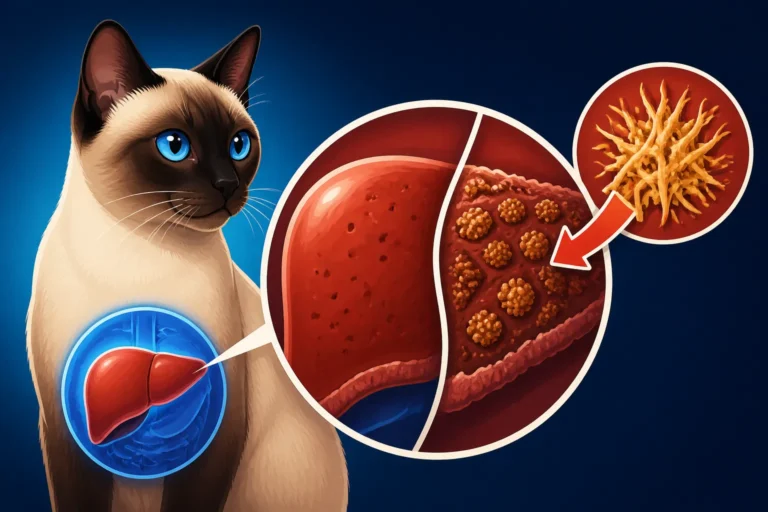
Abnormal amyloid protein deposits weaken the liver wall in Siamese cats by infiltrating tissues and disrupting organ structure.
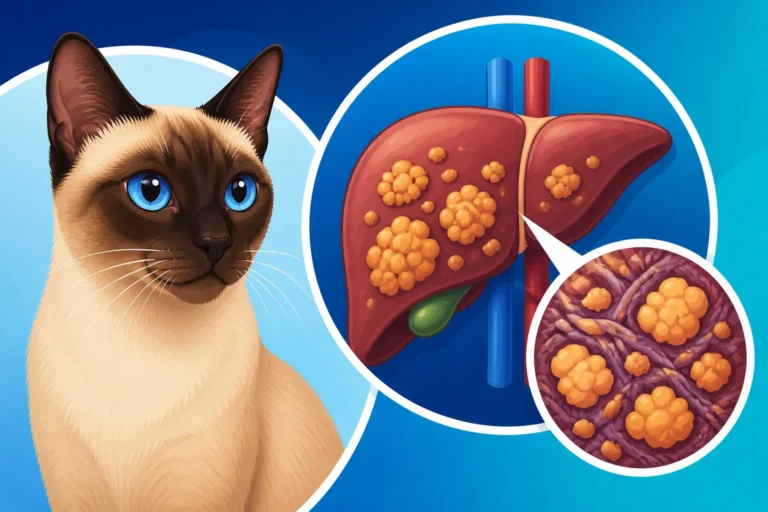
Amyloidosis mechanisms and genetic predispositions explain why serum amyloid A proteins accumulate in a Siamese cat liver.
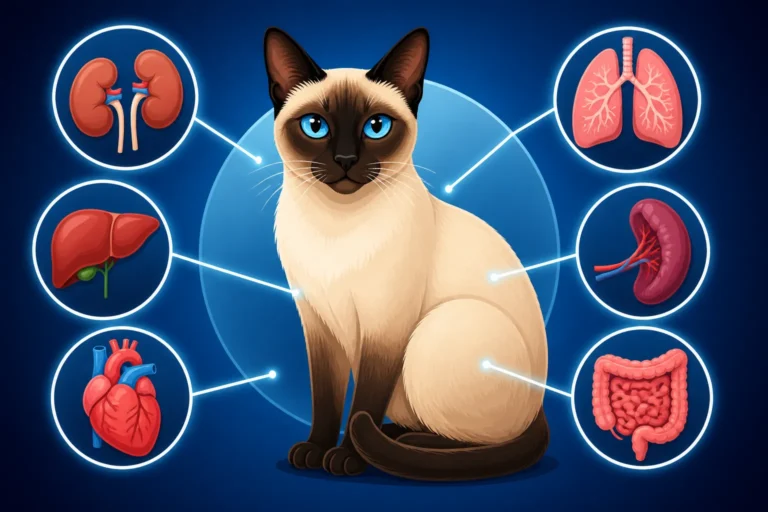
Familial amyloidosis in Siamese cats causes abnormal protein deposits that target specific vital organs and tissues over time.
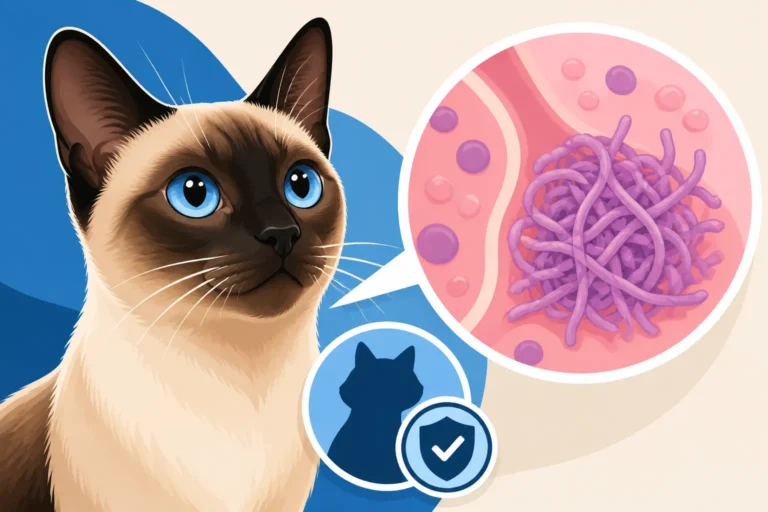
Amyloidosis prevalence in Siamese cats, detailing genetic risks and abnormal protein buildup that damages the liver and kidneys.