Why a Siamese Cat With Amyloidosis Bleeds Internally
It’s a heartbreaking and terrifying moment for any Siamese cat owner: you find your beloved feline suddenly lethargic, perhaps with pale gums, or even discover signs of internal bleeding. This horrifying scenario is an all too common reality for Siamese cats suffering from amyloidosis, a cruel genetic disease. This guide will meticulously explain why amyloidosis leads to internal bleeding in these special cats, breaking down the mechanisms and helping you understand this devastating condition.
Understanding Amyloidosis in Siamese Cats
When we talk about amyloidosis in Siamese cats, we're not just discussing a vague illness; we're delving into a specific, often insidious disease that poses a significant threat to their health and lifespan. It’s a condition that can catch even the most diligent cat parent off guard, leaving them scrambling for answers and effective treatment.
What Exactly is Amyloidosis?
Amyloidosis is a group of diseases where abnormal proteins, called amyloid fibrils, build up in organs and tissues. These proteins are misfolded and cannot be properly broken down by the body, so they accumulate. Imagine tiny, sticky fibers that start to clog up the delicate machinery of an organ. Over time, these amyloid deposits displace normal tissue, disrupting the organ's structure and preventing it from functioning correctly. It's not a cancer, but rather a structural problem at a microscopic level that has macroscopic, devastating effects. The sheer presence of this foreign material gradually suffocates the natural function of cells, leading to organ failure.
In the case of cats, a specific type of amyloidosis is commonly seen, often referred to as reactive amyloidosis or AA amyloidosis. This type is typically associated with chronic inflammation, but in Siamese cats, it has a strong hereditary component, suggesting an underlying genetic predisposition. It's like their bodies are programmed to produce and deposit these damaging proteins, even without a clear inflammatory trigger in some cases. The progressive nature of the accumulation means that the damage often happens silently, beneath the surface, until a critical point is reached.
Why Siamese Cats are Uniquely Prone
It's a bitter pill to swallow for Siamese cat lovers, but this breed, along with some of its close relatives like the Oriental Shorthair and Abyssinian, carries a known genetic predisposition to amyloidosis. This isn't just bad luck; it's a deeply ingrained part of their genetic makeup that makes them particularly vulnerable. While other breeds can develop amyloidosis, it's far more prevalent and often more aggressive in Siamese cats. You might wonder, Why Siamese Cat Amyloidosis Is Inherited? The exact gene responsible is still under active research, which unfortunately means there's currently no definitive DNA test for breeders to screen their cats, a frustration many owners and responsible breeders share.
The inheritance pattern for amyloidosis in Siamese cats is thought to be autosomal recessive, meaning a cat must inherit two copies of the affected gene (one from each parent) to develop the disease. However, the expressivity can vary, and some carriers might show milder forms or later onset. This genetic lottery means that even seemingly healthy parents can produce affected kittens, making prevention incredibly challenging. This unique susceptibility underscores the importance of understanding the specific risks associated with owning one of these intelligent and vocal companions. Owners need to be acutely aware that while amyloidosis might be rare in the general cat population, it's a significant health concern for a Siamese.
How Amyloid Accumulation Impacts Organ Function
The primary target organs for amyloid deposition in Siamese cats are typically the liver and kidneys. Think of these organs as vital filters and processing plants for the body. When amyloid proteins start to accumulate, they act like grit in the gears, slowly but surely grinding down the efficiency and structural integrity of these critical organs. You can learn more about What Amyloidosis Does to a Siamese Cat in general, but the impact on individual organs is quite specific and devastating.
In the liver, amyloid deposits interfere with the hepatocytes, the liver cells responsible for detoxification, protein synthesis, and bile production. As amyloid builds up, the liver becomes stiff, fragile, and less efficient at its many life-sustaining tasks. This fragility is a key factor in understanding why internal bleeding occurs. Similarly, in the kidneys, amyloid deposition in the glomeruli (the filtering units) impairs their ability to filter waste products from the blood, leading to kidney failure. This systemic disruption means that the cat's entire internal environment is compromised, setting the stage for a multitude of serious health problems, including the internal bleeding that is the focus of our discussion.
The Liver's Vulnerability and Internal Bleeding
The thought of internal bleeding in a beloved pet is terrifying, and for Siamese cats with amyloidosis, it's a stark and tragic reality. This section will walk you through the specifics of how the liver is affected and the precise mechanism that leads to such a life-threatening event.
How Amyloid Affects Liver Structure
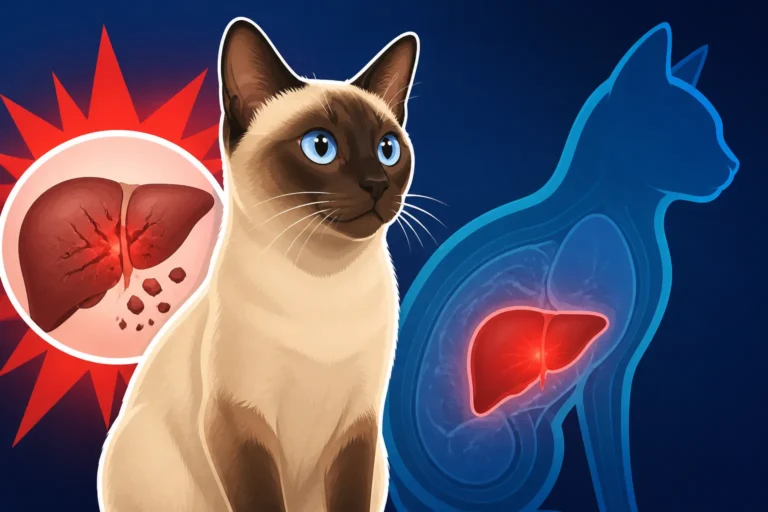
The liver of a Siamese cat with amyloidosis undergoes a profound transformation. Instead of being a soft, supple, and resilient organ, it becomes rigid and brittle due to the relentless buildup of amyloid proteins. Imagine the normal, spongy tissue of the liver being slowly replaced by a dense, unyielding material. This process is gradual, often occurring over months or even years without outward symptoms. This is why it’s so frustrating; by the time signs appear, the damage is already extensive.
These amyloid deposits are not just inert fillers; they actively compromise the liver's delicate architecture, including the intricate network of blood vessels that supply and drain it. The liver, being a highly vascular organ, relies on its strong, flexible walls to handle the constant flow of blood. However, as How Amyloid Weakens a Siamese Cat's Liver Wall explains, the amyloid infiltrates and weakens these blood vessel walls, making them incredibly fragile. Even minor stresses, which a healthy liver could easily withstand, can cause these weakened vessels to tear or the liver tissue itself to simply give way.
The Mechanism of Liver Rupture
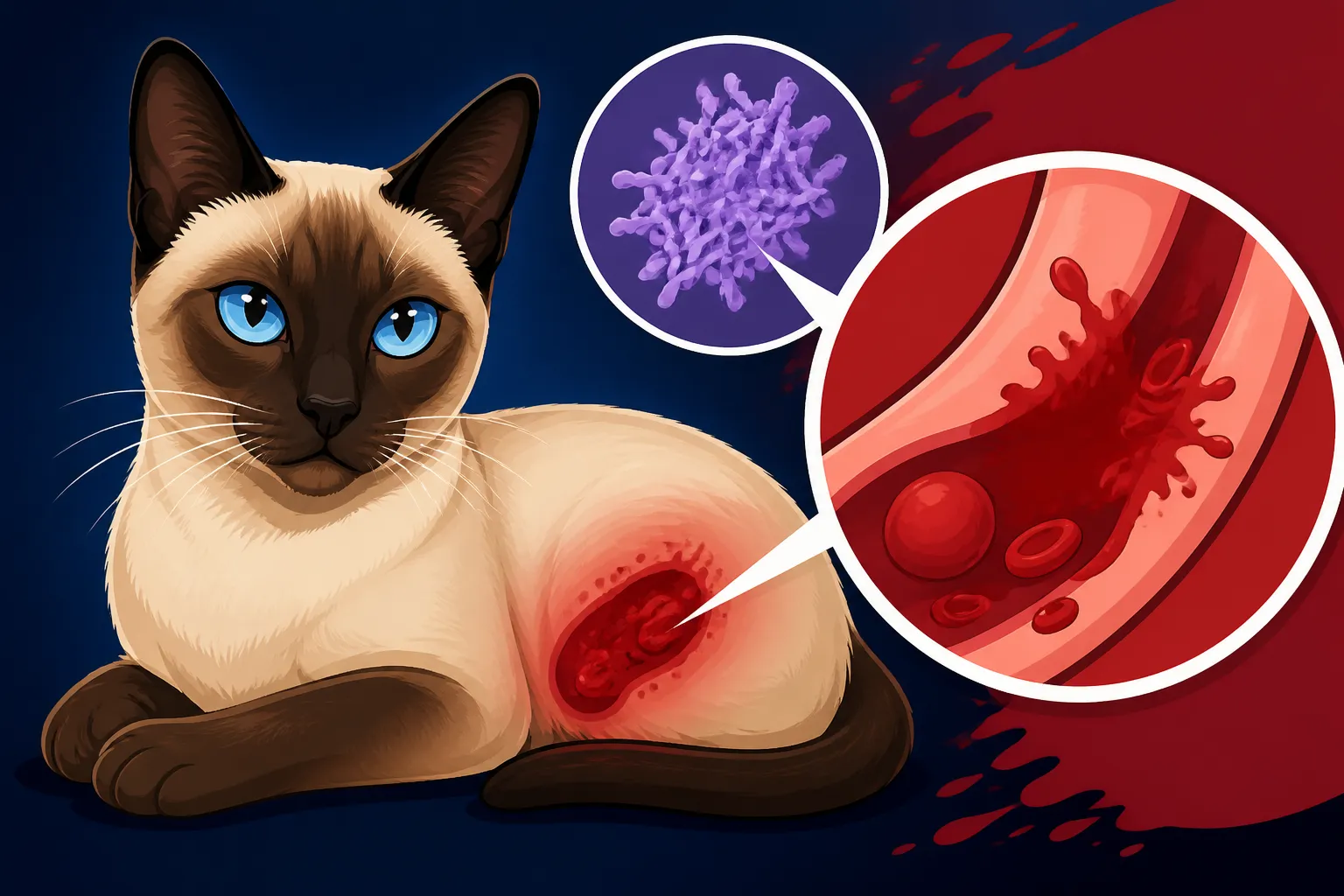
Now, let's get to the crux of why internal bleeding occurs. The weakened, brittle liver, riddled with amyloid deposits, becomes a ticking time bomb. Any sudden movement, a jump from a high perch, a rough play session, or even simple abdominal pressure like straining in the litter box, can be enough to cause a catastrophic event. The liver capsule, the thin membrane surrounding the organ, might tear, or a blood vessel within the liver itself could rupture.
When this happens, blood pours into the cat's abdominal cavity. This isn't like a small cut; it's a major internal hemorrhage. The cat will rapidly lose a significant amount of blood, leading to hypovolemic shock. This is where the body doesn't have enough blood volume to effectively circulate oxygen and nutrients to vital organs. The speed at which this happens is terrifying; a cat can go from seemingly normal to critically ill in a matter of minutes or hours. Understanding Signs a Siamese Cat Has Liver Amyloidosis can sometimes offer a glimmer of hope for early intervention, but even with those signs, the rupture can be sudden. This acute crisis often necessitates immediate, expensive veterinary care, a situation where pet insurance like a policy from Healthy Paws can truly be a lifesaver, helping families manage the financial burden of such an emergency.
Signs of Internal Bleeding
Recognizing the signs of internal bleeding is absolutely critical, as prompt veterinary attention can make a difference in your cat's survival, however slim the odds can be. It's a truly frightening experience to witness, and knowing what to look for can buy precious time. One of the most common and alarming signs is sudden lethargy or weakness. Your typically active Siamese cat might become unusually still, unresponsive, or simply too weak to move.
Other tell-tale signs include pale gums, which indicate severe blood loss and anemia. Check your cat's gums; if they are stark white or very light pink, it’s an emergency. You might also notice a distended abdomen, meaning their belly looks swollen due to the accumulation of blood. Some cats may show signs of pain, hunching or guarding their abdomen. Rapid, shallow breathing, a cold body temperature, and a rapid heart rate are also grave indicators. Vomiting and a loss of appetite can also be present. If you see any combination of these symptoms, do not hesitate – rush your cat to an emergency veterinarian immediately. The difference between life and death can be measured in minutes when a Siamese cat's liver has ruptured.
Here's a quick reference table for recognizing acute liver rupture signs:
| Symptom | Description | Urgency Level |
|---|---|---|
| Sudden Weakness/Lethargy | Profound lack of energy, unresponsiveness, inability to stand/move | CRITICAL |
| Pale Gums | Gums appear white or very light pink instead of healthy salmon pink | CRITICAL |
| Abdominal Distension | Swollen, firm, or painful belly (due to internal blood accumulation) | CRITICAL |
| Rapid/Shallow Breathing | Panting or very quick, superficial breaths | CRITICAL |
| Cold Body Temperature | Extremities (paws, ears) feel cool, overall body temperature may drop | CRITICAL |
| Rapid Heart Rate | Heart beats noticeably faster than normal, often weak pulse | CRITICAL |
| Vomiting/Loss of Appetite | Sudden onset of sickness, refusal to eat or drink | High |
| Hiding/Pain | Seeking solitude, hunching, vocalizing discomfort when touched | High |
The Broader Systemic Impact and Other Bleeding Risks
While liver rupture is perhaps the most dramatic and acute form of internal bleeding in a Siamese cat with amyloidosis, it's important to understand that the disease's systemic nature can predispose them to other bleeding issues as well. Amyloidosis doesn't just pick one organ and stop there; it often affects multiple systems, creating a cascade of complications.
Kidney Involvement and Coagulation Issues
Beyond the liver, the kidneys are another primary target for amyloid deposition in Siamese cats. When amyloid accumulates in the kidneys, it leads to kidney disease and eventually kidney failure. You might want to understand What Systemic Amyloidosis Does to a Siamese Cat's Kidneys in more detail. The kidneys play a vital role in regulating blood pressure, producing hormones, and maintaining the body's fluid and electrolyte balance. As kidney function declines, it can indirectly affect the blood clotting process.
Specifically, severe kidney disease can lead to uremia, a buildup of waste products in the blood. Uremia can impair platelet function and interfere with the coagulation cascade, making a cat more prone to bleeding and bruising. This means that even without a liver rupture, a Siamese cat with advanced kidney amyloidosis might experience prolonged bleeding from minor injuries, nosebleeds, or even bleeding into the gastrointestinal tract. A vet stabilizing a bleeding Siamese cat might also need to address underlying kidney issues that are exacerbating the situation. This complex interplay of organ damage makes managing amyloidosis particularly challenging.
Recognizing Other Bleeding Manifestations
While a massive internal liver bleed is often sudden and dramatic, other forms of bleeding can be more subtle yet equally dangerous. It's crucial for owners to be vigilant about any unusual signs. For instance, sometimes cats with amyloidosis might develop petechiae or ecchymoses, which are small pinpoint hemorrhages or larger bruises on the skin or mucous membranes (like gums). These indicate a generalized clotting problem.
You might also notice blood in your cat's urine (hematuria) or stool (melena, which appears as black, tarry stool due to digested blood, or fresh red blood). Nosebleeds (epistaxis) can also occur, though less commonly than with liver rupture. Any of these signs warrant immediate veterinary attention, as they point to a serious underlying issue with the cat's ability to clot blood, often exacerbated by the systemic effects of amyloidosis on the liver's production of clotting factors or the kidneys' role in coagulation. Early detection, even of these seemingly minor bleeding episodes, can prompt investigations that lead to a diagnosis of amyloidosis or its complications.
Emergency Response and Veterinary Care
When internal bleeding is suspected, whether it's a suspected liver rupture or another severe bleeding episode, the immediate response is critical. There is no time to wait and see; this is a true veterinary emergency. As we discussed earlier, How Fast a Siamese Cat Dies From a Liver Bleed can be terrifyingly rapid. The first step is to get your cat to the nearest emergency veterinary clinic as quickly and safely as possible. Call ahead if you can, to let them know you’re coming and what symptoms your cat is exhibiting, so they can be prepared.
Upon arrival, the veterinary team will perform a rapid assessment, including checking vital signs, blood pressure, and performing an ultrasound to look for fluid (blood) in the abdomen. They may also run blood tests, including a packed cell volume (PCV) to assess the severity of anemia and coagulation profiles to check clotting ability. Treatment often involves stabilizing the cat with intravenous fluids to combat shock, blood transfusions to replace lost blood, and medications to support liver function and encourage clotting. In some rare cases, surgery might be considered, though it’s incredibly risky for a cat with a fragile, bleeding liver. The costs associated with such emergency care can be substantial, and this is where having pet insurance, such as a comprehensive plan from Healthy Paws, can significantly ease the burden, allowing you to focus on your cat's care rather than the overwhelming financial stress.
Managing and Coping with Amyloidosis
Living with a Siamese cat diagnosed with amyloidosis is undoubtedly a challenging journey, filled with emotional highs and lows. While there's no cure, understanding how to manage the condition and providing the best possible quality of life becomes paramount.
Diagnostic Challenges and Early Detection
One of the most frustrating aspects of amyloidosis is the difficulty in early diagnosis. As you might know, There Is No DNA Test for Siamese Cat Amyloidosis, which means breeders cannot reliably screen for it, and owners are often left in the dark until symptoms appear. Diagnosing amyloidosis definitively usually requires a biopsy of an affected organ, like the liver or kidney, to identify the amyloid deposits under a microscope. This is an invasive procedure and carries risks, especially for a cat whose liver might already be compromised. Therefore, vets often rely on a combination of clinical signs, blood tests that might show elevated liver enzymes or kidney values, and imaging like ultrasound, which can reveal changes in organ size or texture.
Catching amyloidosis early is exceptionally challenging because the initial stages are often asymptomatic. Subtle signs might include a slight decrease in appetite, mild lethargy, or intermittent vomiting that could be attributed to many other less serious conditions. It's only as the amyloid burden grows that more overt symptoms, like those indicating liver dysfunction or kidney failure, become apparent. This makes prevention and proactive screening nearly impossible, leaving many owners feeling helpless and heartbroken.
Supportive Care and Quality of Life
Once amyloidosis is diagnosed, the focus shifts to supportive care aimed at managing symptoms, slowing disease progression, and maintaining the cat’s quality of life for as long as possible. While there's no treatment that can remove existing amyloid deposits, certain medications like colchicine may be prescribed in some cases, particularly in people and some animals, with the hope of reducing new amyloid formation or inflammation. Its efficacy in feline amyloidosis, especially for liver-specific forms, is debated but sometimes used. Diet changes, particularly for kidney involvement, might be recommended, with special prescription foods designed to reduce the workload on compromised kidneys.
Managing a Siamese cat with amyloidosis also involves regular veterinary check-ups to monitor organ function through blood and urine tests. Fluid therapy, either subcutaneous at home or intravenous at the clinic, may be needed to support kidney function. Pain management is also crucial if your cat experiences discomfort. Creating a calm, predictable environment, minimizing stress, and providing easy access to food, water, and litter boxes are all essential components of supportive care. The goal is to make their remaining time as comfortable and happy as possible, cherishing every moment. A good pet insurance plan from providers like Healthy Paws can truly help here, covering the ongoing costs of medications, special diets, and regular vet visits needed for chronic disease management.
The Emotional Toll on Owners
Perhaps one of the most overlooked aspects of managing a Siamese cat with amyloidosis is the profound emotional toll it takes on their human companions. Witnessing your vibrant, talkative Siamese slowly decline, knowing that a sudden, fatal internal bleed could occur at any moment, is an immense psychological burden. Owners often live with a pervasive sense of anxiety, constantly monitoring their cat for any subtle change, fearing the worst. The suddenness of a liver rupture, in particular, leaves little time to prepare or say goodbye, leading to intense grief and trauma.
It's okay to feel overwhelmed, heartbroken, and even angry at the unfairness of this genetic lottery. Seeking support from veterinary staff, online communities of Siamese cat owners, or even professional pet bereavement counselors can be incredibly helpful. Sharing experiences with others who understand the unique challenges of this disease can provide comfort and validation. Remember, you are doing everything you can for your beloved feline, and your love and dedication make all the difference in their world. Understanding How Long a Siamese Cat Lives After an Amyloidosis Diagnosis can help set realistic expectations, but the emotional journey is always unique.
Disclaimer
The information provided in this guide is for educational purposes only and should not be considered a substitute for professional veterinary advice. Always consult with a qualified veterinarian for any health concerns or before making any decisions about your pet's medical care.