Why Amyloid Builds Up in a Siamese Cat’s Liver
It's absolutely heartbreaking when you hear about a Siamese cat suddenly collapsing, or worse, finding out after the fact that they've been suffering from an insidious condition that often gives little warning. One of the most devastating health challenges unique to our beloved Siamese companions is amyloidosis, particularly when it affects their liver. This guide will meticulously unravel the complex reasons why amyloid protein accumulates in a Siamese cat's liver, shedding light on the underlying mechanisms and genetic predispositions that make this breed so tragically vulnerable.
Understanding Amyloidosis: A Genetic Predisposition
Amyloidosis isn't just a random illness; it's a condition where abnormal protein, called amyloid, builds up in organs and tissues, eventually impairing their function. For Siamese cats, this isn't merely bad luck; it's often rooted deep in their genetic makeup, making it a particularly cruel twist of fate for a breed known for its vitality and long lifespan. The frustration for owners and breeders alike is that this disease can strike without obvious symptoms until it's far advanced, leaving many feeling helpless and blindsided.
The Genetic Link in Siamese Cats
The primary culprit behind amyloid accumulation in Siamese cats is a specific form known as AA amyloidosis, also referred to as secondary or reactive amyloidosis. Unlike other forms that might be acquired, the Siamese cat's predisposition is considered heritable, passed down through generations. This means that if a cat carries the genetic markers, they're at a significantly higher risk of developing the disease. It’s a stark reminder that even with careful breeding, some conditions lurk in the genetic shadows. Understanding Why Siamese Cat Amyloidosis Is Inherited is crucial for any potential owner or breeder. There are ongoing research efforts, but unfortunately, There Is No DNA Test for Siamese Cat Amyloidosis that can definitively identify carriers, making prevention a real challenge.
The amyloid protein itself is formed from serum amyloid A (SAA), an acute phase protein produced by the liver in response to inflammation. In affected Siamese cats, a genetic mutation or predisposition causes their bodies to either produce excessive amounts of SAA or fail to properly break down and clear the protein from circulation. This chronic overproduction or inefficient clearance leads to SAA misfolding and aggregating into insoluble amyloid fibrils that deposit in various organs. It's a silent process that slowly suffocates organs, often with no outward signs until a crisis hits. Many owners only realize something is terribly wrong when their cat is already in critical condition, highlighting the need for vigilance even in seemingly healthy pets.
How Amyloidosis Affects Various Organs
While our focus here is on the liver, it's important to remember that amyloidosis can be systemic, meaning it can impact multiple organs. In Siamese cats, the kidneys are another common target. This widespread deposition is part of What Amyloidosis Does to a Siamese Cat generally. When it accumulates in the kidneys, it leads to renal failure, causing symptoms like increased thirst and urination, and eventual organ shutdown. However, the liver often bears the brunt of the disease in Siamese cats, often leading to more acute and life-threatening crises due to its fragile architecture.
The insidious nature of amyloidosis means that these protein deposits can gradually accumulate over months or even years without causing any noticeable problems. It's like a ticking time bomb within the cat's body. The specific organs affected and the rate of progression can vary, but for the Siamese, the liver is tragically frequently involved, which is why focusing on understanding this particular aspect is so important for their wellbeing.
The Mechanisms of Amyloid Buildup in the Liver
When it comes to the liver, the buildup of amyloid protein in Siamese cats follows a specific, devastating pattern. This isn't just any protein deposit; it’s a highly structured, insoluble material that disrupts normal liver function and ultimately compromises its structural integrity, setting the stage for catastrophic failure.
Cellular Malfunction and Protein Misfolding
The liver is a powerhouse, constantly producing and processing proteins. In Siamese cats predisposed to amyloidosis, the SAA protein, which is normally part of the immune response, becomes a problem. Instead of being properly folded and metabolized, it misfolds and aggregates. These misfolded proteins are incredibly stable and resistant to enzymatic degradation, meaning the body struggles to break them down and get rid of them. They just accumulate.
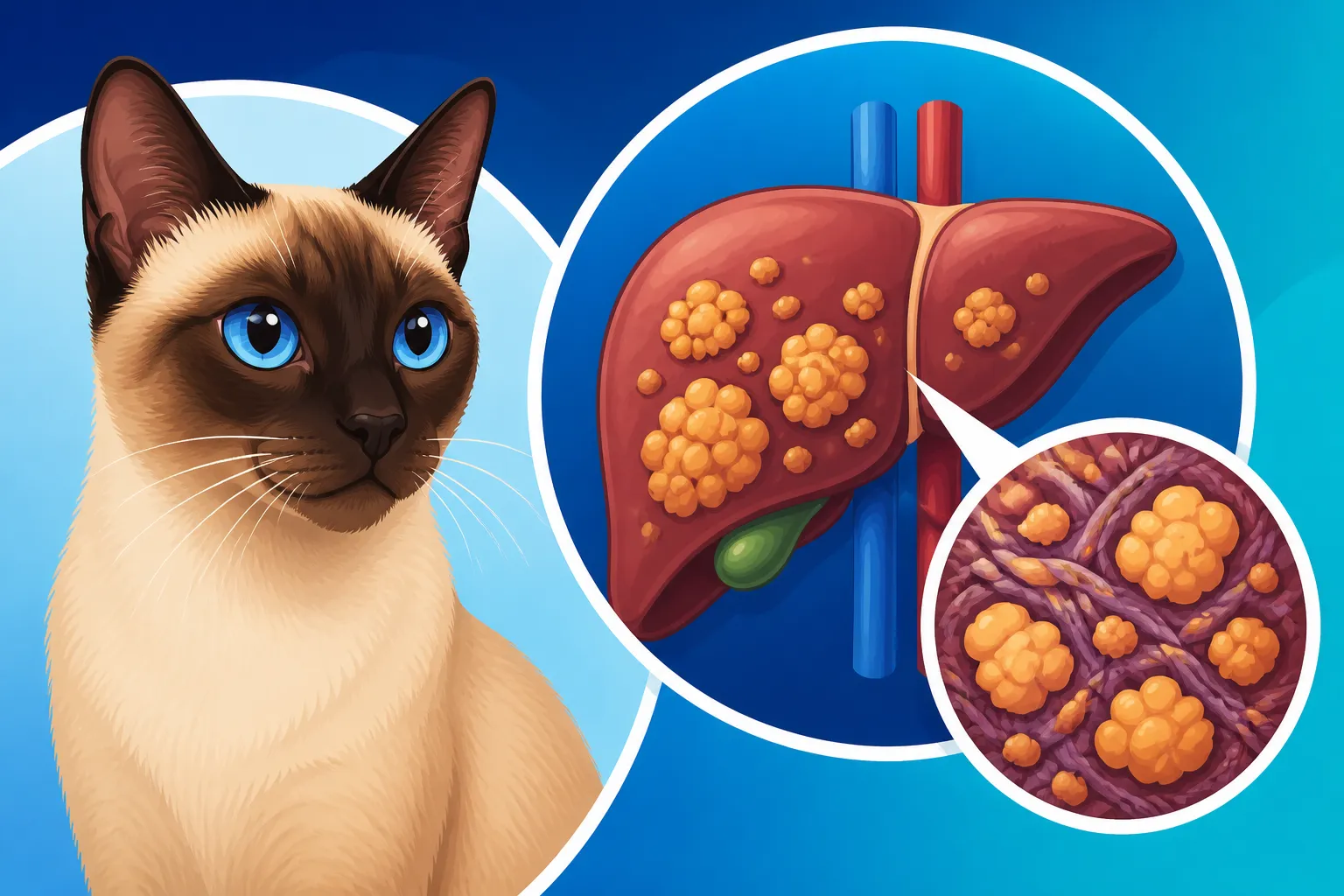
These amyloid fibrils then begin to deposit in the spaces between liver cells (hepatocytes) and within the walls of blood vessels. This gradual accumulation acts like a foreign substance, mechanically disrupting the delicate cellular architecture of the liver. Imagine trying to run a complex factory when its corridors and machinery are slowly being filled with hardened, unusable waste. The cells can't communicate effectively, nutrients can't be processed, and waste products can't be cleared. This cellular malfunction leads to a progressive decline in liver function, often silently.
Disruption of Liver Architecture and Function
As amyloid continues to build up, it replaces normal, healthy liver tissue. The liver, which is normally soft and pliable, becomes stiff and brittle. This widespread infiltration directly impedes the liver's myriad functions, from metabolizing fats and proteins to detoxifying the blood and producing clotting factors.
Crucially, this amyloid deposition also compromises the structural integrity of the liver itself. The liver is a highly vascular organ, crisscrossed with delicate blood vessels. When amyloid infiltrates the walls of these vessels and the surrounding tissue, it weakens them, making the liver incredibly fragile. This is precisely How Amyloid Weakens a Siamese Cat's Liver Wall, setting the stage for a truly terrifying scenario: liver rupture. A cat that previously seemed healthy might suddenly present with acute abdominal pain, lethargy, and collapse due to internal bleeding. It's a stark reminder of why prevention, though difficult, and early detection, however challenging, are so critical.
Key Differences in Amyloid Deposition in Siamese Cats
| Feature | General Feline Amyloidosis (Systemic AA) | Siamese Cat-Specific Liver Amyloidosis |
|---|---|---|
| Primary Organ | Kidneys often primary, also spleen, GI tract. | Liver is a major target, often leading to acute crisis. |
| Genetic Link | Can be secondary to chronic inflammation; genetic component less defined. | Strong hereditary predisposition, distinct to the breed. |
| Clinical Onset | Gradual kidney failure signs (PU/PD), may be chronic. | Often acute, sudden collapse due to liver rupture; can be rapid. |
| Protein Type | Serum Amyloid A (SAA) | Serum Amyloid A (SAA) |
| Prognosis | Variable, depends on organ involvement and progression. | Often grave due to acute, severe liver damage. |
This table highlights the particularly aggressive and often acute nature of liver amyloidosis in Siamese cats, distinguishing it from more general forms of the disease.
Factors Contributing to Liver Amyloid Deposition
While genetics load the gun, environmental and physiological factors can pull the trigger, or at least accelerate the process of amyloid deposition in a Siamese cat's liver. It's a complex interplay, and understanding these elements can help owners mitigate risks where possible, though the genetic predisposition remains the primary driver.
Chronic Inflammation and Stress Responses
The SAA protein, which forms the amyloid fibrils, is an acute phase protein. This means its levels increase dramatically in response to inflammation, infection, or stress. For a Siamese cat with a genetic predisposition, repeated or chronic inflammatory stimuli can lead to a sustained elevation of SAA, providing more raw material for amyloid formation.
Consider a cat with recurrent dental disease, inflammatory bowel disease, or even chronic stress from an unstable home environment. While these conditions might not directly cause amyloidosis, they could certainly exacerbate it by keeping SAA levels high. This prolonged elevation of SAA, coupled with the cat’s inability to properly clear or fold the protein, creates a perfect storm for amyloid accumulation in the liver. It's a frustrating situation because many of these inflammatory conditions are common in cats, yet only a genetically predisposed Siamese cat faces such dire consequences. Even conditions like pancreatitis or chronic upper respiratory infections, seemingly minor, could contribute to this dangerous cycle in a susceptible Siamese.
Age and Progression of the Disease
Amyloidosis is not typically a disease of very young kittens, though anecdotal evidence suggests it can sometimes appear at a surprisingly early age. It more commonly manifests in young to middle-aged adult Siamese cats, typically between 1 and 5 years old, although cases outside this range are certainly reported. This period aligns with The Age Amyloidosis Appears in a Siamese Cat in many cases. The insidious nature of the disease means that the amyloid proteins accumulate over time, slowly compromising liver function before symptoms become apparent.
As the cat ages, the cumulative effect of amyloid deposition becomes more significant. The liver becomes increasingly brittle and dysfunctional, making it more prone to acute failure. It's a slow burn that can suddenly flare into a life-threatening emergency. The challenge for owners and veterinarians is that Whether Siamese Cat Amyloidosis Can Be Caught Early is incredibly difficult without invasive procedures. Routine bloodwork might show some non-specific changes, but a definitive diagnosis often requires a biopsy, which carries risks, especially for an already compromised liver. This is where pet insurance, like a plan from Healthy Paws, can be invaluable for covering the unexpected, high costs of diagnostic tests and emergency treatments, especially when every moment counts in a crisis.
The Devastating Impact of Liver Amyloid Accumulation
The accumulation of amyloid in the liver of a Siamese cat doesn't just reduce its efficiency; it actively destabilizes the entire organ, leading to a host of severe and often fatal complications. The progression from seemingly healthy to critically ill can be shockingly fast, leaving owners reeling.
Risk of Liver Rupture and Internal Bleeding
The most feared and devastating consequence of amyloid buildup in a Siamese cat's liver is undoubtedly spontaneous rupture and subsequent internal bleeding. As the amyloid infiltrates and stiffens the liver tissue, it makes the organ incredibly fragile, almost like an eggshell. Even minor trauma, or sometimes no discernible trauma at all, can cause the liver capsule or underlying blood vessels to tear.
When this happens, the cat experiences a sudden and severe internal hemorrhage. This is Why a Siamese Cat With Amyloidosis Bleeds Internally. The signs can be dramatic: sudden lethargy, collapse, pale gums, rapid breathing, and a distended, painful abdomen. These are all critical Signs a Siamese Cat's Liver Has Ruptured. Without immediate, aggressive veterinary intervention, including blood transfusions and potentially surgery to stop the bleeding, the outcome is often fatal. The suddenness of this event is what makes liver amyloidosis so terrifying for Siamese owners, as cats can literally be fine one moment and in a life-threatening crisis the next. Emergency care can be incredibly expensive, and having a comprehensive pet insurance plan from a provider like Healthy Paws can provide much-needed financial relief during such a heartbreaking time.
Liver Dysfunction and Systemic Effects
Even before a rupture occurs, the slow accumulation of amyloid inevitably leads to progressive liver dysfunction. The liver is responsible for countless vital metabolic processes, including the production of clotting factors, detoxification of waste products, and metabolism of nutrients. As amyloid replaces functional liver tissue, these processes become impaired.
This can lead to a cascade of systemic problems. The cat might become jaundiced (yellowing of the skin and eyes) due to the liver's inability to process bilirubin. They may develop coagulopathies, meaning their blood doesn't clot properly, increasing the risk of bleeding. Ascites, a buildup of fluid in the abdomen, can also occur. The loss of appetite, weight loss, and general malaise that sometimes precede a crisis can be subtle, easily mistaken for other, less serious conditions. This is why paying close attention to Signs a Siamese Cat Has Liver Amyloidosis is paramount, even if they seem mild. Treatment often involves supportive care to manage symptoms and, in some dire cases, attempts to stop the bleeding, as detailed in How a Siamese Cat's Ruptured Liver Is Treated. The costs associated with such advanced veterinary care can be substantial, and a robust pet insurance policy, perhaps from Healthy Paws, can help manage these unforeseen expenses, allowing you to focus on your cat's well-being.
Disclaimer
The information provided in this article is for general informational purposes only and is not a substitute for professional veterinary advice. Always consult with a qualified veterinarian for any health concerns or before making any decisions related to your pet's health or treatment.