What a Carrier for a Siamese Cat Costs
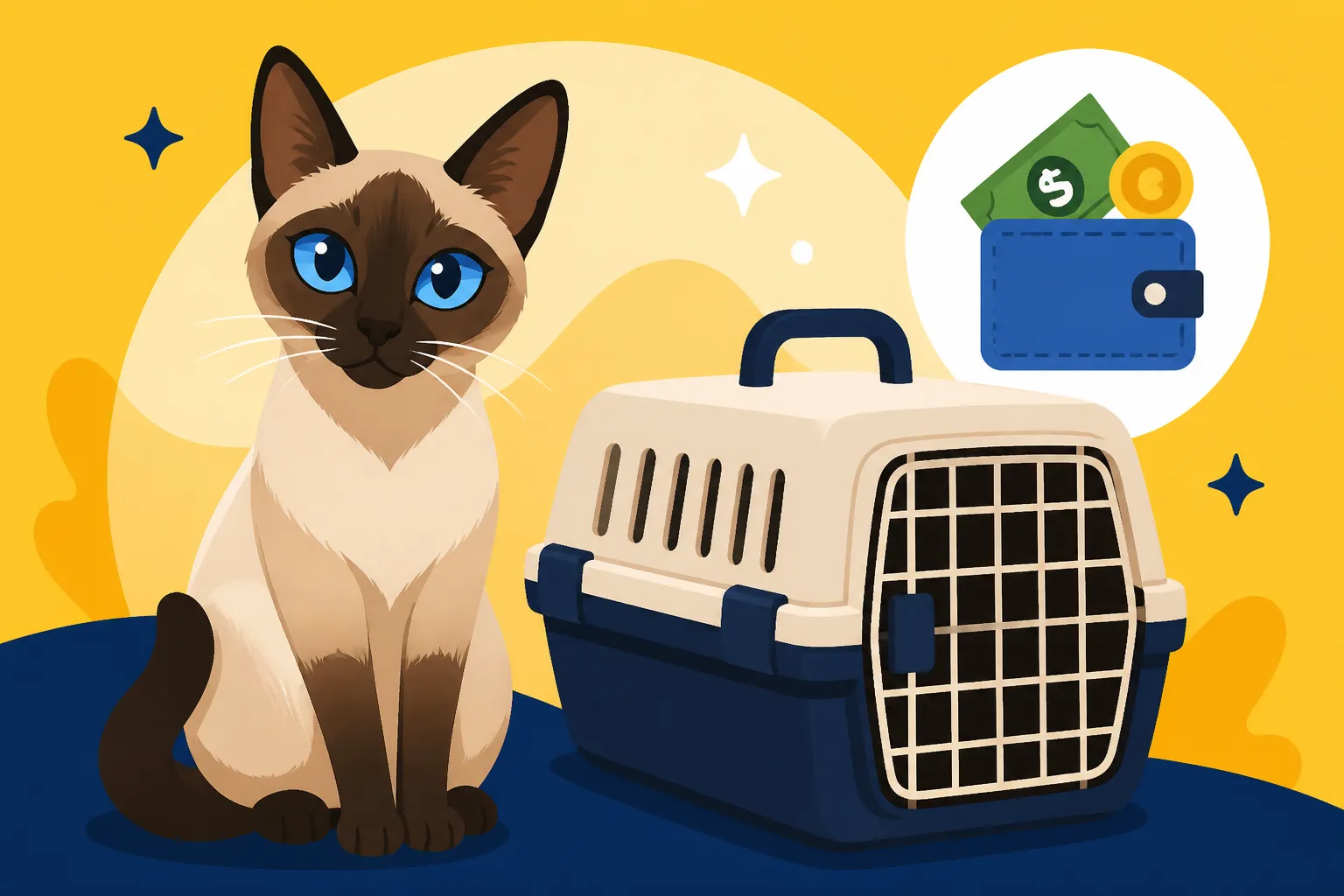
When it comes to our beloved Siamese cats, taking them to the vet, moving house, or even just going for a car ride can be a real adventure. One of the biggest hurdles, beyond their charmingly vocal protests, is often finding a cat carrier that’s not only secure and comfortable but also fits our budget. It's easy to feel overwhelmed by the sheer number of options out there, from flimsy fabric bags to hard plastic fortresses, and wonder if you're truly getting value for money. This guide will walk you through the real cost of a Siamese cat carrier, breaking down the factors that influence pricing, so you can make an informed decision that keeps your precious Meezer safe and sound without unexpected financial surprises.
Understanding Why the Right Carrier Matters for Your Siamese Cat
It might seem like just a box, but for a Siamese cat, a carrier is much more than that. It’s a temporary den, a safe haven during stressful situations, and a critical piece of safety equipment. The wrong carrier can turn a short trip into a terrifying ordeal, leading to escape attempts, injuries, or even reinforcing a lifelong fear of travel. You want a carrier that can withstand their intelligent attempts at Houdini-like escapes and keep them feeling as secure as possible.
Beyond Just a Box: Safety and Comfort Considerations
Think about it from your Siamese's perspective. They're being placed into an unfamiliar enclosure, often whisked away to a place they might not enjoy (like the vet!). If that enclosure feels unstable, too small, poorly ventilated, or easily breached, their anxiety will skyrocket. A carrier that's too cramped can lead to overheating and discomfort, while one that's too large can allow them to be tossed around during transit, increasing the risk of injury. Escape artists are real, and a Siamese, with their keen intellect and surprising agility, can often exploit weak zippers or flimsy latches. We’ve all heard stories, or perhaps even experienced firsthand, the sheer panic of a cat escaping its carrier in a moving car or a busy waiting room. Investing in a truly secure carrier is an investment in their safety and your peace of mind.
Proper ventilation is another often-overlooked aspect. Cats can get anxious and hot quickly, especially a lean, short-coated Siamese. Mesh windows and ample air holes are crucial for air circulation and to allow them to see their surroundings, which can sometimes reduce stress. The carrier should also have a comfortable, non-slip bottom. Many owners add a soft blanket or a small towel, which can absorb any accidents and provide a familiar scent, offering an extra layer of comfort. Remember, a comfortable cat is a calmer cat, and a calm cat makes for a less stressful journey for everyone involved.
The Siamese Cat's Unique Needs in a Carrier
Siamese cats are a special breed, and their carriers need to cater to their distinct characteristics. First off, their vocal nature is legendary. You know that What the Siamese Cat's Meezer Yowl Sounds Like can be a force of nature, and in a carrier, that yowl can be amplified if they feel distressed. A carrier that feels secure and offers some visual privacy can sometimes help mitigate their anxiety-fueled protests. While you won't completely silence a determined Siamese, a good carrier can prevent their distress from escalating further.
Their intelligence is another factor. These cats are problem-solvers. If there’s a weak point in a zipper or a latch that isn’t quite foolproof, your Siamese will find it. I've personally seen a clever Meezer systematically work a double-zipper open over a 20-minute car ride, just by batting at it repeatedly. This means cheap, poorly constructed carriers are often a false economy, as they'll need replacing sooner or worse, lead to an escape.
Lastly, consider their lean build and temperature sensitivity. Siamese cats, with their short, fine coats and slender bodies, can feel the cold more acutely than some other breeds. While a carrier shouldn't be too warm, it should offer enough protection from drafts, especially during cooler weather. For warmer climates, ensure excellent airflow to prevent overheating. Their point coloration is actually affected by temperature, so keeping them comfortable is not just about health, but even about their unique coat. Why a Siamese Cat's Points Are Made by Temperature is a fascinating read on this topic.
Deconstructing the Cost: Factors Influencing Carrier Prices
The price tag on a cat carrier isn't just pulled out of thin air. Several factors come into play, from the materials used to the brand reputation and the specific features it boasts. Understanding these elements can help you weigh your options and decide where to splurge and where to save.
Material and Durability: From Soft-Sided to Hard-Shell
The primary driver of a carrier's cost is almost always the material it's made from, which directly impacts its durability and, often, its safety.
-
Soft-Sided Carriers (typically $25-$75): These are usually made from sturdy fabric, often with mesh panels. They are lightweight, collapsible for easy storage, and can be more comfortable for short trips because they often conform a bit to your cat's body. However, their flexibility can be a downside; a stressed Siamese might claw through the mesh or fabric over time, and they offer less protection against impacts. They're great for a quick vet visit across town or as a cozy temporary spot at grandma's house. The quality of zippers, seams, and interior framing makes a huge difference here. A cheaper soft-sided carrier might have flimsy zippers that a determined paw could open, or thin mesh that tears easily. More expensive ones will use heavy-duty, rip-resistant materials and self-locking zippers, providing much better peace of mind.
-
Hard-Shell Plastic Carriers (typically $30-$100+): These are the workhorses of the cat carrier world. Made from durable, rigid plastic, they offer superior protection against bumps and impacts. They're also much easier to clean if your cat has an accident. Many vets prefer them because they offer a more secure and stable environment. The cost variation here often depends on the quality of the plastic, the security of the latches (which can be a huge weak point on cheaper models), and the ease of assembly. A premium hard-shell carrier might feature a top-loading door, making it much easier to get a reluctant Siamese inside, and more secure, spring-loaded latches that are impossible for even the cleverest cat to manipulate. If you travel frequently or have a cat who gets particularly stressed, this might be the way to go.
-
Wire/Metal Carriers (typically $40-$120+): Less common for general cat transport but sometimes used for recovery post-surgery or for very long trips where maximum ventilation and visibility are needed. They offer excellent airflow and security but can be heavier and less cozy unless heavily padded. These are often seen as more dog-oriented but have their niche for cats too. Their open design means you'll need to make sure your Siamese feels safe and has plenty of soft bedding inside, potentially even draping a blanket over it for a sense of enclosure.
Size, Features, and Brand: What You're Really Paying For
Beyond materials, a carrier's size and features play a significant role in its price. Larger carriers, naturally, use more material and are thus more expensive. But it's the added features that can really drive up the cost.
Think about a carrier designed for air travel, for example. These "airline approved" carriers often cost more because they meet specific, stringent requirements for dimensions, ventilation, and leak-proof bottoms. Features like wheels, extendable handles, multiple access points (top and front loading), built-in food or water bowls, or even expandable mesh sections to give your cat more room when stationary, all add to the price. Some carriers are even designed to double as a cozy bed at home, helping your Siamese associate it with comfort rather than just scary trips.
Brand reputation also matters. Established pet supply brands known for quality and safety will often command higher prices than generic alternatives. You're often paying for their research and development, better manufacturing processes, and rigorous testing. For instance, when you browse retailers like Chewy, you'll see a range from budget-friendly options to premium carriers from well-known names. While it's tempting to go for the cheapest option, remember that a carrier is a safety item. Skimping on quality can lead to a carrier that fails when you need it most.
Hidden Costs and Long-Term Value
The sticker price isn't always the total cost of a cat carrier. There can be hidden costs and long-term value considerations that savvy Siamese owners should keep in mind.
A cheap, poorly constructed carrier might need to be replaced frequently. If the mesh tears, the zippers break, or the latches fail after just a few uses, you'll end up buying another one, effectively doubling your initial cost. In contrast, a higher-quality carrier might cost more upfront but could last for many years, even decades, ultimately saving you money in the long run. Consider it an investment in equipment that will get years of use, whether it’s for regular vet check-ups, emergency visits, or even cross-country moves.
Beyond replacement, think about accessories. Most carriers don't come with internal bedding, and you'll want to add a soft mat or blanket for your Siamese's comfort. If your cat tends to have accidents, you might need absorbent pads, which are an ongoing cost. Cleaning supplies are also a factor; a carrier that's difficult to clean after an upset stomach incident can be a real headache. Also, imagine the cost of a lost cat or an injured cat if the carrier fails. Emergency vet visits can be incredibly expensive, easily dwarfing the cost difference between a cheap and a high-quality carrier. Prevention is always cheaper than cure, and a secure carrier is a key part of that preventative care.
Exploring Different Carrier Types and Their Price Ranges
Let's dive into the specifics of various carrier types, outlining their typical costs, advantages, and disadvantages to help you decide what's best for your Siamese.
Soft-Sided Carriers: Pros, Cons, and Typical Costs
Soft-sided carriers are a popular choice for many cat owners due to their portability and comfort-focused design. They usually feature a rigid base for stability, but the sides are made of fabric (nylon, polyester, or canvas) with mesh windows for ventilation. Many models are collapsible, making them easy to store in a closet or under a bed when not in use.
Pros:
- Lightweight: Easy to carry, especially if you have to walk a distance with your Siamese.
- Comfortable: The flexible sides can feel less intimidating to some cats, and there's often more give for them to shift positions.
- Storage-Friendly: Most collapse flat, saving space in smaller homes.
- Versatile: Some have shoulder straps or even wheels for easier transport.
Cons:
- Less Protection: Offers minimal protection against impacts or if heavy items fall on it.
- Durability Concerns: Mesh can be torn, and zippers can be broken by a determined or anxious cat.
- Cleaning Challenges: Fabric can absorb odors and bodily fluids, making thorough cleaning more difficult.
- Not Always Airline Approved: While some are, you must double-check specific airline dimensions and requirements.
Typical Costs: You'll find a wide range here, generally from $25 to $75. A very basic, small soft-sided carrier might be on the lower end, suitable for tiny kittens or very short, infrequent trips. Mid-range carriers (around $40-$60) will offer better quality zippers, thicker mesh, and more robust fabric. High-end soft-sided carriers (up to $75 or more) might include additional features like expandable sections, premium self-locking zippers, or fleece bedding, and are often designed with specific airline requirements in mind.
Hard-Shell Carriers: Durability, Safety, and Investment
Hard-shell plastic carriers are the traditional choice and remain a favorite for their robust construction and ease of maintenance. They are made from durable, molded plastic, often with a metal door and ample ventilation holes.
Pros:
- Superior Protection: Excellent for protecting your cat from impacts, bumps, and other external forces.
- Secure: Less prone to escape attempts due to rigid structure and strong latches.
- Easy to Clean: Non-porous plastic can be easily wiped down, disinfected, and hosed off after accidents.
- Vet-Preferred: Many veterinarians prefer them as they feel more secure and allow for easier examination of the cat inside without full removal.
Cons:
- Bulky: They don't collapse and take up more storage space.
- Heavier: Can be more cumbersome to carry, especially with a full-grown Siamese inside.
- Less 'Cozy' Feel: Some cats might find the hard, rigid interior less inviting without ample soft bedding.
- Getting the Cat In: While many now offer top-loading options, getting a reluctant cat into a front-loading hard-shell can be a challenge.
Typical Costs: Hard-shell carriers typically range from $30 to $100+. Entry-level models (around $30-$50) are usually single-door, front-loading options with basic latches. Mid-range carriers ($50-$80) often feature improved latching mechanisms, better plastic quality, and sometimes a top-loading door, which is a game-changer for many owners. Premium hard-shell carriers ($80-$100+) will offer superior ventilation, advanced locking systems, and often meet higher safety standards, making them ideal for frequent travel or particularly anxious cats.
Specialty Carriers: Backpacks, Strollers, and Airline Approved Options
Beyond the two main types, a variety of specialty carriers cater to specific needs or lifestyles.
-
Cat Backpacks (typically $40-$100+): These allow you to carry your Siamese on your back, freeing up your hands. They're popular for hikers or those who want to take their cat on urban adventures. They often feature a "bubble" window and mesh panels. The cost varies based on material quality, ventilation, and ergonomic design for the wearer. For an adventurous Siamese that enjoys being out and about, a well-ventilated and secure cat backpack can be a great option. However, ensure it's spacious enough for your cat to turn around comfortably.
-
Cat Strollers (typically $70-$200+): If your Siamese enjoys outdoor excursions but isn't up for a leash walk, a cat stroller offers a safe and comfortable way to explore. These are essentially pet-friendly versions of baby strollers, with mesh enclosures. Prices fluctuate significantly depending on features like suspension, wheel quality, size, and whether they double as a removable carrier. While a luxury item, a stroller could be a lifesaver for an older Siamese who still loves the outdoors but struggles to walk, or for taking them to the vet without the physical strain of carrying them.
-
Airline Approved Carriers (often $50-$150+): While both soft and hard-sided carriers can be airline approved, those specifically marketed as such often come with a premium. This is because they are designed to meet strict airline dimensions for under-seat storage (for cabin travel) or cargo holds. They will emphasize features like leak-proof bottoms, superior ventilation, and secure closures. If you plan on flying with your Siamese, this designation is crucial, and it's always wise to double-check with your specific airline before purchasing. The convenience and peace of mind of having a compliant carrier are well worth the extra cost. Many premium soft-sided carriers, like those you might find on Chewy, often meet these specifications.
Comparison Table: Common Carrier Types and Costs
| Carrier Type | Typical Price Range | Key Features | Pros | Cons | Best For |
|---|---|---|---|---|---|
| Soft-Sided | $25 – $75 | Fabric, mesh windows, collapsible, shoulder strap | Lightweight, comfortable, easy to store | Less protective, can be damaged, harder to clean | Short trips, car rides, casual vet visits |
| Hard-Shell Plastic | $30 – $100+ | Rigid plastic, metal door, secure latches | Very protective, secure, easy to clean | Bulky, heavier, less cozy (initially) | Frequent vet visits, longer travel, anxious cats |
| Cat Backpack | $40 – $100+ | Wearable, bubble window, hands-free | Convenient, unique viewing, good for active owners | Can feel small, limited privacy | Adventures, urban walks, hands-free carrying |
| Cat Stroller | $70 – $200+ | Wheels, large enclosure, pushable | Easy transport for larger/older cats, outdoor trips | Bulky, expensive, not for indoor use | Older cats, long walks, multiple cats, luxury |
Making the Best Carrier Choice for Your Siamese and Your Budget
Choosing the right carrier isn't just about the initial outlay; it's about finding the sweet spot between safety, comfort, and value for your specific Siamese and your lifestyle.
Prioritizing Your Cat's Needs Over Price Alone
It’s tempting to grab the cheapest carrier on the shelf, especially if you think it's only for occasional use. However, for a Siamese, their unique personality and physical traits make certain features non-negotiable. Always prioritize security, ventilation, and appropriate sizing. A carrier that's too small will cause stress and discomfort, while one that's too large could allow them to be jostled around, potentially causing injury. Your Siamese should be able to stand up, turn around, and lie down comfortably inside.
Consider your cat's personality. Do you have a calm, easygoing Siamese who tolerates travel well, or a high-strung, intelligent escape artist? If it's the latter, those extra dollars for robust zippers, strong latches, and rigid construction are an investment in preventing a stressful incident. For a cat prone to anxiety, look for carriers that allow you to easily cover parts of the mesh with a blanket to provide a sense of security and den-like privacy. Some carriers also offer multiple entry points, which can be invaluable for getting a reluctant cat inside without a struggle. How a Siamese Cat Behaves at the Vet is a great resource if you have a particularly dramatic Meezer during outings.
Where to Find Quality Carriers Without Breaking the Bank
You don't always have to spend a fortune to get a good quality carrier. There are several avenues to explore:
- Online Retailers: Sites like Chewy offer a vast selection, often with customer reviews that can give you real-world insights into durability and cat comfort. They frequently have sales, and you can compare many brands and models side-by-side. Make sure to read the dimensions carefully and compare them to your cat's measurements.
- Pet Supply Stores: Visiting a physical store allows you to see the carriers in person, check the latch mechanisms, feel the material quality, and even test the weight. Some stores might even let you bring your cat in (if they're good with car rides!) to try a carrier for size, which is ideal.
- Second-hand Options (with caution): You can sometimes find excellent deals on used carriers through local online marketplaces or thrift stores. However, exercise caution. Always thoroughly inspect for damage (cracks, tears, rusted latches) and disinfect the carrier completely before use, as previous pets might have left behind odors, fleas, or even diseases. This is an area where a little extra care is paramount.
Don't forget to look for sales and compare prices. Sometimes, a slightly older model from a reputable brand will be on clearance, offering fantastic value.
Thinking Beyond the Initial Purchase: Insurance and Accessories
When budgeting for your Siamese cat, think of the carrier as part of a larger ecosystem of care. While the carrier itself isn't covered by pet insurance, the peace of mind it provides can indirectly save you money. A secure carrier prevents escapes and potential injuries, which could lead to expensive emergency vet visits. Services like Healthy Paws pet insurance are designed to help cover unexpected illnesses and accidents, so while they won't pay for the carrier, they can be a lifesaver if an incident does occur due to a faulty one.
Consider the accessories you might need to make the carrier more comfortable and functional:
- Soft Bedding: A small, washable fleece blanket or soft mat provides comfort and absorbs minor accidents.
- Travel Water Bowl: Collapsible silicone bowls are perfect for longer trips to keep your Siamese hydrated.
- Feliway Spray: Pheromone sprays can help calm an anxious cat in the carrier and during travel.
- Absorbent Pads: For cats prone to motion sickness or stress-related accidents.
Lastly, while not directly related to carriers, remember that a healthy, well-fed Siamese is generally a happier traveler. High-quality food contributes to their overall well-being, which can reduce stress and anxiety in unfamiliar situations, including car rides to the vet. The less stressed your cat is, the less likely they are to panic in their carrier. A good carrier is a cornerstone of responsible pet ownership, ensuring your Siamese is safe, comfortable, and ready for whatever journey lies ahead.
Disclaimer
This article is for general informational purposes only and does not constitute professional advice. Laws, prices and regulations vary by location and change over time. Consult a qualified professional for guidance on your specific situation.