What a Lynx Point Siamese Cat Costs
One of the most common questions I get from people falling in love with the striking beauty of a Lynx Point Siamese is, "How much do they actually cost?" It’s a completely valid concern, as the initial purchase price is often just the tip of the iceberg, and you need a realistic understanding of the financial commitment involved. This guide will meticulously break down the various costs associated with bringing a Lynx Point Siamese into your home and caring for them throughout their long, wonderful lives.
Understanding the Lynx Point Siamese Cat's Uniqueness and Its Price Impact
When you gaze into the icy blue eyes of a Lynx Point Siamese, it's easy to see why they capture so many hearts. Their stunning striped points, often resembling a wild lynx, are a relatively newer color pattern in the Siamese world, and this unique aesthetic certainly plays a role in their valuation. But it’s not just about looks; their specific genetic background and how they are recognized by various cat registries also significantly influence their cost.
The Lynx Point's Distinctive Look and Registry Status
A Lynx Point Siamese, sometimes called a Tabby Point Siamese, showcases a beautiful combination of the classic Siamese point coloration with the tabby pattern. Instead of solid color points, you'll see clear tabby stripes on their face, ears, legs, and tail, along with "M" markings on their forehead and often distinct "eyeliner" markings around their eyes. This striking appearance sets them apart from the traditional seal, chocolate, blue, or lilac points. This distinctiveness can sometimes lead to a higher price, as specific patterns might be less common or more sought after.
However, it's not just about what they look like; it's also about what cat associations call them. While they share the body type, personality, and vocal nature of a classic Siamese, some registries classify them under the Colorpoint Shorthair breed rather than pure Siamese. This distinction, while seemingly minor, can impact a breeder's pricing strategy and how buyers perceive the cat's lineage and value. A breeder who focuses on "pure" Siamese lines might price their traditional points differently than those who specialize in Colorpoint Shorthairs, even if the cat has the exact same temperament and health. Understanding that "What a Lynx Point Registers as a Siamese Cat" varies by organization is key to understanding potential price differences.
Why "Siamese" vs. "Colorpoint Shorthair" Matters for Cost
The classification of a Lynx Point Siamese as either a "Siamese" or a "Colorpoint Shorthair" is a topic that can genuinely confuse prospective owners and even some breeders. Historically, the Lynx Point pattern, along with red points and tortie points, was introduced to the Siamese through outcrossing with other breeds, such as American Shorthairs, to bring in new colors and patterns. While these cats possess all the classic Siamese characteristics – the sleek body, wedge head, blue eyes, and famously vocal personality – some major registries, like the Cat Fanciers' Association (CFA), classify them as Colorpoint Shorthairs. Other registries, such as The International Cat Association (TICA), are more inclusive, recognizing Lynx Point as a color within the Siamese breed.
This distinction isn't just a matter of semantics; it has real financial implications. Breeders who adhere strictly to the CFA standard for Siamese might not breed Lynx Points at all, or they might label them distinctly as Colorpoint Shorthairs, which can sometimes influence their perceived market value. A "pure" traditional color Siamese might command a certain price in one market, while a Lynx Point Siamese, even if equally healthy and well-bred, might be priced differently depending on the breeder's focus and the prevailing market demand for Colorpoint Shorthairs versus traditional Siamese. It's crucial for buyers to understand which registry the breeder is working with and how that impacts the "pedigree" and, consequently, the price of the kitten. Don't be shy about asking your breeder to clarify "Which Siamese Cat Colors the Registries Accept" and how that applies to their specific breeding program.
Breeder Costs and What Influences Them
The initial cost of a Lynx Point Siamese kitten is perhaps the most obvious expense, but it's not a flat fee. Several factors contribute to a breeder's pricing, and understanding these can help you identify a reputable source and anticipate the financial outlay. This isn't just about paying for a cute kitten; it's about investing in a healthy, well-socialized companion, and that investment starts with the breeder.
Reputable Breeders vs. Backyard Breeders
The price difference between a reputable breeder and a "backyard breeder" or pet store is often significant, and for very good reasons. Reputable breeders invest heavily in the health, temperament, and welfare of their breeding cats and kittens. This includes comprehensive health screenings for genetic conditions prevalent in the breed, such as amyloidosis, a heartbreaking disease, though there are limitations on screening, as "Why a Siamese Cat Breeder Cannot Test for Amyloidosis" explains. They also ensure proper nutrition, regular veterinary care, and a clean, stimulating environment. This often includes early socialization, which is critical for developing a well-adjusted Siamese cat. These breeders also typically provide proper registration papers, vaccination records, and a health guarantee. All these efforts, which contribute to "How healthy the Siamese cat actually is", add to the cost.
On the other hand, backyard breeders often cut corners to minimize their expenses. They may forgo health testing, provide inadequate nutrition, or keep their cats in less-than-ideal conditions. Kittens from these sources might appear cheaper upfront, but they often come with hidden costs down the line in the form of expensive veterinary bills for untreated illnesses, parasites, or behavioral issues stemming from poor socialization. A kitten sold "under four hundred" dollars should raise a significant red flag, as this price point rarely covers the true cost of responsible breeding. Always ask "Which Tests a Siamese Cat Breeder Actually Runs" to ensure you're getting a healthy start.
Show Quality vs. Pet Quality Lynx Points
Within a reputable breeding program, you might find varying price points for kittens, often categorized as "show quality" or "pet quality." A "show quality" Lynx Point Siamese kitten is one that closely matches the breed standard for conformation, color, and temperament, making it a strong candidate for competitive showing. These kittens represent the breeder's best efforts to perpetuate the breed's ideal characteristics and often come with a higher price tag. They might have a more extreme wedge head, perfect ear set, or particularly vibrant point coloration.
"Pet quality" kittens, while still healthy, well-socialized, and beautiful, may have minor imperfections that prevent them from excelling in the show ring. Perhaps their ears aren't quite as large, their head shape isn't perfectly extreme, or their markings aren't as crisp. These kittens are still wonderful companions and often indistinguishable to the untrained eye, but because they won't contribute to a show champion line, their price is typically lower. Most reputable breeders primarily sell to pet homes, ensuring that even their show-quality lines find loving families. It’s important to remember that a "pet quality" kitten from a reputable breeder is still a fantastic choice, embodying the health and temperament you desire, just without the added cost of show potential. Understanding "What Separates a Pet From a Show Siamese Cat" can help manage expectations and budget.
Initial Setup Costs Beyond the Purchase Price
Once you’ve found your perfect Lynx Point Siamese kitten or adult cat, the financial journey has only just begun. The initial purchase price is just one part of "What a Siamese Cat Costs to Buy in 2026." There's a whole array of essential supplies and initial veterinary care that you'll need to budget for right away to ensure your new companion settles in comfortably and healthily.
Essential Supplies for Your New Lynx Point Kitten
Bringing a new cat home requires setting up their living space properly. These are one-time or infrequent purchases that are crucial for their comfort and well-being. Think of it as creating a personalized starter kit for your feline friend.
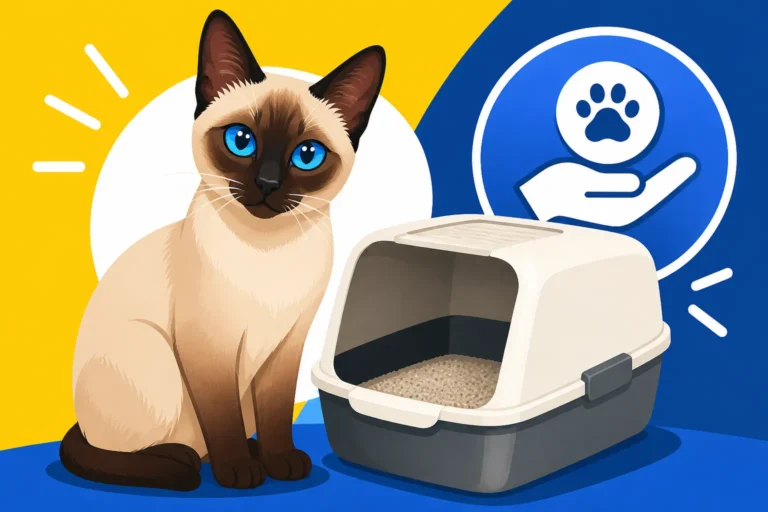
- Litter Box and Litter: You'll need at least one, preferably two, litter boxes per cat. A good quality, easy-to-clean litter box is essential. For the litter itself, consider both traditional clay and more natural options. Brands like Chewy offer a vast selection, from clumping to silica gel to biodegradable plant-based litters. Experiment to see "Which Litter a Siamese Cat Prefers," as some can be quite particular. You'll also need a litter scoop and perhaps a mat to help contain tracking.
- Food and Water Bowls: Stainless steel or ceramic bowls are often recommended for hygiene, as plastic can harbor bacteria. Many Siamese cats also adore water fountains, which encourage them to drink more, and there's a good selection on sites like Chewy. This helps prevent dehydration and supports kidney health.
- Carrier: A sturdy, secure carrier is a must for vet visits, travel, or any emergency evacuation. Look for one that's well-ventilated and easy to clean.
- Bedding: While your Lynx Point Siamese might prefer to sleep in your bed (they often do!), providing their own cozy space, perhaps a soft bed or a cat cave, is a good idea. Some even prefer a heated bed, especially "Why a Siamese Cat Feels the Cold."
- Scratching Posts and Cat Trees: Siamese cats are active and love to climb and scratch. Investing in good quality, tall scratching posts and a robust cat tree can save your furniture. They truly need something that can withstand their energy, as "Why a Siamese Cat Destroys Cheap Cat Trees" will show.
- Toys: Interactive toys like wand toys, puzzle feeders, and even simple crinkle balls are essential for mental stimulation and play. Siamese are highly intelligent and need plenty of enrichment, as "How much play a Siamese cat needs" and "What toys a Siamese cat actually uses" detail.
Veterinary Care and Initial Health Investments
Beyond the initial supplies, the most critical upfront cost after the purchase price is veterinary care. Even if your kitten comes with an initial vet check-up, there's always more to be done in the first few months.
- First Vet Exam and Vaccinations: Your kitten will need a thorough examination by a veterinarian, often followed by a series of vaccinations to protect against common feline diseases like feline distemper, calicivirus, herpesvirus, and rabies. If you're adopting an adult, they might still need boosters or updated shots.
- Parasite Control: Kittens often come with intestinal parasites, so deworming treatments are usually part of the initial vet protocol. Flea and tick prevention will also be recommended.
- Spay/Neuter Surgery: Unless you are a reputable breeder, spaying or neutering your Lynx Point Siamese is highly recommended for health and behavioral reasons, not to mention population control. This is a surgical procedure that varies in cost depending on your location and veterinary clinic.
- Microchipping: This small, permanent identification chip significantly increases the chances of your cat being returned to you if they ever get lost. Many vets offer this at the time of spay/neuter.
- Initial Health Screenings: While a breeder will provide information on parental health, your vet might recommend additional baseline bloodwork or fecal tests to ensure your kitten is starting life in optimal health. This comprehensive approach is part of "What the First Year With a Siamese Cat Costs" and lays the groundwork for a healthy life.
Ongoing Monthly and Annual Expenses
Owning a Lynx Point Siamese is a long-term commitment, and the costs don't stop after the initial setup. These cats can live for "The Fifteen to Twenty Years a Siamese Cat Gets," and maintaining their health and happiness requires consistent financial planning. It's about more than just food; it's about providing a full, rich life.
Food, Litter, and Routine Grooming Supplies
These are the recurring essentials that keep your Lynx Point purring contentedly. They are non-negotiable costs that will be part of your budget for the entirety of your cat's life.
- High-Quality Cat Food: Siamese cats are known for their lean, athletic builds and high energy levels. They need a diet rich in animal protein. The specific brand and type (wet, dry, or a combination) you choose will impact the cost. Many high-quality foods, including fresh options, are available for those looking to invest in premium nutrition. Remember that “Which Food Suits a Siamese Cat” can involve some trial and error, and your vet's advice is invaluable. Portion control is also important, even for a breed that “Why a Siamese Cat Stays So Thin” can explain, as obesity can still occur.
- Cat Litter: This is a constant expense. The type of litter you choose (clumping, non-clumping, scented, unscented, eco-friendly) will influence the monthly cost. Many owners prefer premium clumping litters for odor control and ease of cleaning, which can be pricier but often more effective.
- Routine Grooming Supplies: While Siamese cats have short, low-maintenance coats and "Grooming a Siamese Cat Takes Five Minutes a Week," you'll still need a good quality brush, nail clippers, and perhaps cat-specific dental supplies like a toothbrush and enzymatic toothpaste. Regular teeth cleaning is vital, as "Why a Siamese Cat Loses Teeth Young" is a common issue for the breed, making "How Often a Siamese Cat Needs a Dental" an important consideration.
Health Insurance, Vet Check-ups, and Emergency Funds
Beyond the daily consumables, budgeting for your Lynx Point's health is paramount. Preventative care and a safety net for unexpected issues are crucial components of responsible pet ownership.
- Annual Veterinary Check-ups: Even healthy cats need yearly check-ups, which typically include a physical exam, and often, updated vaccinations and parasite screenings. As your Lynx Point ages, your vet might recommend additional bloodwork or urine tests to monitor for age-related conditions, as covered in "What a Siamese Cat's Yearly Bloodwork Should Cover." These preventative visits are crucial for catching potential issues early.
- Flea, Tick, and Heartworm Prevention: Depending on your lifestyle and location, year-round prevention for these parasites may be recommended by your vet. These medications are typically given monthly.
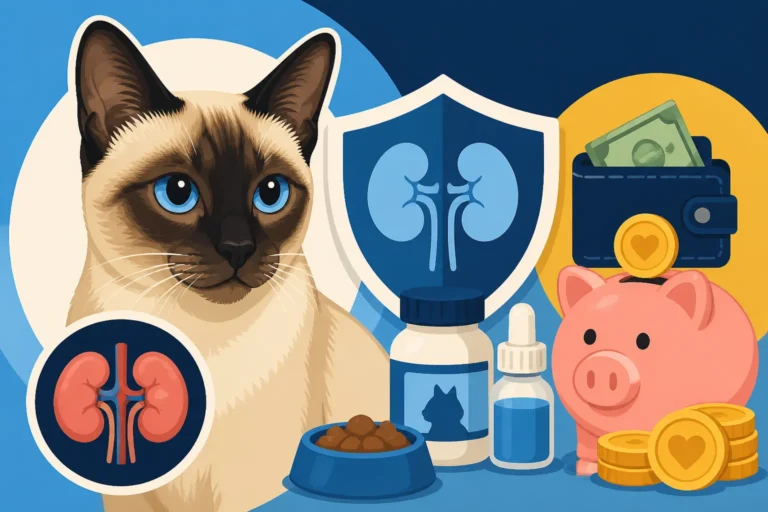
- Pet Health Insurance: This is a fantastic way to manage unexpected veterinary costs. Companies like Healthy Paws offer various plans that can cover accidents, illnesses, and even some emergency procedures. While it's a monthly premium, it can save you thousands of dollars if your Siamese faces a major health crisis, such as an unexpected illness like asthma ("Budgeting for a Siamese Cat's Asthma Inhaler") or an emergency. "What Insuring a Siamese Cat Costs a Month" varies significantly based on factors like age, location, and coverage level, so it’s worth researching.
- Emergency Fund: Even with insurance, it’s wise to have an emergency fund specifically for your cat. Insurance plans often have deductibles, co-pays, or exclusions, and some emergencies might require immediate payment before reimbursement. Having a separate savings account for your cat's health can provide immense peace of mind.
Here's a simplified breakdown of potential costs:
| Category | Initial (One-time) Cost | Ongoing (Monthly/Annual) Cost | Notes |
|---|---|---|---|
| Kitten/Cat Purchase | Varies widely | N/A | Depends on breeder reputation, show quality vs. pet quality, and specific color/pattern demand. |
| Litter Box & Supplies | Moderate | Low to Moderate | Litter, scoop, mats. Higher initial if buying multiple boxes/fancier options. |
| Food/Water Bowls | Low to Moderate | N/A | Higher if opting for fountains or automatic feeders. |
| Carrier | Moderate | N/A | Essential for vet visits and safe transport. |
| Bedding/Hiding Spots | Low to Moderate | N/A | Cats often use household items, but dedicated beds are good. |
| Scratching Posts/Trees | Moderate to High | Low (replacement as needed) | Quality items last longer; essential for physical and mental health. |
| Toys | Low to Moderate | Low (replacement as needed) | Variety is key for an intelligent Siamese; puzzle feeders are great. |
| Initial Vet Visit/Vax | Moderate to High | N/A | Exams, core vaccinations, deworming. |
| Spay/Neuter | Moderate to High | N/A | Crucial for health, behavior, and preventing unwanted litters. |
| Microchipping | Low to Moderate | N/A | Essential for identification if lost. |
| Annual Vet Wellness | N/A | Moderate | Check-ups, boosters, preventative meds. |
| Quality Cat Food | N/A | Moderate to High | Varies by brand (e.g., fresh food vs. standard kibble), cat's needs. |
| Litter | N/A | Low to Moderate | Varies by type and brand. |
| Grooming/Dental Supplies | Low | Low | Brush, nail clippers, toothpaste/brush. |
| Pet Health Insurance | N/A | Moderate | Monthly premium; helps with unexpected illnesses/accidents (e.g., Healthy Paws). |
| Emergency Fund | N/A | Variable (savings goal) | Recommended alongside insurance for deductibles and non-covered items. |
Considering the Lifetime Cost of a Lynx Point Siamese
When you welcome a Lynx Point Siamese into your family, you're not just committing to a few months or even a few years; you're often looking at a decade and a half, or even two decades, of companionship. This incredibly long lifespan, a testament to "How long a Siamese cat lives on average," means that the financial commitment is substantial and stretches far into the future. It’s a rewarding investment, but one that demands careful consideration.
The Long Lifespan and Its Financial Implications
Siamese cats are renowned for their longevity, often living 15 to 20 years, and sometimes even longer. This is fantastic news for owners who cherish every moment with their vocal and affectionate companions. However, it means that all those monthly and annual expenses – food, litter, routine vet care, and preventative medications – will continue for a very long time. When you factor in inflation over two decades, the total financial outlay can be quite significant. Think about "Twenty Years of a Siamese Cat, Priced Out" and what that truly means for your budget.
As your Lynx Point ages, specific health needs might arise, increasing veterinary costs. "Caring for a Siamese Cat Past Twelve" often involves more frequent vet visits, specialized diets, supplements for joint health, or medications for conditions like kidney disease or hyperthyroidism, which are more common in senior cats. These conditions can require ongoing management, diagnostics, and potentially more expensive prescription foods. While a young kitten might only need an annual check-up, an older Siamese could need biannual visits, extensive blood work, or even medications twice a day. This means that the "moderate" ongoing costs can escalate significantly in their senior years.
Unexpected Costs and How to Prepare
No matter how well you care for your Lynx Point Siamese, unexpected health issues or emergencies can arise. These can be the most financially draining aspects of pet ownership and are why proactive financial planning is so crucial. A sudden illness, an accidental injury, or the development of a chronic condition can quickly lead to substantial vet bills.
For example, a Siamese cat might develop something like inflammatory bowel disease, requiring special prescription food and medication for life. Or, they could have a dental emergency, leading to extractions or specialized procedures, which can be expensive, as "What a Siamese Cat's Dental Costs" highlights. While pet insurance, like plans from Healthy Paws, can cover a significant portion of these costs, it's rare for insurance to cover everything. You'll still have deductibles and co-pays, and some conditions might not be covered if they're pre-existing. It's always a good idea to maintain that emergency fund we discussed earlier, even if you have insurance. This financial cushion allows you to make decisions about your cat's care based on what's best for them, rather than solely on what you can afford at that exact moment. Ultimately, while a Lynx Point Siamese is an incredibly rewarding companion, it's essential to be prepared for the full spectrum of costs over their long and loving life, ensuring they receive the best care possible. This proactive approach ensures that "Whether a Siamese Cat Is Worth the Money" is an easy "yes" when you consider the joy they bring.
Disclaimer
This article is for general informational purposes only and does not constitute professional advice. Laws, prices and regulations vary by location and change over time. Consult a qualified professional for guidance on your specific situation.