Why a Siamese Cat Reaches Rescue Over Its Voice
It's a heartbreaking reality that many Siamese cats, with their striking looks and captivating personalities, find themselves in rescue shelters not because of health issues or behavioral aggression, but simply because of their voice. People often fall in love with the idea of a Siamese cat, but they are completely unprepared for the sheer volume and persistence of their vocalizations. This guide aims to shed light on why these beautiful cats often reach rescue over their distinct communication style, helping potential owners understand what they're truly signing up for and how to avoid this unfortunate outcome.
The Unmistakable Siamese Voice: More Than Just a Meow
When we talk about a Siamese cat's voice, we're not talking about a polite little "mew" or a gentle purr. We're talking about something far more commanding, insistent, and often, frankly, loud. This vocal prowess is a hallmark of the breed, a trait as distinctive as their sapphire-blue eyes and sleek, pointed coats.
The "Meezer Yowl" and Its Intensity
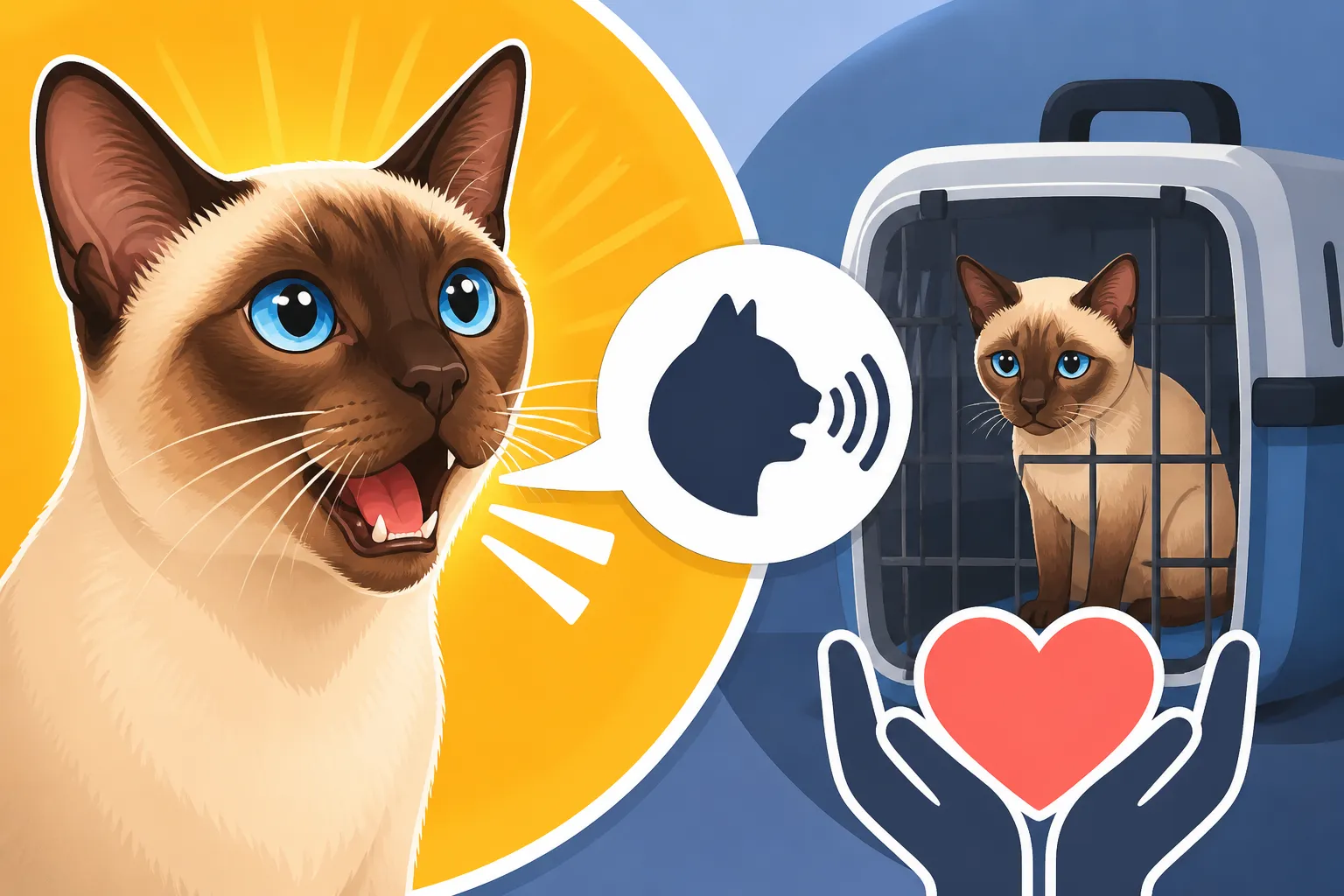
The term "Meezer yowl" is often used by Siamese enthusiasts, and it perfectly encapsulates the unique sound these cats make. It's a low-pitched, almost mournful, yet incredibly penetrating cry that can sound remarkably like a human baby, or even a frustrated teenager. It's not just a single sound; it can be a complex string of chirps, trills, squawks, and insistent demands, often escalating into a full-blown caterwaul if their needs (or perceived needs) aren't met.
Imagine trying to have a quiet dinner, only for your Siamese to launch into a full operatic performance because they spotted the bottom of their food bowl. Or perhaps you're trying to concentrate on a work call, and your cat decides it's the perfect time to serenade you with a series of urgent, drawn-out calls right next to the microphone. This isn't an occasional occurrence; for many Siamese, it's a regular part of their daily communication. People often underestimate the sheer volume of their vocalizations, and how tirelessly they will continue until they get a response. This intensity can be charming to some, but utterly overwhelming for others.
Why Siamese Cats Are So Vocal
So, why are Siamese cats such chatterboxes? It's deeply ingrained in their genetics and their very nature. They are an incredibly intelligent, social, and communicative breed. They don't just meow; they engage in conversations. They tell you about their day, they comment on yours, and they definitely let you know when they want something.
This isn't a flaw; it's a fundamental part of What a Siamese Cat's Temperament Is Really Like. They thrive on interaction and see their human companions as active participants in their world, not just silent providers of food and shelter. Their vocalizations are their primary tool for this interaction. If you respond to their meows, you're reinforcing the idea that talking gets results – which it often does! This creates a feedback loop where the cat learns that persistent vocalization is an effective way to get your attention, whether it's for food, play, cuddles, or just a simple acknowledgment. For more on this, you might find our article on Why a Siamese Cat Meows So Much particularly insightful. They are inherently predisposed to express themselves verbally, and they're not shy about it.
Common Scenarios Leading to Surrender
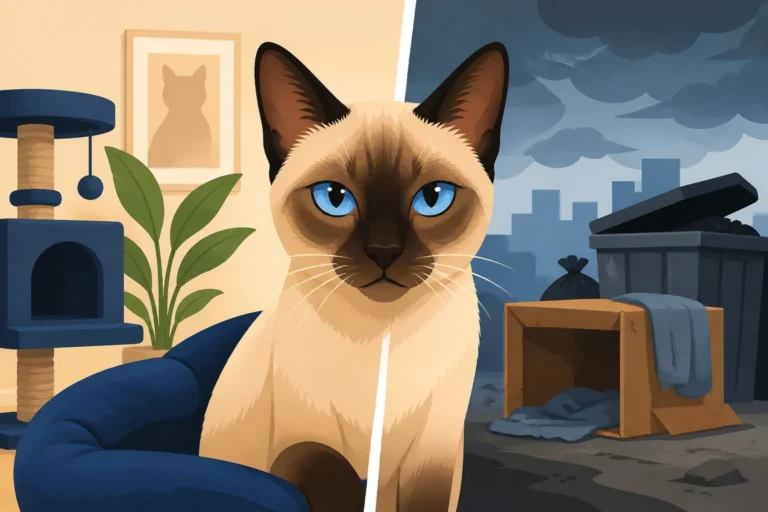
The disconnect between a potential owner's romanticized vision of a graceful, elegant Siamese and the demanding, highly vocal reality is often what leads to these cats ending up in shelters. Life with a constantly communicative cat isn't for everyone, and it can create significant friction in various aspects of daily living.
Noise Complaints in Apartments and Condos
One of the most frequent reasons Siamese cats are surrendered is due to noise complaints, especially in multi-unit dwellings. Living in an apartment, condo, or even a townhouse means having neighbors in close proximity. A standard cat meow might be tolerable, but the unique, often piercing "Meezer yowl" can carry through walls and floors with surprising clarity.
Imagine being a new Siamese owner, excited about your beautiful companion, only to receive a stern note from your landlord or a frustrated knock from a neighbor complaining about constant cat screaming. This isn't an isolated incident; it's a common story. The persistent vocalizations, especially at night when the house is quiet and sounds travel further, can disrupt neighbors' sleep and peace, leading to serious grievances. Landlords often have strict clauses about noise, and repeated complaints can put owners in a difficult position, forcing them to choose between their home and their beloved pet. The stress of managing neighbor relations on top of trying to quiet a vocal cat can quickly become overwhelming.
Owner Expectations vs. Reality
Many people choose a cat for its perceived independence compared to a dog. They might expect a quiet, aloof companion who mostly keeps to themselves. The Siamese cat, however, shatters this stereotype entirely. They are often described as having dog-like personalities due to their loyalty and interactive nature, but this also extends to their vocalizations.
The reality of living with a Siamese is often a constant dialogue. They will follow you from room to room, commenting on everything. They'll greet you loudly at the door, demand attention when you're busy, and vocalize their displeasure if they feel ignored. For someone expecting a serene presence, this can be incredibly jarring and exhausting. The emotional toll of a cat that constantly "talks" or yowls can lead to frustration, resentment, and even sleep deprivation. Owners might try various methods to How to Quiet a Siamese Cat, often to no avail, leading to a sense of helplessness. There's a common misconception that with enough training, a Siamese cat can be "taught" to be quiet. While some behavior modification can help manage the vocalizations, it rarely eliminates them entirely, as it's such an inherent breed trait. Our piece on Whether Ignoring a Siamese Cat's Meowing Works delves into the effectiveness – or lack thereof – of trying to silence a Siamese.
Impact on Family Life and Relationships
The persistent vocalizations of a Siamese cat can ripple through a household, affecting not just the immediate owner but also other family members and even existing pets. Sleep deprivation is a major issue; a cat yowling at 3 AM can disrupt everyone's rest, leading to fatigue and irritability.
Arguments can flare up between partners or family members about the cat's noise, especially if one person is more tolerant than another. Work-from-home environments, now so common, can become a nightmare when a cat decides your video conference needs a vocal soundtrack. Children, especially young ones, might be woken up by the cat, adding another layer of stress to parenting. Even other pets in the household can be stressed by a constantly vocal Siamese. A quieter, more timid dog or cat might become anxious or withdrawn in the face of such a dominant communicator. The constant need for attention and vocal interaction can also strain relationships, making it difficult for owners to relax or focus on other priorities, ultimately leading to the painful decision that the cat isn't a good fit for their home environment.
Addressing the Vocalization: Management and Prevention
While a Siamese cat's vocalizations are a core breed trait, there are definitely ways to manage them, and more importantly, to prevent the heartbreaking scenario of a cat ending up in rescue due to misunderstood behavior. It all starts with realistic expectations and proactive care.
Realistic Expectations for Prospective Owners
The absolute first step to successfully living with a Siamese cat is to truly understand and accept their vocal nature before bringing one home. This isn't a breed for someone seeking a quiet, independent companion. It's a breed for someone who genuinely enjoys constant interaction, communication, and a feline shadow that will comment on every move you make.
Do your research, talk to current Siamese owners, and if possible, spend time with a vocal Siamese. Visit a local rescue or breeder and listen to the cats. If the sheer volume and persistence makes you flinch, or if you feel a surge of annoyance, then a Siamese might not be the right fit for your lifestyle. Consider your living situation: Do you have close neighbors? Do you work from home in a job that requires intense focus and silence? Are you a light sleeper? Being honest with yourself about these factors can save both you and a cat a lot of heartache down the line. Remember, their vocal nature is not a fault; it's simply part of who they are, as detailed in our guide on What a Siamese Cat's Temperament Is Really Like.
Environmental Enrichment and Engagement
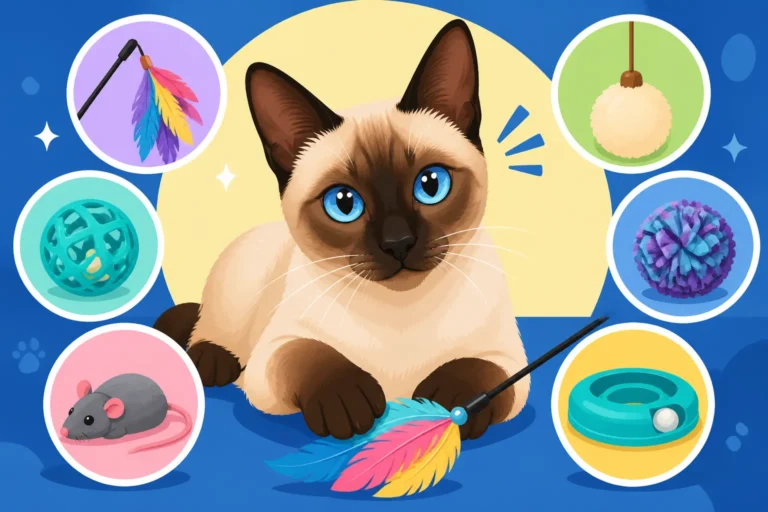
A bored Siamese cat is a vocal Siamese cat. Their intelligence means they need significant mental and physical stimulation to prevent them from creating their own (often noisy) entertainment. Providing ample enrichment is crucial for a happy, well-adjusted Siamese, and can often reduce excessive vocalizations born of boredom or frustration.
- Interactive Play: Dedicate regular, scheduled play sessions with wand toys, laser pointers, and other interactive toys. These cats love to hunt and chase. Aim for at least two to three 10-15 minute sessions a day.
- Puzzle Feeders: Instead of just putting food in a bowl, use puzzle feeders to make them "work" for their meals. This engages their minds and provides a healthy outlet for their intelligence. Brands like Chewy offer a wide variety of puzzle feeders suitable for different levels of difficulty, which can keep a Siamese occupied and mentally stimulated, redirecting their energy from incessant meowing.
- Vertical Space: Siamese cats love to climb and observe. Provide tall cat trees, wall-mounted shelves, and window perches.
- Companionship: These are incredibly social creatures. Often, a lonely Siamese will yowl for attention. Consider getting another cat, especially one that can match their energy and playfulness. Our article on Whether a Siamese Cat Needs a Companion Cat offers more insights into this important aspect of Siamese ownership.
- Outdoor Access (Safe!): If possible and safe, a "catio" or supervised leash walks can provide invaluable mental stimulation and curb boredom. Our guide on How to Leash Train a Siamese Cat could be a helpful resource here.
Behavior Modification Techniques (and their limits)
While you can't truly "train" a Siamese cat to be silent, you can absolutely modify when and why they vocalize excessively. The key is consistency and understanding feline communication.
- Identify the Cause: Is your cat yowling because they're hungry? Bored? Seeking attention? Needing the litter box cleaned? Address the underlying need first. For example, if it's mealtime yowling, try using a timed feeder or splitting meals into smaller, more frequent portions.
- Positive Reinforcement for Quiet: This is crucial. When your cat is quiet for a few moments, even if it's just a brief pause in their yowl-fest, reward them with praise, a small treat, or a stroke. The goal is to reward silence, not noise.
- Avoid Reinforcing Demands: This is the hardest part! If your cat is yowling for attention, try to ignore them until there's a moment of quiet, then reward them. If you immediately give in to their demands, you're teaching them that yelling works. This can be incredibly challenging, especially at 3 AM, but consistency is key.
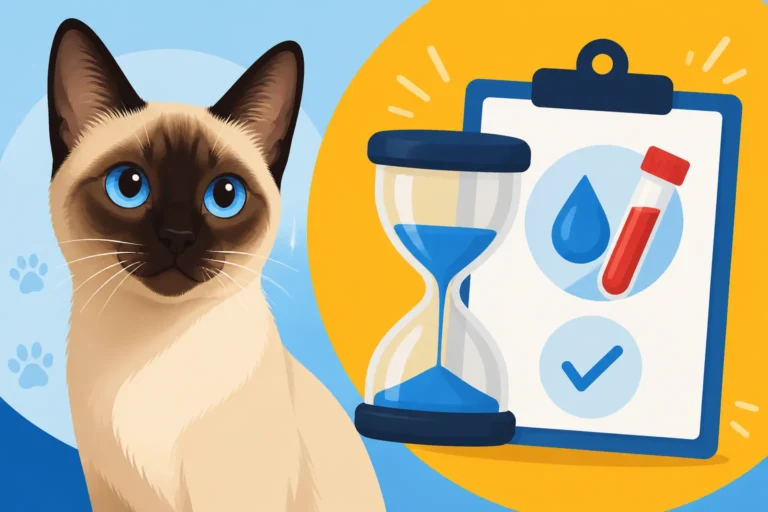
- Rule Out Medical Issues: Any sudden increase in vocalization in an adult cat warrants a vet visit. Pain, discomfort, hyperthyroidism, or even early cognitive dysfunction can manifest as increased vocalization. A thorough check-up is always the first step.
- Professional Help: If you're truly struggling, a certified feline behaviorist can provide tailored strategies and support.
It's vital to remember that punishment never works and can damage your bond with your cat. Yelling back, spraying water, or isolating them will only increase their anxiety and potentially worsen the vocalizations, making the situation even more stressful for everyone involved.
The Role of Health and Age in Vocal Changes
While the inherent vocal nature of Siamese cats is well-known, it's incredibly important for owners to distinguish between normal, albeit loud, communication and vocalizations that signal a deeper issue. Sometimes, a sudden or marked increase in talking can be a red flag for underlying health problems or the natural process of aging.
Medical Conditions Mimicking Excessive Vocalization
If your typically vocal Siamese suddenly becomes even more vocal, or if a previously quieter Siamese starts vocally expressing themselves with newfound intensity, it's time for a trip to the vet. There are several medical conditions that can cause a cat to become more vocal, and confusing these with typical Siamese behavior can delay crucial treatment.
- Hyperthyroidism: This is a common endocrine disorder in older cats, where the thyroid gland produces too much hormone. Symptoms often include weight loss despite a ravenous appetite, increased thirst and urination, and significantly increased vocalizations, particularly at night. This is a treatable condition, and catching it early is important.
- Pain or Discomfort: Cats are masters at hiding pain, but sometimes increased vocalization can be their way of communicating that something hurts. This could be anything from dental disease (a common issue in Siamese cats, as discussed in Why a Siamese Cat Loses Teeth Young) to arthritis, bladder infections, or internal discomfort.
- Cognitive Dysfunction Syndrome (CDS): Similar to dementia in humans, older cats can experience disorientation, confusion, and anxiety, leading to increased vocalization, especially at night. They might wander, seem lost, and yowl for no apparent reason.
- Deafness: As cats lose their hearing, they might start to yowl more loudly because they can't hear their own voice.
- Anxiety or Stress: While Siamese cats are naturally vocal, extreme stress or anxiety (perhaps due to a change in routine, a new pet, or a house move) can sometimes manifest as excessive, distressed vocalization.
Regular veterinary check-ups are paramount, especially as your Siamese ages. Early detection of conditions like hyperthyroidism or kidney disease can significantly improve their quality of life and longevity. Investing in pet insurance from providers like Healthy Paws can also provide peace of mind, helping to cover the costs of unexpected vet visits, diagnostics, and treatments for these types of conditions.
Aging and Increased Vocalization
It's a bittersweet reality that as our beloved Siamese cats enter their senior years, their vocalizations can sometimes intensify. This isn't always a sign of illness, but rather a combination of natural aging processes and sometimes, early cognitive decline.
An older Siamese cat might start to yowl more frequently, particularly at night. This can be due to several factors:
- Disorientation: As their cognitive functions begin to wane, senior cats can become disoriented, especially in the dark or quiet of night. They might forget where they are, or simply feel confused, leading to vocal protests. Our article Signs of Dementia in an Old Siamese Cat offers more detailed information on this.
- Reduced Senses: Hearing and vision can decline with age. A cat who can no longer see as well in low light, or whose hearing is failing, might feel more vulnerable and vocalize to "check in" with their surroundings or their human.
- Increased Need for Reassurance: Older cats can become more attached and dependent on their owners. They might simply be seeking reassurance that you're still nearby.
- Underlying Pain: As mentioned, chronic pain from conditions like arthritis can become more pronounced with age, leading to vocal expressions of discomfort, especially when moving or trying to get comfortable.
Caring for an older, more vocal Siamese requires immense patience and understanding. Providing a consistent routine, ensuring comfortable, accessible sleeping spots, and offering extra reassurance and gentle attention can help. Sometimes, a nightlight can help a disoriented senior cat, or a heated bed can soothe arthritic joints. It’s also crucial to continue regular vet check-ups to differentiate between normal aging changes and treatable medical conditions. As we discuss in Why an Old Siamese Cat Yowls More, these changes can be gradual but significant.
The Rescue Journey: What Happens Next
When the vocal demands of a Siamese cat become too much for an owner to handle, the sad reality is that these cats often end up in rescue shelters. This journey is stressful for everyone involved, and it highlights the urgent need for better education and preparation among potential adopters.
The Impact on Rescues and the Cats Themselves
For animal rescues, a Siamese cat surrendered due to vocalization presents a unique set of challenges. Firstly, rescues are often already operating at capacity, and taking in a vocal cat adds another layer of complexity. They need to provide a safe, calm environment, which can be difficult when one resident is constantly "talking."
Secondly, placing a highly vocal cat in a new home can be incredibly difficult. Rescues must be scrupulously honest with potential adopters about the cat's traits, which can deter many people. It often takes longer to find the right match for a Siamese with a powerful voice. The longer a cat stays in the shelter, the more stressed and potentially vocal they can become, creating a vicious cycle. The cat itself experiences immense stress and confusion. They've been removed from their home, their familiar people, and their routine, often without understanding why. This trauma can exacerbate their vocalizations in the shelter environment, making them seem even more challenging. This is just one of the reasons Why So Many Siamese Cats End Up in Rescue.
Finding the Right Home for a Vocal Siamese
Despite these challenges, finding the perfect home for a vocal Siamese is absolutely possible, and rescues dedicate significant effort to this. The key is finding an owner who not only understands but genuinely embraces the Siamese personality.
The ideal owner for a vocal Siamese is someone who:
- Has Realistic Expectations: They know what they're getting into and are prepared for a cat that will be a constant, chatty companion.
- Lives in a Suitable Environment: This might mean a detached house where neighbors aren't an issue, or an apartment with very understanding neighbors and excellent sound insulation.
- Is Patient and Empathetic: They understand that the vocalizations are part of the breed's nature and not a malicious act.
- Provides Ample Engagement: They are committed to providing daily interactive play, mental stimulation, and plenty of social interaction.
- Considers a Companion: For some Siamese, having another feline friend (perhaps even another vocal Siamese!) can help redirect some of their conversational energy.
- Prioritizes Health: They understand the importance of regular vet check-ups to rule out medical causes for increased vocalization, especially as the cat ages.
When a rescue finds such an individual or family, the bond formed with a Siamese can be incredibly deep and rewarding. These cats are loyal, intelligent, affectionate, and full of personality. For the right person, the constant chatter isn't a nuisance, but a delightful conversation with their beloved feline friend. Many rescues carefully screen adopters, sometimes using questions about lifestyle and experience to ensure a good match.
The beauty of a Siamese lies not just in their striking appearance, but in their vibrant, vocal spirit. For those prepared to listen, and respond, they offer a companionship unlike any other.
| Aspect | Potential "Con" (Why a Cat Might Go to Rescue) | Potential "Pro" (Why Owners Love It) |
|---|---|---|
| Vocalization | Loud, persistent, can disrupt sleep/neighbors | Highly communicative, feels like having a conversation, engaging |
| Attention Needs | Demanding, can't be ignored, shadows you | Extremely affectionate, forms deep bonds, always wants to be with you |
| Energy Level | Requires lots of play, can get bored easily | Playful, entertaining, keeps you active |
| Intelligence | Can be mischievous, gets into things | Quick to learn tricks, puzzle-solving, fascinating to observe |
| Impact on Home | Noise complaints, disrupts quiet activities | Adds lively presence, always a talking companion |
Disclaimer
This article is for general informational purposes only and does not constitute professional advice. Laws, prices and regulations vary by location and change over time. Consult a qualified professional for guidance on your specific situation.