Whether a Siamese Cat Needs a Companion Cat
Siamese cats are legendary for their vocal personalities and intense bond with their human companions, but many owners wrestle with a common question: do these highly social felines truly need another cat in their lives to thrive? It's a valid concern, often sparked by guilt when leaving a lonely Meezer or by observing their constant need for attention. This guide will explore the unique social requirements of the Siamese, help you identify if your cat is truly yearning for a feline friend, and walk you through the practicalities and considerations of bringing a new companion into your home.
The Siamese Cat's Unique Need for Connection
It's no secret that Siamese cats aren't your typical aloof felines. They're often described as dog-like in their devotion and their constant desire to be involved in whatever you're doing. This isn't just a cute quirk; it's deeply ingrained in their personality and history. They thrive on interaction, conversation, and physical closeness, which can sometimes lead owners to wonder if they're providing enough.
More Than Just a Pet: A Family Member Who Expects Interaction
A Siamese cat truly sees themselves as an integral part of your family, not just a creature living in your house. They want to be in the middle of everything, offering their "two cents" with their distinctive voice, following you from room to room, and often perching on your shoulder or lap while you work or relax. This constant engagement means they need a lot of mental and emotional stimulation. If you're a busy household, or if you live alone and work long hours, the sheer volume of interaction a Siamese craves can be a significant challenge to meet single-handedly. They expect you to understand their many vocalizations and respond in kind, making them quite demanding companions. The Siamese Cat Talks and Expects an Answer is a classic example of this breed's communicative nature.
Why Solitude Can Be Especially Hard for a Siamese
While many cat breeds can tolerate being alone for significant periods, a Siamese often struggles. Their deeply social nature means extended periods of solitude can lead to boredom, anxiety, and even destructive behaviors. Imagine a person who thrives on social interaction suddenly finding themselves isolated for hours every day. That's often how a Siamese feels. They miss the constant chatter, the shared warmth, and the playful wrestling that they naturally seek. This isn't to say every Siamese will suffer, but the breed is certainly predisposed to feeling the absence of interaction more keenly than most. This intense need for company is a big reason why the question of a second cat comes up so often.
Signs Your Siamese Cat Might Benefit from a Companion
How do you know if your Siamese is genuinely lonely or just being, well, a Siamese? It can be tricky to differentiate between typical Meezer antics and true distress. However, there are some clear indicators that your cat might be longing for more consistent feline interaction than you can provide.
Behavioral Cues Indicating Loneliness or Boredom
If your Siamese is particularly clingy, vocalizing excessively even when you are present and giving them attention, or engaging in destructive behaviors, it could be a cry for help. A lonely Siamese might follow you around even more than usual, constantly seeking attention or becoming an obstacle underfoot. You might notice them pacing, staring out windows with a mournful yowl, or becoming restless. Some even become overly focused on you, exhibiting signs of separation anxiety, such as destructive chewing or inappropriate urination, which can be devastating for both cat and owner. What Separation Anxiety Looks Like in a Siamese Cat delves deeper into these specific behaviors. This isn't just about a cat acting out; it's about a cat whose fundamental social needs aren't being met.
Physical and Emotional Manifestations of Stress
Beyond overt behaviors, loneliness and stress can manifest in more subtle ways in a Siamese. You might observe changes in their eating habits, either eating less due to anxiety or overeating as a coping mechanism. Excessive grooming, to the point of bald patches (known as psychogenic alopecia), can be a sign of underlying stress. They might become more withdrawn or, conversely, more aggressive towards you or other pets out of frustration. Look at their eyes: are they bright and engaged, or do they seem a little duller, a bit more vacant? A Siamese that is feeling emotionally fulfilled and stimulated is generally a vibrant, interactive, and playful cat. If you're seeing a shift from this baseline, it's worth considering the role companionship might play.
Weighing the Benefits of a Second Cat
Bringing a second cat into the home is a big decision, but for a Siamese, the benefits of a well-chosen companion can be truly transformative for their well-being and happiness. It's about enriching their lives in ways that even the most devoted human owner simply cannot replicate.
Enhanced Mental and Physical Stimulation
A companion cat provides constant, unpredictable interaction that a human, no matter how dedicated, can't always offer. This means spontaneous wrestling matches, chase games through the house, and mutual grooming sessions that keep both cats mentally engaged and physically active. When you're at work or asleep, they'll have a playmate to burn off energy and satisfy their natural hunting instincts in a safe, appropriate way. This can significantly reduce boredom-induced mischief and ensure your Siamese maintains a healthy weight and musculature. It’s like having a built-in playgroup available 24/7. Chewy offers a fantastic range of interactive toys and cat trees that can accommodate multiple cats, providing vertical space and enrichment for both.
Reduced Anxiety and a Sense of Security
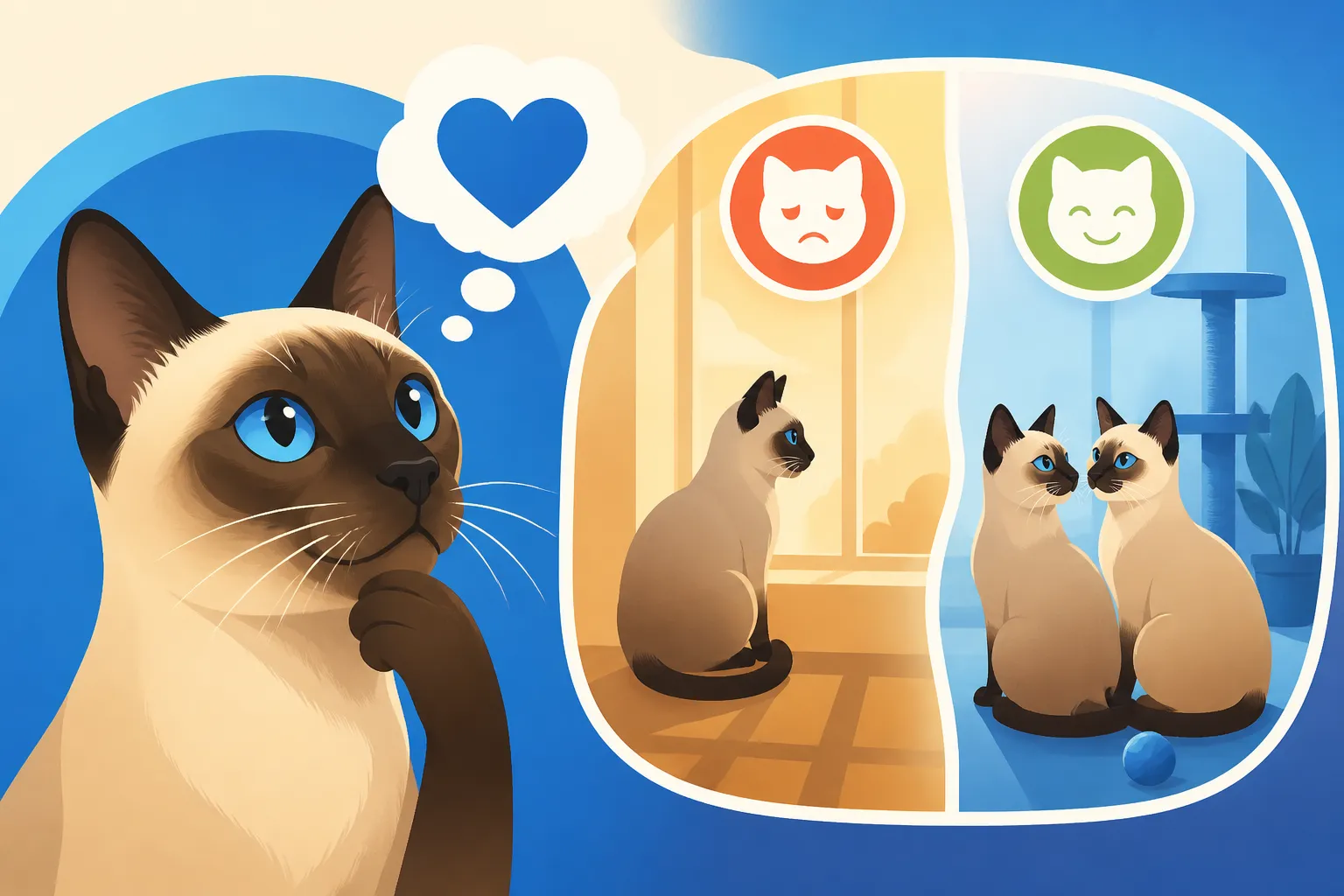
For a highly social breed like the Siamese, having another feline presence can provide immense comfort and reduce anxiety, particularly separation anxiety. Knowing they're not truly alone can make a huge difference in their overall demeanor. They have a living, breathing creature to cuddle with, to seek comfort from during thunderstorms, or to simply share a sunbeam with. This shared sense of security can make them calmer, more confident, and less reliant on you for every single interaction. A Siamese Cat Should Not Live Alone often rings true for many owners who witness the positive change a companion brings.
Sharing Affection and Warmth
Siamese cats are notorious for their need for physical closeness, not just with humans but often with other felines as well. You'll frequently find a pair of Siamese cats curled up together, intertwined in a purring heap. This mutual grooming and shared warmth fulfill a deep-seated instinct for connection and belonging. They speak a language with each other—a series of trills, chirps, and body language—that no human can fully replicate. This deep bond fosters a sense of contentment and reduces the burden on you to be their sole source of affection and attention. Whether a Siamese Cat Is Happier in a Pair explores this phenomenon beautifully.
Understanding the Challenges of Adding a Companion
While the benefits of a companion for a Siamese can be profound, it's crucial to go into this decision with open eyes. Adding a second cat isn't just about double the cuteness; it's double the responsibility and potential for challenges.
Increased Financial Commitment
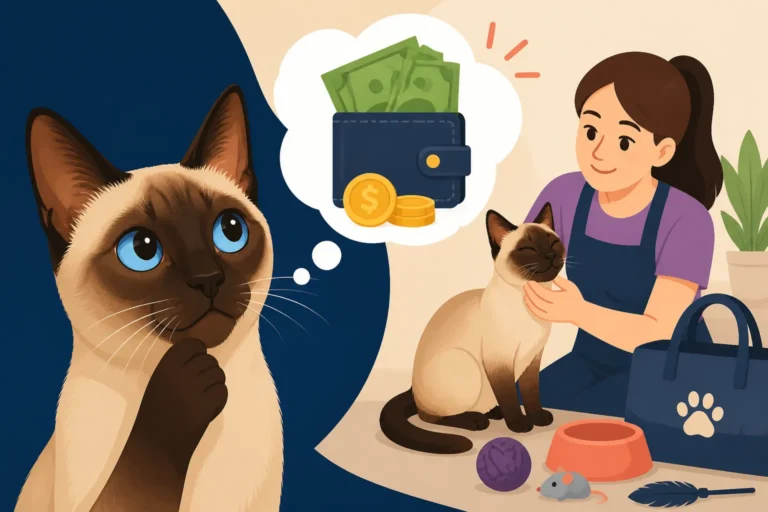
This is often the first hurdle many prospective multi-cat owners face. Two cats mean double the food, double the litter, and double the veterinary care. Routine check-ups, vaccinations, and parasite prevention now apply to two creatures. More alarmingly, if one cat gets sick, or if the new cat comes with unforeseen health issues, your vet bills can skyrocket. This is where pet insurance can be a lifesaver. Companies like Healthy Paws can help mitigate unexpected costs for accidents and illnesses, but it's still an added monthly expense. You'll also need more toys, bigger cat trees (or multiple smaller ones), and potentially more cat beds. What a Second Cat Costs a Siamese Cat Owner is a sobering but necessary read for anyone considering this step.
| Expense Category | Single Siamese Cat | Two Siamese Cats (Estimate Increase) | Notes |
|---|---|---|---|
| Food | Moderate | Significant | Quality food can add up, but nutrition is key. |
| Litter & Supplies | Moderate | Significant | More litter boxes, more litter usage. |
| Veterinary Care | Moderate | Significant | Annual exams, vaccinations, potential emergency care. |
| Pet Insurance | Optional/Moderate | Recommended/Significant | Healthy Paws can protect against large unexpected bills. |
| Toys & Enrichment | Moderate | Moderate to Significant | Need enough items to prevent competition and boredom. |
| Grooming Supplies | Low | Low to Moderate | Short-haired Siamese need minimal grooming, but two still need brushes. |
| Boarding/Sitter | Moderate | Significant | Finding a sitter for two might cost more. |
| Total Impact | Manageable | Substantial | Be prepared for a notable increase in your monthly and annual budget. |
Note: Specific costs vary widely based on location, brand choices, and individual cat needs.
The Potential for Personality Clashes
Just like humans, not all cats get along. You can't simply drop two cats together and expect instant friendship. A Siamese is very particular about their space and their chosen companions. Introducing a new cat, especially if they have a very different personality, can lead to stress, territorial disputes, and even aggression. An older, sedate Siamese might not appreciate the boundless energy of a kitten, and a shy, introverted new cat might be overwhelmed by a boisterous Meezer. It requires careful planning and a slow, patient introduction process to ensure both cats can eventually coexist peacefully, or ideally, become fast friends. How to Introduce a Siamese Cat to a Resident Cat provides excellent guidance on this delicate process.
Doubled the Potential for Noise and Mischief
One Siamese cat can be a handful with their legendary vocalizations and mischievous nature. Two Siamese cats? Well, some owners jokingly say it's like having a full-time circus. Whether Two Siamese Cats Are Louder is a question many ponder, and the answer is often a resounding "yes!" When they're playing, chasing, and "talking" to each other, the volume can definitely increase. They might egg each other on, leading to more climbing, counter-surfing, and general exploration of forbidden territories. While this can be a joyful sight, it also means double the potential for things to be knocked over, for curtains to be climbed, and for an adventurous duo to find ways into places you thought were cat-proof.
How to Successfully Introduce a New Feline Friend
If you've weighed the pros and cons and decided that a companion cat is right for your Siamese, the next step is crucial: a thoughtful and gradual introduction. Rushing this process can set back their relationship and cause unnecessary stress for both animals.
Choosing the Right Match
The success of your multi-cat household largely hinges on selecting a compatible companion. Consider the age, energy level, and personality of your current Siamese. A kitten might be a good match for a younger, energetic Siamese, as kittens are generally more adaptable and less threatening to an established cat. An older, more mellow Siamese might prefer a calm adult cat. Often, another Siamese or an Oriental breed (like an Oriental Shorthair or Balinese) can be an excellent choice because they share similar energy levels and communication styles. Avoid bringing home a cat that is overly dominant or extremely shy if your Siamese has a strong personality. Which Companion Suits a Siamese Cat provides excellent insights into this selection process.
The Slow and Steady Introduction Process
Forget the idea of just letting them meet face-to-face right away. A proper introduction takes time, sometimes weeks or even months. Start with scent swapping: exchange blankets or toys between the new cat's space (a spare room is ideal) and your Siamese's territory. Then, move to supervised visual introductions through a baby gate or screen door, allowing them to see and smell each other without direct contact. Offer high-value treats during these sessions to create positive associations. Gradually increase the time they spend together, always supervised, and separate them if any signs of aggression or extreme fear appear. Patience is truly a virtue here. Remember, your goal is a harmonious household, not a forced friendship.
Providing Ample Resources and Space
Even after a successful introduction, it's vital to ensure there are enough resources for both cats to feel secure and prevent competition. This means multiple litter boxes (the general rule is one per cat plus one extra), separate food and water bowls, and plenty of vertical space like cat trees and shelves where they can escape to if they need a break. Each cat should have their own safe sleeping spots, whether it's a bed, a box, or a cozy corner. By providing an abundance of everything, you minimize the potential for territorial disputes and allow them both to feel secure in their shared home. Keeping them well-fed with quality food can help keep hunger-related squabbles at bay, and ensuring they have fresh water from multiple sources (perhaps a fountain and a bowl) prevents competition.
In conclusion, while a Siamese cat doesn't necessarily need a companion in the same way they need food and water, their deeply social nature often means they thrive with another feline friend. It's not a decision to be taken lightly, considering the financial and emotional commitment, but for many Siamese owners, the joy of seeing two Meezers playing, cuddling, and chattering together makes it an incredibly rewarding experience.
Disclaimer
This article is for general informational purposes only and does not constitute professional advice. Laws, prices and regulations vary by location and change over time. Consult a qualified professional for guidance on your specific situation.