What a Siamese Cat Kitten Should Eat
Bringing home a tiny Siamese kitten is an absolute joy, isn't it? Their boundless energy, their adorable little chirps, and those piercing blue eyes just steal your heart right away. But that initial glow can quickly give way to a wave of anxiety when you stand in the pet food aisle, staring at a dizzying array of tiny bags and cans, all proclaiming to be the "best" for your new furry family member. It’s enough to make any new cat parent, especially one with a high-energy Meezer, feel completely overwhelmed and unsure if they’re making the right choice. This guide is here to cut through the confusion and help you confidently choose what your Siamese cat kitten should eat to thrive.
The Nutritional Foundation for a Growing Siamese Kitten
Those adorable, spindly legs and powerful voices might make you think Siamese kittens are just miniature adult cats, but their nutritional needs are fundamentally different. They're tiny bundles of energy, growing at an astonishing rate, and their bodies require a specific fuel to build strong bones, healthy muscles, and a robust immune system. It’s not just about more food; it’s about different food.
Why Kittens Need Different Food Than Adult Cats
Think about a human baby versus an adult. A baby needs certain nutrients in concentrated forms to support their incredibly rapid development, learning to walk and talk and explore the world. Kittens are no different. From the moment they arrive, they are in a period of intense growth and development. Their bones are lengthening, their muscles are strengthening, their brains are wiring, and their immune systems are maturing. All of this demands a lot of calories and a very specific balance of nutrients that simply isn't present in adult cat food.
Adult cat food is formulated for maintenance, for a cat that has reached its full size and just needs to sustain its current health. Kitten food, on the other hand, is packed with higher levels of protein and fat to fuel that incredible growth spurt. Imagine trying to build a skyscraper with the same amount of cement you'd use for a garden shed; it just wouldn't work! Kittens are little construction projects, and they need the right building blocks. If you accidentally feed your Siamese kitten adult food, they won't get enough of these crucial elements, and their growth could be stunted, their immune system compromised, and their overall development hindered. It's a common mistake, but an important one to avoid for the sake of your kitten's long-term health.
Essential Nutrients for Optimal Siamese Kitten Health
So, what exactly are these vital building blocks your Siamese kitten needs? It boils down to a few key players: protein, fat, vitamins, and minerals. Because Siamese cats tend to be naturally lean and incredibly active, their need for high-quality, easily digestible nutrition is particularly pronounced right from the start.
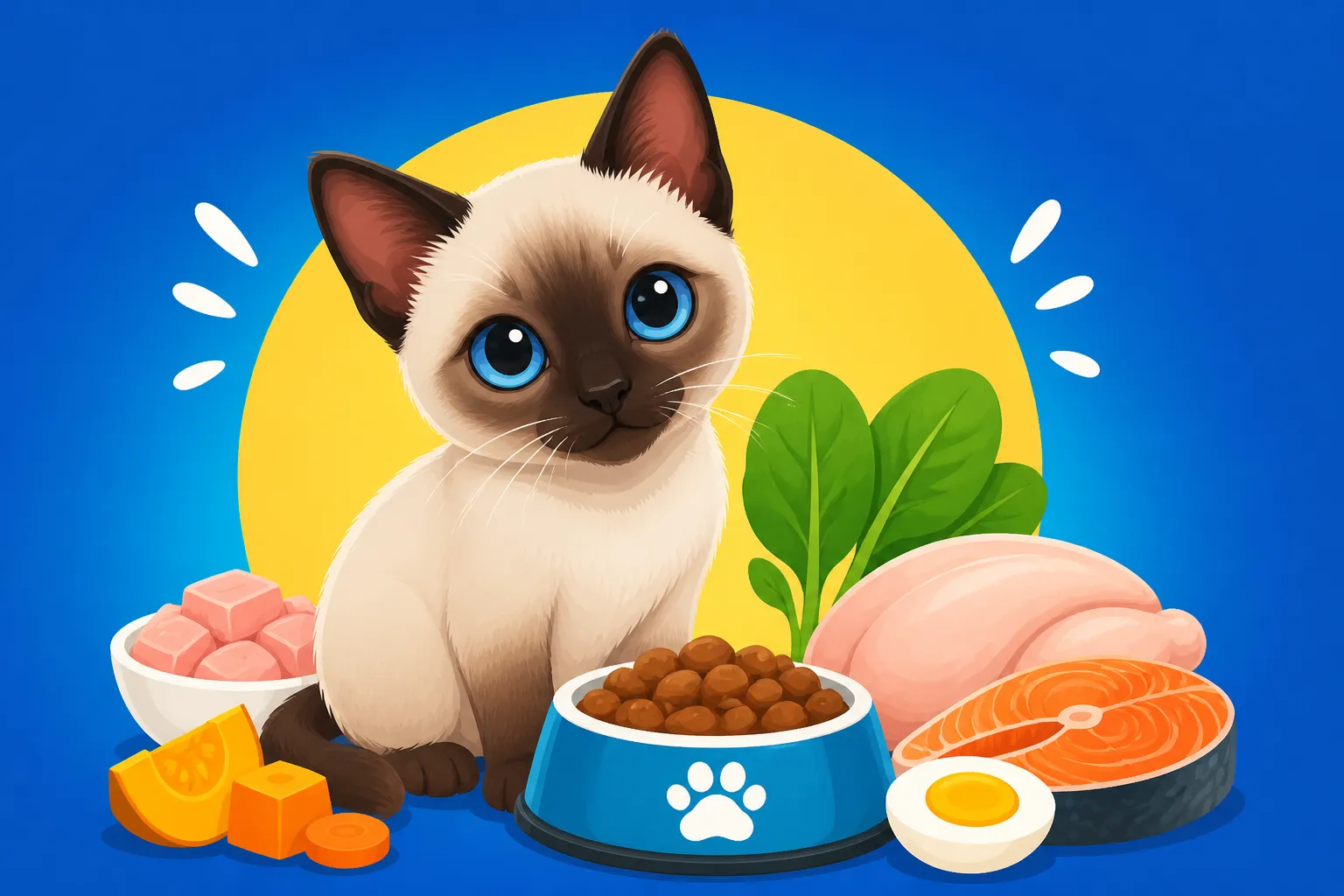
First up, protein. This is non-negotiable. Kittens, especially high-metabolism breeds like the Siamese, need a diet rich in high-quality animal-based protein. Look for ingredients like chicken, turkey, salmon, or beef as the first few ingredients on the label. This isn't just about muscle growth; protein provides essential amino acids like taurine, which is absolutely critical for heart health and vision in felines. A growing kitten needs a much higher percentage of protein in their diet than an adult cat, often upwards of 30-40% on a dry matter basis. Without enough high-quality protein, their muscles won't develop properly, and their unique lean physique won't have the strong foundation it needs.
Next, fats. While we humans often try to cut down on fat, for kittens, it's an energy powerhouse and crucial for many bodily functions. Healthy fats provide concentrated calories, which is essential for a kitten's high energy demands. Look for omega-3 and omega-6 fatty acids. Specifically, DHA (docosahexaenoic acid), an omega-3 fatty acid, is vital for the development of your kitten's brain and eyes. These fats also contribute to that sleek, shiny coat Siamese cats are known for, and help absorb fat-soluble vitamins. A lack of these good fats can lead to dull fur, flaky skin, and even cognitive developmental issues.
Then we have vitamins and minerals. These might be needed in smaller quantities, but they play monumental roles. Calcium and phosphorus, for example, are crucial for bone and teeth development. However, the ratio between them is just as important as the amounts themselves. Too much of one or not enough of the other can lead to skeletal issues. Vitamins like A, D, E, and the B-complex vitamins support everything from vision and immune function to energy metabolism. A well-formulated kitten food will have these balanced perfectly. This is particularly important when considering a breed like the Siamese, which grows into a tall, slender cat with fine bones. Ensuring proper bone development now can prevent problems down the line.
Deciphering the Siamese Kitten Food Market
Walking into a pet store or browsing online can feel like navigating a maze, especially with all the different food types and ingredient lists. Dry, wet, grain-free, limited ingredient… how do you even begin to choose what’s best for your energetic Siamese kitten? The good news is, once you understand the basics, you can make informed decisions that align with your kitten's specific needs.
Dry Kibble vs. Wet Food: Pros and Cons for Siamese Kittens
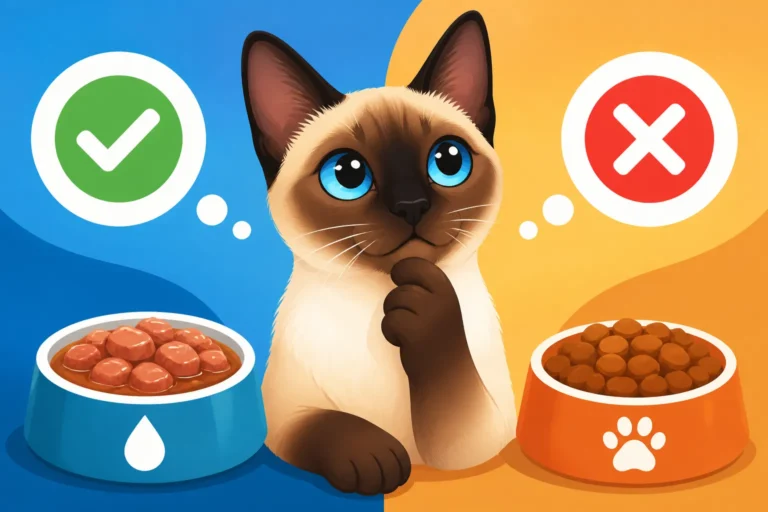
This is one of the most common debates among cat owners, and honestly, there's no single right answer for every kitten. Many owners find a combination works best.
Dry Kibble:
- Pros: It's incredibly convenient to store and serve, often more budget-friendly, and can be left out for free-feeding, which some Siamese kittens with their high metabolism appreciate (though controlled portions are often better). Some people suggest it helps with dental health by scraping teeth, but the effect is minimal compared to actual dental care.
- Cons: The biggest drawback is usually its low moisture content. Cats, by nature, don't have a strong thirst drive and are designed to get much of their hydration from their food. If your Siamese kitten eats only dry food, they might not drink enough water to compensate, potentially leading to long-term urinary or kidney issues. Given the active lifestyle of a Siamese, staying adequately hydrated is paramount. Additionally, dry kibble often contains more carbohydrates than wet food, which isn't ideal for a feline's carnivorous diet.
Wet Food (Canned or Pouched):
- Pros: High moisture content is a massive advantage, helping keep your Siamese kitten well-hydrated. This is especially beneficial for breeds known for being active, like the Siamese, who might not always pause to drink enough water from their bowl. Wet food is often more palatable, meaning even a fussy eater might gobble it right up. It also typically has a higher protein and lower carbohydrate content, which is more aligned with a cat's natural diet.
- Cons: It's generally more expensive than dry kibble. Once opened, it needs to be refrigerated and used quickly, making it less convenient for leaving out all day. Some owners also worry it doesn't offer the same "dental cleaning" benefits as kibble, which is true. However, regular How Often a Siamese Cat Needs a Dental and at-home dental care are far more effective anyway.
Many breeders and vets recommend a mixed diet: offering a combination of wet and dry food. This provides the hydration benefits of wet food while allowing for the convenience of dry. You might offer wet food for a couple of meals a day and leave a small, measured amount of dry food out for snacking, or alternate days. When you’re browsing options on sites like Chewy or Amazon, you'll find a vast selection of both to consider.
Understanding Food Labels and Ingredients
Learning to read a pet food label is like learning a secret language, but once you crack the code, you'll feel so much more empowered. This is where you really get to understand what's going into your growing Siamese kitten's body.
The first thing to look for is an AAFCO statement. This isn't a brand, but rather the Association of American Feed Control Officials. An AAFCO statement indicates that the food is "complete and balanced" for a specific life stage – in this case, "for growth" or "for all life stages," which would include kittens. If a food doesn't have this, steer clear; it's likely a supplemental food, not meant to be a sole diet.
Next, dive into the ingredient list. This is where the real story is told. Ingredients are listed in descending order by weight. For your carnivorous Siamese kitten, the first few ingredients must be high-quality animal proteins. Think "chicken meal," "deboned salmon," "turkey," "duck," etc. "Meal" isn't a dirty word here; it just means the meat has been rendered to remove water, making it a concentrated source of protein. Whole meats contain a lot of water before processing, so while good, "chicken meal" can sometimes be a more potent protein source. Avoid foods where grains, corn, or unnamed "meat by-products" (unless specified, like "chicken liver") are among the first ingredients.
Speaking of by-products, there's a lot of misunderstanding here. Quality by-products, like organ meats (liver, heart), can be highly nutritious. They're what a cat would naturally eat in the wild. The issue comes with vague terms like "animal by-products" which could be anything. Be discerning!
Carbohydrates: While cats don't have a dietary need for carbohydrates, a small amount is often present in kibble to help bind the food together. However, look for foods that keep carbs relatively low. Grains like corn, wheat, and soy are common fillers but offer little nutritional value to a cat. If you see these high up on the ingredient list, it might not be the best choice for your Siamese.
Finally, check for preservatives and artificial colors/flavors. Many high-quality kitten foods use natural preservatives like Vitamin E (tocopherols). Artificial additives are unnecessary and best avoided. Detailed ingredient lists and explanations can help you compare formulas and understand exactly what's in them.
Feeding Schedule and Quantity for a Siamese Kitten
Once you've chosen the right food, the next hurdle is figuring out how much and how often to feed your tiny tiger. Siamese kittens are known for their boundless energy, which means they burn through calories pretty quickly! Getting the feeding routine right is crucial for their steady growth and overall well-being.
How Much and How Often to Feed Your Growing Meezer
Imagine trying to run a marathon on just one meal a day – impossible, right? Your Siamese kitten is basically in a constant state of growth and high activity, so they need frequent, smaller meals to keep their energy levels up and their metabolism humming.
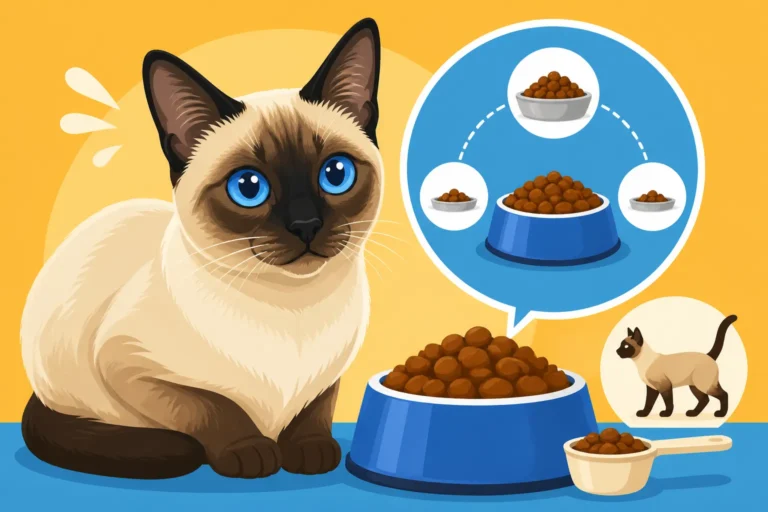
For very young kittens (around 8-12 weeks old), aim for 3 to 4 meals a day. Their stomachs are small, and their energy demands are high. Spreading out their caloric intake ensures they get the nutrients they need without overfilling their tiny tummies. As they get a bit older, say around 4-6 months, you can usually reduce this to 2-3 meals a day. Once they hit about 6-12 months, you'll generally be looking at 2 meals a day, much like an adult cat, though some particularly active Siamese might still benefit from three.
When it comes to quantity, this isn't a "one size fits all" answer. The best starting point is always the feeding guidelines on the food package. These are usually broken down by weight and age. However, remember these are just guidelines! Your Siamese kitten might be more active than average, or have a slightly faster metabolism, and therefore need a little more. How Many Calories a Siamese Cat Needs a Day can be surprisingly high for such a lean animal.
Portion control is generally recommended over free-feeding (leaving food out all day). While free-feeding can work for some highly active Siamese kittens who self-regulate, it often leads to overeating and potential weight issues down the line. It also makes it harder to monitor their appetite, which is a key indicator of health. If your kitten suddenly stops eating their usual amount, that's a red flag. Signs a Siamese Cat Is Unwell often include changes in appetite. By providing measured meals, you maintain control and awareness. Using a food puzzle can also slow down a speedy eater and provide mental enrichment.
Transitioning Food and Monitoring Growth
Life with a kitten is all about transitions, and food is one of the most important ones. Whether you're switching brands, moving from kitten to adult food, or introducing a new type of food, it needs to be done gradually to avoid upsetting your kitten's sensitive digestive system.
If you're bringing a new kitten home, try to get a supply of the food they were eating at the breeder or rescue. Sudden dietary changes can cause stomach upset, vomiting, or diarrhea, which is the last thing you want for a new kitten. Once they're settled, if you plan to switch foods, do it slowly over a period of 7-10 days.
Here’s a typical transition schedule:
- Days 1-3: 75% old food, 25% new food
- Days 4-6: 50% old food, 50% new food
- Days 7-9: 25% old food, 75% new food
- Day 10+: 100% new food
During this transition, keep a close eye on your kitten's stool and overall behavior. Any signs of digestive upset mean you should slow down the transition even further.
Monitoring growth is vital. Your vet will do this at regular check-ups, but you can also keep an eye on things at home. Your Siamese kitten should be steadily gaining weight, maintaining good energy levels, and sporting a shiny coat. You shouldn't see their ribs prominently, but they should also remain lean and athletic, not chubby. Regular weigh-ins at home (using a small kitchen scale if they're cooperative!) can be helpful. This is especially true given how naturally lean Why a Siamese Cat Stays So Thin can be, making it tricky to distinguish healthy leanness from being underweight. You can refer to guides like What a Siamese Cat Kitten Should Weigh to get a general idea of healthy weight ranges, but always consult your vet for personalized advice.
So, when do you transition from kitten food to adult food? Generally, most Siamese cats are considered adults around 12 months of age. Some larger or slower-maturing breeds might stay on kitten food a bit longer, but for the average Siamese, their first birthday is a good milestone. Always consult your vet, as they can assess your individual kitten's growth and determine the best time for the switch. You'll find a more in-depth discussion on this in How Long a Siamese Cat Stays on Kitten Food.
Here’s a quick overview of how food types compare for kittens:
| Food Type | Key Benefit | Potential Drawback | Hydration Level | Dental Benefit (Direct) | Primary Role for Kittens |
|---|---|---|---|---|---|
| Dry Kibble | Convenience, Cost | Low Moisture, Higher Carbs | Low | Minimal | Energy density, ease of storage, often preferred for free-feeding (with caution) |
| Wet Food | High Moisture, Palatability | Higher Cost, Perishable | High | None | Excellent hydration, higher protein/lower carbs, highly palatable |
| Raw/Homemade* | Natural Ingredients | Nutritional Imbalance Risk | Varies | Minimal | Can be good with professional formulation, very high cost/effort |
*Always consult a vet or feline nutritionist before attempting a raw or homemade diet to ensure complete nutritional adequacy for a growing kitten.
Special Considerations and What to Avoid
As a loving Siamese cat parent, you naturally want to provide the absolute best for your kitten. But sometimes, even with the best intentions, we can make mistakes or overlook potential dangers. Knowing what to avoid and common pitfalls can save you a lot of worry and vet visits.
Common Feeding Mistakes and Their Impact
Even experienced cat owners can slip up, so don't feel bad if you recognize some of these. The key is learning and adjusting for your kitten's future.
One of the most common mistakes is overfeeding or underfeeding. With their high metabolism, you might think your Siamese kitten needs to eat constantly, but too much food can lead to obesity, which puts a strain on their developing joints and organs. On the flip side, underfeeding, or feeding an adult cat food to a kitten, means they aren't getting the vital nutrients for growth, potentially leading to developmental issues, a weak immune system, and a generally unhealthy start. Always refer to your chosen food's guidelines, adjust based on your kitten's activity level, and monitor their body condition. If you notice your kitten is getting too thin or too plump, consult your vet.
Another frequent error is switching foods too quickly. We talked about this a bit already, but it bears repeating because it's such a common cause of digestive upset. Your kitten's gut microbiome is delicate, and sudden changes can throw it into disarray, leading to diarrhea or vomiting. This is distressing for everyone involved and can even lead to dehydration in a small kitten. Patience is key when introducing any new food.
Feeding human food is another area where good intentions can go awry. While a tiny nibble of plain cooked chicken might seem harmless, many human foods are toxic to cats, or simply not nutritionally appropriate. For instance, too much fat can cause pancreatitis, and salty foods can lead to electrolyte imbalances. It's best to stick to commercially prepared, complete and balanced kitten food. If you're wondering How Much an Adult Siamese Cat Eats of treats, it's generally very little, and those should be cat-specific.
Finally, not providing enough fresh water is a critical mistake, especially if your Siamese kitten eats mostly dry kibble. Cats are famously bad at drinking enough water from still sources. Make sure there are multiple fresh water bowls around the house, ideally ceramic or stainless steel, changed daily. Some Siamese cats love playing with water, and a pet water fountain can often encourage them to drink more. Staying hydrated is paramount for kidney and urinary tract health, which are common concerns for cats as they age.
Foods to Absolutely Never Feed Your Siamese Kitten
This section is about potential poisons and serious health risks. These are not just "unhealthy" foods; they are dangerous.
- Chocolate: Contains theobromine, which is highly toxic to cats and can cause vomiting, diarrhea, tremors, seizures, and even death.
- Onions, Garlic, Chives: These all belong to the Allium family and can damage a cat's red blood cells, leading to anemia. Even small amounts, especially concentrated forms like garlic powder, can be dangerous.
- Grapes and Raisins: The toxic mechanism isn't fully understood, but even small amounts can cause acute kidney failure in cats.
- Xylitol: This artificial sweetener, found in many sugar-free gums, candies, and even some peanut butters, is highly toxic. It can cause a rapid drop in blood sugar (hypoglycemia) and liver failure.
- Alcohol: Even small amounts can cause serious issues, including vomiting, diarrhea, disorientation, tremors, coma, and death. Never offer your cat alcoholic beverages.
- Raw Dough: Yeast in raw dough can expand in a cat's stomach, causing painful bloating and potentially alcohol toxicosis as the yeast ferments.
- Caffeine: Found in coffee, tea, and energy drinks, caffeine is a stimulant that can cause restlessness, rapid breathing, heart palpitations, and muscle tremors.
- Bones (cooked): Cooked bones can splinter and cause choking or serious internal damage, including perforations in the digestive tract. Raw bones are also risky for bacterial contamination.
- Dairy Products: While the image of a cat lapping milk is iconic, most cats are lactose intolerant after weaning. Giving milk can cause digestive upset like diarrhea. Water is always the best hydration source.
- Avocado: Contains persin, which can be mildly toxic to cats, causing vomiting and diarrhea.
- Tuna (human grade, regularly): While a tiny flake as a rare treat might be okay, regularly feeding human-grade tuna can lead to thiamine deficiency and mercury poisoning, as it's not nutritionally balanced for cats.
Always keep these items out of your Siamese kitten's reach. Your inquisitive little Meezer, with their intelligence and climbing prowess, can get into places you might not expect. If you suspect your kitten has ingested any of these toxic items, contact your veterinarian immediately or call a pet poison helpline. It's always better to be safe than sorry when it comes to their health.
Disclaimer
This article is for general informational purposes only and does not constitute professional advice. Laws, prices and regulations vary by location and change over time. Consult a qualified professional for guidance on your specific situation.