Why a Siamese Cat Burns Calories Fast
It’s a common scenario for Siamese cat owners: you watch your lean, lithe companion devour a hearty meal, only to marvel moments later at their seemingly endless energy, darting around the house like a furry blur. You might even wonder if they have a secret internal furnace, constantly burning through every calorie they consume at an astonishing rate. If this sounds familiar, you're not alone in your observations, and this guide is here to shed some light on the fascinating physiological and behavioral reasons why your Siamese cat seems to burn calories so fast.
The Siamese Cat's Unique Physiology and Metabolism
Siamese cats are truly remarkable creatures, known not just for their striking appearance and vocal prowess, but also for their incredibly athletic builds and boundless energy. This combination isn't just for show; it's a fundamental part of their genetic makeup that contributes directly to their high metabolic rate.
A High-Energy Breed with a Svelte Build
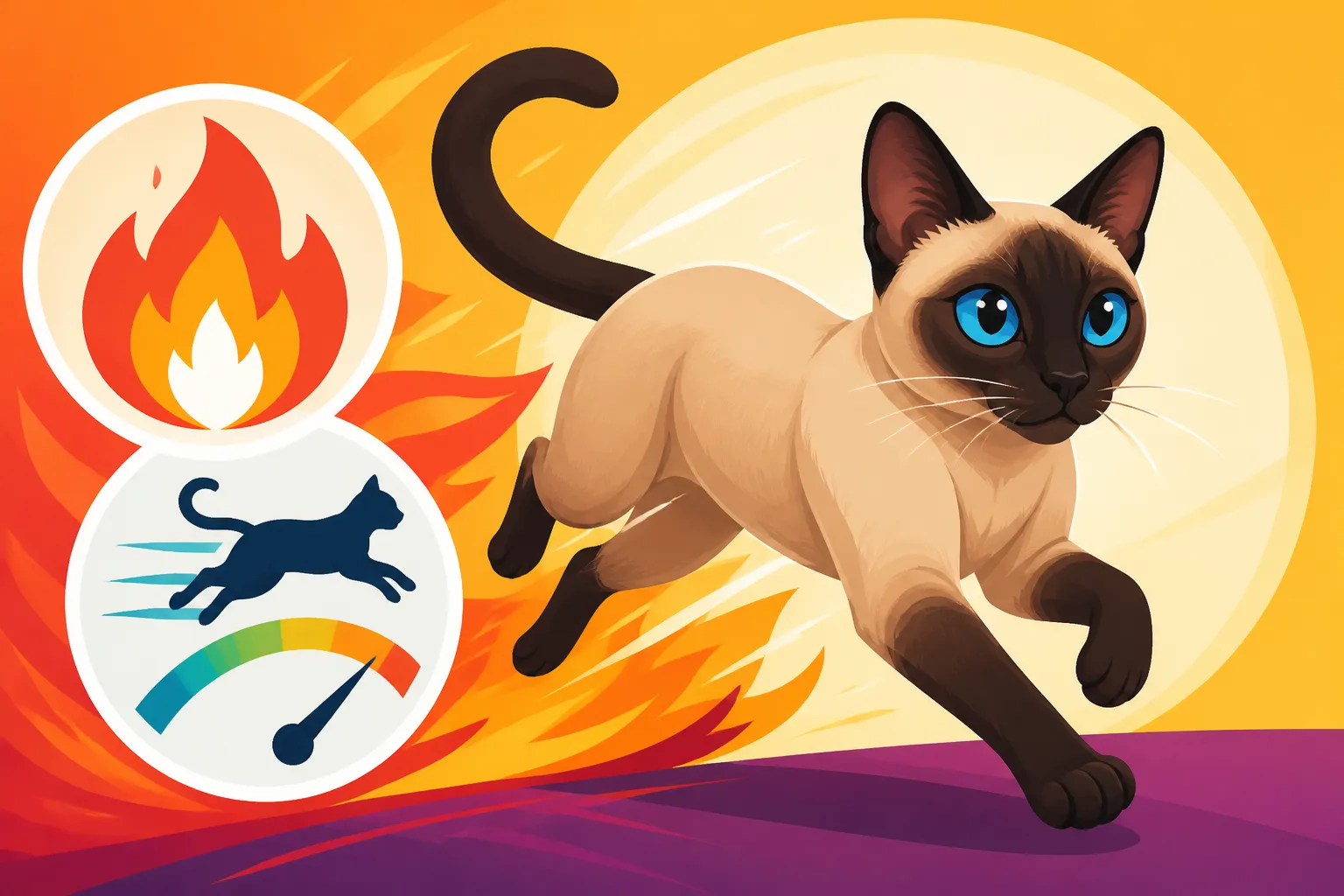
From their sleek, tubular bodies to their long, muscular legs, Siamese cats are built for activity. They are inherently lean, a trait that has been selectively bred for generations, resulting in a cat that carries very little excess body fat. Think of them as feline athletes – their physique is optimized for agility, speed, and sustained bursts of energy, which naturally demands a higher caloric output to maintain. Unlike some other breeds that might be more sedentary or stockier in build, the Siamese is almost always in motion, even when appearing to rest, their minds are often alert and engaged. This constant internal readiness contributes to a baseline metabolic rate that's higher than many of their feline cousins. It's why many owners find their Siamese feels quite Why a Siamese Cat Feels Bony even when they are perfectly healthy and well-fed. Their compact musculature is dense, and they carry it with an elegance that belies their powerful internal engine.
This genetic predisposition means their bodies are naturally inclined to be efficient calorie burners. They convert food into energy with remarkable speed, which then fuels their characteristic playfulness and inquisitiveness. It’s not just about running around; it’s about every muscle fiber, every nerve impulse, working at a slightly elevated pace. This constant state of 'go' means that even when they’re simply observing the world from a windowsill, their systems are ticking over at a higher rate. This makes understanding their dietary needs even more critical, as underestimating their energy requirements can lead to them becoming genuinely underweight rather than just healthily lean.
The Role of the Thyroid Gland
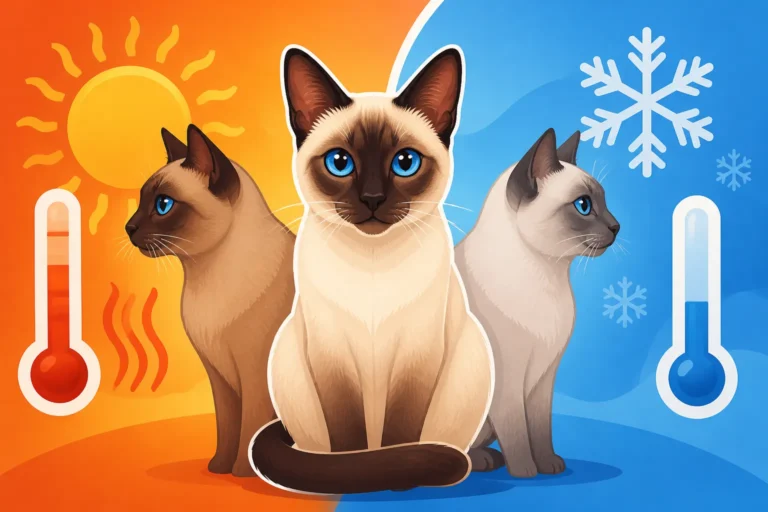
The thyroid gland plays a crucial role in regulating metabolism in all mammals, and in Siamese cats, there's often a natural inclination towards a highly active thyroid function. While we're not talking about a medical condition here – not yet, anyway – their breed standard often correlates with a healthy, efficiently working thyroid that keeps their internal furnace burning brightly. This means that at a cellular level, their bodies are converting nutrients into energy and heat at a faster pace. It's a key reason why they are known for their consistent body temperature and their ability to stay warm, despite their short, single coat lacking a dense undercoat.
For a healthy Siamese, this active thyroid is a boon, supporting their energetic lifestyle. However, it's also why owners need to be particularly vigilant as their cats age. An overactive thyroid, known as hyperthyroidism, is a common condition in older cats, and because Siamese cats naturally run a bit "hotter" metabolically, the signs can sometimes be mistaken for normal breed characteristics. It's important to differentiate between a healthy, high metabolism and a genuinely diseased state. If you notice your senior Siamese losing weight despite eating more, or displaying increased restlessness, it's worth a vet visit to rule out conditions like Hyperthyroidism in an Older Siamese Cat. A natural, healthy thyroid function simply sets the stage for a high baseline calorie burn, allowing them to maintain their lean, athletic physique without typically gaining excess weight.
Environmental and Behavioral Factors that Influence Calorie Burn
Beyond their genetic predisposition, the way Siamese cats interact with their environment and express their unique personalities significantly contributes to their rapid calorie expenditure. They are not passive observers; they are active participants in every aspect of their lives.
Constant Activity and Mental Stimulation Needs
If you live with a Siamese, you know that "downtime" is a relative term. These cats are perpetual motion machines, driven by an insatiable curiosity and a need for interaction. They don't just play; they commit to play. This translates into frequent, high-intensity play sessions – think vertical zoomies up and down cat trees, vigorous wrestling with toys, and dedicated games of fetch. This isn't just a brief burst of energy; it's often sustained over multiple sessions throughout the day, each one burning a significant number of calories. How Much Play a Siamese Cat Needs is often more than what many other breeds require, simply because their internal drive for activity is so strong.
Consider a typical day: your Siamese isn't content to nap in one spot for hours. They follow you from room to room, supervising your activities, perhaps batting at your shoelaces, or engaging in a lively "conversation" about your chores. They'll scale shelves, explore every nook and cranny, and demand interactive play with wand toys that mimic hunting. All this mental and physical engagement keeps their bodies active and their energy demands high. If they don't get enough stimulation, this energy can manifest in less desirable ways, but the underlying drive to move and interact is a constant calorie burner. This is why investing in enrichment, from tall cat trees to puzzle feeders, isn't just about entertainment; it's about providing healthy outlets for their innate, high-octane nature, helping them to burn off that energy in constructive ways.
Vocalization and Communication as an Energy Burner
Ah, the legendary Siamese voice! It's not just a charming quirk; it's a significant expenditure of energy. Siamese cats are known for their extensive vocabulary of meows, chirps, and the famous, often piercing, What the Siamese Cat's Meezer Yowl Sounds Like. Unlike quieter breeds, a Siamese will vocalize frequently throughout the day, often engaging in lengthy, dramatic conversations with their humans, expressing their desires, opinions, and even just their general presence. This sustained vocal effort, particularly the deep, resonant yowls, requires considerable muscular effort from their diaphragm and vocal cords.
Imagine trying to project your voice loudly and continuously for several minutes, or even hours throughout the day – you’d feel it in your core muscles, and you’d certainly be burning calories. The same applies to your Siamese. Whether they are demanding attention, expressing hunger, or simply narrating their day, every "Meeow!" and "YOOOOW!" uses energy. This isn't just a fleeting sound; it's often a passionate, full-bodied declaration. Many owners find themselves responding to their cat's insistent chatter, which only encourages more vocalization, creating a feedback loop of communication and, you guessed it, calorie burning. It’s part of Why a Siamese Cat Meows So Much, and it's a constant, low-level workout that contributes to their overall high metabolic rate, further fueling their need for consistent caloric intake.
Dietary Considerations for a High-Metabolism Cat
Given their natural inclination to burn through calories at an impressive clip, understanding and meeting your Siamese cat's nutritional needs is paramount. It’s not just about putting food in a bowl; it’s about thoughtful, consistent feeding to support their energetic lifestyle.
Meeting Their Energy Demands Through Nutrition
Because Siamese cats burn calories so efficiently, their diet needs to be precisely tailored to fuel their high energy levels. This isn't a breed that typically thrives on low-calorie, filler-rich foods. They generally require a high-quality, protein-rich diet to maintain their lean muscle mass and provide sustained energy. Protein is crucial for muscle repair and growth, and given their active nature, their muscles are constantly at work. When calculating How Many Calories a Siamese Cat Needs a Day, you often find that it's higher per pound of body weight compared to a less active cat.
Many Siamese owners find success with a combination of wet and dry food, or even specialized fresh food diets. Wet food can be beneficial for hydration and often has a higher protein content relative to calories, while a good quality dry kibble can provide crunchy satisfaction and dental benefits. Brands available on platforms like Chewy or Amazon offer a wide range of high-quality options, allowing owners to compare ingredients and find formulas that prioritize animal-based proteins. Some owners even explore fresh food services, which can be tailored to a cat's specific caloric and nutritional needs, ensuring they get nutrient-dense meals that support their metabolism. The key is to avoid cheap foods with excessive carbohydrates or fillers, which can lead to energy crashes or simply not provide the dense nutrition their active bodies demand.
| Characteristic | Siamese Cat | Average Domestic Cat |
|---|---|---|
| Metabolic Rate | High, naturally efficient | Moderate to average |
| Activity Level | Very High, constant motion | Varies, often moderate |
| Muscle Mass | Lean, well-defined | Varies, can be more rounded |
| Body Fat | Low percentage | Moderate to higher percentage |
| Vocalization | Frequent, loud, energetic | Varies, generally quieter |
| Calorie Needs | Often higher per kg body weight | Standard per kg body weight |
| Energy Output | Consistent throughout day | Peaks, then periods of rest |
Avoiding Undereating and Pica
While a lean physique is characteristic of the Siamese cat, it's vital to distinguish between healthy leanness and unhealthy thinness. Because they burn calories so fast, it can be easy for a Siamese to become underweight if their dietary needs aren't consistently met, or if there's an underlying issue. How to Tell If a Siamese Cat Is Too Thin often involves feeling their ribs – you should be able to feel them easily, but they shouldn't protrude sharply or be visibly distinct without applying pressure. Consistent monitoring of their weight and body condition score is crucial.
Another unique behavioral factor that can impact nutrient absorption and, by extension, calorie management, is pica, particularly wool sucking. Some Siamese cats have a genetic predisposition to chew and swallow non-food items, often wool or other soft fabrics. If a cat is ingesting non-digestible materials, it can lead to gastrointestinal upset, decreased appetite, or, in severe cases, an intestinal blockage that requires emergency surgery. Signs a Siamese Cat Has an Intestinal Blockage include vomiting, lethargy, loss of appetite, and abdominal pain. Not only is this a medical emergency that can be costly and dangerous, but it also means the cat isn't properly digesting its food, leading to nutrient deficiencies and an inability to maintain weight, despite seemingly consuming enough. Providing appropriate chew toys from reputable retailers like Amazon, and ensuring a stimulating environment, can sometimes help redirect this behavior, ensuring their calories are used for growth and energy, not wasted on potentially harmful habits.
When "Burning Fast" Becomes a Concern: Health Indicators
It's clear that a fast metabolism is a normal, healthy trait for most Siamese cats. However, there are times when rapid calorie burning, especially if accompanied by unexplained weight loss or other symptoms, can signal an underlying health issue. Knowing the difference is key to being a responsible Siamese owner.
Distinguishing Healthy Lean from Unhealthy Thinness
One of the ongoing challenges for Siamese owners is learning to recognize what a healthy, lean Siamese truly looks like versus one that is becoming dangerously thin. Their naturally slender build can sometimes mislead owners into thinking they're fine when they might actually be losing too much weight. A healthy Siamese, even with their high metabolism, should have a good layer of muscle and a sleek, rather than bony, appearance. You should be able to feel their ribs and spine with gentle palpation, but they shouldn't be sharply prominent or visible through their fur. Their energy levels should remain high, their coat should be shiny, and their eyes bright. A healthy adult Siamese male might weigh around 10-14 pounds, and females slightly less, but these are general guidelines, as individual variations exist. Regularly assessing What a Healthy Siamese Cat Weighs and their body condition score at home, alongside routine veterinary check-ups, is the best approach. Your vet can give you an objective assessment and help you track their weight over time. Don't be shy about asking your vet to show you what a healthy body condition feels like for your particular cat.
Signs of Underlying Health Issues
While many Siamese cats simply have a naturally high metabolism, unexplained or rapid weight loss, especially when combined with changes in appetite or behavior, should always warrant a visit to the veterinarian. It's crucial to differentiate between a healthy, energetic cat and one struggling with a medical condition. Conditions like hyperthyroidism, as mentioned earlier, can cause a dramatic increase in metabolism, leading to significant weight loss despite an increased appetite. Similarly, Diabetes in a Siamese Cat can lead to weight loss because the body can't properly utilize glucose for energy, causing it to burn through fat and muscle instead.
Other issues like dental disease, malabsorption disorders, inflammatory bowel disease, or even certain cancers can also lead to a cat burning calories fast and losing weight because their body isn't able to absorb nutrients efficiently or is fighting a disease. If your Siamese suddenly becomes ravenously hungry but is still losing weight, or conversely, loses their appetite entirely and drops weight, it's a red flag. Pay attention to other subtle changes too: increased thirst and urination, changes in stool consistency, lethargy, or a dull coat. Regular wellness exams, where your vet performs a thorough physical and potentially runs What a Siamese Cat's Yearly Bloodwork Should Cover, are essential for catching these issues early. While a fast metabolism is usually a sign of a vibrant, healthy Siamese, vigilance is always an owner's best tool.
Disclaimer
This article is for general informational purposes only and does not constitute professional advice. Laws, prices and regulations vary by location and change over time. Consult a qualified professional for guidance on your specific situation.