How Long a Siamese Cat Stays on Kitten Food
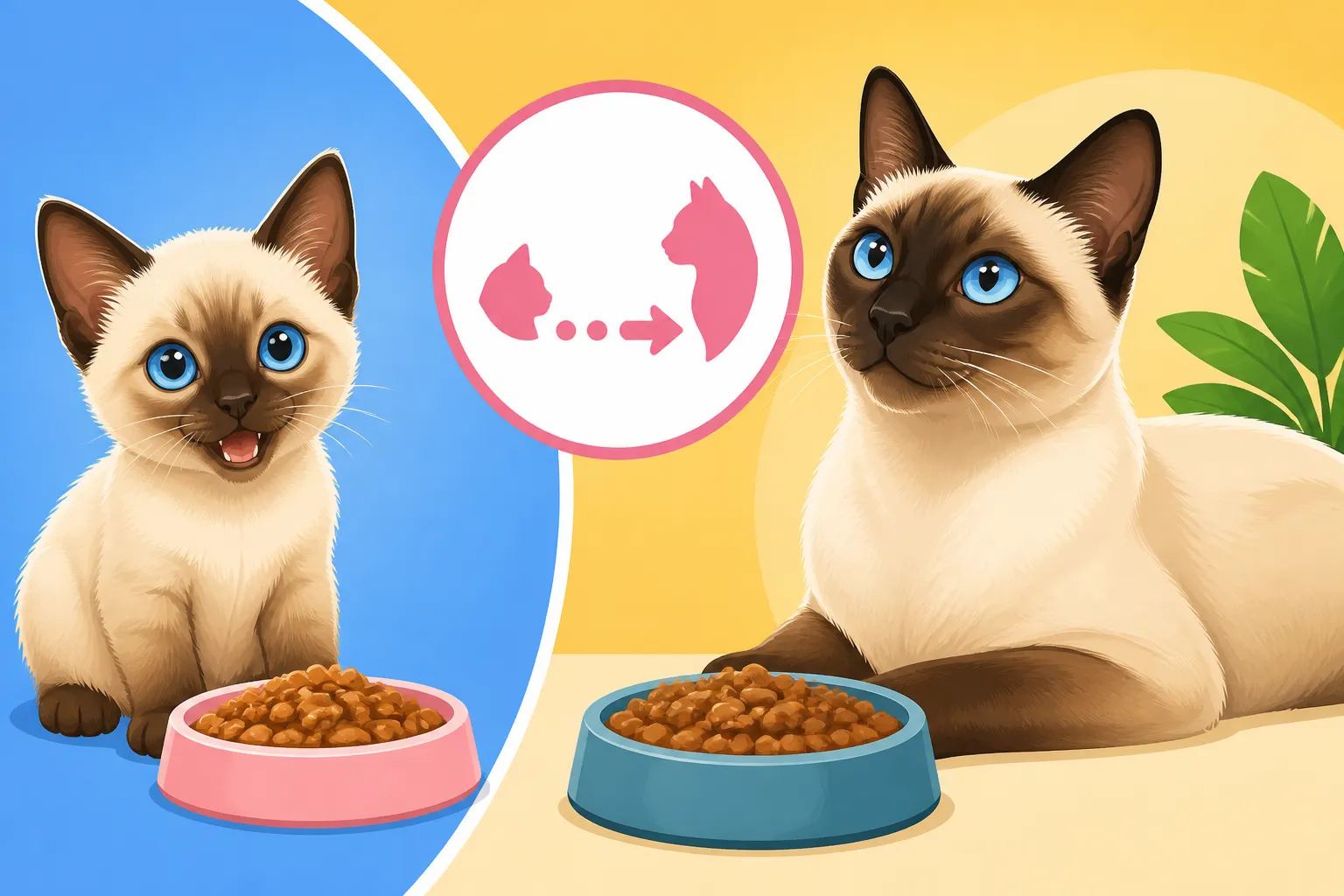
Bringing home a rambunctious Siamese kitten is an absolute joy, but it also comes with a lot of questions, especially when it comes to their diet. Many new cat parents grapple with figuring out the right time to switch from calorie-dense kitten food to a more balanced adult formula, fearing they'll stunt their little Meezer's growth or cause tummy troubles. This guide will walk you through everything you need to know about your Siamese cat's nutritional journey, from their first playful pounces to graceful adulthood, ensuring a smooth and healthy transition.
Understanding Your Siamese Kitten's Unique Nutritional Needs
It's tempting to think of kitten food as just a smaller version of what adult cats eat, but that's really not the case. A Siamese kitten, with its boundless energy and rapid growth, has very specific dietary demands that adult cat food simply can't meet. Their tiny bodies are building bones, muscles, and developing organs at an astonishing rate, and they need a specialized fuel to support this incredible transformation.
Why Kitten Food Isn't Just "Smaller Adult Food"
Think about a human baby versus an adult: their nutritional requirements are vastly different. The same holds true for your Siamese kitten. Kitten food is meticulously formulated to be packed with higher levels of protein, fat, and calories. This isn't just a slight increase; it's a significant boost designed to fuel the intense developmental stages they go through. For instance, growing kittens need more amino acids, like taurine, which is absolutely vital for their heart health and vision. They also require a greater concentration of vitamins and minerals, such as calcium and phosphorus, to build strong bones and teeth. How Many Calories a Siamese Cat Needs a Day will give you an idea of just how much energy these little dynamos burn.
Moreover, many kitten formulas contain added DHA, an omega-3 fatty acid, which is crucial for brain and vision development. This supports their keen intelligence and bright, piercing blue eyes. You'll often find these specialized formulas readily available on platforms like Chewy or your local pet store, offering a wide range of options tailored to their specific needs. Without this concentrated nutrition, kittens can suffer from stunted growth, weakened immune systems, and a host of other developmental issues that could impact their long-term health.
The Rapid Growth Phase of a Siamese Cat Kitten
If you've ever watched a Siamese kitten, you know they're not just energetic; they're like little blur-machines, constantly exploring, playing, and stretching. This high activity level, combined with their internal development, means their metabolism is working overtime. From birth to about six months, a Siamese kitten experiences its most rapid growth spurt, putting on weight and increasing in size dramatically. This period is when the foundation for their adult body is laid, making proper nutrition non-negotiable.
During this intense growth phase, their bodies are essentially little construction sites, requiring a constant influx of high-quality building materials. A kitten's digestive system is also still maturing, so kitten food is often easier to digest, designed to be gentle on their developing stomachs while maximizing nutrient absorption. You'll notice that even when they seem to eat a lot, they often remain quite lean because their bodies are efficiently utilizing every calorie for growth and energy, not storing it as excess fat. This sustained energy is also why a kitten might wake you up at all hours, ready for play!
When to Transition from Kitten Food to Adult Food
Knowing when to make the switch can feel like a guessing game. It's not a hard and fast date on the calendar for every single Siamese, but there are generally accepted guidelines and, more importantly, cues from your individual cat that will tell you it's time. Rushing the transition can lead to digestive upset, while delaying it too long can result in your cat consuming unnecessary calories and nutrients not suited for maintenance.
The "One Year Old" Rule and Its Nuances
The most common advice you'll hear is to transition your Siamese cat from kitten food to adult food around their first birthday. This "one year old" rule is a solid general guideline because by this age, most cats have reached their full skeletal maturity. Their bones have stopped growing, their muscle mass is largely developed, and their body's primary focus shifts from rapid growth to maintenance. For a Siamese, who are typically long and lean, reaching this full size can be quite a milestone, though they might continue to fill out slightly in terms of muscle for another few months.
However, it's crucial to remember that this is a guideline, not a strict deadline. Some larger breed cats might mature a bit slower, staying on kitten food for up to 18 months, while some very small or early-maturing breeds might be ready slightly before a year. Siamese cats tend to be quite consistent in their growth patterns, generally adhering to the one-year mark. The key is to observe your specific cat, understanding that their individual journey might deviate slightly. For instance, if you have a particularly active Siamese who is still very slender, your vet might suggest a slightly longer period on kitten food, or a gradual transition to a "growth & maintenance" formula if one exists. The Fifteen to Twenty Years a Siamese Cat Gets highlights the long-term health considerations, and starting with proper nutrition is foundational to that.
Signs Your Siamese Cat Is Ready for Adult Food
Your Siamese cat will give you clear signals when they're ready to make the switch. It's all about observing their physical development and behavior. First and foremost, you'll notice a significant slowing in their growth rate. That explosive growth spurt they had as a tiny kitten will taper off, and their body will appear more proportioned and adult-like. They won't be gaining weight or increasing in length at the same rapid pace they once did.
Another key indicator is their body condition. While Siamese cats are naturally slender, a healthy adult will have a lean, muscular frame, not a bony one. If your cat is a year old and maintaining a consistent, healthy weight without looking too thin or too chunky, it's a good sign. Check their ribs – you should be able to feel them easily but not see them protruding. Their energy levels might also start to stabilize; while they'll still be playful, that constant, frantic energy of a young kitten might mellow slightly into more focused play sessions. A visit to your veterinarian for their annual check-up around the one-year mark is also the perfect opportunity to discuss their readiness for adult food, as they can assess your cat's weight, overall health, and specific needs. What a Siamese Cat Should Weigh at One Year can offer a good benchmark for their development.
The Gentle Art of Transitioning Your Siamese Cat's Diet
Once you've determined your Siamese cat is ready for adult food, the actual transition isn't something to rush. Imagine suddenly switching your own diet from all your favorite comfort foods to something completely new and different overnight – your stomach probably wouldn't be too happy! Cats are creatures of habit, and their digestive systems are quite sensitive to abrupt changes in diet. A gradual approach is the kindest and most effective way to help them adapt.
Why a Gradual Transition is Crucial for Digestive Health
An abrupt switch from kitten food to adult food can lead to a host of unpleasant digestive issues for your Siamese. We're talking about things like vomiting, diarrhea, loss of appetite, and general stomach upset. This isn't just uncomfortable for your cat; it can also be messy and stressful for you. Their gut flora—the beneficial bacteria in their digestive system—needs time to adjust to the new ingredients and nutrient profile of the adult food. Think of it like a delicate ecosystem that needs to rebalance itself.
Beyond the physical discomfort, a sudden change can also make your Siamese resistant to the new food. These intelligent and sometimes opinionated cats can be picky, and if their first experience with the adult food makes them feel unwell, they might associate it with negative feelings and refuse to eat it in the future. A slow transition helps them gradually get used to the new taste, texture, and smell, increasing the chances of acceptance and reducing the likelihood of a hunger strike. It's about nurturing their physical and emotional well-being during this important shift.
A Step-by-Step Guide to Switching Foods
The best way to transition your Siamese cat's food is by gradually mixing increasing amounts of the new adult food with decreasing amounts of their old kitten food over a period of about 7-10 days. This slow introduction allows their digestive system to adjust smoothly and helps them accept the new flavor and texture. Here’s a typical schedule, though you can extend it if your cat seems particularly sensitive:
Siamese Cat Food Transition Schedule
| Day | Old Kitten Food | New Adult Food | Notes |
|---|---|---|---|
| 1-2 | 75% | 25% | Introduce a small amount of new food, mix well. |
| 3-4 | 50% | 50% | Equal parts old and new. Watch for any changes in stool. |
| 5-6 | 25% | 75% | Mostly new food now. Your cat should be getting accustomed. |
| 7-10 | 0% | 100% | Full switch to adult food. Continue monitoring for a few more days. |
Remember to mix the foods thoroughly in their bowl. If your Siamese is particularly fussy, you might need to extend each step by a few extra days. Sometimes, even a slight change in the shape or smell of kibble can be enough to make them wary. For wet food, you'd follow a similar mixing ratio. Many high-quality adult cat foods are available from brands you might already use, or new ones you can explore. Make sure to choose a high-quality adult food that meets their nutritional needs, ideally one recommended by your veterinarian.
Monitoring Your Siamese During the Transition
Throughout this transition period, your role is to be an observant and empathetic caretaker. Pay close attention to your Siamese cat's appetite, energy levels, and most importantly, their litter box habits. Any changes here are often the first indicators that something isn't sitting right with them.
- Appetite: Is your cat eating enthusiastically, or are they picking around the new food? A slight initial hesitancy is normal, but a complete refusal to eat or a significant decrease in food intake for more than 24 hours warrants a call to your vet.
- Stool: This is probably the most telling sign. You want to see well-formed, consistent stools. Loose stools, diarrhea, or constipation are clear indicators that the transition might be too fast, or the new food simply doesn't agree with them. If you notice persistent digestive upset, slow down the transition or consult your vet.
- Energy Levels: While a transition shouldn't drastically alter their energy, an unwell cat might seem more lethargic or withdrawn. Maintain their regular play schedule and watch for any significant shifts.
- Vomiting: Any vomiting, especially more than once, is a sign that something is amiss.
If you notice any significant issues, revert to the previous step in the transition (more old food, less new) and try again more slowly. If problems persist, it's definitely time to consult your veterinarian. They can offer specific guidance or recommend a different adult food that might be a better fit for your sensitive Siamese. Signs a Siamese Cat Is Unwell can provide further insights into what to look for when your feline friend isn't feeling their best.
Special Considerations for Your Growing Siamese
Beyond the basic transition, there are a few extra things to keep in mind as your Siamese cat grows from a kitten into a mature adult. Their unique metabolism and specific breed characteristics mean that "one size fits all" advice often needs a little tweaking.
The Role of Weight and Body Condition
Siamese cats are known for their sleek, elegant, and often quite lean physique. Unlike some other breeds, they aren't typically prone to becoming overweight if fed appropriately. However, maintaining that ideal body condition is crucial, especially during the transition to adult food. You don't want them to become too thin from insufficient calories, nor do you want them to put on excess weight, which can happen if they remain on calorie-dense kitten food for too long without the corresponding growth needs. Why a Siamese Cat Stays So Thin is a common question among owners, and it truly is part of their breed's natural athletic build.
When they are fully grown, you should be able to easily feel your Siamese's ribs with minimal fat covering, but they shouldn't be visibly protruding. Their waist should be evident when viewed from above, and their belly should tuck up slightly when viewed from the side. Regularly assessing their body condition score (BCS) can be a helpful tool. Your vet can show you how to do this during a routine check-up. If you find your Siamese is looking a little too boney or, conversely, starting to develop a "pouch," it might be an indicator that their food portion or type needs adjusting. Remember, a healthy weight supports their long-term agility and reduces strain on their joints as they age. Whether a Thin Siamese Cat Is Underweight can help you determine if your Siamese's lean build is healthy or a cause for concern.
Consulting Your Veterinarian
While online guides and anecdotal advice from fellow cat parents are incredibly valuable, nothing replaces the personalized guidance of your veterinarian. They are your best resource for tailored advice concerning your Siamese cat's diet and health. This is particularly true when it comes to transitioning food or addressing any health concerns that arise.
Your vet knows your individual cat's health history, any predispositions they might have, and can assess their current body condition more accurately than anyone else. They can recommend specific food brands or formulations that are best suited for your Siamese, taking into account their activity level, any sensitivities, and even their projected lifespan. For instance, if your Siamese has a history of a sensitive stomach, your vet might suggest a prescription diet or a specific limited-ingredient formula for the transition. Don't hesitate to bring up any questions or concerns you have about your cat's diet during their routine wellness exams. Proactive communication with your vet ensures your Siamese receives the best possible care throughout their life, from kittenhood to their senior years. This expert advice is especially important if you're considering a more specialized diet, like one focusing on Whether Diet Helps a Siamese Cat With Amyloidosis.
Disclaimer
This article is for general informational purposes only and does not constitute professional advice. Laws, prices and regulations vary by location and change over time. Consult a qualified professional for guidance on your specific situation.