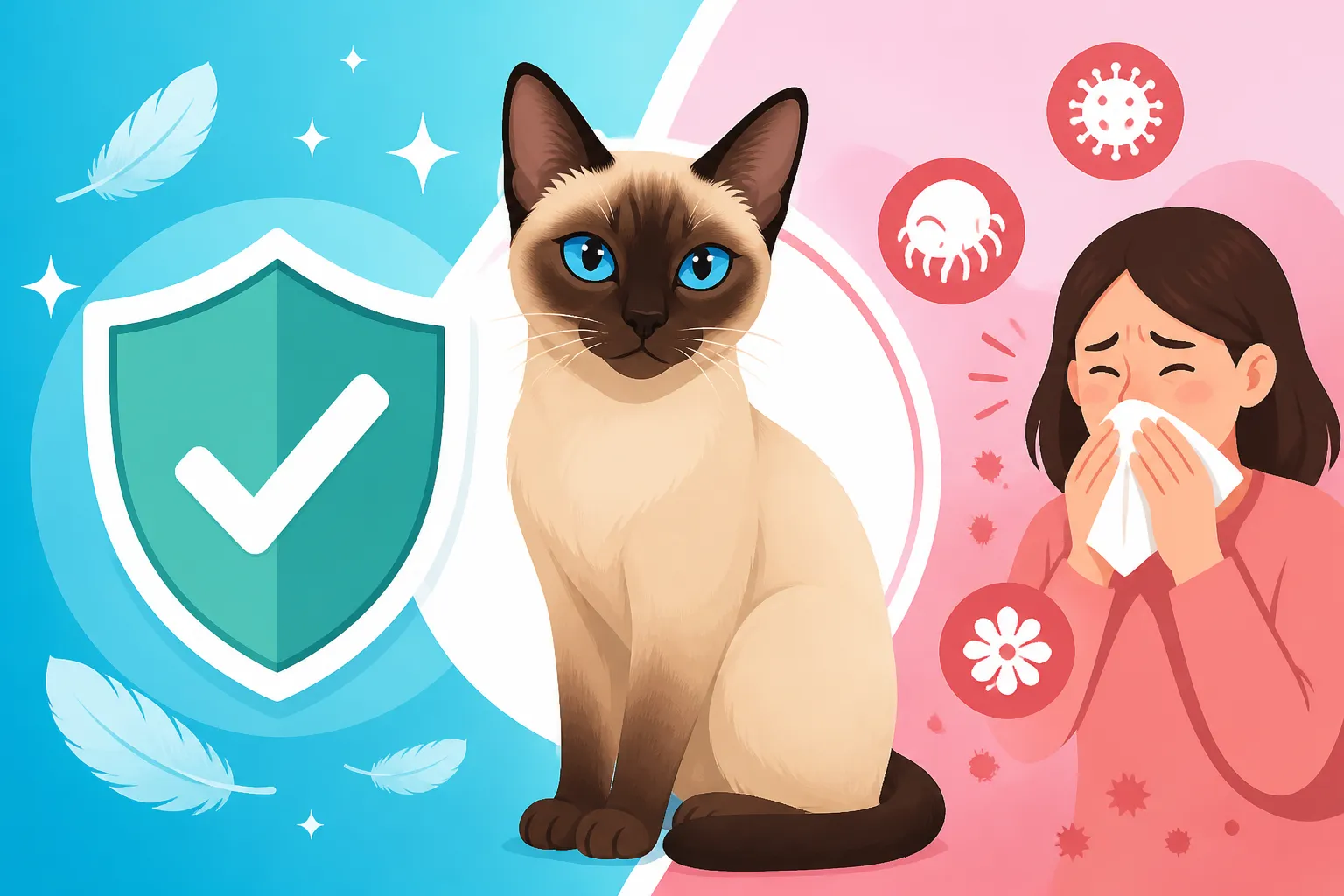
Whether a Siamese Cat Is Hypoallergenic
It's a frustrating, heartbreaking moment when you fall head over heels for the striking blue eyes and vocal charm of a Siamese cat, only to have your hopes dashed by a sneezing fit or an itchy nose. Many aspiring Siamese owners, and even some current ones, cling to the idea that these beautiful, sleek felines might be "hypoallergenic," offering a reprieve from the sniffles and wheezes that other cats trigger. Let's get real about what "hypoallergenic" actually means in the world of cats and whether your beloved Siamese truly fits the bill.
Understanding Cat Allergies: It's Not the Fur!
The biggest misconception out there is that cat allergies are caused by a cat's fur. If that were true, long-haired breeds would be the absolute worst, and short-haired cats like the Siamese would be a dream come true for allergy sufferers. But alas, the truth is far more complex, and unfortunately, less convenient.
The Real Culprit: Fel d 1 Protein
When you react to a cat, you're almost certainly reacting to a protein called Fel d 1. This tiny, insidious protein is primarily found in a cat's saliva, but also in their sebaceous glands (skin oils), and to a lesser extent, in their urine. Every time your Siamese grooms themselves, they're spreading this protein all over their gorgeous coat. As their saliva dries, the Fel d 1 protein flakes off as microscopic particles – this is what we call dander.
These dander particles are incredibly lightweight and can stay airborne for hours, or settle onto every surface imaginable in your home: furniture, carpets, clothing, and even the walls. You might not even see the fur, but the allergens are there, silently building up. So, while a Siamese cat’s short coat might seem less problematic, it doesn't stop them from producing this protein or spreading it through their natural grooming habits. It's why wiping down surfaces diligently is so important for those sensitive to cats, because the allergen is literally everywhere your cat has been, not just where the fur lies.
Why Some People React More Than Others
The intensity of a cat allergy can vary wildly from person to person. One individual might experience a mild runny nose, while another could suffer from severe asthma attacks simply by entering a room a cat has occupied. This isn't necessarily about the cat producing more or less allergen; it's about the individual's immune system sensitivity. Some people have a very low threshold for Fel d 1, meaning even tiny amounts can trigger a significant reaction.
Factors beyond just the cat can also influence an allergic reaction. For instance, if you're already prone to seasonal allergies from pollen or dust, adding cat allergens to the mix can push your immune system into overdrive, leading to a more pronounced reaction. The total allergen load in your home, including dust mites and other environmental irritants, can also contribute to how severely you react to your Siamese. It's a cumulative effect, where multiple allergens conspire to make you feel utterly miserable. This is why some people might react to one specific cat but not another, or find their symptoms improve when they spend less time in the cat's primary living areas.
The Siamese Cat and Allergen Production
Given that so many people hope a Siamese will be their hypoallergenic savior, it's vital to look at how this breed specifically fits into the allergen puzzle. While their striking appearance and captivating personalities are undeniably attractive, their biology, sadly, doesn't offer a complete escape from allergies.
Do Siamese Cats Produce Less Fel d 1?
This is the million-dollar question for many allergy sufferers, and unfortunately, the answer is not a definitive "yes." There's a persistent myth that Siamese cats, along with other short-haired breeds like Orientals and Sphynx, produce significantly less Fel d 1 protein than other cats. While some anecdotal evidence exists, suggesting certain individuals within these breeds might cause fewer reactions, there is no widespread scientific consensus or definitive research that proves Siamese cats inherently produce less Fel d 1 across the board. Every cat is an individual, and their specific Fel d 1 production can vary.
What we do know is that they do produce Fel d 1. All cats produce this protein. So, if someone tells you their Siamese is "hypoallergenic" because it doesn't make the protein, they are simply mistaken. The promise of a truly hypoallergenic cat, completely free of the allergen, remains a dream rather than a reality. It's more accurate to consider certain breeds, or even certain individual cats, as less allergenic rather than completely allergen-free. It's a crucial distinction that often gets lost in hopeful conversations.
What Their Coat Does Mean for Allergies
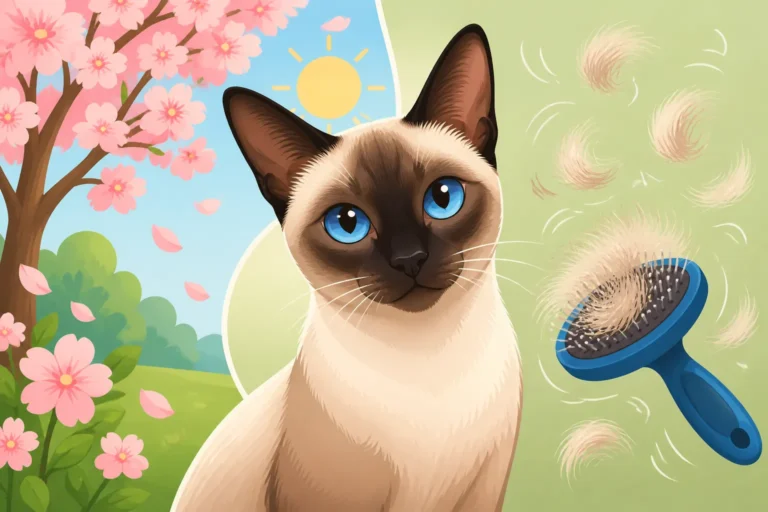
While a Siamese cat's coat doesn't reduce the production of Fel d 1, it might play a role in the distribution of it throughout your home. Siamese cats are known for their short, sleek, fine coats that lack an undercoat. This single layer of fur means they tend to shed less overall compared to long-haired or double-coated breeds.
Less shedding of actual fur means fewer hairs carrying dried saliva (and thus Fel d 1) are deposited around your home. However, it's vital to remember that dander, the microscopic skin flakes laden with Fel d 1, is still being produced and shed. Even if you see less visible fur, those tiny allergen particles are still wafting through the air and settling on surfaces. It's a nuanced difference: less visible hair, but not necessarily less invisible allergen. For someone with very mild allergies, this might make a noticeable difference, as the sheer volume of airborne allergens might be slightly reduced by the less prolific shedding of fur. For those with more severe allergies, however, the short coat often isn't enough to prevent a reaction. You might be surprised to learn How Much a Siamese Cat Sheds even with their short fur.
Managing Allergies with a Siamese Cat
Even if no cat is truly hypoallergenic, there are many proactive steps you can take to reduce the allergen load in your home and make living with a Siamese cat more manageable for allergy sufferers. It requires consistency and a bit of effort, but for the love of a Siamese, it's often worth it.
Grooming and Environmental Control
One of the most effective strategies for reducing allergens is consistent grooming and meticulous environmental control. It's not glamorous, but it works!
- Regular Wiping and Brushing: Even though their coats are short, regular grooming helps. You can gently wipe your Siamese cat down with a damp cloth or a specialized pet wipe to remove loose dander and saliva from their fur before it becomes airborne. Brushing them frequently, preferably daily, can also help collect loose fur and dander. Some owners find that a rubber curry brush or a damp grooming glove works wonders. Remember, Grooming a Siamese Cat Takes Five Minutes a Week can make a big difference in allergen reduction.
- Deep Cleaning Your Home: Vacuuming regularly with a HEPA-filtered vacuum is paramount. Wash bedding, curtains, and other fabrics frequently in hot water. Hard surfaces should be wiped down often. Consider creating "cat-free zones" in your home, especially bedrooms, to give allergy sufferers a sanctuary.
- Air Purification: High-quality air purifiers with HEPA filters can significantly reduce airborne allergens. Place them in rooms where your Siamese spends the most time, especially bedrooms and living areas. Look for models that are effective for the size of your room. You can often find great options for these devices on Amazon, with a wide range of features to suit different needs.
Diet and Hydration's Role
While it might seem unrelated, a healthy diet and proper hydration play a crucial role in your cat's skin and coat health, which in turn can influence dander production. Dry, flaky skin will shed more dander, leading to more airborne allergens.
- High-Quality Nutrition: Feeding your Siamese a high-quality, balanced diet rich in omega fatty acids can promote healthy skin and a shiny coat. Look for foods that list real meat as the first ingredient and avoid excessive fillers. Healthier skin is less likely to be dry and flaky, thus potentially reducing dander. Many reputable brands offer nutritional profiles designed to support skin and coat health. Which Food Suits a Siamese Cat is a detailed topic, but prioritizing quality is key.
- Ample Hydration: Ensure your Siamese has constant access to fresh water. Hydrated skin is healthy skin. Some cats prefer running water from a fountain, while others are content with a bowl. You can explore Whether a Siamese Cat Drinks Enough Water for more tips on encouraging hydration. Good hydration contributes to overall feline health, which reflects in their coat.
Personal Allergy Management
Beyond managing your cat and your home, there are steps you can take for your own personal allergy management. These won't eliminate the allergen, but they can help alleviate your symptoms.
- Hand Hygiene: After petting or playing with your Siamese, wash your hands thoroughly with soap and water before touching your face. This prevents the transfer of Fel d 1 to your eyes, nose, and mouth.
- Medication: Over-the-counter antihistamines, nasal sprays, and eye drops can help manage mild to moderate allergy symptoms. Always consult with your doctor or an allergist before starting any new medication, especially if your allergies are severe. An allergist can also discuss prescription options or immunotherapy (allergy shots) if necessary.
- Protective Measures: If you're particularly sensitive, consider wearing a mask while cleaning litter boxes or vacuuming. Changing clothes after extensive interaction with your cat can also reduce allergen transfer.
Here's a quick overview of allergen management strategies:
| Strategy | Description | Impact on Allergens | Effort Level |
|---|---|---|---|
| Regular Grooming | Wiping coat, brushing with damp brush/glove | Removes loose dander and saliva directly | Moderate |
| HEPA Vacuuming | Use vacuum with HEPA filter on carpets, upholstery, floors | Captures settled airborne allergens | High |
| Air Purifiers | Place HEPA air purifiers in main cat-occupied rooms | Reduces airborne allergen particles | Low-Moderate |
| Cat-Free Zones | Designate areas (e.g., bedrooms) where cat is not allowed | Provides allergen-free refuge | Moderate |
| Frequent Laundry | Wash bedding, curtains, cat beds in hot water | Removes embedded allergens from fabrics | Moderate |
| High-Quality Diet | Feed food supporting skin & coat health | Promotes healthy skin, potentially less flaky dander | Low |
| Personal Hygiene | Wash hands after petting, avoid touching face | Prevents allergen transfer to mucus membranes | Low |
| Allergy Medication | OTC or prescription antihistamines, nasal sprays (consult doctor) | Manages personal allergic reactions | Low |
The Truth About "Hypoallergenic" Cats and Testing
Let's circle back to the core question: Is a Siamese cat truly hypoallergenic? The answer, as you might have gathered, is a resounding no, in the strictest sense of the word.
No Truly Hypoallergenic Cat Exists
It bears repeating: no cat breed is 100% hypoallergenic. The term itself is often misunderstood and can lead to false hope. All cats, regardless of breed, hair length, or perceived allergen levels, produce Fel d 1. The difference lies in the quantity of this protein they produce, and even then, there's significant individual variation within breeds. Some breeds are often touted as "hypoallergenic" because they might, on average, produce slightly less Fel d 1 or shed fewer allergen-laden hairs, but this is a spectrum, not an absolute.
Even among breeds specifically bred with allergen reduction in mind, like the Siberian or the Balinese (which actually shares genetic ties with the Siamese), you'll find cats that still trigger reactions in sensitive individuals. The idea of a "hypoallergenic" cat is a marketing term more than a scientific reality, playing on the desire of allergy sufferers to enjoy feline companionship without the drawbacks. It's important to approach any such claim with a healthy dose of skepticism.
Testing and Exposure
So, if there's no guarantee, how can you know if a Siamese cat is right for you or your allergic family member? The best approach is always direct, controlled exposure and careful observation.
- Spend Time with a Specific Cat: If you're considering adopting a Siamese, try to spend as much time as possible with that specific cat before making a commitment. Visit a shelter, a breeder, or a friend who owns a Siamese, and gauge your reaction. Do your symptoms appear? How severe are they? Remember, reactions might not be immediate and could build up over several hours.
- Gather Dander Samples: Some individuals will ask a breeder or current owner for a small towel or blanket that the cat has slept on. You can then expose yourself to this item in a controlled environment to see if it triggers an allergic response. This is a practical, though not foolproof, way to test your sensitivity to a particular cat's dander.
- Discuss with Breeders: Ethical Siamese breeders are often transparent about allergies and their experiences. While they cannot guarantee a cat won't cause allergies, they might be able to offer insights into the lines they breed or advise on typical reactions. They understand the heartbreak of a cat having to be rehomed due to allergies.
Ultimately, while the Siamese cat's short, elegant coat might lead some to believe they are hypoallergenic, the scientific reality is that all cats produce the Fel d 1 protein that causes allergies. With diligent management and a realistic understanding, however, many allergy sufferers can successfully share their lives with these wonderfully vocal and affectionate companions. It's about careful planning, consistent effort, and a whole lot of love.
Disclaimer
This article is for general informational purposes only and does not constitute professional advice. Laws, prices and regulations vary by location and change over time. Consult a qualified professional for guidance on your specific situation.