Which Food Suits a Siamese Cat
It's a question that keeps so many Siamese cat parents up at night: "Am I feeding my precious Meezer the right food?" With their boundless energy, sleek physiques, and sometimes finicky palates, figuring out the ideal diet for a Siamese can feel like a genuine puzzle. You want to ensure they're getting all the nutrients they need to thrive, stay healthy, and fuel those famous vocalizations and acrobatics, but the sheer number of options on the market can be overwhelming. This guide is here to help you navigate the world of feline nutrition, specifically tailored to the unique needs of your beloved Siamese, so you can feed them with confidence.
Understanding the Unique Nutritional Needs of Your Siamese Cat
Siamese cats are truly in a league of their own. They're not your average couch potato feline; they are active, intelligent, and often vocal companions with a metabolism that seems to run hotter than a furnace. This distinct physiological makeup means their dietary requirements can differ significantly from other, less energetic breeds. Ignoring these unique needs can lead to issues ranging from dull coats and low energy to more serious health concerns down the line. It's all about matching their food to their fantastic zest for life.
High Metabolism and Lean Body Mass
Have you ever noticed how your Siamese seems to eat a decent amount but always stays so lean and lithe? That's their high metabolism at work! Unlike some breeds prone to chunkiness, Siamese cats naturally possess a lean, muscular build. This means they burn through calories more efficiently, requiring a diet that supports their energy levels without leading to excess weight. Think of them as tiny, highly efficient athletes.
This rapid metabolism demands a consistent supply of quality nutrients. If their diet is lacking, they can quickly become thin, and not in the healthy, sleek way. They need dense, nutrient-rich foods that provide sustained energy throughout their active days. Monitoring their weight and body condition regularly is key, not just by looking, but by feeling their ribs and spine – you want to feel them easily without them protruding sharply. This leanness also plays a role in Why a Siamese Cat Stays So Thin, and it's something many owners find themselves asking about.
Protein Power: The Cornerstone of a Siamese Diet
Cats are obligate carnivores, which means their bodies are designed to derive nutrients primarily from animal sources. For a high-energy breed like the Siamese, protein isn't just important; it's absolutely critical. High-quality animal protein provides the essential amino acids they need for muscle maintenance, growth, repair, and overall health. Without sufficient protein, their lean muscle mass can suffer, impacting their strength, agility, and even their immune system.
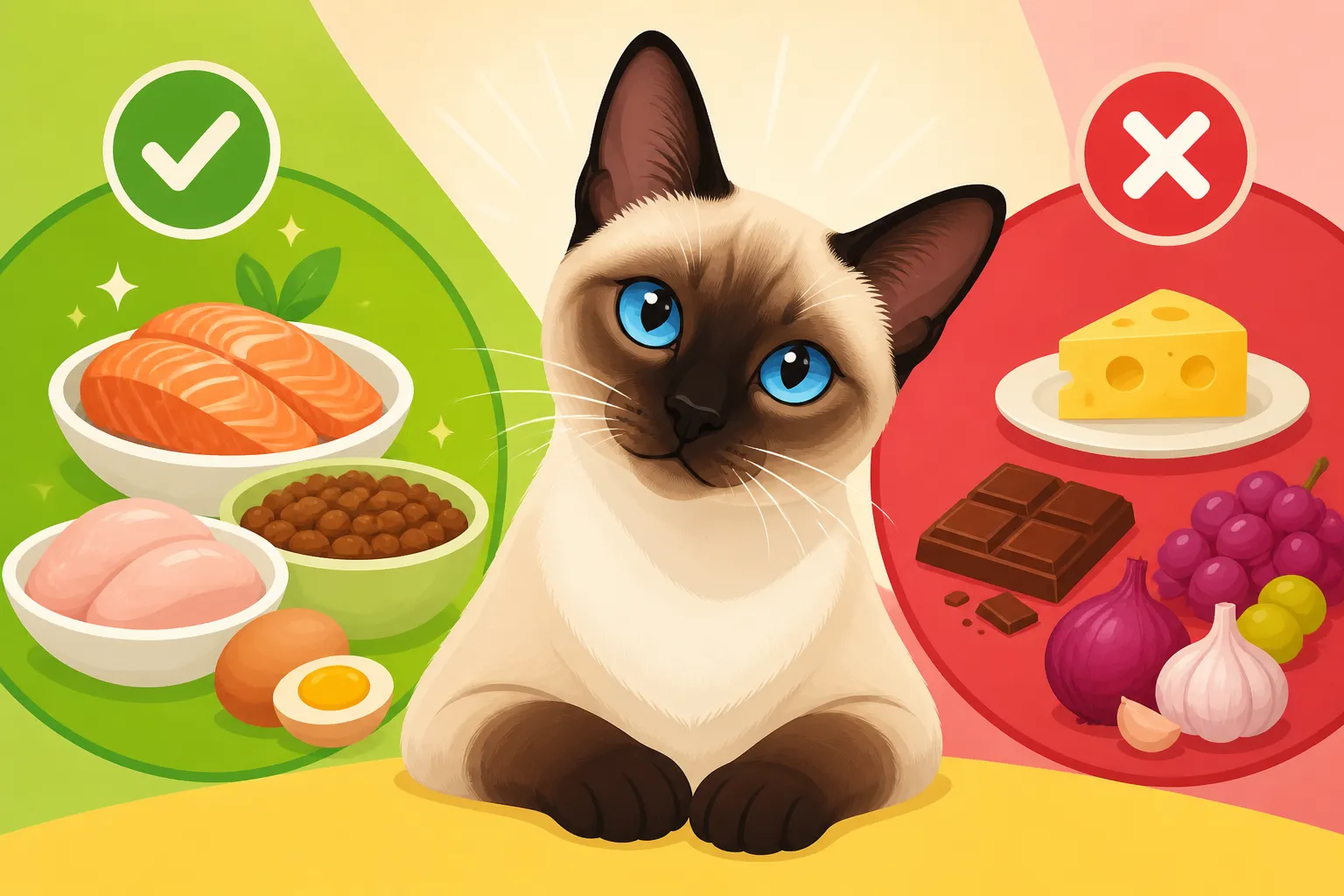
When you're looking at food labels, you want to see a named meat source—like "chicken," "turkey," "salmon," or "beef"—as the very first ingredient. Avoid foods where the primary protein source is vaguely listed as "meat byproduct" or relies heavily on plant-based proteins, which cats struggle to digest and utilize effectively. A diet rich in animal-based protein not only supports their active lifestyle but also helps maintain their beautiful, short coat and piercing blue eyes.
Essential Fats and Carbohydrates for Energy
While protein takes center stage, don't overlook the importance of fats and carbohydrates. Healthy fats, particularly omega-3 and omega-6 fatty acids, are vital for skin and coat health, reducing inflammation, and supporting brain function. These are often found in ingredients like fish oil, flaxseed, or animal fats. You'll notice your Siamese's coat gleaming when they're getting enough healthy fats.
Carbohydrates, in moderation, can provide an easily accessible energy source. However, cats don't need a high-carb diet, and excessive carbohydrates can contribute to digestive issues or weight gain in less active cats. For a Siamese, complex carbohydrates like sweet potatoes or peas can be part of a balanced diet, but they should never be the dominant ingredient. The goal is to provide enough energy to sustain their playful nature without overloading their system with unnecessary fillers. Understanding this balance is crucial for How Healthy the Siamese Cat Actually Is throughout their life.
The Great Debate: Wet Food vs. Dry Food for Siamese Cats
This is probably one of the most common dilemmas for any cat owner, and Siamese parents are no exception. Both wet (canned) food and dry (kibble) food have their proponents and their drawbacks. The "best" choice often comes down to a combination of your cat's individual preferences, your lifestyle, and advice from your veterinarian. What works wonders for one Siamese might not be ideal for another.
The Benefits and Drawbacks of Wet Food
Wet food is often praised for its high moisture content, which is a huge benefit for cats. Felines naturally have a low thirst drive, evolved from their desert-dwelling ancestors who got most of their hydration from prey. A diet rich in wet food helps ensure your Siamese stays properly hydrated, supporting kidney and urinary tract health. This is particularly important since urinary issues can sometimes plague cats.
Beyond hydration, wet food is typically higher in animal protein and lower in carbohydrates than most dry kibble, aligning well with the Siamese's obligate carnivore needs. It can be very palatable, which is great for picky eaters. However, wet food can be more expensive, spoils quickly once opened, and some argue it doesn't offer the same dental benefits as kibble (though the dental benefits of any kibble are often overstated). If your Siamese is prone to Dental Disease in a Siamese Cat, your vet might still recommend brushing or specific dental treats, regardless of food type.
The Role of Dry Kibble in a Siamese Cat's Diet
Dry kibble offers convenience and cost-effectiveness. It can be left out for free feeding (though this isn't always recommended for all cats, especially those prone to overeating), and it's less messy than wet food. Many owners appreciate the ease of dispensing kibble, especially if they have busy schedules. Some kibbles are also formulated with specific dental health benefits, designed to scrape tartar off teeth as the cat chews.
The downsides of dry food often revolve around its lower moisture content and potentially higher carbohydrate levels. Cats on an exclusive dry food diet need to drink plenty of water to compensate, and some simply don't. While advancements have been made in premium dry foods, always check the ingredient list to ensure a high-quality animal protein is the main component, and carbohydrate fillers are minimized. For quality, you might look at brands available on Chewy or Amazon, but always scrutinize those labels.
Hybrid Feeding Strategies
For many Siamese owners, a hybrid approach offers the best of both worlds. This involves feeding a combination of wet and dry food. Perhaps your cat gets wet food in the morning and evening, with a small portion of dry kibble left out for snacking during the day. This strategy can help ensure adequate hydration from the wet food while still providing the convenience and potential dental benefits of dry food.
When implementing a hybrid diet, it’s crucial to monitor the total caloric intake to prevent overfeeding, especially since Siamese cats, while lean, can gain weight if their food intake exceeds their energy expenditure. Using puzzle feeders for dry kibble can also slow down fast eaters and provide mental enrichment, which is excellent for an intelligent breed like the Siamese. Remember, the goal is balance and meeting all their nutritional needs.
Special Dietary Considerations for Siamese Cats
While a general high-quality diet works for most Siamese cats, some individuals might have specific health concerns or behavioral quirks that necessitate a more tailored approach to their nutrition. Addressing these proactively can significantly improve their quality of life and prevent complications.
Managing Sensitive Stomachs and Food Allergies
Siamese cats, like any breed, can develop sensitive stomachs or food allergies. Signs might include chronic vomiting, diarrhea, excessive gas, or skin issues like itching and hair loss. If you suspect your Siamese has a food sensitivity, the first step is always a vet visit to rule out other medical conditions. Once confirmed, your vet might recommend an elimination diet or a prescription hypoallergenic food.
Limited ingredient diets (LIDs) are often a good starting point for cats with sensitivities. These foods contain a single source of animal protein and a limited number of other ingredients to reduce the chance of an adverse reaction. Novel proteins, such as duck, venison, or rabbit, are sometimes used if common proteins like chicken or fish are suspected culprits. Many reputable brands offer LID options that you can find at pet supply stores or online through retailers like Amazon.
Addressing Wool Sucking and Pica Through Diet
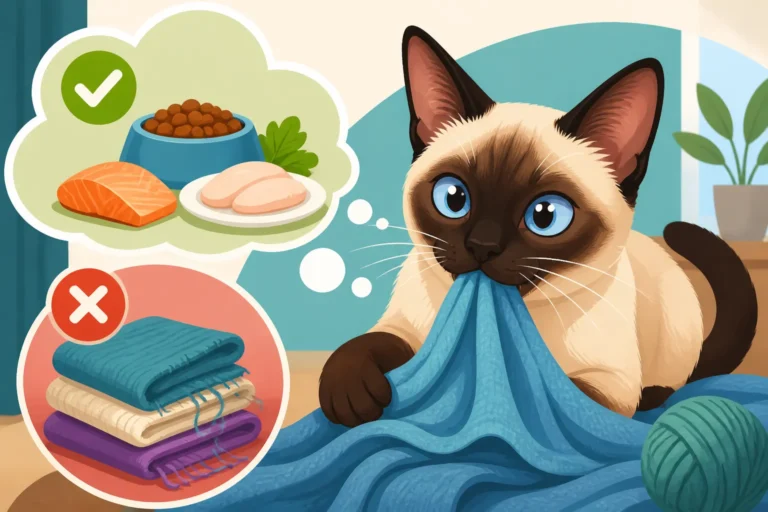
One intriguing behavioral quirk that some Siamese cats display is pica, particularly wool sucking or eating non-food items. This isn't just annoying; if they ingest too much, it can lead to dangerous intestinal blockages. While pica often has a strong genetic or behavioral component, sometimes dietary deficiencies or a lack of sufficient fiber can exacerbate the issue.
While food alone isn't a cure for wool sucking, ensuring your Siamese is on a highly digestible, nutrient-dense diet with appropriate fiber levels might help some cases. Sometimes, a veterinary nutritionist might suggest adding a small amount of specific insoluble fiber to their diet, though this should always be done under professional guidance. Additionally, using puzzle feeders to slow down eating and provide mental stimulation can sometimes redirect their obsessive chewing habits, as discussed in How to Feed a Siamese Cat That Eats Fabric.
Tailoring Diet for Different Life Stages Kitten, Adult, Senior
A Siamese cat's nutritional needs change as they age, just like ours. What's perfect for a rambunctious kitten won't necessarily be ideal for a calm senior. Recognizing these shifts and adjusting their diet accordingly is a cornerstone of responsible pet ownership, helping your Siamese live out their The Fifteen to Twenty Years a Siamese Cat Gets to the fullest.
| Life Stage | Primary Dietary Focus | Key Nutrients | Common Food Types |
|---|---|---|---|
| Kitten | Rapid Growth, High Energy | High Protein, DHA (brain development), Calcium (bone growth) | Kitten-specific formulas (wet/dry) |
| Adult | Maintenance, Energy for Activity | Balanced Protein, Moderate Fat, Controlled Carbs | Adult maintenance formulas (wet/dry) |
| Senior | Joint Support, Kidney Health, Weight Management | Lower Calories, Joint Supplements (glucosamine), Omega-3s, Phosphorus Control | Senior-specific formulas (wet/dry) |
Kittens require a diet specially formulated for growth, with higher levels of protein, fat, and calories to support their rapid development. Look for foods labeled "for kittens" or "for all life stages." Once your Siamese reaches around one year of age, they can typically transition to an adult formula. You can read more about this in When a Siamese Cat Moves to Adult Food. As they enter their senior years, usually around 10-12, their metabolism may slow, and they might become less active. Senior diets often have adjusted calorie counts to prevent weight gain, and may include ingredients to support joint health, kidney function, and cognitive well-being. Regular vet check-ups will help determine the best timing for these dietary shifts.
Deciphering Cat Food Labels: What to Look For (and Avoid)
The cat food aisle can feel like a labyrinth of buzzwords, marketing claims, and tiny print. It's enough to make your head spin! But understanding how to read a cat food label is perhaps the most powerful tool you have to ensure you're making informed choices for your Siamese. Don't let the fancy packaging fool you; the real story is in the ingredients list and nutritional analysis.
The Importance of AAFCO Statements
Before diving into ingredients, always look for an AAFCO (Association of American Feed Control Officials) statement. This seemingly small detail tells you whether the food is nutritionally complete and balanced for a specific life stage (e.g., "for growth," "for adult maintenance," or "for all life stages"). If a food doesn't have an AAFCO statement, it means it hasn't met these minimum nutritional requirements and shouldn't be fed as a primary diet.
An AAFCO statement indicates that the food has either undergone feeding trials with cats or has been formulated to meet specific nutrient profiles. While it doesn't guarantee the quality of ingredients, it does ensure that the food provides all the necessary vitamins, minerals, and macronutrients your Siamese needs to thrive. It’s a basic but essential stamp of approval.
Top Ingredients to Seek Out
When scrutinizing the ingredient list, prioritize foods where the first few ingredients are high-quality, named animal proteins. For example, "chicken meal," "deboned salmon," or "turkey liver" are excellent choices. "Meal" forms of protein, like "chicken meal," are actually concentrated protein sources, as the water has been removed.
Beyond protein, look for a balanced mix of healthy fats (e.g., chicken fat, fish oil, flaxseed), and a small amount of digestible carbohydrates (e.g., peas, sweet potatoes). Essential vitamins and minerals should be present, often listed as supplements. Natural preservatives like mixed tocopherols (Vitamin E) are preferable to artificial ones. Quality ingredients make a world of difference in your Siamese's overall vitality and coat health. Many premium brands, often found on platforms like Chewy, highlight these ingredients clearly.
Ingredients to Approach with Caution
Just as there are ingredients to seek out, there are others to approach with a wary eye. Avoid foods where "corn," "wheat," "soy," or "by-products" (without a specific animal source) are among the first ingredients. These often act as fillers, providing less nutritional value for cats and can sometimes trigger sensitivities. Artificial colors, flavors, and preservatives (e.g., BHA, BHT, ethoxyquin) are also best avoided.
Sugar and excessive salt have no place in a cat's diet and can contribute to health issues. While a small amount of vegetable matter is fine, if the ingredient list reads more like a human salad than a cat's meal, it's probably not the best fit for your obligate carnivore. Always remember that cats need animal-based nutrition first and foremost.
Transitioning and Introducing New Foods
You've done your research, talked to your vet, and picked out what you believe is the perfect new food for your Siamese. Great! But hold your horses before you dump a whole bowl of the new stuff into their dish. Cats, especially intelligent and sometimes finicky Siamese, can be creatures of habit, and a sudden change in diet can lead to digestive upset or, worse, a complete refusal to eat.
The Gradual Transition Method
The key to successfully introducing a new food is a slow, gradual transition. This minimizes stress on your cat's digestive system and gives them time to adjust to the new taste and texture. Start by mixing a small amount of the new food with their old food, gradually increasing the proportion of the new food over a period of 7 to 10 days.
Here's a general guideline:
- Days 1-2: 75% old food, 25% new food
- Days 3-4: 50% old food, 50% new food
- Days 5-6: 25% old food, 75% new food
- Days 7-10: 100% new food
Some cats might need even longer, especially if they are particularly sensitive or prone to digestive issues. Watch your Siamese carefully throughout this process. If you notice any signs of stomach upset, slow down the transition and maintain the current ratio for a few more days before progressing.
Monitoring for Digestive Upset and Pickiness
During the transition, keep a close eye on your Siamese for any signs of digestive distress, such as vomiting, diarrhea, constipation, or a decrease in appetite. If these symptoms occur, revert to the previous ratio for a few days until their system settles, then try to proceed more slowly. Sometimes, a different brand or formula might be necessary if the issues persist.
Siamese cats are also notorious for their strong opinions, and they might simply refuse to eat the new food. Don't panic or give in immediately by offering their old food back (unless they refuse to eat for a prolonged period, which can be dangerous). Give them a little time, but if they continue to snub the new food, you might need to try a different flavor or brand. Remember, consistency and patience are your best allies in this process. For more about their sometimes-finicky nature, check out How Fussy a Siamese Cat Is About Food.
When to Consult Your Vet About Food Changes
While most food transitions are smooth, there are times when a call to your veterinarian is warranted. If your Siamese experiences severe vomiting, prolonged diarrhea, lethargy, or a complete refusal to eat for more than 24 hours during a food change, it's time to seek professional advice. Dehydration can set in quickly in cats, especially those with high metabolisms.
Your vet can help identify if the issues are truly food-related, rule out underlying health problems, or recommend specific therapeutic diets. They might also suggest supplements to aid digestion or prescribe medications to alleviate symptoms. Never hesitate to contact them if you have concerns about your Siamese's health or if the food transition isn't going as planned. They are your best resource for tailored advice.
Homemade and Raw Diets: Are They Right for Your Siamese?
In an effort to provide what they perceive as the most natural or healthiest diet, some Siamese owners explore homemade cooked or raw food options. These diets can be appealing because they offer complete control over ingredients, theoretically avoiding fillers, artificial additives, and potential allergens. However, they come with a significant set of challenges and risks that must be carefully considered.
The Appeal and Complexities of Homemade Diets
The idea of cooking fresh, wholesome meals for your Siamese can feel incredibly nurturing. You know exactly what's going into their bowl – real meat, some vegetables, maybe a specific supplement. For cats with severe allergies or sensitivities, a carefully crafted homemade diet, developed in conjunction with a veterinary nutritionist, can sometimes be the only viable option.
However, formulating a nutritionally complete and balanced homemade diet for a cat is far more complex than simply cooking some chicken and rice. Cats have very specific and often unique nutritional requirements, including essential amino acids like taurine, that are not always present in sufficient quantities in typical human-grade ingredients or can be destroyed during cooking. An improperly balanced homemade diet can lead to serious nutritional deficiencies over time, impacting your Siamese's long-term health. It requires extensive research, precise calculations, and often specific supplements.
Understanding the Risks and Rewards of Raw Feeding
Raw feeding, often called BARF (Biologically Appropriate Raw Food) or prey model diets, aims to mimic what a cat would eat in the wild. Proponents suggest it leads to shinier coats, improved digestion, and better overall health. These diets typically consist of raw muscle meat, organs, and bones. Some commercially prepared raw diets are available, often frozen.
The primary concern with raw feeding is the risk of bacterial contamination from pathogens like Salmonella, E. coli, and Listeria. These bacteria can be harmful to both your Siamese and the humans in the household, especially children, the elderly, or immunocompromised individuals. Bones in raw diets also pose a choking hazard or can cause internal damage. While some cats thrive on raw diets, the potential risks are substantial and require meticulous food handling, sourcing, and a thorough understanding of feline nutritional needs to ensure safety and balance.
Consulting a Veterinary Nutritionist
If you are seriously considering a homemade (cooked or raw) diet for your Siamese, the absolute most critical step is to consult with a board-certified veterinary nutritionist. These specialists have advanced training in animal nutrition and can formulate a recipe that is specifically tailored to your individual cat's needs, health status, and life stage, ensuring it is complete, balanced, and safe.
Without expert guidance, attempting to create a homemade diet carries a high risk of nutritional imbalances, which can have devastating consequences. A veterinary nutritionist can provide recipes, guide you on proper supplementation, and help you navigate the complexities of safe food preparation. This investment in professional advice is invaluable if you choose to stray from commercially prepared, AAFCO-approved cat foods. Remember, your Siamese relies entirely on you for their well-being, and their diet is a huge part of that.
Disclaimer
This article is for general informational purposes only and does not constitute professional advice. Laws, prices and regulations vary by location and change over time. Consult a qualified professional for guidance on your specific situation.