How Often a Siamese Cat’s Teeth Need Brushing
One of the most commonly overlooked aspects of feline health, often until it's a painful problem, is dental care. Many Siamese cat owners are shocked to learn just how critical regular tooth brushing is for their vocal, intelligent companions. This guide will help you understand why dental care is paramount for your Siamese, how frequently you should be brushing those pearly whites, and how to make the process as stress-free as possible.
Why Dental Care Is Non-Negotiable for Your Siamese Cat
It's easy to assume cats don't need their teeth brushed, after all, wild cats don't have human dentists, right? But our domestic Siamese cats live longer, eat different diets, and unfortunately, often suffer silently from dental disease if their oral hygiene isn't maintained. Ignoring your Siamese cat's teeth isn't just about bad breath; it's about preventing serious health issues that can impact their overall well-being and lifespan.
Understanding Feline Dental Disease
Just like in humans, dental disease in cats starts with plaque, a sticky film of bacteria, saliva, and food particles that constantly forms on the teeth. If this plaque isn't removed regularly, it hardens into tartar, a rough, calcified substance that adheres firmly to the tooth surface. Tartar provides an even better surface for more plaque to accumulate, creating a vicious cycle.
This buildup of plaque and tartar irritates the gums, leading to gingivitis – inflammation of the gums. You might notice redness along the gum line, or even some bleeding if you manage to peek inside their mouth. Untreated gingivitis progresses to periodontitis, a more severe form of dental disease where the infection spreads below the gum line, affecting the supporting structures of the tooth. This can cause bone loss, loosening of teeth, and ultimately, tooth loss. Beyond the mouth, the bacteria from severe dental disease can enter the bloodstream and impact vital organs like the heart, kidneys, and liver. For an in-depth look, read our article on Dental Disease in a Siamese Cat.
Siamese Cat Predisposition to Dental Issues
While all cats can suffer from dental disease, Siamese cats, like many purebreds, can have specific predispositions. They often have fine, delicate bones, which sometimes translates to their dental anatomy as well. This can mean their teeth might be more susceptible to certain conditions or that dental issues can progress faster. Moreover, some Siamese lines may have genetic factors that make them prone to issues like overcrowding, which makes cleaning more difficult and contributes to plaque buildup.
Another common and painful condition many cats face, including Siamese, is Feline Odontoclastic Resorptive Lesions (FORLs), often called tooth resorption. This isn't directly related to plaque, but it's a painful condition where the tooth structure is gradually eroded away, often starting at the gum line. It's incredibly painful and can only be diagnosed and treated by a vet, often requiring extraction. Siamese cats are known to be particularly prone to losing teeth at a younger age than some other breeds. You can learn more about this in Why a Siamese Cat Loses Teeth Young and Tooth Resorption in a Siamese Cat. Preventing these issues through proactive care is key to their comfort and longevity.
The Ideal Brushing Schedule for Siamese Cats
Now that we understand why it's so important, let's get to the nitty-gritty of how often. The truth is, while there's an ideal, there's also a realistic approach. It's about finding what works best for you and your beloved Meezer.
The Gold Standard: Daily Brushing
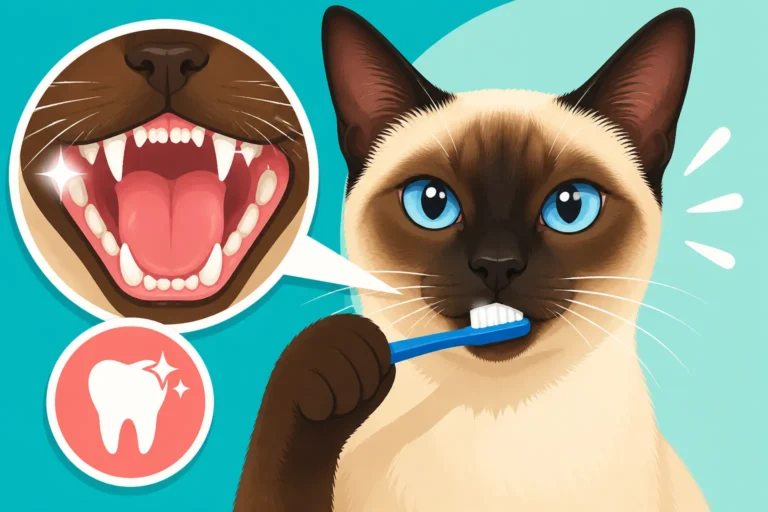
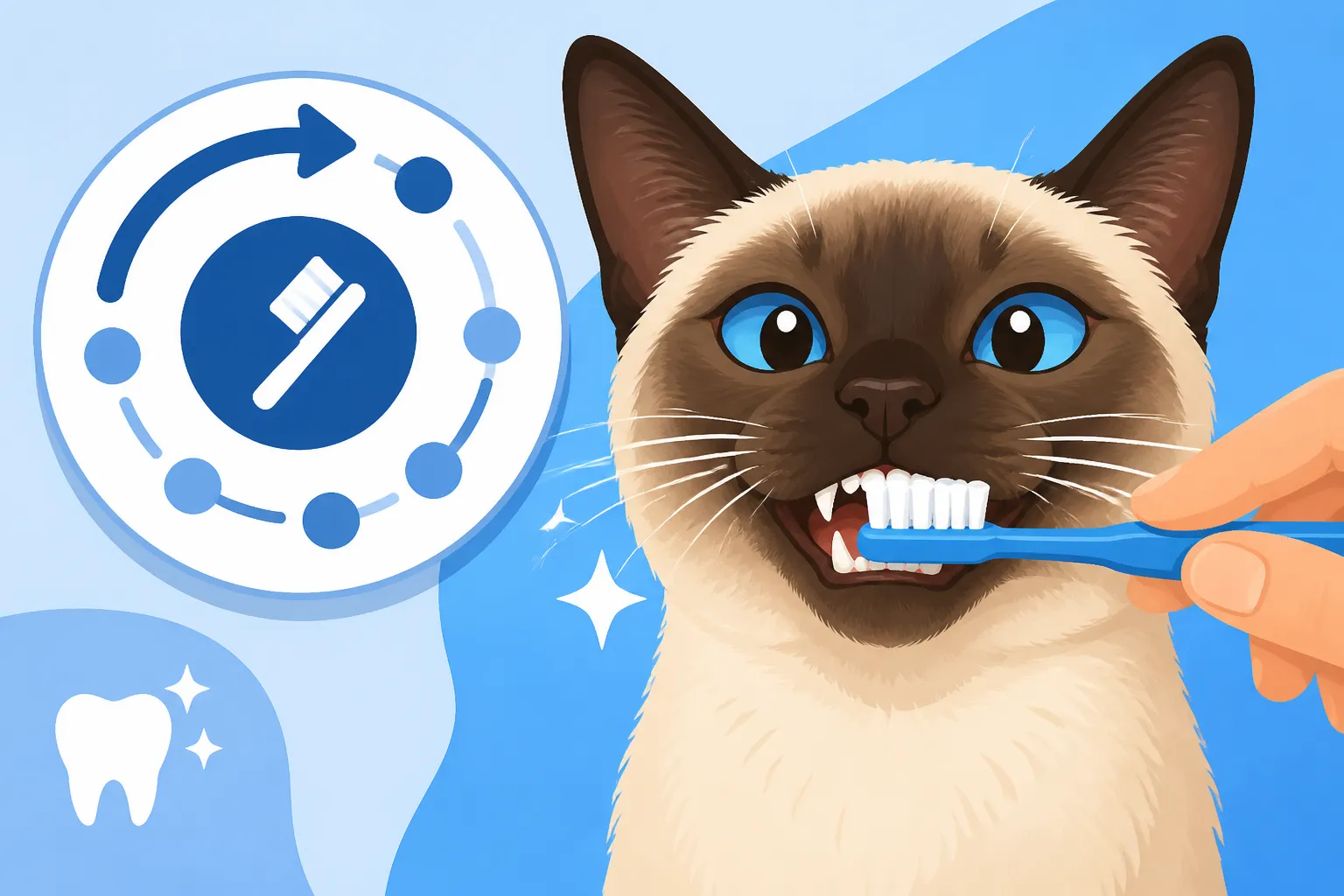
The absolute best practice for your Siamese cat's oral health is daily tooth brushing. Think of it like your own dental hygiene: if you only brushed your teeth once a week, you'd quickly notice the difference, wouldn't you? Cats are no different. Plaque forms continuously, and removing it every 24 hours prevents it from hardening into tartar. Daily brushing offers the most effective way to prevent plaque and tartar accumulation, significantly reducing the risk of gingivitis, periodontitis, and other painful conditions. It's the frontline defense against dental woes.
While daily might sound daunting, even a quick 30-second brush on each side of their mouth can make a huge difference. The key is consistency. If you can make it a part of your daily routine, perhaps right before their evening meal or cuddle time, your Siamese will eventually come to accept it, or at least tolerate it better than you might imagine.
Realistic Alternatives: Several Times a Week
Okay, let's be honest. Daily brushing can be a challenge for even the most dedicated cat parent, especially if you have a busy schedule or a particularly feisty feline. If daily simply isn't feasible, aiming for at least three to four times a week is a very respectable and effective alternative. Brushing every other day, or every two days, still removes a significant amount of plaque before it has a chance to fully calcify into tartar. This frequency can still greatly contribute to maintaining good oral hygiene and keeping their breath fresher.
The most important thing is to do something. Even a few times a week is infinitely better than no brushing at all. Don't beat yourself up if you miss a day; just pick up the brush again the next. Consistency, even if not daily, is your best weapon against dental disease.
When Brushing Isn't Enough: Professional Cleanings
Even with the most diligent home care, most Siamese cats will eventually need professional dental cleanings under anesthesia at their veterinarian's office. Think of it like this: you brush and floss daily, but you still go to the dentist for a professional cleaning, right? Your vet can reach areas you can't, remove hardened tartar, and perform a thorough oral examination to detect issues like FORLs or hidden pockets of infection.
How often your Siamese needs a professional dental cleaning depends on several factors: their age, genetics, diet, and the effectiveness of your home brushing routine. Some cats might need one every year or two, while others with excellent home care might go longer. Your vet will assess their oral health during regular check-ups and advise you on the best schedule. It's a critical part of their overall health plan, and you can learn more about the frequency in How Often a Siamese Cat Needs a Dental.
| Brushing Frequency | Primary Benefit | Common Challenges | Typical Outcome (with consistent effort) |
|---|---|---|---|
| Daily | Optimal plaque removal; best disease prevention | Time commitment; cat resistance | Excellent oral health; fewer vet dentals |
| Every Other Day | Significant plaque reduction | Maintaining routine; cat may still resist | Good oral health; likely fewer vet dentals than none |
| 2-3 Times/Week | Better than nothing; some plaque control | Less effective than daily | Moderate oral health; vet dentals still crucial |
| Never | No effort required | High risk of severe dental disease | Poor oral health; frequent, costly vet dentals & extractions |
Making Tooth Brushing a Positive Experience (or as positive as possible!)
Let's face it, no cat, especially an independent Siamese, is going to line up eagerly for a tooth brushing session without some convincing. The key is patience, positive reinforcement, and starting early.
Choosing the Right Tools
You wouldn't use a human toothbrush and toothpaste on your cat, and they certainly wouldn't thank you for it! Feline-specific dental products are essential.
- Toothbrushes: Look for toothbrushes designed for cats. These are typically smaller, softer, and shaped to fit a cat's mouth. Some come with a small head and angled handle, while others are finger brushes that slip over your finger, offering a more direct feel. You can find a wide variety of these on platforms like Chewy or Amazon.
- Enzymatic Toothpaste: This is non-negotiable. Feline toothpastes are formulated to be safe for cats to swallow (they can't rinse and spit!) and often contain enzymes that help break down plaque. They also come in cat-friendly flavors like poultry or fish, which can make the experience more palatable. Never use human toothpaste, as it contains fluoride and other ingredients that are toxic to cats. Our guide Which Toothpaste Suits a Siamese Cat has more details.
- Dental Wipes: For cats that absolutely refuse a brush, dental wipes can be a decent compromise. While not as effective as brushing, they can help remove some plaque from the outer surfaces of the teeth.
Gradual Introduction and Positive Reinforcement
The trick to successful brushing is slow, gentle introduction and making it a positive, or at least neutral, experience.
- Start Early: If you have a kitten, begin as young as possible. Kittens are generally more adaptable. Our article How Young to Start Brushing a Siamese Cat's Teeth offers specific advice for little ones.
- Get Them Used to Touch: Begin by simply touching your Siamese's mouth and gums for a few seconds. Praise them and offer a tiny, high-value treat immediately afterward. Do this a few times a day for several days until they are comfortable.
- Introduce the Toothpaste: Put a tiny bit of feline toothpaste on your finger and let them lick it off. Many cats love the flavor! Once they accept that, try rubbing a small amount on their gums. Again, reward immediately.
- Introduce the Brush: Once they're okay with the toothpaste and mouth touching, put a little toothpaste on the brush and let them lick it. Then, very gently, try to brush just one or two teeth for a second or two. Focus on the outer surfaces of the upper teeth first, as these are usually where plaque builds up fastest.
- Build Up Slowly: Over days or weeks, gradually increase the number of teeth you brush and the duration. Always end with praise and a treat. If your cat gets stressed, stop and try again later or the next day. A short, positive session is better than a long, traumatic one.
- Consistency is Key: Make it a routine. Cats thrive on routine, and knowing what to expect can reduce their anxiety.
Supplementary Dental Care Products
Even with brushing, there are other tools that can support your Siamese's oral health:
- Dental Treats: Certain treats are formulated to help reduce plaque and tartar as your cat chews them. Look for products with the Veterinary Oral Health Council (VOHC) seal of acceptance, which indicates they meet specific standards for plaque and tartar reduction. You can often find these from brands available on Chewy or Amazon. Remember, these are supplements, not replacements for brushing.
- Water Additives: Some solutions can be added to your cat's drinking water to help reduce bacteria and freshen breath. Again, look for VOHC-approved products. Your Siamese might not even notice it's there!
- Prescription Dental Diets: Your veterinarian might recommend a special dental diet for your Siamese if they are particularly prone to plaque buildup. These foods are designed with larger kibble that encourages chewing, or a texture that physically scrapes the tooth surface, reducing plaque accumulation. Some brands, like those found through your vet or specialty pet food retailers, have formulas dedicated to oral health. Always consult your vet before changing your cat's diet.
Recognizing Signs of Dental Trouble
Even with the best home care, it’s vital to be vigilant for signs that your Siamese might be experiencing dental pain or disease. Cats are masters at hiding discomfort, so you need to be a detective.
Subtle Indicators of Pain or Discomfort
Your Siamese cat is very good at maintaining a stoic front, even when in pain. Subtle changes in behavior can often be the first clue that something is amiss with their teeth.
- Bad Breath (Halitosis): While no cat's breath smells like roses, unusually foul or persistent bad breath is a strong indicator of bacterial overgrowth from dental disease. It's not normal, and it definitely warrants a closer look.
- Drooling: Excessive drooling, especially if it's thick, discolored, or contains traces of blood, can signal pain or infection in the mouth.
- Changes in Eating Habits: Is your usually ravenous Siamese suddenly hesitant to eat, especially hard kibble? Do they chew on one side of their mouth, drop food, or seem to approach their bowl gingerly? Painful teeth can make eating a chore.
- Paw Swatting at Mouth or Face Rubbing: If your cat is repeatedly pawing at their mouth, rubbing their face against furniture or the floor, or showing signs of irritation around their jaw, it could be a sign of discomfort.
- Irritability or Hiding: Cats in pain often become more reclusive or may lash out when touched near their face. If your typically affectionate Siamese suddenly seems withdrawn or snappish, a dental issue could be the root cause.
- Decreased Grooming: Pain in the mouth can make self-grooming difficult or painful, leading to a dull or unkempt coat.
Visible Signs Requiring Vet Attention
Some signs are more obvious and immediately scream "vet visit!" If you spot any of these, don't delay in scheduling an appointment.
- Red, Swollen, or Bleeding Gums: These are classic signs of gingivitis and potentially more advanced periodontal disease. Healthy gums should be a pale pink, not bright red or inflamed. Our guide on Signs a Siamese Cat's Gums Are Inflamed offers more details.
- Tartar Buildup: Yellow, brown, or green crusty deposits on the teeth, particularly along the gum line, are hardened plaque (tartar) and cannot be removed by brushing alone. This indicates a need for professional cleaning.
- Missing, Loose, or Broken Teeth: Clearly, a missing tooth or one that wiggles warrants immediate veterinary attention. Broken teeth expose the sensitive pulp, leading to immense pain and infection.
- Growths or Lumps: Any unusual lumps, bumps, or discolorations on the gums, tongue, or inside of the cheeks should be examined by a vet to rule out more serious conditions.
- Excessive Sneezing or Nasal Discharge: In severe cases, dental infections, particularly of the upper canine teeth, can extend into the nasal passages, leading to chronic sneezing or a unilateral (one-sided) nasal discharge.
Keeping an eye out for these indicators, along with a consistent home dental routine, is key to ensuring your Siamese cat lives a long, comfortable, and healthy life. Remember, proactive care, whether it's brushing or regular vet check-ups, is an investment in their happiness. It's all part of What Care a Siamese Cat Needs Its Whole Life.
Disclaimer
This article is for general informational purposes only and does not constitute professional advice. Laws, prices and regulations vary by location and change over time. Consult a qualified professional for guidance on your specific situation.