Why Siamese Cat Amyloidosis Is Inherited
Discovering your beloved Siamese cat might be predisposed to amyloidosis is truly heartbreaking, often leaving owners wondering how such a devastating illness could be lurking in their pet's genetic makeup. It's a cruel twist when you realize this silent killer often runs in families, and understanding why Siamese cat amyloidosis is inherited is the first step in navigating this difficult reality, offering insights into prevention and responsible ownership. This guide will delve deep into the genetic underpinnings of this devastating disease in our cherished Meezers.
Understanding Amyloidosis in Siamese Cats
When you bring a Siamese cat into your home, you're not just getting a pet; you're welcoming a vocal, intelligent, and deeply affectionate companion with a rich history. However, with that history comes a predisposition to certain health challenges, and one of the most insidious is amyloidosis. It's a condition that can creep up silently, causing immense distress to both cat and owner, and sadly, it's particularly prevalent within the Siamese breed and its close relatives.
The Silent Threat: What Amyloidosis Does to a Siamese Cat
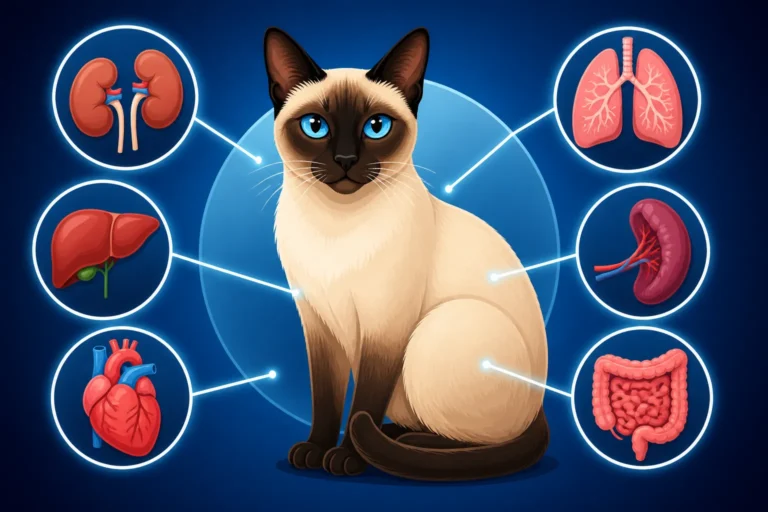
Amyloidosis isn't a single disease in the way, say, a bacterial infection is. Instead, it's a metabolic disorder characterized by the abnormal accumulation of a proteinaceous substance called amyloid in various tissues and organs. Imagine tiny, sticky, misfolded proteins that start piling up in vital organs, forming deposits that interfere with their normal function. Over time, these deposits gradually replace healthy tissue, leading to organ dysfunction and, eventually, failure. It's a slow, progressive takeover, often with subtle signs in the early stages, making it incredibly difficult to spot until significant damage has already occurred. This silent progression is one of the most frustrating aspects of the disease for caring pet parents.
The specific type of amyloidosis seen in Siamese cats is often referred to as reactive amyloidosis or AA amyloidosis. This type is associated with chronic inflammation, but in Siamese cats, there's a strong genetic component that makes them produce amyloid protein even without an obvious, prolonged inflammatory trigger. To truly grasp the full impact, it helps to understand what Amyloidosis Does to a Siamese Cat, which describes the cellular and functional damage in detail. The frustrating truth is that while the amyloid deposits are the immediate cause of the issues, the underlying mechanism is deeply rooted in the cat's inherited susceptibility.
The Primary Organs Affected and Their Impact
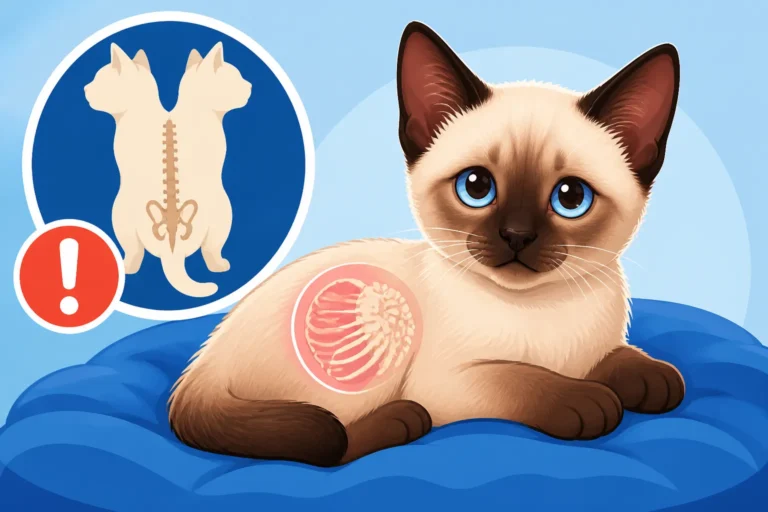
While amyloid can deposit in various organs, the liver and kidneys are the most commonly and severely affected in Siamese cats. When amyloid builds up in the liver, it can cause the organ to become fragile and prone to rupture. This is a terrifying scenario for any cat owner, as a ruptured liver can lead to sudden and catastrophic internal bleeding, often with little to no warning. You might not even know your cat has amyloidosis until it's too late, facing an emergency situation where rapid intervention is crucial but often unsuccessful. Learning about Signs a Siamese Cat Has Liver Amyloidosis can sometimes help, but often, by the time clinical signs are evident, the disease is advanced.
The kidneys are another major target. What Systemic Amyloidosis Does to a Siamese Cat's Kidneys is equally devastating, as these vital organs struggle to filter waste from the blood effectively. As amyloid deposits accumulate, kidney function declines, leading to chronic kidney disease. This can manifest as increased thirst and urination, weight loss, and a general decline in health. While kidney disease can be managed to some extent, the underlying amyloidosis makes it a relentless battle. The unpredictable nature of which organs Amyloidosis Hits in a Siamese Cat makes it even more challenging, as symptoms can vary greatly from one affected cat to another.
The Genetic Link: Why Siamese Cats Are Predisposed
It's a question that plagues many Siamese cat owners: why this breed? Why are our beautiful Meezers so susceptible to such a dreadful condition? The answer, unfortunately, lies deep within their genetic heritage. This isn't just a random occurrence; there's a clear, inherited predisposition that makes Siamese cats uniquely vulnerable to amyloidosis.
Autosomal Recessive Inheritance: Unpacking the Genetics
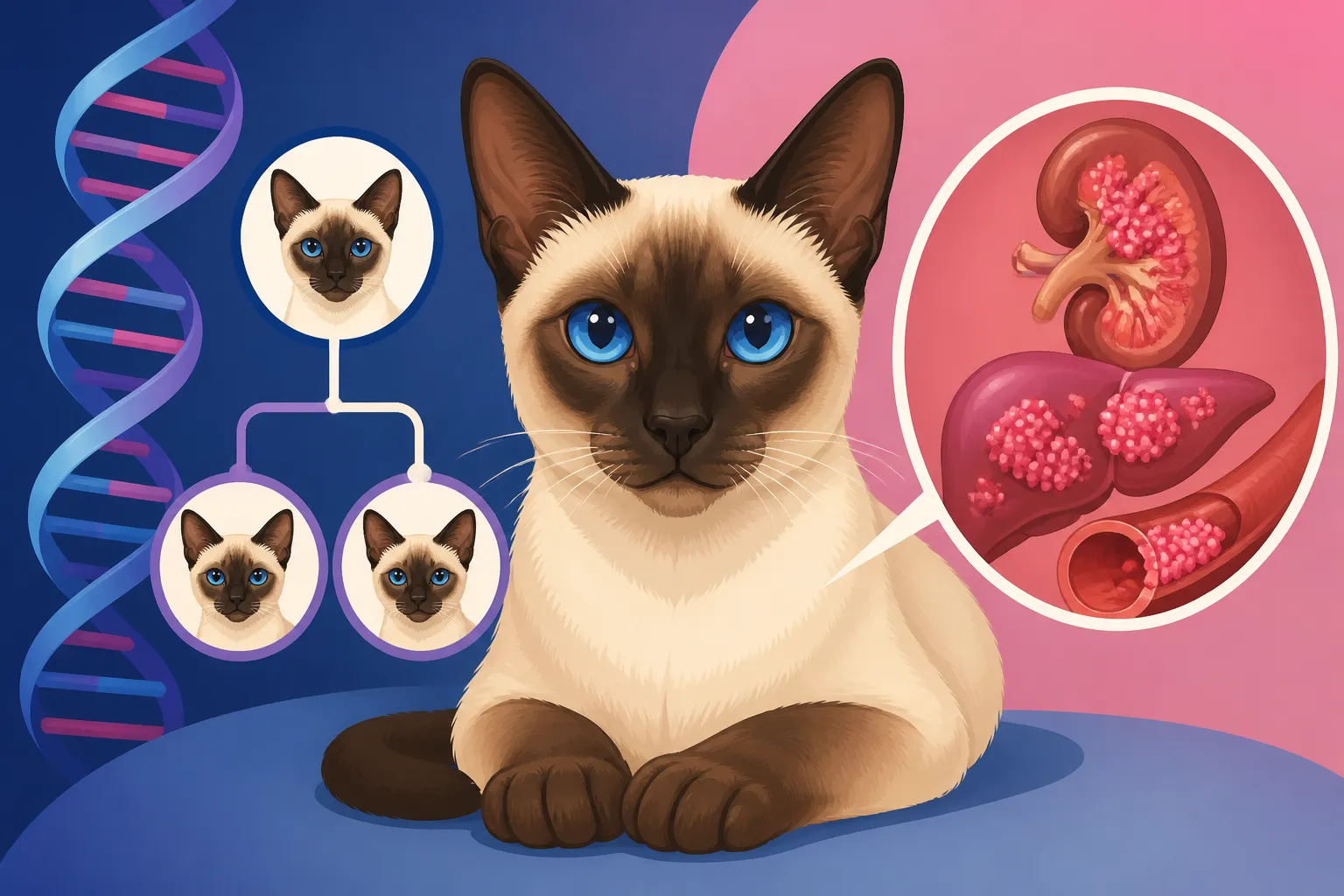
The current understanding points to an autosomal recessive mode of inheritance for Siamese cat amyloidosis. What does "autosomal recessive" actually mean for a pet owner? It means that a cat needs to inherit two copies of a specific faulty gene—one from its mother and one from its father—to develop the disease. If a cat inherits only one copy of the faulty gene and one normal copy, it won't typically show symptoms of amyloidosis itself. Instead, it will be a "carrier." Carriers are healthy cats that can silently pass the faulty gene on to their offspring, potentially perpetuating the disease in future generations without ever showing signs themselves. This explains why the disease can suddenly appear in a litter, even if both parents seem perfectly healthy. It's a hidden genetic lottery, and it's incredibly difficult to manage without proper genetic screening tools.
To illustrate this, consider the following simplified inheritance patterns:
| Parent 1 (Genotype) | Parent 2 (Genotype) | Offspring Possibilities | Outcome for Offspring |
|---|---|---|---|
| AA (Normal) | AA (Normal) | 100% AA | All normal, non-carriers |
| AA (Normal) | Aa (Carrier) | 50% AA, 50% Aa | Half normal, half carriers |
| Aa (Carrier) | Aa (Carrier) | 25% AA, 50% Aa, 25% aa | 25% normal, 50% carriers, 25% affected |
| aa (Affected) | AA (Normal) | 100% Aa | All carriers |
| aa (Affected) | Aa (Carrier) | 50% Aa, 50% aa | Half carriers, half affected |
| aa (Affected) | aa (Affected) | 100% aa | All affected |
Legend: AA = two normal genes, Aa = one normal and one faulty gene (carrier), aa = two faulty genes (affected)
This table highlights the precarious situation when carriers are bred. Even if both parents appear robust and healthy, if they both carry the single faulty gene (Aa), there's a 25% chance with each kitten born that it will inherit two copies of the problematic gene (aa) and develop amyloidosis. This underscores why Amyloidosis Is the Disease That Kills Young Siamese Cats, as the genetic predisposition often manifests at an early age.
Identifying the Gene: The Ongoing Scientific Quest
The precise gene responsible for this form of amyloidosis in Siamese cats has been a subject of intense scientific study, but it has proven elusive. Researchers have been working tirelessly to pinpoint the exact genetic mutation or marker that predisposes these cats to the disease. The challenge lies in the complex nature of genetics; sometimes, it's not a single "on-off" switch but a combination of genes, or even environmental factors interacting with genetic predispositions, that determines whether a cat will develop the condition. While there is no DNA Test for Siamese Cat Amyloidosis currently available to breeders, the scientific community continues to collaborate, driven by the hope of developing a reliable screening tool.
The search for the specific genetic marker is crucial because it would allow breeders to test their cats and make informed decisions, ideally eliminating affected and carrier animals from breeding programs. Without such a test, even the most responsible breeders are often operating with incomplete information, relying heavily on family history, which can be difficult to track accurately over many generations. This lack of a definitive test also contributes to the heartbreak for owners, as they often have no way of knowing their cat's genetic risk until symptoms tragically appear, sometimes quite suddenly. The ongoing efforts by veterinary geneticists are vital in protecting the future health of the breed.
Tracing the Lineage: Family History and Breeding
The inherited nature of amyloidosis means that understanding a cat's family tree is paramount, not just for breeders but for potential owners too. When a disease is passed down through generations, the decisions made by breeders directly impact the health outcomes of countless kittens. It’s a heavy responsibility, and it highlights why transparency and meticulous record-keeping are so critical in the cat fancy.
The Role of Ancestry in Disease Expression
Given the autosomal recessive inheritance pattern, an affected cat must have inherited a faulty gene from both its mother and its father. This means that if a cat develops amyloidosis, both of its parents were at least carriers of the gene. And if those parents were carriers, then their siblings, and even their own parents, might also carry the gene. It creates a spiderweb of potential genetic risk throughout a cat's ancestry. This is why a breeder needs to track not just obvious cases of amyloidosis but also any unexplained, early deaths or liver/kidney issues in their lines. It's a massive undertaking, as often, the first sign a family line is affected is a tragic and unexpected loss. The age Amyloidosis Appears in a Siamese Cat can vary, but it often strikes in younger to middle-aged cats, which is particularly devastating.
For potential pet owners, asking about the health history of the kitten's parents and grandparents, especially concerning liver or kidney issues and sudden deaths, is absolutely critical. While no breeder can guarantee a disease-free cat, a responsible breeder will be open about any known health issues in their lines and transparent about their efforts to mitigate risks. This might involve pausing breeding from certain lines or only breeding a carrier to a cat confirmed to be clear of the gene, once a test becomes available. Without a DNA test, breeders are essentially making educated guesses based on phenotypic expression (what they see in the cats themselves) and known familial patterns, which is a significant limitation. This is one of the key reasons why Amyloidosis in a Siamese Cat is Inherited, perpetuating the cycle.
Breeding Decisions and Ethical Considerations
For breeders, the inherited nature of amyloidosis presents significant ethical dilemmas. If a cat in their breeding program produces an offspring that later develops amyloidosis, that breeding cat is, by definition, at least a carrier. The question then becomes: should that carrier cat continue to be bred? Many ethical breeders would choose to remove such a cat from their breeding program, or at the very least, only breed it to a mate that has a completely clear lineage, free of any known amyloidosis cases, to minimize the risk of producing affected kittens. This is a tough call, especially if the carrier cat has many other desirable traits.
The goal is always to improve the health of the breed, not just perpetuate it. The responsible breeder's role extends beyond producing beautiful kittens; it's about safeguarding their long-term health. Some breeders may even advocate for early spaying or neutering of all kittens from lines with known amyloidosis cases, even if a test isn't available, to prevent the accidental passing on of the gene. While this can be costly and difficult to implement consistently across a breed, it demonstrates a commitment to the health and longevity of the Siamese. These are the kinds of discussions and practices that What a Siamese Cat Breeder Should Have Screened speaks to, emphasizing the comprehensive approach needed.
Challenges in Screening and Diagnosis
The cruel irony of inherited diseases like amyloidosis in Siamese cats is that while we understand the genetic mechanism, identifying affected individuals before symptoms appear, or even confirming a diagnosis accurately, can be incredibly challenging. This lack of clear diagnostic pathways adds to the emotional and financial burden on owners. Comprehensive pet insurance plans, like those offered by Healthy Paws, can certainly help alleviate some of the financial stress associated with diagnosing and treating complex conditions, making proactive veterinary care more accessible.
The Absence of a Definitive DNA Test
One of the biggest frustrations for both breeders and owners is the fact that There Is No DNA Test for Siamese Cat Amyloidosis. In this modern age of genetic sequencing, it seems counterintuitive that we cannot screen for such a devastating inherited condition. The reason, as mentioned, is that the exact gene or complex of genes responsible has not yet been isolated. Without pinpointing the specific genetic markers, a commercial DNA test simply cannot be developed. This leaves breeders in a difficult position, relying on pedigree analysis and the heartbreaking process of seeing the disease manifest in offspring or relatives before understanding a particular line's risk.
This absence of a test means that carriers cannot be identified with certainty. A cat could be carrying the gene for amyloidosis throughout its life, pass it on to numerous offspring, and never show a single symptom itself. Only by meticulous tracking of family health and, tragically, instances of the disease appearing in related cats, can breeders even begin to make educated guesses about which lines might be at risk. This is why many concerned owners and breeders eagerly await any scientific breakthrough that could lead to a reliable test. This is also why proactive blood tests, while not diagnostic for amyloidosis, can sometimes flag early kidney or liver abnormalities that might prompt further investigation into Which Blood Values Flag Amyloidosis in a Siamese Cat.
Post-Mortem Diagnosis: A Heartbreaking Reality
All too often, the definitive diagnosis of amyloidosis in a Siamese cat comes too late: after the cat has passed away. Why Siamese Cat Amyloidosis Is Usually Found After Death is a grim reality, as post-mortem examination (necropsy) allows veterinarians to visibly confirm the amyloid deposits in the affected organs. It's a heartbreaking scenario for owners, who receive closure but also the devastating confirmation that their beloved pet suffered from an incurable genetic condition. This late diagnosis means that any chance of early intervention or management was simply impossible.
The insidious nature of the disease, with its non-specific early symptoms that can mimic many other conditions, contributes to this post-mortem revelation. Signs like lethargy, decreased appetite, or subtle changes in urination can easily be dismissed or attributed to less serious ailments. Even advanced diagnostic tools like ultrasound can be inconclusive, as Whether an Ultrasound Finds Siamese Cat Amyloidosis often depends on the size and distribution of the deposits, which might not be obvious until the disease is very advanced. This uncertainty during a cat's life makes it incredibly difficult for owners and vets to intervene effectively, leaving many feeling helpless in the face of this silent killer.
Managing the Risk: What Owners and Breeders Can Do
Despite the challenges of diagnosis and the lack of a genetic test, there are still steps owners and breeders can take to manage the risk of amyloidosis in Siamese cats. While we can't eliminate the genetic predisposition overnight, a combination of diligent care, informed breeding practices, and support for scientific research can make a significant difference. It's about empowering ourselves with knowledge and taking proactive measures.
Proactive Care for At-Risk Siamese Cats
For owners of Siamese cats, especially those from lines with a known history of amyloidosis, proactive care becomes incredibly important. While there's no cure for amyloidosis, managing general health can potentially mitigate secondary issues or support organ function. This includes a high-quality diet, regular veterinary check-ups (at least once a year, and more frequently for seniors or those with concerns), and prompt attention to any changes in appetite, thirst, or energy levels. Early detection of any underlying inflammation could be helpful, though challenging given the nature of the disease. Regular bloodwork and urinalysis, while not directly diagnostic for amyloidosis, can help monitor kidney and liver function over time. If a pet insurance like Healthy Paws is in place, it can significantly ease the financial burden of these regular screenings and any potential emergency treatments if symptoms arise.
It's also crucial to maintain a low-stress environment for your Siamese cat, as chronic stress can potentially contribute to inflammation, which in some theories, might exacerbate amyloid production. Ensure they have plenty of enrichment, a stable routine, and a secure home. If a cat is showing any signs of discomfort or changes in behavior, a prompt vet visit is always warranted. While it can be frustrating to know that Whether Siamese Cat Amyloidosis Can Be Caught Early is still a major hurdle, providing the best possible supportive care can only benefit your beloved companion. Some anecdotal evidence suggests a diet rich in highly digestible proteins and low in inflammatory ingredients might be beneficial, but this should always be discussed with your veterinarian.
Supporting Research and Responsible Breeding Practices
The long-term solution for Siamese cat amyloidosis lies in continued scientific research to identify the causative gene and develop a reliable genetic test. As owners and enthusiasts, we can support these efforts through various avenues. Donating to feline health foundations that fund genetic research, participating in breed-specific studies if requested by veterinarians, and advocating for ethical breeding practices are all ways to contribute. Responsible breeders play a critical role here, by being transparent about their lines, sharing health information, and making difficult decisions to remove affected or high-risk carriers from their programs once more definitive screening tools become available.
Until a genetic test is available, responsible breeding relies heavily on meticulous record-keeping and a deep understanding of pedigrees. This means tracking not only causes of death but also age of death and any chronic illnesses, especially liver and kidney issues, across multiple generations. It's a commitment to the breed that goes beyond winning ribbons. For pet owners looking to bring a Siamese cat into their family, this means choosing a breeder who is open about health screening, provides verifiable health guarantees, and prioritizes the long-term well-being of their cats over quick profits. Asking breeders about their strategies to address inherited conditions is not just valid but necessary. While it's tough, understanding Why Amyloidosis Runs in Siamese Cat Families empowers us to make better choices for the future of these wonderful cats.
Disclaimer
The information provided in this article is for general informational purposes only and does not constitute veterinary advice. Always consult with a qualified veterinarian for any health concerns or before making any decisions about your pet's care.