Signs a Siamese Cat Has Liver Amyloidosis
It’s a truly heartbreaking experience when your beloved Siamese cat, usually so full of life and chatter, starts to show subtle signs of illness. You might brush it off as a bad day or a passing upset stomach, but sometimes, these vague symptoms can be the quiet whispers of something far more serious, like liver amyloidosis. This comprehensive guide aims to shine a light on the specific signs and symptoms of liver amyloidosis in Siamese cats, helping you recognize these crucial indicators early and understand the silent battle your furry family member might be fighting.
The Hidden Threat of Liver Amyloidosis in Siamese Cats
Liver amyloidosis is a devastating condition that disproportionately affects our beautiful Siamese friends. It's a cruel irony that a breed known for its robust health and long lifespans can be so prone to an inherited disease that often strikes without much warning. Imagine finding out your vibrant companion is silently suffering from a condition that essentially clogs up their vital organs – that's the reality of amyloidosis. It's not just a generic liver problem; it's a specific, genetically-linked disorder that leaves many owners feeling helpless and blindsided.
Understanding Amyloid Deposits in the Liver
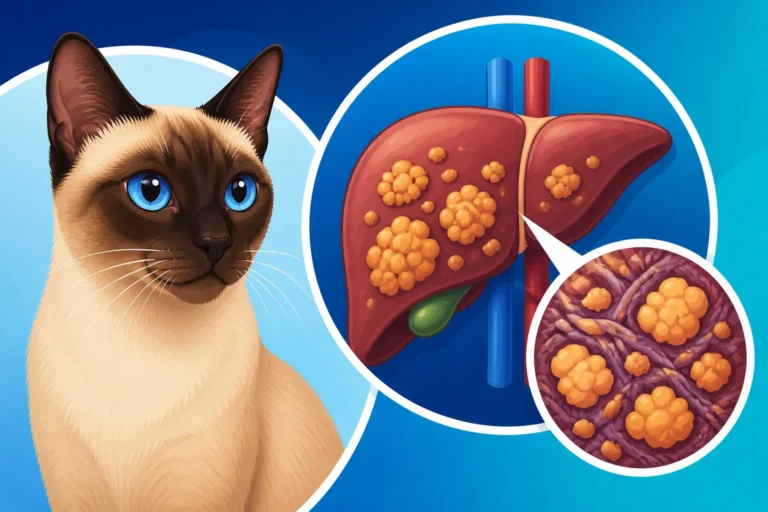
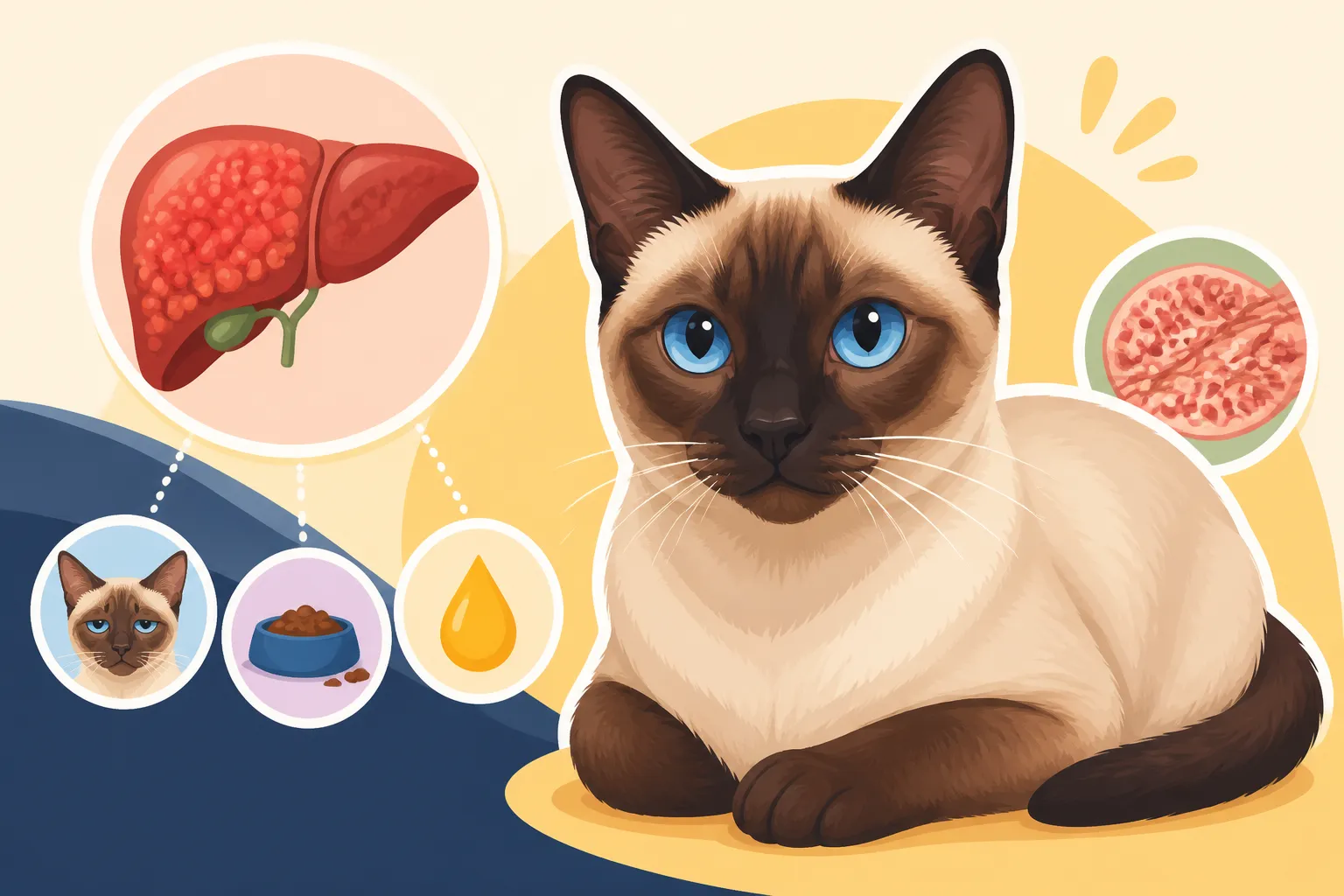
At its core, liver amyloidosis is characterized by the abnormal accumulation of a protein called amyloid in the liver. Think of amyloid like a sticky, fibrous goo that starts to build up within the liver tissue, gradually displacing the normal, healthy cells that are essential for the liver to do its job. This insidious buildup isn't a sudden event; it happens slowly over time, often for years, without any outward signs. Your cat's liver is a powerhouse, responsible for everything from detoxification and digestion to producing vital proteins and clotting factors. As more and more amyloid takes over, the liver becomes stiff, fragile, and less efficient. This silent infiltration is why the disease is so dangerous – by the time symptoms become obvious, the damage is often extensive. You can dive deeper into the mechanics of this condition by exploring What Amyloidosis Does to a Siamese Cat and Why Amyloid Builds Up in a Siamese Cat's Liver.
The Inherited Link to Siamese Cats
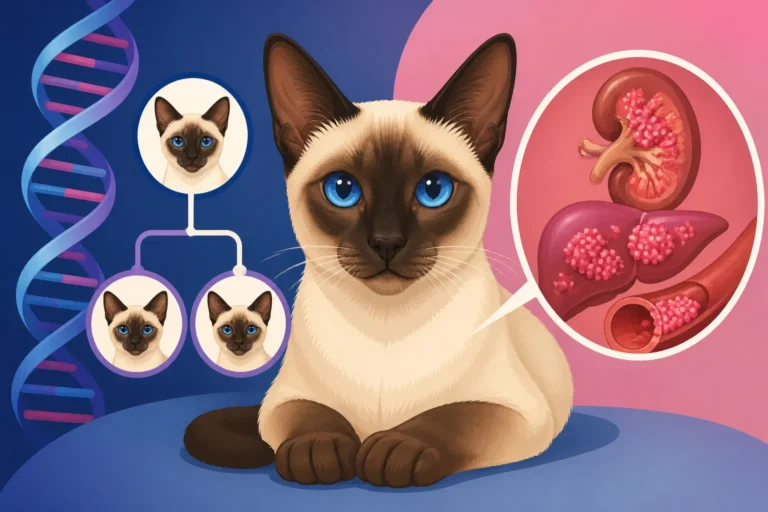
The most frustrating aspect of liver amyloidosis for Siamese cat owners is its inherited nature. This isn't just a random occurrence; it's believed to be passed down through genetic lines within the breed. This means that if your Siamese cat develops liver amyloidosis, it's highly likely that their parents or other close relatives carried the gene or were also affected. While there isn't currently a specific DNA test to screen for the gene that causes amyloidosis in Siamese cats, responsible breeders often try to track family health histories to avoid breeding affected lines. However, the recessive nature of the gene means it can hide for generations, making it incredibly challenging to eliminate entirely. This genetic predisposition means that vigilance is paramount for any Siamese owner. The information in Why Siamese Cat Amyloidosis Is Inherited delves deeper into this hereditary aspect.
Early, Subtler Signals That Are Easy to Overlook
One of the biggest challenges with liver amyloidosis is that the early signs are often so vague and non-specific that they can easily be mistaken for other, less serious conditions, or even just a cat being "off" for a day or two. Our Siamese cats are famously stoic, often hiding discomfort until they can no longer bear it. This makes it incredibly important for owners to be tuned into even the slightest changes in their cat’s routine or demeanor. It's these subtle shifts that can be the first red flags that something deeper is amiss.
Slight Changes in Appetite and Energy Levels
Initially, you might notice your Siamese isn't quite as enthusiastic about mealtime. Perhaps they leave a few kibbles behind when they usually clean the bowl, or they turn their nose up at their favorite wet food. It’s not a complete refusal to eat, just a gradual decrease in appetite or a newfound pickiness. Along with this, you might observe a general subtle dip in their energy. That usually boundless Siamese energy, the kind that has them tearing around the house at 3 AM, might become a little less intense. They might nap a bit more than usual, or not engage in play as vigorously. This isn't dramatic lethargy at first, but rather a slow fading of their usual vibrant spark. It's the kind of change that, if you're not paying close attention, you might attribute to them simply "growing up" or having a lazy day.
Intermittent Vomiting or Diarrhea
Another early sign can be occasional, unexplained gastrointestinal upset. Your cat might vomit a small amount of food or bile, or have a loose stool, seemingly out of nowhere. The key here is that it's often intermittent – it happens, then it seems to clear up for a while, making it easy to dismiss as a hairball or eating something disagreeable. Because the liver plays a crucial role in digestion and detoxification, its compromised function can lead to these mild digestive disturbances. There might be no obvious trigger, and your cat might otherwise seem fine for a few days before another episode occurs. This on-again, off-again nature can make it hard to connect the dots, especially since many cats experience occasional GI issues throughout their lives. Keeping a journal of these small incidents can be incredibly helpful for your vet later on.
Progressive Symptoms as Liver Function Declines
As the amyloid deposits continue to grow and the liver's capacity diminishes further, the symptoms become more pronounced and indicative of serious illness. This is when most owners realize something is truly wrong, but by this stage, the disease has often progressed significantly. These symptoms reflect a more widespread systemic impact as the liver struggles to perform its many vital functions.
The Concerning Appearance of Jaundice
One of the most visually alarming signs of significant liver dysfunction is jaundice, often described as a yellowing of the skin, gums, and whites of the eyes. This happens when bilirubin, a yellow pigment that's a byproduct of red blood cell breakdown, isn't processed properly by the liver and builds up in the bloodstream. If you gently pull back your Siamese cat's lip and notice their gums have a yellowish tint instead of their usual healthy pink, or if the whites of their eyes look distinctly yellow, it’s a critical red flag. This can also sometimes be seen on the inner ear flaps or even the skin if your cat has less pigment in those areas. Jaundice is never normal and always warrants immediate veterinary attention. It signifies that the liver is severely compromised and struggling to keep up with its detoxification duties.
Increased Thirst and Changes in Urination Habits
As liver disease progresses, you might start noticing your Siamese cat visiting the water bowl more frequently or emptying it faster than usual. Along with increased thirst, there might be an increase in urination, both in frequency and volume. This symptom can be a bit tricky because increased thirst and urination are also classic signs of kidney disease, which can sometimes occur alongside or be exacerbated by advanced liver problems, or even be a part of systemic amyloidosis affecting multiple organs. However, in the context of other liver-related symptoms, it points to the body's struggle to maintain balance as toxins build up and the kidneys try to compensate. It's a sign that the body's internal plumbing is no longer working efficiently, and hydration is becoming a bigger concern.
Abdominal Discomfort or Visible Swelling
A declining liver can lead to fluid accumulation in the abdomen, a condition known as ascites. This might manifest as a noticeable distension or swelling of your cat's belly, making them look pot-bellied, even if they've been losing weight elsewhere. This swelling isn't just cosmetic; it can cause significant discomfort and even pain. Your cat might become sensitive to being touched around the abdomen, or might adopt a hunched posture to try and alleviate pressure. In some cases, the liver itself might become enlarged and palpable upon examination by a vet. This abdominal swelling can put pressure on internal organs, making breathing more difficult and adding to your cat's general malaise. This is a clear indicator that the liver's condition is severely impacting other bodily functions.
The Critical Turning Point: Signs of a Ruptured Liver
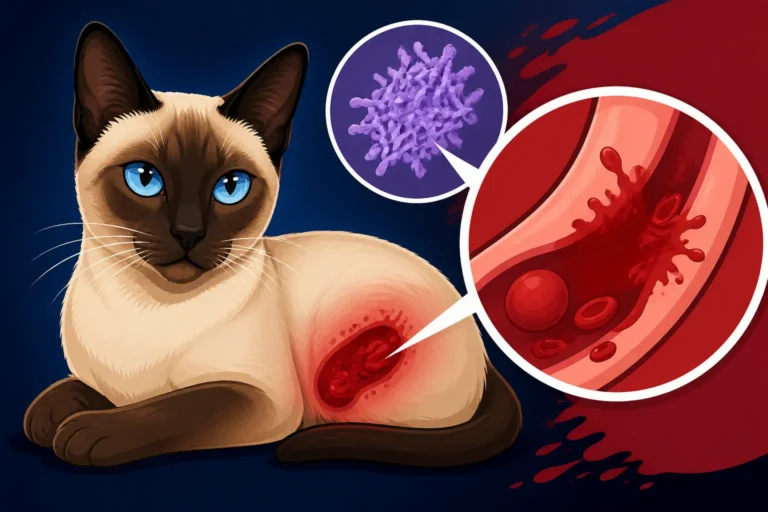
This is the moment every Siamese owner dreads, and sadly, it’s often the first definitive sign that liver amyloidosis is present. Because the amyloid deposits make the liver tissue incredibly fragile and brittle, even a minor trauma, a sudden jump, or sometimes no discernible cause at all, can lead to a catastrophic rupture of the liver. This results in acute internal bleeding, a veterinary emergency that requires immediate, aggressive intervention. It’s a terrifying experience for both cat and owner, often unfolding very rapidly.
Sudden Weakness and Collapse
When a Siamese cat’s liver ruptures, the resulting internal bleeding causes a rapid drop in blood pressure and circulating blood volume. The immediate effect is often profound weakness and collapse. Your cat might be perfectly fine one moment, perhaps jumping off a chair or stretching, and then suddenly become very wobbly, stumble, and fall to the ground, unable to get back up. They might be unresponsive or only minimally responsive. This isn't just a tired cat; this is a cat in shock, experiencing a life-threatening hemorrhage. The speed at which this happens is alarming and demands an immediate trip to the emergency veterinary clinic. Learning about How Amyloid Weakens a Siamese Cat's Liver Wall can help you understand the mechanics behind this devastating event.
Pale Gums and Rapid, Shallow Breathing
As blood is lost internally, your cat's body tries desperately to compensate. One of the most telling signs of severe blood loss and shock is extremely pale or even white gums. Instead of the healthy pink you usually see, their gums will appear almost colorless due to the lack of oxygenated blood circulating adequately. Along with this, you'll likely observe rapid, shallow breathing as their body tries to take in more oxygen and circulate the remaining blood more quickly. Their heart rate will also be elevated, though this is harder for an owner to accurately assess. Their body temperature might drop, and they could feel cold to the touch. These are all classic signs of hypovolemic shock, a direct consequence of massive internal bleeding from a ruptured liver.
Severe Abdominal Pain and Distress
A liver rupture and the subsequent pooling of blood in the abdominal cavity is an incredibly painful event for a cat. Your Siamese might cry out, growl, or hiss if you try to touch their belly. They may adopt a very hunched, protective posture, refusing to move, or they might try to hide in a secluded, dark place. Some cats will excessively lick their abdomen or vocalize their distress with sharp, urgent yowls – a sound far different from their usual conversational meows. The pain can be so intense that they might even lash out, which is completely out of character for a typically affectionate Siamese. This level of acute pain, combined with the other signs, confirms a dire emergency. You'll want to be aware of How Fast a Siamese Cat Dies From a Liver Bleed to understand the urgency of this situation.
Distinguishing Liver Amyloidosis from Other Ailments
Because many of the symptoms of liver amyloidosis are non-specific, it’s incredibly challenging to pinpoint this exact condition without advanced veterinary diagnostics. Many other common feline diseases can mimic these signs, making a definitive diagnosis elusive until it's very advanced or, tragically, post-mortem. This is where a truly thorough veterinary workup comes into play, as your vet tries to rule out other possibilities.
Overlap with Other Feline Liver Diseases
The signs of liver amyloidosis, especially in its earlier stages, can look identical to other common feline liver issues. For example, cholangitis (inflammation of the bile ducts), hepatic lipidosis (fatty liver disease, often seen in anorexic cats), or even certain types of liver cancer can all present with lethargy, appetite loss, vomiting, and jaundice. Your vet will likely run a battery of tests to differentiate these conditions. It's a frustrating dance of elimination because there isn't one simple "amyloidosis test." The subtle differences in blood work, or the appearance of the liver on imaging, might offer clues, but it's rarely straightforward. This complexity underscores why comprehensive pet insurance, like a plan from Healthy Paws, can be so beneficial for unexpected diagnostic journeys, covering the costs of various tests needed to get answers.
Systemic Amyloidosis and Kidney Involvement
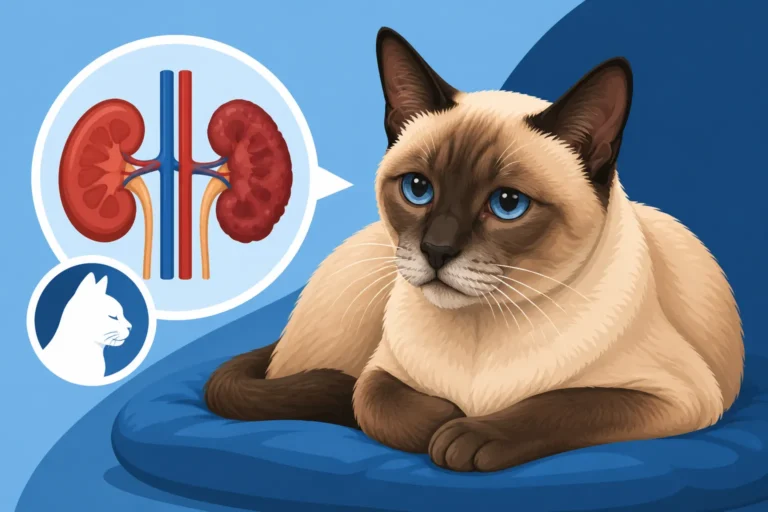
It’s also important to remember that while we're focusing on liver amyloidosis, amyloid can sometimes deposit in other organs throughout the body, a condition known as systemic amyloidosis. In Siamese cats, the kidneys are another organ frequently affected. If amyloid builds up in the kidneys, you might see signs of kidney disease alongside or even before pronounced liver signs. This could include increased thirst, increased urination, and weight loss, further complicating the diagnostic picture. This is why a full physical exam and comprehensive blood work are essential, as they can reveal issues in multiple organ systems simultaneously. Understanding What Systemic Amyloidosis Does to a Siamese Cat's Kidneys can provide additional context.
Diagnostic Challenges and Veterinary Insights
The insidious nature of liver amyloidosis means that getting a definitive diagnosis before a crisis point is incredibly difficult. Owners often feel frustrated, bouncing from vet visit to vet visit, trying to understand why their cat is unwell, only to receive inconclusive answers. This difficulty in diagnosis is one of the most heartbreaking realities of the disease.
Why Diagnosis is Often Post-Mortem
One of the most tragic realities of liver amyloidosis is that a definitive diagnosis is often only made during a post-mortem examination. By the time the symptoms are severe enough to warrant extensive investigation, the liver is already critically compromised. A biopsy of the liver is the gold standard for confirming amyloid deposits, but taking a liver biopsy from a cat with a severely fragile liver, which is also likely to have impaired blood clotting abilities due to liver failure, carries significant risks. Vets are often hesitant to perform such an invasive procedure on an already unstable cat, as it could precipitate the very rupture they are trying to understand. This ethical dilemma means that many cats pass away from a suspected liver rupture, and the true cause of amyloidosis is only confirmed during a necropsy. This speaks to the frustration detailed in Why Siamese Cat Amyloidosis Is Usually Found After Death.
The Role of Bloodwork and Imaging
While a definitive live diagnosis is tough, your veterinarian will utilize blood tests and imaging to get the clearest picture possible. Blood tests will typically include a complete blood count (CBC) and a biochemistry panel. The biochemistry panel can show elevated liver enzymes (like ALT, ALP), which indicate liver damage, as well as changes in bilirubin levels if jaundice is present. It might also show low albumin (a protein produced by the liver) and abnormal clotting factors, both consequences of failing liver function. A low red blood cell count might indicate internal bleeding. You can look into Which Blood Values Flag Amyloidosis in a Siamese Cat for more details.
An ultrasound is another crucial diagnostic tool. It allows the vet to visualize the liver's size, shape, and internal architecture. With liver amyloidosis, the liver might appear enlarged, or have an abnormal texture. An ultrasound can also detect ascites (fluid in the abdomen) and, critically, internal bleeding if a rupture has occurred. While an ultrasound cannot definitively diagnose amyloidosis without a biopsy, it can certainly raise strong suspicions and guide treatment. Getting these advanced diagnostic tests can be expensive, and having pet insurance from a reputable provider like Healthy Paws can significantly ease the financial burden during a stressful time, allowing you to make medical decisions based on what’s best for your cat, not your wallet. Learning Whether an Ultrasound Finds Siamese Cat Amyloidosis provides further insight.
When to Seek Immediate Veterinary Care
Understanding these signs is crucial, but knowing when to act is paramount. Because liver amyloidosis can escalate so quickly, any suspicion of severe symptoms warrants urgent professional attention.
Signs Demanding Emergency Intervention
Any time you observe sudden collapse, profound weakness, difficulty breathing, extremely pale gums, or obvious severe abdominal pain in your Siamese cat, it's not a "wait and see" situation. These are indicators of a severe, life-threatening crisis, most likely a ruptured liver and internal bleeding. Don't delay; get your cat to the nearest emergency veterinary clinic immediately. Even if it turns out to be something less severe, these symptoms are always serious and require urgent medical assessment. The quicker you get help, the better the chance, however slim, that your cat might receive stabilizing care. This is a situation where every minute counts. Understanding How a Vet Stabilizes a Bleeding Siamese Cat can help prepare you for what to expect.
Long-Term Management and Prognosis
If your Siamese cat is diagnosed with liver amyloidosis before a rupture, or if they miraculously survive one, the long-term prognosis is unfortunately guarded. There is currently no cure for amyloidosis; treatment is primarily supportive, aimed at managing symptoms and slowing the progression of the disease. This might involve special diets, medications to support liver function, pain management, and careful monitoring. The goal is to maximize their quality of life for as long as possible. Medications like colchicine have been explored, aiming to reduce amyloid production or enhance its clearance, but their efficacy in cats, especially for liver amyloidosis, remains a topic of ongoing research and debate. This ongoing, complex care can be emotionally and financially draining. Again, a comprehensive pet insurance plan from a company like Healthy Paws can be a lifesaver, helping cover the costs of these specialized diets, long-term medications, and frequent veterinary check-ups. The reality is that the disease will likely progress, and owners must prepare for the difficult decisions that may lie ahead. For more on treatment, see How a Siamese Cat's Ruptured Liver Is Treated and Whether a Siamese Cat Survives a Ruptured Liver.
Here’s a summary of the signs of liver amyloidosis to help you distinguish between the subtle and urgent indicators:
| Symptom Category | Early/Subtle Signs | Progressive Signs | Critical Signs (Emergency!) |
|---|---|---|---|
| Appetite & Energy | Mild decrease in appetite, slightly less active | Significant appetite loss, lethargy, weight loss | Complete refusal to eat, collapse |
| Digestive | Occasional vomiting/diarrhea | Persistent vomiting, diarrhea, ascites (abdominal fluid) | Severe abdominal pain, distension |
| Appearance | None | Jaundice (yellow skin/eyes/gums) | Pale/white gums, cold extremities |
| Behavior | Slight withdrawal, less playful | Hiding, hunched posture, sensitivity to touch | Crying out in pain, aggression from pain, unresponsive |
| Other | Increased thirst & urination | Rapid/shallow breathing, sudden weakness, collapse |
Responsible Breeding and the Future
Given the inherited nature of liver amyloidosis, the future prevention of this heartbreaking disease rests heavily on responsible breeding practices. It's a tough conversation, especially since there's no direct DNA test to identify carriers, unlike some other genetic conditions. This is discussed in There Is No DNA Test for Siamese Cat Amyloidosis.
Pedigree Research and Health Screening
For conscientious breeders, understanding the family lines of their cats is paramount. This means meticulously tracking health issues, especially any sudden deaths or diagnoses of liver disease, throughout their breeding stock's pedigrees. If a cat produces offspring that develop amyloidosis, or if it comes from a line with a known history of the disease, that cat should ideally be removed from breeding programs. This isn't easy, as it can mean foregoing otherwise excellent specimens with desirable traits, but it's a vital step towards reducing the incidence of this devastating condition. Prospective kitten buyers should always ask breeders about the health history of their lines, specifically inquiring about liver issues or sudden deaths in young to middle-aged cats, which could be indicative of amyloidosis. Remember, this is about ethical responsibility to the breed.
Supporting Research and Awareness
Beyond individual breeding choices, supporting research into the genetics of Siamese cat amyloidosis is crucial. Scientists are working to identify the specific genetic markers responsible for this condition, which could one day lead to a DNA test for carriers. This would be a game-changer for breeders, allowing them to make informed decisions and prevent the disease from being passed on. Furthermore, raising awareness among Siamese cat owners about the signs and symptoms, and the breed's predisposition, empowers them to seek veterinary care earlier, potentially leading to better outcomes or at least a clearer understanding of what their beloved cat is facing. It's a collective effort to safeguard the health and longevity of this magnificent breed. For information on the typical onset age, consider reading The Age Amyloidosis Appears in a Siamese Cat.
Disclaimer
The information provided in this article is for educational purposes only and should not be considered a substitute for professional veterinary advice. If you suspect your Siamese cat is ill, please consult with a qualified veterinarian immediately.