Whether a PRA Carrier Siamese Cat Goes Blind
It’s a moment that can make any Siamese cat owner's heart sink: getting those genetic test results back and seeing the word "carrier" next to Progressive Retinal Atrophy, or PRA. Immediately, your mind jumps to the worst-case scenario – will your beloved Meezer eventually go blind? It's a completely natural, gut-wrenching worry, especially when you cherish their bright, intelligent blue eyes. This guide is here to walk you through exactly what a PRA carrier status means for your Siamese cat's vision, offering clarity and peace of mind about this specific genetic finding.
Understanding Progressive Retinal Atrophy in Siamese Cats
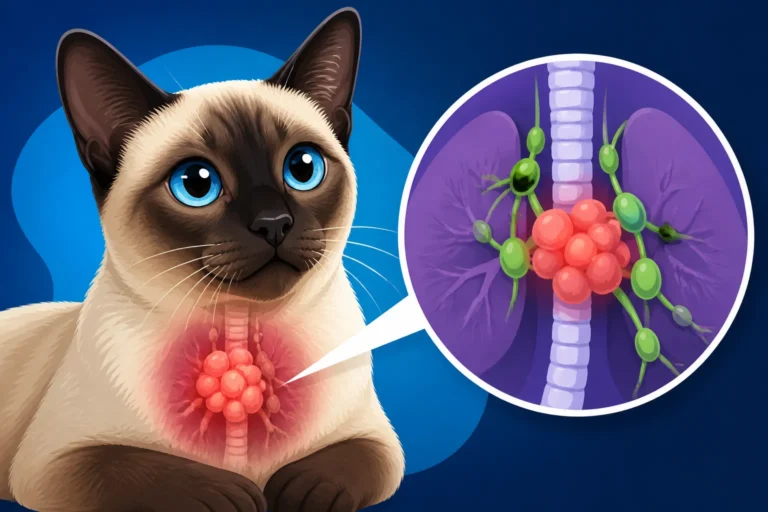
Progressive Retinal Atrophy (PRA) isn't just one condition; it's a blanket term for a group of inherited eye disorders that cause the retina to slowly degenerate. Imagine the retina as the film in a camera; it captures the light and sends the images to the brain. When this "film" starts to break down, vision is inevitably affected, eventually leading to blindness. In Siamese cats, there's a specific type of PRA that has been identified, and it’s a concern for many breeders and owners alike.
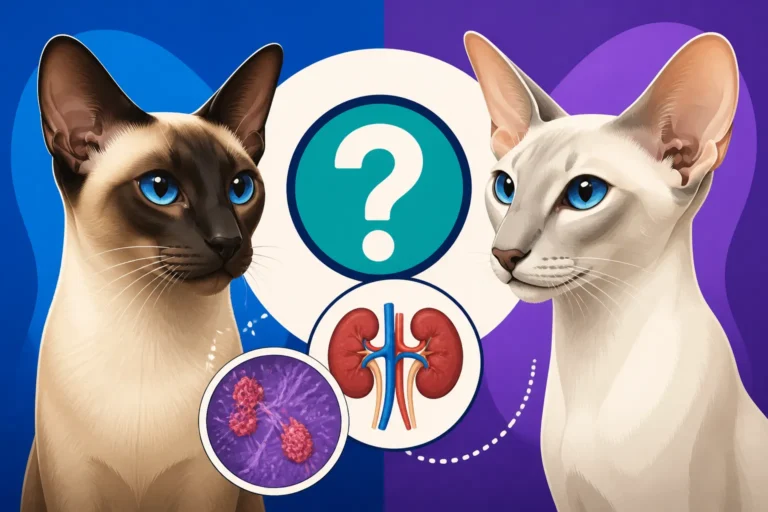
This particular form of PRA in Siamese cats is known as autosomal recessive. What does "autosomal recessive" mean in plain English? It means that a cat needs to inherit two copies of the faulty gene—one from each parent—to actually develop the disease. If they only get one copy, they won't get the disease themselves, but they'll be a "carrier." This is a crucial distinction that often gets lost in the initial panic of seeing a carrier result. For more detailed information on this genetic nuance, you might find it helpful to read about Which Gene Causes PRA in a Siamese Cat.
The progression of PRA in affected cats typically starts with a loss of night vision, making them hesitant in dimly lit rooms or at dusk. Over time, their daytime vision also deteriorates, until they are completely blind. This process can be slow and gradual, giving cats a remarkable ability to adapt, which can sometimes mask the early signs of vision loss. It’s a heartbreaking journey to witness, but understanding the genetics helps us prevent it and manage expectations.
Decoding Genetic Test Results: Clear, Affected, and Carrier
When you send off a cheek swab or blood sample for genetic testing, the lab is looking for specific markers in your cat's DNA. For PRA, they're searching for the presence of the faulty gene responsible for the condition. The results typically come back in one of three categories: "Clear," "Affected," or "Carrier." Each of these tells a very different story about your cat's genetic makeup and their future vision.
Knowing what these terms mean is empowering, especially when dealing with inherited conditions that are unfortunately prevalent in certain breeds. It's not just about what your cat's individual health might be, but also about responsible breeding practices if that's a consideration for you.
What a "Clear" Result Means
A "Clear" result is the gold standard for any genetic test. It means your Siamese cat has inherited two healthy copies of the gene from their parents—one from their mother and one from their father. Think of it like this: if the faulty gene is represented by a lowercase 'p' and the healthy gene by an uppercase 'P', a clear cat is 'PP'.
This cat will never develop the form of PRA associated with this specific genetic marker. You can breathe a sigh of relief on that front. Furthermore, a clear cat cannot pass the faulty gene on to any offspring. For breeders, this is an incredibly valuable piece of information, as it confirms they are not inadvertently contributing to the spread of the disease within the breed. A cat with a clear result is a fantastic assurance of good health in this specific area, allowing you to focus on other aspects of their well-being, like ensuring they receive What a Siamese Cat's Yearly Bloodwork Should Cover.
What an "Affected" Result Means
An "Affected" result is the one that every owner and breeder hopes to avoid. This means your Siamese cat has inherited two copies of the faulty gene—'pp' in our 'P' and 'p' analogy. As PRA is an autosomal recessive condition, having two copies of the faulty gene means your cat will develop the disease.
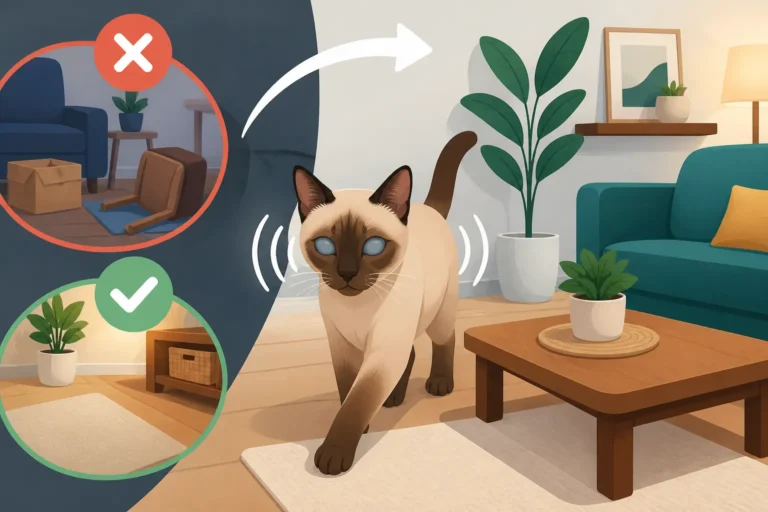
For an affected cat, it's not a question of if they will go blind, but when. The age of onset and the rate of progression can vary, but the outcome is unfortunately inevitable. Owners of affected cats need to prepare for their cat's eventual blindness and implement strategies to help them adapt to their changing world. This might involve keeping furniture in the same place, using scent markers, and providing consistent routines. It's a challenging path, but many cats adapt remarkably well. Understanding The Age a Siamese Cat With PRA Goes Blind can help you prepare for this difficult reality.
The "Carrier" Status: The Core of the Query
Now, let's get to the heart of the matter: what does a "Carrier" result truly signify? If your Siamese cat is a carrier, it means they have inherited one healthy copy of the gene and one faulty copy—'Pp' in our example. This is where a lot of confusion and anxiety often arise, and it's completely understandable to feel concerned.
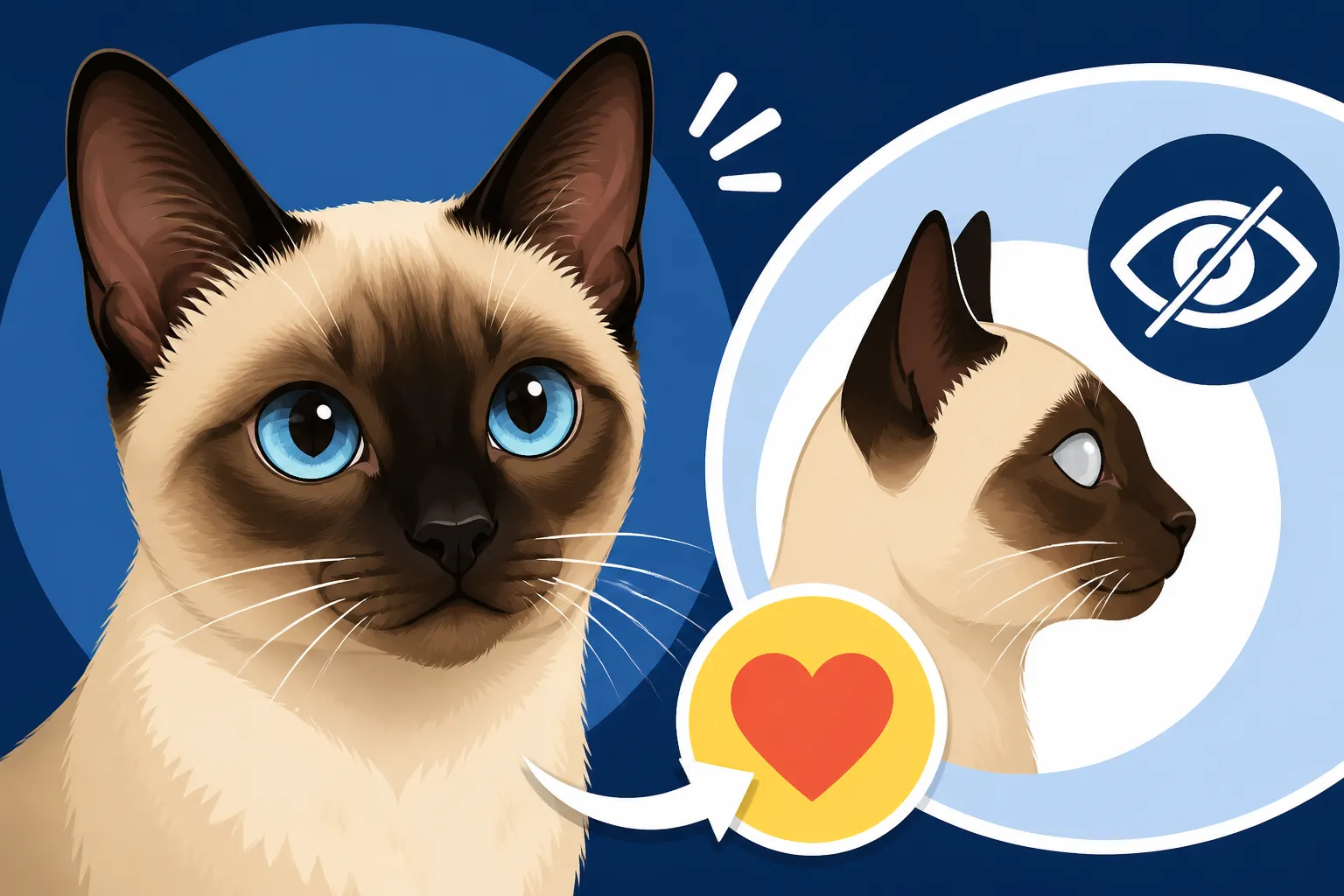
The critical takeaway here is that a PRA carrier Siamese cat will not go blind from this specific form of PRA. They possess enough of the healthy gene to produce the necessary proteins for normal retinal function. The presence of the one healthy, dominant gene "masks" the effect of the recessive faulty gene. So, while they carry the potential to pass the faulty gene on, their own vision remains unaffected. This is why it’s called a "carrier" – they carry the gene without exhibiting the disease themselves. This distinction is vital for peace of mind.
Why Carrier Siamese Cats Do Not Go Blind
The biological mechanism behind why a carrier Siamese cat maintains its vision is rooted in the principles of dominant and recessive genes. It’s a fascinating aspect of genetics that, once understood, can alleviate a great deal of worry for pet parents.
When we talk about autosomal recessive conditions like this form of PRA, it simply means that the "disease" gene is recessive. For a trait (or disease) to be expressed, an individual needs two copies of that recessive gene. If there's even one copy of the dominant, healthy gene present, that healthy gene largely takes the reins, producing enough of the required protein or enzyme to ensure normal function. In the case of PRA, the healthy gene ensures the retinal cells develop and function correctly, preventing the progressive degeneration that leads to blindness.
Think of it like a recipe. If you need a specific ingredient (the protein for healthy vision) to bake a cake, and your cat has one instruction manual that tells them how to make that ingredient perfectly (the healthy gene), they can make the cake just fine. Even if they also have another instruction manual that's faulty (the carrier gene) and can't make the ingredient, the good one is sufficient. They're still producing what they need.
This often comes as a huge relief to owners who receive a carrier diagnosis. The initial shock of hearing "carrier" and "PRA" in the same sentence can be terrifying, conjuring images of their beloved cat stumbling around. But the scientific reality is that their vision will be just as clear as any other non-carrier cat when it comes to this specific genetic condition. It's important to differentiate this from other eye issues that can affect Siamese cats, or simply the natural age-related vision changes that occur as cats get older.
Dispelling Common Myths and Fears
One pervasive myth is that being a carrier means a cat will eventually, perhaps later in life, develop a milder form of the disease. This is simply not true for autosomal recessive conditions. If the condition were dose-dependent or had incomplete penetrance in carriers, then perhaps there might be some visual impairment, but that is not the characteristic of this specific PRA. A carrier cat either expresses the disease (if they had two copies) or they don't. There's no in-between when it comes to this particular genetic mechanism for PRA.
Another fear is that stress or environmental factors might "trigger" the faulty gene in a carrier cat. Again, this isn't how these specific genetic disorders work. The gene is either expressed due to having two copies, or it's not. Environmental factors can certainly impact overall health and well-being, but they don't change a cat's genetic blueprint or switch a recessive gene to a dominant, active one if only one copy is present.
For owners, this means that while regular veterinary check-ups are always a good idea – and can catch other potential health issues – you don't need to worry about the PRA carrier status specifically causing vision problems for your cat. Investing in pet insurance like Healthy Paws can give you peace of mind for unexpected health issues, but for PRA in a carrier cat, it's not a primary concern for their personal vision.
Implications of a Carrier Status for Breeding Programs
While a PRA carrier Siamese cat won't personally suffer from vision loss due to this genetic condition, their carrier status holds significant importance for responsible breeding practices. This is where the informational value of genetic testing truly shines, preventing the spread of inherited diseases across generations.
If you own a Siamese cat with a carrier status and have no intention of breeding, then the information primarily serves to alleviate your personal worries. However, if your cat is intact and you're considering breeding, or if you're a breeder evaluating a potential queen or stud, understanding the ramifications is absolutely critical.
Genetic Counseling for Breeders
For breeders, a carrier status isn't necessarily a disqualifier for breeding, but it does mean that careful thought and planning must go into pairing. If a carrier cat (Pp) is bred with a clear cat (PP), all kittens will either be clear (PP) or carriers (Pp). None will be affected (pp). This effectively means that no kittens will go blind from PRA, but some may carry the gene.
The real challenge arises if a carrier cat (Pp) is bred with another carrier cat (Pp). In such a pairing, there's a 25% chance of producing an affected kitten (pp), a 50% chance of producing a carrier kitten (Pp), and a 25% chance of producing a clear kitten (PP). This scenario is precisely what responsible breeders aim to avoid, as it directly risks producing kittens that will go blind. Reputable breeders utilize tools like genetic testing to make informed decisions and prevent these outcomes. They also understand the importance of comprehensive health screening, as outlined in articles like Which Health Tests a Siamese Cat Breeder Runs.
Table: PRA Genetic Outcome Probabilities
| Parent 1 Status | Parent 2 Status | Offspring Probabilities (PRA) | Risk of Affected Kittens |
|---|---|---|---|
| Clear (PP) | Clear (PP) | 100% Clear (PP) | 0% |
| Clear (PP) | Carrier (Pp) | 50% Clear (PP), 50% Carrier (Pp) | 0% |
| Clear (PP) | Affected (pp) | 100% Carrier (Pp) | 0% |
| Carrier (Pp) | Carrier (Pp) | 25% Clear (PP), 50% Carrier (Pp), 25% Affected (pp) | 25% |
| Carrier (Pp) | Affected (pp) | 50% Carrier (Pp), 50% Affected (pp) | 50% |
| Affected (pp) | Affected (pp) | 100% Affected (pp) | 100% |
This table clearly illustrates why pairing two carriers is a gamble that no ethical breeder should take. It's not just about avoiding "affected" kittens, but also about managing the overall gene pool to reduce the prevalence of carrier cats over time. Breeders should be transparent about their cats' genetic testing results, and prospective owners should always ask to see them. This transparency is key to the overall health of the breed and contributes to a longer, healthier life for many Siamese cats, influencing considerations like What a Siamese Cat Costs Over Twenty Years when factoring in potential health issues.
Why Knowing the Status is Still Vital
Even if your cat is a carrier and will never go blind, knowing their status is still incredibly vital for several reasons. Firstly, it provides definitive answers, replacing anxiety with factual understanding. You no longer have to wonder or worry about that specific condition affecting your individual cat.
Secondly, for the breed as a whole, every piece of genetic information helps. It allows the community of breeders and enthusiasts to track genetic diseases and make more informed decisions about breeding lines. Over time, through careful selective breeding (breeding carriers only to clear cats), it is possible to reduce the incidence of the faulty gene within the population without sacrificing desirable traits or reducing genetic diversity too drastically. This responsible approach ensures the continued health and vitality of the Siamese cat breed.
Thirdly, it highlights the importance of genetic testing in general. While we focus on PRA here, there are other inherited conditions that can affect Siamese cats, and similar genetic testing principles apply. Understanding these tests, even if they sometimes have limitations like those discussed in Whether the rdAc DNA Test Works on a Siamese Cat, is a cornerstone of proactive pet care. For serious conditions like Amyloidosis Is the Disease That Kills Young Siamese Cats, which unfortunately don't have a reliable genetic test yet, this makes the ability to test for PRA even more valuable. It allows owners to make informed choices and potentially avoid preventable suffering in future generations.
Knowing your cat's health history and potential predispositions can also guide your long-term care plans. While a PRA carrier cat won't go blind from this condition, general eye health should still be a part of their regular vet visits. Comprehensive pet insurance, such as from Healthy Paws, can be a great asset, covering a wide range of unexpected illnesses and accidents throughout your Siamese cat's potentially long lifespan, allowing you to focus on their care rather than the financial strain. Ultimately, an informed owner is an empowered owner, ready to provide the best possible life for their cherished Siamese companion.
Disclaimer
The information provided in this article is for general informational purposes only and is not intended as a substitute for professional veterinary advice. Always consult with a qualified veterinarian for any health concerns or before making any decisions related to your pet's medical care.