Whether a Siamese Cat’s Dark Patch Fades
It’s a moment many Siamese cat parents know well: your beloved Meezer needs a procedure, perhaps an IV or surgery, and a patch of fur is shaved. You bring them home, and as that adorable patch starts to grow back, it comes in a distinctly darker shade than the surrounding coat. You stare at it, wondering if this striking dark spot is here to stay, and it's a completely valid concern. This guide will walk you through why this happens, if that dark patch is truly permanent, and what you can expect as their beautiful coat regenerates.
Understanding the Unique Coloration of Your Siamese Cat
Siamese cats are famous for their stunning "point" coloration—darker fur on their ears, face, paws, and tail, contrasted with a lighter body. It's truly one of their most distinguishing and cherished features. But what causes this striking pattern, and why does it play such a crucial role when their fur is shaved?
The Genetic Science Behind Siamese Points
The magnificent color points that define your Siamese cat aren't just for show; they're a fascinating biological phenomenon. It all boils down to a special gene that produces a temperature-sensitive enzyme called tyrosinase. This enzyme is essential for melanin production, which is the pigment responsible for fur color. However, in Siamese cats, this enzyme only functions properly in cooler temperatures.
Think of it like a delicate piece of machinery that only works when it's chilly. In the warmer parts of your cat's body, like their torso or belly, the enzyme is inactive, leading to little to no pigment production. That's why their body fur is typically a pale cream or white. But on the extremities—their ears, nose, paws, and tail—where the body temperature is naturally a few degrees cooler, the enzyme kicks into gear, and melanin is produced. This results in the rich, dark points we all adore. It’s a genetic quirk that makes them truly unique and explains so much about their appearance throughout their lives. You can dive deeper into this fascinating topic by reading about Why a Siamese Cat's Points Are Made by Temperature and Which Gene Makes a Siamese Cat's Points.
Why a Shaved Area Turns Dark
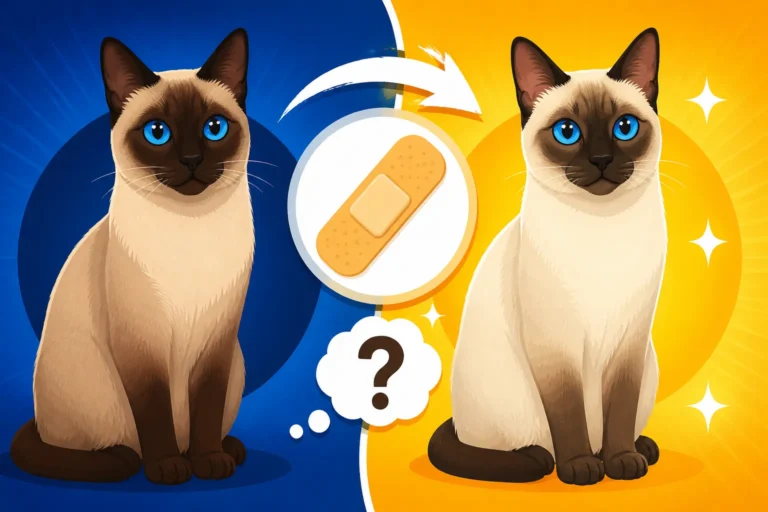
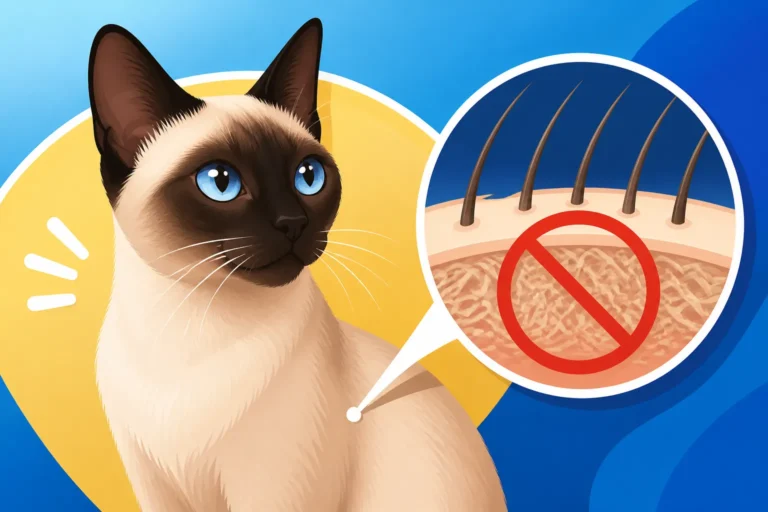
Now, let's get to the heart of the matter: why does that shaved spot grow back so much darker? When your Siamese cat goes in for a vet visit that requires shaving a patch of fur, whether for an intravenous line, an ultrasound, or surgery, that area of skin is suddenly exposed to the ambient room temperature. Without the insulating layer of fur, the skin cools down significantly.
Because the skin is now cooler, the temperature-sensitive enzyme springs into action, producing melanin in that specific spot. So, as the new fur starts to grow back, it's synthesizing pigment just like the fur on their points, resulting in a dark patch. It's not a change in their underlying genetics or a sign of an issue; it's simply their unique biology responding to a localized drop in temperature. Many owners are surprised by this, perhaps not realizing the extent to which their cat's body temperature influences their coat color. It’s a common occurrence, and it’s important to remember that it's a completely normal, albeit sometimes startling, part of Siamese cat physiology. You might find it interesting to know more about The Shaved Patch That Grows Back Dark on a Siamese Cat.
The Longevity and Fading Process of a Darkened Patch
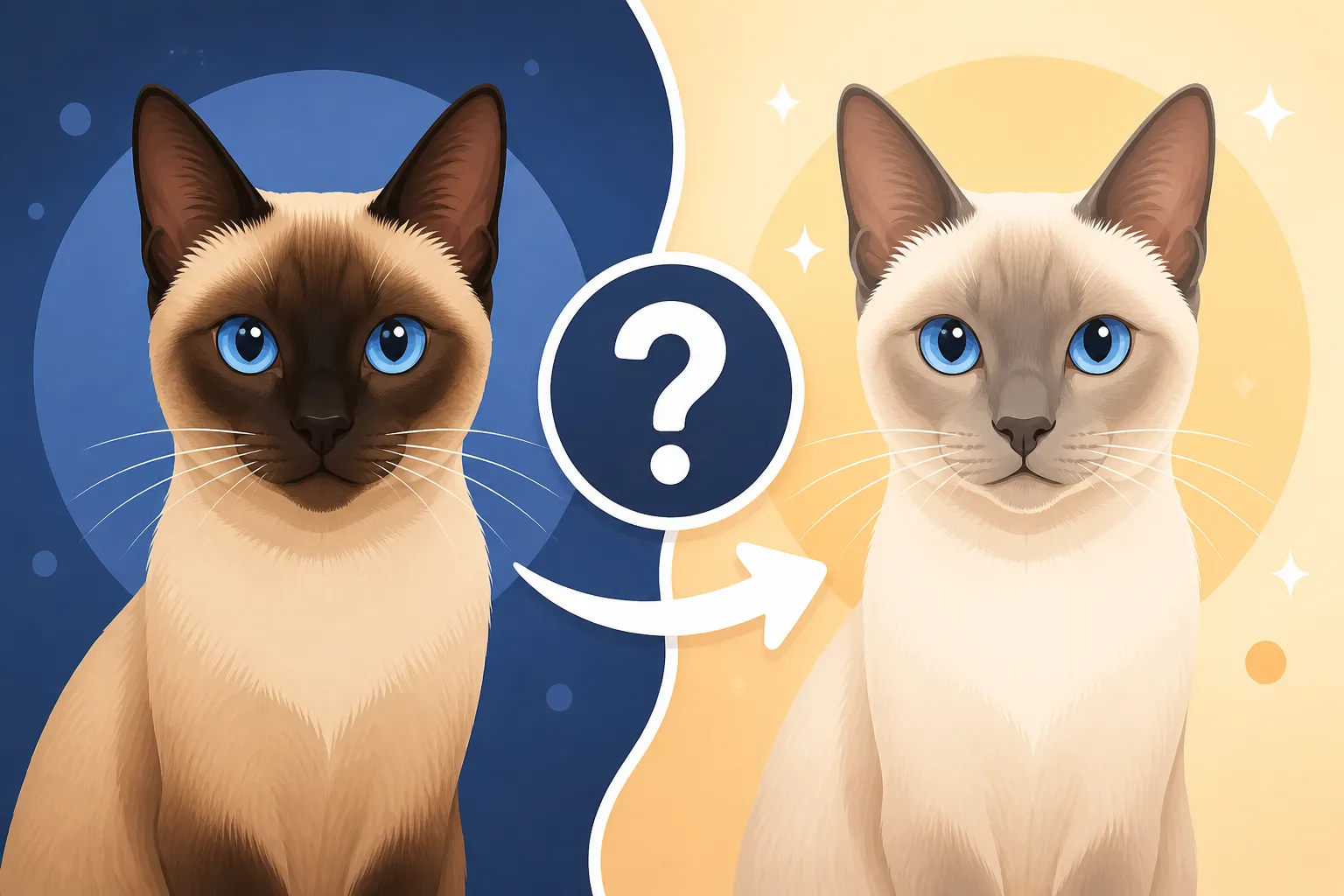
So, your Siamese has a new, dark spot. The big question on every owner's mind is, "Will it ever go back to normal?" The good news is, for most Siamese cats, that dark patch is not permanent. It will typically fade over time. However, the speed and completeness of this fading can vary.
Does the Dark Patch Really Fade?
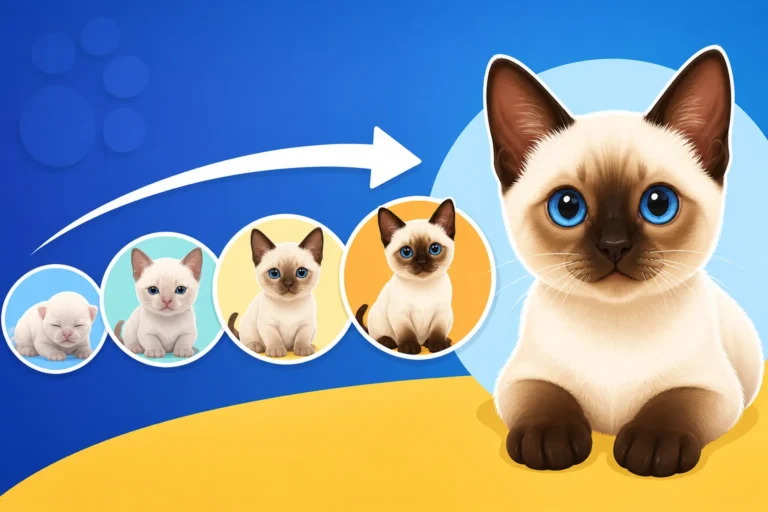
Yes, generally, that dark patch will fade! As the fur grows back and thickens, it starts to provide insulation to the skin underneath. This insulation gradually brings the skin temperature in that area back up to the cat's normal body temperature, where the pigment-producing enzyme is less active. As subsequent cycles of fur growth and shedding occur, the new hairs will grow in lighter, eventually matching the surrounding body color.
It's not usually an overnight transformation. You won't wake up one morning and find the dark patch suddenly gone. Instead, it's a gradual process, almost like watching a photograph develop in reverse. The initial dark fur might be quite pronounced, almost black, but with each passing month, you'll likely notice it getting a little lighter, a little softer in color, until it blends in seamlessly again. This can take quite a while, which often surprises and frustrates owners who expect a quicker return to their cat's original pristine coat.
Factors Influencing Color Change Duration
The time it takes for a dark patch to fade back to your Siamese cat's original body color isn't a fixed timeline; several factors can influence it.
- Environmental Temperature: This is perhaps the most significant factor. If your home is generally cooler, the shaved area might remain at a lower temperature for longer, prolonging the dark regrowth. Conversely, a warmer indoor environment can help the skin temperature rise faster, encouraging lighter fur regrowth more quickly. Keeping your cat warm, especially after a procedure, can subtly influence this. You might even notice overall seasonal changes in your cat's general body color – they tend to darken slightly in colder months and lighten in warmer ones. Learning about How Much a Siamese Cat Lightens in Summer can give you more context.
- Cat's Age: Older Siamese cats tend to darken overall as they age, and their enzyme may become more active or the pigment more persistent. This means a shaved patch on an older cat might take longer to fade, or it might not fade back to the exact original light shade it once was when they were younger.
- Original Point Color: While all Siamese cats share the temperature-sensitive gene, the specific shade of their points (Seal, Blue, Chocolate, Lilac, etc.) can also play a minor role. A cat with naturally darker, more pronounced points might have a slightly more intense initial dark patch compared to a cat with very light, delicate points.
- Individual Cat Metabolism: Just like humans, every cat is an individual. Some cats might simply have a more robust or slower response in their enzyme activity or fur growth cycles, affecting how quickly the color normalizes.
- Depth of Shave and Regrowth Cycle: The initial shave removes all existing fur. The first layer of regrowth will be the most affected. As the fur grows longer and the cat goes through its natural shedding and regrowth cycles, new hair follicles will produce fur more in line with the usual body temperature. This process can take several months, aligning with the cat's natural shedding pattern.
Understanding these variables can help set realistic expectations for how long your cat might sport their temporary "tattoo."
Managing Expectations for Coat Regrowth
It's completely normal to feel a bit antsy about your Siamese cat's new dark patch. After all, you love their pristine, sleek coat! But it's crucial to manage your expectations and practice patience. Don't expect the color to change back overnight, or even within a few weeks. Most owners report that it can take anywhere from 3 to 12 months for the fur to fully grow back and for the color to normalize. In some cases, especially with older cats or very deep dark patches, it might take even longer, or a very faint hint of the darker shade might persist.
During this time, resist the urge to try any home remedies or harsh treatments on the patch. Your cat's skin is sensitive, and the process is biological. Trust that nature, combined with good care, will eventually restore their coat to its usual glory. Instead of focusing on the temporary color, enjoy the fact that your cat is healthy and recovering from whatever procedure they had. Think of it as a little badge of honor, a story mark on their beautiful coat!
Caring for Your Siamese Cat's Coat Post-Shave
While the fading process is largely driven by biology, there are certainly things you can do to support healthy coat regrowth and ensure your Siamese cat remains comfortable. Good general care will always benefit their overall well-being, including their fur.
Supporting Healthy Coat Regrowth
A healthy coat starts from the inside out, so focusing on good nutrition and gentle grooming can definitely help the regrowth process.
- Nutrition: Ensure your Siamese cat is on a high-quality diet. A diet rich in protein, essential fatty acids (like Omega-3 and Omega-6), and vitamins supports healthy skin and fur. Look for cat foods with real meat as the first ingredient and a good balance of nutrients. Many reputable brands offer fresh or conventional foods that can contribute to overall skin and coat health. A well-nourished cat will grow stronger, healthier fur, which can help in the natural cycling of the hair follicles and the eventual return to normal coloration. Feeding a Lean Siamese Cat That Burns Everything is crucial for these active felines, as their metabolism is often quite high.
- Hydration: Always provide fresh, clean water. Good hydration is vital for skin health, which in turn supports healthy fur follicles. Some Siamese cats prefer running water from a fountain, which can encourage them to drink more.
- Gentle Grooming: While you don't need to do anything special to the dark patch, regular, gentle brushing of your Siamese cat's coat can stimulate blood flow to the skin and help remove any loose or dead hairs, encouraging new growth. This is particularly easy with their short, fine fur. A soft rubber brush or grooming glove works wonders and doubles as a bonding activity. Grooming a Siamese Cat Takes Five Minutes a Week is a good habit to maintain. Avoid harsh brushes or excessive rubbing over the sensitive shaved area.
Keeping Your Siamese Comfortable After Shaving
Beyond simply supporting regrowth, making sure your Siamese cat is comfortable while their fur is growing back is incredibly important.
- Warmth is Key: Remember, the darkening happens because of cooler skin temperature. While you can't blast the heat to make the fur lighten instantly, maintaining a comfortably warm environment can certainly help. Siamese cats, with their sleek, single coats, are notoriously sensitive to cold anyway. Provide cozy blankets, soft beds, and ensure their favorite resting spots aren't in drafty areas or on cold, hard floors. A heated cat bed or a warm, sunny spot by a window (but not excessively hot) can be very appealing. If your cat often sleeps on cold surfaces, consider encouraging them to use warmer options. Keeping a Siamese Cat Warm is a constant consideration for their comfort.
- Protect Sensitive Skin: The shaved area, especially if it was a surgical site, will be more sensitive. Keep an eye out for any irritation, redness, or excessive licking. If your cat is bothering the area, consult your vet; they might recommend an E-collar or a soft recovery suit to prevent self-trauma.
- Monitor for Other Changes: While the dark patch itself is usually harmless, always keep an eye on the overall condition of the skin and fur. If you notice persistent redness, flaking, scabs, or if the fur doesn't seem to be growing back at all, it's worth a call to your veterinarian. This could indicate an underlying skin issue that needs attention, though it's usually unrelated to the temporary color change.
By understanding the unique biology of your Siamese cat and providing consistent, loving care, you can help them navigate the temporary aesthetic change of a shaved dark patch with comfort and grace. It's a testament to their fascinating genetics and just another charming quirk that makes them so special.
| Factor | Impact on Dark Patch Fading |
|---|---|
| Environmental Temperature | Warmer homes encourage faster fading; cooler homes slow it. |
| Cat's Age | Older cats may take longer to fade, or retain a slight tint. |
| Original Point Color | Cats with darker points might have a more pronounced dark patch. |
| Individual Metabolism | Varies by cat; some may fade faster or slower. |
| Nutrition & Hydration | Good health supports robust, normal fur regrowth. |
| Grooming | Gentle brushing stimulates skin, aids in shedding/regrowth. |
Disclaimer
This article is for general informational purposes only and does not constitute professional advice. Laws, prices and regulations vary by location and change over time. Consult a qualified professional for guidance on your specific situation.