Keeping a Siamese Cat Warm
It's a common sight for us Siamese cat owners, isn't it? We look over and there's our beloved Meezer, huddled tight, maybe tucked under a blanket, or trying to burrow into our side, even when we feel perfectly comfortable. Unlike some of their fluffier feline cousins, Siamese cats often seem to feel the cold more acutely. This guide is all about understanding why your Siamese cat might be perpetually chilly and, more importantly, how to ensure they stay toasty and content, no matter the season.
Why Siamese Cats Get Cold So Easily
If you've ever wondered why your sleek, elegant Siamese seems to shiver when other cats are perfectly fine, you're not alone. There are some very specific reasons behind their heightened sensitivity to cold, rooted in their unique physical characteristics and genetic makeup.
The Unique Siamese Coat and Lack of Undercoat
One of the most distinguishing features of a Siamese cat is their short, fine, and incredibly soft coat. While beautiful to behold and delightful to pet, this coat just doesn't offer the same insulation as the thick, dense fur of breeds like Persians or Maine Coons. Think about it: many other cat breeds have a double coat, complete with a downy undercoat designed to trap warm air close to their skin, acting like a natural thermal layer.
Your Siamese, on the other hand, lacks this crucial undercoat. Their single layer of hair lies close to the body, providing minimal protection against cold air. It's like comparing a light jacket to a heavy winter parka – both are coats, but one is clearly built for warmth and the other isn't. This is a big reason Why a Siamese Cat Has No Undercoat makes them more susceptible to chilly drafts and lower temperatures.
Metabolism and Body Fat: A Lean Machine
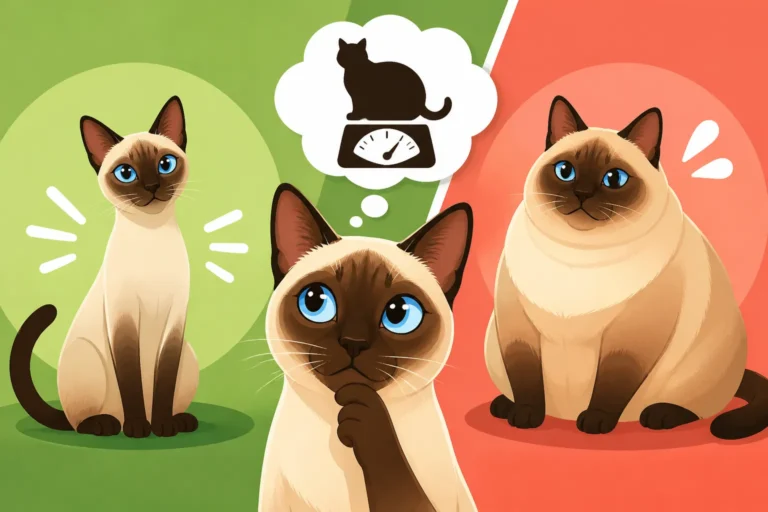
Beyond their fur, Siamese cats are known for their incredibly lithe and athletic build. They are typically very lean, often described as feeling "bony" beneath their skin, even when at a healthy weight. This isn't a sign of being underweight; it's simply their natural physique. This lean body mass means they don't have a thick layer of subcutaneous fat to act as an internal insulator, unlike some stockier breeds.
Couple this with their notoriously high metabolism. Siamese cats are often bundles of energy, constantly moving, playing, and communicating. This high metabolic rate means they burn through calories quickly, generating body heat, but they also dissipate that heat rapidly. They're like little furnaces that run hot but cool down fast, requiring a consistent external warmth source to maintain their comfort. If you've ever wondered Why a Siamese Cat Feels Bony, it's often a combination of this lean build and high metabolism.
Genetic Predisposition: How Their Genes Affect Temperature Regulation
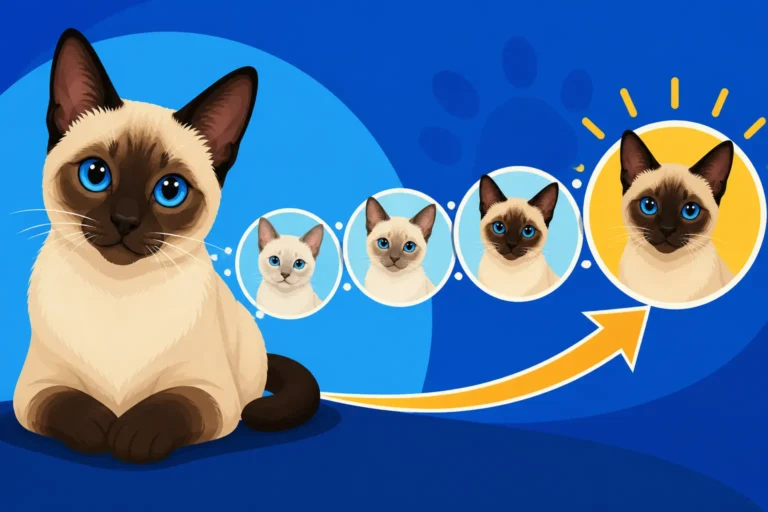
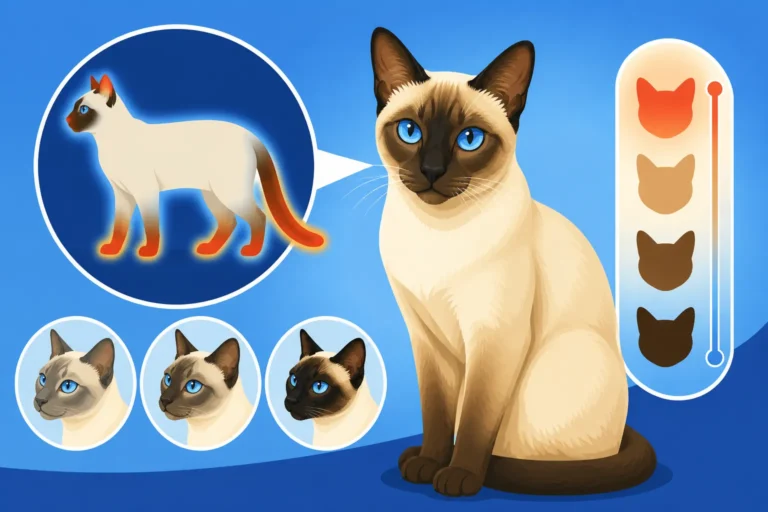
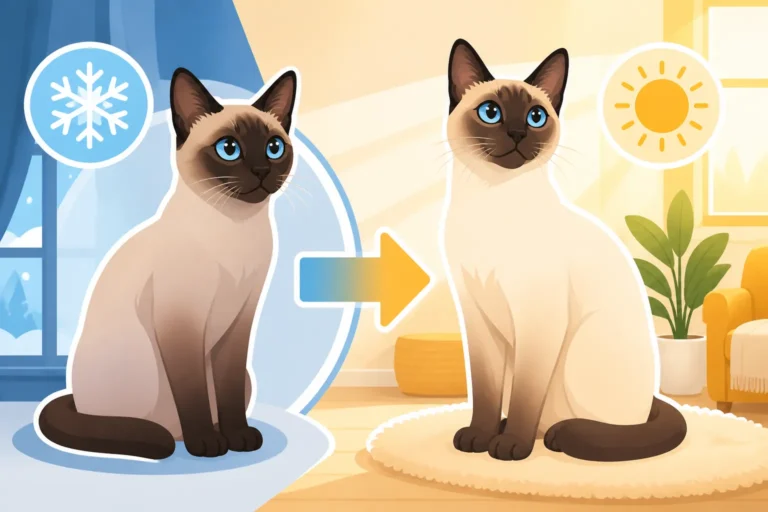
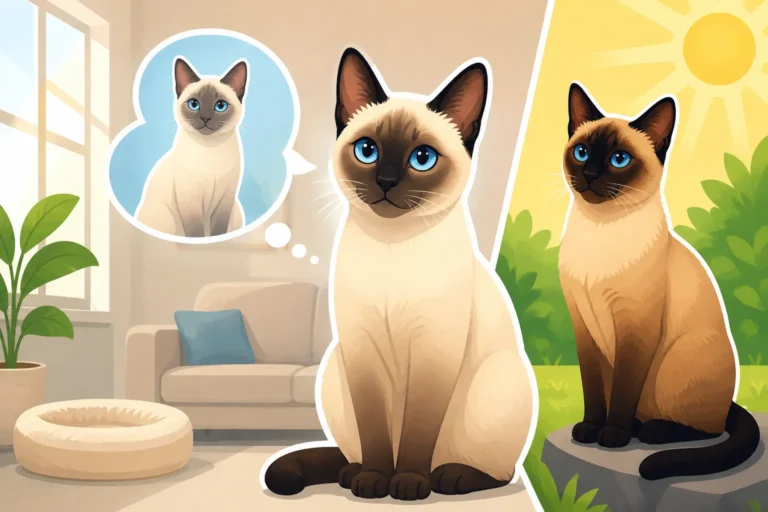
It's not just about their coat or their build; there's a fascinating genetic component at play too. The very gene responsible for the Siamese cat's iconic point coloration (darker extremities like ears, paws, tail, and face) is also linked to temperature sensitivity. This gene, a form of albinism, only allows pigment to develop in cooler parts of the body. This is Why a Siamese Cat Kitten Is Born White and gradually develops its points as it's exposed to cooler temperatures.
This genetic quirk means their bodies are, in a way, biologically tuned to respond to temperature fluctuations. While it doesn't directly cause them to feel colder, it's an indicator of their unique physiological relationship with heat. In colder environments, their bodies might even try to "compensate" by darkening more, as seen in phenomena like Why a Siamese Cat Darkens Every Winter. This unique genetic blueprint subtly influences their overall thermal comfort.
Recognizing When Your Siamese Cat is Cold
Your Siamese cat, with their expressive eyes and vocal nature, will often let you know when they're not feeling quite right. However, sometimes their signals can be subtle, especially when it comes to being cold. Learning to read these cues can help you provide comfort quickly.
Subtle Behavioral Cues
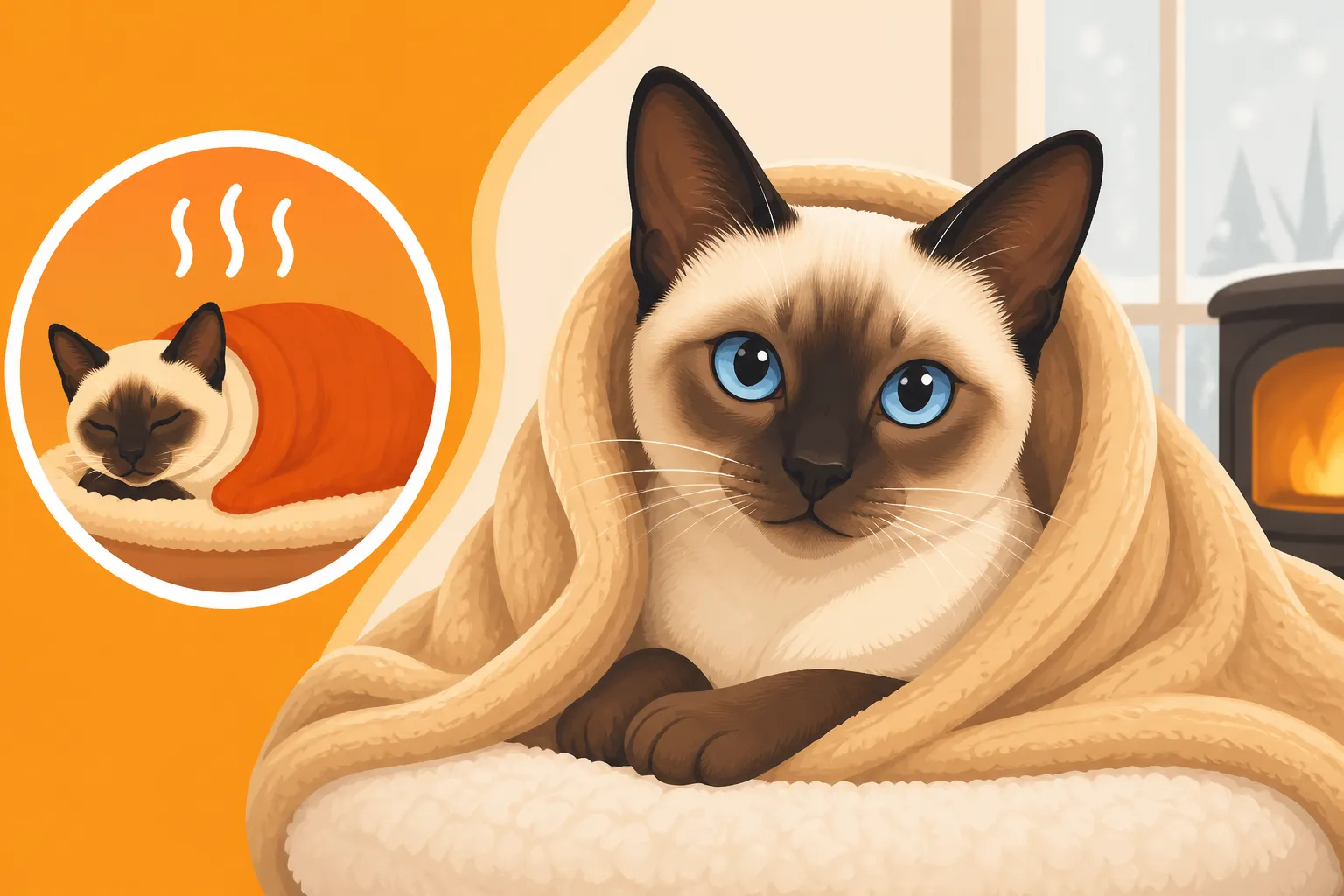
One of the first things you might notice if your Siamese is feeling chilly is a change in their preferred lounging spots. They'll gravitate towards warm surfaces or areas. This could mean they're suddenly spending all their time curled up on your lap, or perhaps they've taken to sleeping directly on a heating vent. You might find them burrowed deep under blankets on the sofa, even during the day, creating little nests for themselves.
They might also become more clingy than usual, seeking out body heat from you or other pets in the house. A Siamese that is usually independent might suddenly want to be glued to your side or draped across your shoulders. Alternatively, if they're particularly unhappy with the temperature, they might hide away in enclosed, warmer spaces, like inside a cupboard or under a bed, trying to escape the general chill of a room. Pay attention to where they choose to nap – it's a huge indicator of their comfort level.
Physical Indicators and Body Language
Beyond their chosen resting places, your Siamese will also exhibit physical signs if they're cold. The most obvious is shivering, which can range from a barely perceptible tremor to a noticeable shaking, especially around their shoulders or flanks. Their ears might feel cooler to the touch than usual, and their paw pads might also be noticeably cold.
Another common sign is their posture. A cold Siamese will often curl themselves into a tight ball, tucking their paws and tail close to their body, trying to minimize heat loss. They might hunch their shoulders or keep their tail wrapped tightly around themselves. Their fur, which is usually sleek and lies flat, might seem slightly puffed up as they try to trap air for insulation. Their usually bright, alert eyes might appear a little droopy or narrowed if they're truly uncomfortable. If you notice these physical changes, it's a good bet they need some extra warmth.
Common Misconceptions About Cold Cats
It's easy to assume that because cats are generally hardy, they can handle any temperature. However, this isn't always true, especially for a breed like the Siamese. One misconception is that a cat purring means they are perfectly content. While purring often signals happiness, cats also purr when they are stressed, in pain, or trying to self-soothe. So, a purring cat that is also shivering or curled up tightly might not be as comfortable as you think. This is why it's important to look at the whole picture when assessing Signs a Siamese Cat Is Unwell.
Another common mistake is thinking that if you are comfortable, your cat must be too. Our internal thermostats are different from theirs, and factors like their lack of undercoat and lean build mean they can feel a chill much more readily than we do. Also, don't confuse an active, playful Siamese with one that is warm enough. They have bursts of energy regardless, but sustained cold can still impact their health and happiness over time.
Creating a Warm and Cozy Home Environment
Making sure your Siamese cat feels warm and secure doesn't have to mean turning your home into a sauna. It's about strategically setting up their environment to cater to their needs.
Strategic Placement of Beds and Lounging Spots
The first step is to observe your cat. Where do they naturally gravitate? Often, it's sunny spots, high perches, or areas next to radiators. Use this information to your advantage. Place their beds in these naturally warm locations. If you have a cat tree, position it near a window where they can soak up direct sunlight during the day. Consider investing in multiple beds and blankets, distributing them around the house so your cat always has a warm retreat nearby.
Avoid placing beds or favorite napping spots directly on cold, hard floors like tile or linoleum, especially in drafty areas. Instead, choose carpets, rugs, or elevated surfaces. A small cat bed on a soft rug in a quiet corner can be a haven. Even a simple cardboard box lined with a soft towel can provide surprising warmth and security. The key is giving them options so they can choose their preferred level of warmth.
Utilizing Temperature-Controlled Spaces and Zones
You don't need to heat every room of your house to tropical temperatures. Instead, focus on creating "warm zones" where your Siamese can retreat. If you have a smart thermostat, consider adjusting the temperature slightly higher in rooms your cat frequents most, or setting it to a consistent, comfortable temperature throughout the day, especially during colder months. How Warm a Siamese Cat's House Should Be is a common question, and generally, aiming for a range of 70-75°F (21-24°C) can keep most Siamese cats comfortable, though individual preference varies.
Consider using a space heater in a specific room, but always ensure it's a pet-safe model, kept well away from anything flammable, and never left unattended. Close doors to unused, colder rooms to prevent heat from escaping into them. In some homes, a cat-safe heating pad (designed for pets, not humans) placed under a blanket in a favorite bed can offer targeted warmth without heating an entire room.
Blocking Drafts and Insulating for Warmth
Drafts are silent invaders of warmth, and for a short-haired cat like a Siamese, they can be particularly unsettling. Walk around your home, especially near windows and doors, and feel for any cold air currents. Simple solutions like draft stoppers for doors and windows can make a huge difference. You can find attractive fabric draft stoppers at many home goods stores, or even make your own with old towels.
Ensuring your windows are properly sealed can also help. If you have older windows, consider temporary window insulation kits for the colder months. Even heavy curtains or thermal drapes can help block cold air and retain warmth inside the room. For an outdoor catio or a porch where your Siamese spends time, clear plastic sheeting can act as a windbreak while still allowing sunlight in, creating a warmer microclimate. These small adjustments can significantly improve your cat's overall comfort.
The Best Bedding and Sleeping Solutions
When it comes to keeping your Siamese cat warm, their sleeping arrangements play a starring role. There's a wide array of options, from high-tech heated beds to simple, soft blankets, each with its own benefits.
Heated Beds and Their Safety Considerations
Heated cat beds can be an absolute game-changer for a Siamese cat who loves warmth. They come in various styles, from soft mats that go under existing beds to self-contained plush caves. Many owners rave about how their cats instantly fall in love with these cozy retreats. The gentle warmth can soothe older cats with stiff joints, provide comfort for lean bodies, and generally create an irresistible haven. Brands like K&H Pet Products offer a range of heated beds designed with safety in mind, available through retailers like Chewy or Amazon.
However, safety is paramount. Always choose a heated bed specifically designed for pets, not human use, as human heating pads can get too hot for a cat's delicate skin and may not have the necessary safety features. Look for beds with low wattage and automatic shut-off features. Ensure the cord is chew-resistant or kept out of reach to prevent accidental electrocution. Regularly inspect the bed for any signs of wear and tear. When a Siamese Cat Needs a Heated Bed is often when you observe them consistently seeking out warm spots or shivering, making it a valuable addition to their comfort arsenal.
Soft Blankets and Self-Warming Materials
Sometimes, the simplest solutions are the best. A pile of soft, fleecy blankets can be incredibly comforting for a Siamese cat. They love to knead, burrow, and nestle into plush fabrics. Wool, fleece, and even soft cotton blankets work wonderfully. The act of "making biscuits" on a soft blanket isn't just a sign of contentment; it also helps them create a cozy, enclosed space.
Self-warming pet beds and blankets are another fantastic option. These don't use electricity but instead contain a special thermal layer that reflects your cat's own body heat back to them. They're usually made with a mylar interior or similar reflective material, providing a subtle but effective warmth. These are great for cats who might be wary of electrical cords or for areas where you don't have an outlet. You can find many varieties of these self-warming mats and blankets on Amazon or specialty pet stores, making it easy to spread warmth throughout your home.
Cat Caves and Enclosed Sleeping Pods
Siamese cats often feel most secure and warm when they are in an enclosed space. This is where cat caves, sleeping pods, and covered beds really shine. These designs mimic the feeling of a den, providing both physical warmth and psychological security. The enclosed nature traps body heat, creating a snug microclimate.
Wool felted cat caves, for example, are popular choices as wool is naturally insulating and breathable. Plastic igloo-style beds lined with soft cushions also work well. The small entrance and domed top make them feel safe and protected, allowing your Siamese to truly relax and get warm. Place these in quiet, draft-free areas, perhaps elevated slightly off the floor, to offer an extra layer of insulation. Seeing your Siamese emerge from a deep slumber in their cozy cave is proof positive of its effectiveness.
Appropriate Clothing and Accessories for Siamese Cats
The idea of dressing up a cat might seem a bit silly to some, but for a short-haired, lean Siamese cat, a little extra insulation can sometimes be genuinely beneficial. However, it's crucial to approach this with your cat's comfort and safety in mind.
When a Sweater Might Be Necessary
While not every Siamese cat needs to wear clothing, there are definitely situations where a sweater or vest can make a real difference. If you live in a particularly cold climate and your home temperatures dip, even indoors, a sweater can help retain vital body heat. For older Siamese cats, who may have less muscle mass and a slower metabolism, or those recovering from illness, a sweater can provide much-needed warmth and comfort. What Changes in a Siamese Cat After Twelve years often includes a tendency to feel the cold more, making a sweater a practical consideration.
Additionally, if your cat has recently had a medical procedure that required shaving a patch of fur, a light garment can keep that exposed area warm while the fur grows back. Always observe your cat's behavior: if they are consistently shivering, seeking out heat sources, or tucking themselves tightly even with blankets available, it might be time to try a sweater.
Choosing Safe and Comfortable Cat Apparel
If you decide to dress your Siamese, choosing the right type of apparel is key. Prioritize comfort, safety, and a proper fit above all else. Look for sweaters or vests made from soft, breathable materials like cotton or a lightweight fleece. Avoid anything that is too tight, restrictive, or has excessive embellishments that could be chewed off and ingested.
The design should allow for full range of motion, especially for their legs, and should not interfere with their ability to use the litter box. A good fit means it's snug enough to provide warmth but loose enough that it doesn't chafe or stress your cat. Measure your cat carefully, usually around the chest and back length, and refer to the sizing charts provided by reputable pet apparel brands. For example, brands often found on Chewy or Amazon will have detailed sizing guides. Remember, Whether a Siamese Cat Should Wear a Sweater depends entirely on their individual need and tolerance.
Helping Your Cat Acclimate to Wearing Clothes
Introducing clothing to your Siamese cat requires patience and positive reinforcement. Don't just put a sweater on them and expect them to love it immediately. Start slowly. Let them sniff and investigate the sweater first. Place it near their bed or food bowl so they associate it with positive experiences.
Begin with very short periods of wear, perhaps just a few minutes at a time, while distracting them with treats or play. Praise them generously. Gradually increase the duration as they become more comfortable. Some cats will tolerate clothing well, others will despise it, and forcing it will only cause stress. If your Siamese shows signs of distress – freezing, refusing to move, excessive licking or chewing at the garment, or trying to back out of it – it's best to remove it and respect their preference. Sometimes, a cozy blanket is simply a better alternative for those who reject fashion.
Nutrition and Hydration for Temperature Regulation
Keeping your Siamese cat warm isn't just about external factors; their internal health, supported by proper nutrition and hydration, plays a significant role in their ability to regulate body temperature.
Ensuring Adequate Caloric Intake
Siamese cats are often active and have a high metabolism, which means they burn calories at a faster rate than some other breeds. These calories provide the energy their bodies need to function, including generating internal heat. If your cat isn't getting enough calories, their body may struggle to maintain its core temperature, especially in cooler environments.
Ensure your Siamese is on a high-quality diet appropriate for their age and activity level. If they seem to be perpetually cold, especially during winter, and are maintaining a healthy weight, you might discuss with your vet whether a slight increase in their daily caloric intake is appropriate. Don't just pile on extra food, though; excessive weight gain can lead to other health issues. Instead, focus on nutrient-dense foods. How Many Calories a Siamese Cat Needs a Day can vary significantly based on their age, activity, and individual metabolism, so a vet consultation is always best for dietary adjustments.
The Importance of Warm Water and Hydration
Hydration is crucial for overall health, and it also subtly impacts temperature regulation. Water is involved in almost every bodily process, and a well-hydrated cat is generally healthier and better equipped to handle environmental stressors, including cold. While cold water might seem refreshing to us, some cats, especially those who tend to feel chilly, might prefer water that isn't ice-cold.
Consider offering fresh, room-temperature water in multiple bowls around the house. Some Siamese cats are also enticed by pet water fountains, as the moving water is often fresher and more appealing. You can also offer a small amount of warm, low-sodium chicken or beef broth (ensure no onion or garlic, which are toxic to cats) as a treat to encourage hydration and provide a little internal warmth.
Special Considerations for Older or Ill Siamese Cats
As Siamese cats age, their metabolism can slow down, and they may lose muscle mass, making them even more susceptible to feeling cold. Why an Older Siamese Cat Loses Muscle is a natural part of aging, which in turn reduces their body's ability to generate and retain heat. Older cats may also have underlying health conditions that affect their circulation or energy levels, exacerbating their sensitivity to cold.
For senior or ill Siamese cats, extra attention to warmth is vital. Heated beds become less of a luxury and more of a necessity. Ensure their favorite resting spots are extra plush and free of drafts. A diet formulated for senior cats, which often supports muscle maintenance and overall vitality, can also help. Always discuss any dietary changes or concerns about an aging or ill cat's comfort with your veterinarian, as they can provide tailored advice and rule out any medical issues contributing to chronic coldness.
Outdoor Considerations for a Siamese Cat
While many Siamese cats live happily as indoor-only pets, some owners allow their Meezers supervised outdoor time. If your Siamese enjoys venturing outside, it's critical to understand the risks cold weather poses and how to keep them safe and warm.
The Dangers of Cold Weather for Outdoor Siamese Cats
Siamese cats, with their thin coats and lean bodies, are simply not built for prolonged exposure to cold outdoor temperatures. Unlike feral cats or breeds with dense undercoats, they lack the natural insulation to protect them from frostbite, hypothermia, and other cold-related injuries. Their delicate ears and paw pads are particularly vulnerable.
Even a seemingly mild winter day can be dangerously cold for a Siamese, especially if they are wet or exposed to wind. Hypothermia, a dangerously low body temperature, can set in quickly and is a life-threatening emergency. Beyond the immediate risks of cold, outdoor exposure also increases the chance of accidents, encounters with predators, or exposure to infectious diseases. For these reasons, Whether a Siamese Cat Can Go Out in Winter is generally advised against, or only allowed for very brief, supervised excursions in temperate conditions.
Creating Safe Outdoor Shelters
If your Siamese absolutely insists on supervised outdoor time or has access to a catio, providing a safe, insulated shelter is non-negotiable, even for short stints. A purpose-built cat shelter should be elevated off the ground to prevent cold seeping up from below, insulated on all sides, and have a waterproof roof. The entrance should be small, just big enough for your cat, to help trap heat inside.
Line the shelter with straw, which is excellent for insulation and doesn't absorb moisture, or thick, washable fleece blankets. Never use towels, which can absorb moisture and then freeze. You can even find outdoor-specific heated shelters, available from retailers like Chewy or Amazon, which can provide a critical warmth source for brief outdoor periods. However, these are meant as temporary havens, not as full-time living spaces in cold weather.
Bringing Your Siamese Cat Indoors During Cold Snaps
During particularly harsh weather – freezing temperatures, snow, ice, or high winds – your Siamese cat must be kept indoors. There is no safe temperature for a short-haired cat to spend extended periods outside in sub-freezing conditions. This applies even if they have a heated shelter. The risk of hypothermia and frostbite is simply too high.
Even if your cat protests loudly about being confined (and a Siamese will protest loudly!), their safety and well-being take precedence. Ensure they have plenty of indoor enrichment, toys, and interaction to keep them stimulated and content while hunkered down inside. Make sure their indoor environment is extra cozy during these times, with plenty of warm beds and your loving companionship. Their health is worth the temporary inconvenience of their vocal complaints.
Addressing Specific Cold-Related Health Concerns
While keeping your Siamese warm is generally about comfort, sometimes the cold can pose genuine health risks. Knowing the signs of serious cold-related issues and when to seek veterinary help is crucial for responsible pet ownership.
Signs of Hypothermia in Cats
Hypothermia is a dangerous condition where a cat's body temperature drops below normal. For a Siamese, who is already predisposed to feeling cold, this can be a serious concern after even moderate exposure to cold or if they are unwell. Early signs of hypothermia include shivering, lethargy, weakness, and a general lack of coordination. Their fur might feel cold to the touch, especially on their extremities, and their paw pads might be icy.
As hypothermia progresses, their heart rate and breathing may slow, their pupils might dilate, and they could become unresponsive. Their gums might appear pale or bluish. If you suspect your cat is experiencing hypothermia, it's an emergency. Immediately wrap them in warm blankets, offer a warm (not hot) water bottle wrapped in a towel, and seek veterinary attention. Do not try to rapidly warm them with very hot water or heating pads, as this can cause shock.
How Cold Can Exacerbate Existing Conditions
The cold isn't just about hypothermia; it can also worsen existing health issues in your Siamese cat. Cats with arthritis or other joint problems, common in older felines, often experience increased pain and stiffness in cold weather. The cold can exacerbate respiratory conditions like asthma, making breathing more difficult and potentially triggering attacks. Asthma in a Siamese Cat is a recognized concern, and cold, dry air can be a significant irritant.
Cats with kidney disease or heart conditions may also be more vulnerable to temperature fluctuations. A cold environment forces their body to work harder to maintain core temperature, putting extra strain on already compromised systems. For these cats, maintaining a consistent, warm environment is not just about comfort; it's a vital part of managing their health. Always discuss environmental needs with your vet if your Siamese has a chronic health condition.
When to Consult Your Veterinarian
While many cold-related issues can be managed at home by simply providing warmth, there are times when a veterinary visit is absolutely necessary. If your Siamese cat is showing persistent signs of being cold despite your best efforts to warm them, or if you notice any of the more severe signs of hypothermia, don't hesitate. A sudden change in behavior, prolonged lethargy, loss of appetite, or difficulty breathing, especially after exposure to cold, warrants immediate professional attention.
Your vet can assess your cat's condition, rule out any underlying medical causes for their coldness, and provide appropriate treatment. They can also offer specific advice on how to best keep your individual cat warm, taking into account their age, health status, and living environment. When in doubt, it's always better to be safe and get a professional opinion; your Siamese cat depends on you for their well-being.
Disclaimer
This article is for general informational purposes only and does not constitute professional advice. Laws, prices and regulations vary by location and change over time. Consult a qualified professional for guidance on your specific situation.