Why a Siamese Cat Has No Undercoat
Have you ever run your hand over your Siamese cat's sleek, almost velvety fur and wondered why it feels so different from, say, your friend's fluffy Persian or even a common domestic shorthair? Many Siamese owners notice this distinct texture, sometimes feeling a bit confused or even worried, especially if they're used to cats with dense, thick coats. The truth is, your Siamese isn't missing anything; their unique single-layered coat is a defining characteristic of the breed, and understanding why they don't have an undercoat can help you care for them even better. This guide will walk you through the fascinating reasons behind their distinctive fur and what it means for their care.
Understanding the Siamese Cat's Unique Coat Structure
When you first bring a Siamese into your home, you quickly realize they're not just beautiful; they're unique in many ways, and their coat is a prime example. Unlike many other breeds, the Siamese boasts a coat that is truly one of a kind.
The Basics: What is an Undercoat Anyway?
Before we dive into why the Siamese lacks one, let's talk about what an undercoat actually is. Most cat breeds, and indeed many mammals, possess what's known as a "double coat." This isn't just one type of hair; it's a sophisticated system designed by nature to protect and insulate.
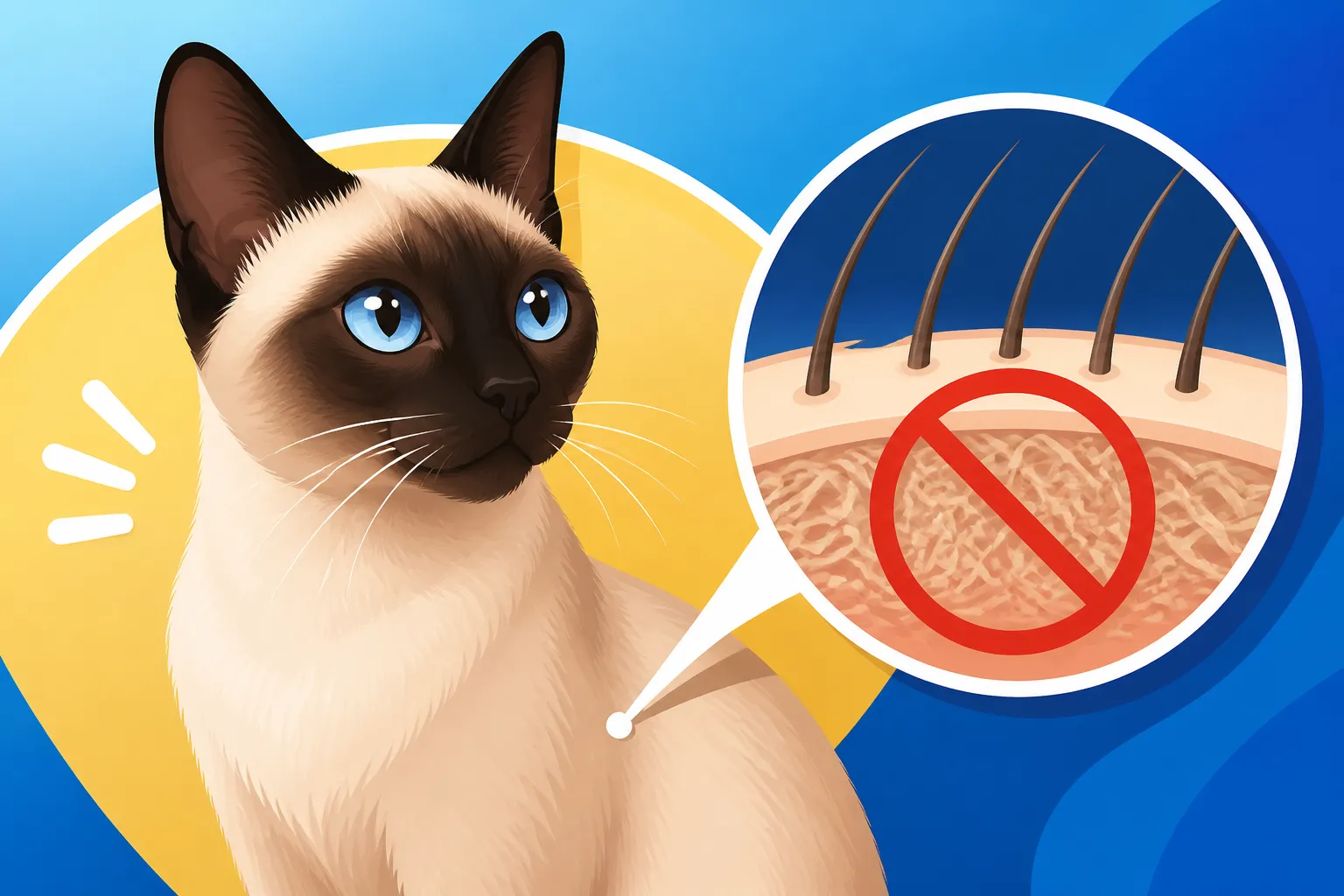
Imagine a typical cat's fur. You have the longer, coarser 'guard hairs' on top. These are the hairs that give the cat its primary color and pattern, and they're also excellent at repelling water and protecting the skin from minor scrapes and sun. Underneath these guard hairs, nestled close to the skin, is the 'undercoat.' This undercoat is made up of shorter, much finer, softer, and incredibly dense hairs. Its main job is insulation. It traps air close to the body, creating a thermal barrier that keeps the cat warm in winter and surprisingly, helps regulate body temperature in summer by preventing heat from penetrating directly to the skin. Think of it like wearing a wool sweater under a waterproof jacket.
The purpose of this double layer is primarily protective and thermoregulatory. Cats with dense undercoats are often found in colder climates or have historical origins in areas where insulation was key for survival. This is why breeds like Maine Coons or Norwegian Forest Cats have such magnificent, thick coats—they needed them to thrive in harsh environments. When you pet a cat with an undercoat, you can often feel the difference in texture between the coarser guard hairs and the soft, downy fluff underneath.
The Siamese Exception: A Single-Layered Marvel
Now, let's talk about your lovely Siamese. When you stroke their fur, you'll notice it feels incredibly fine, short, and lies remarkably close to their body. There's no fluffiness, no dense padding underneath the top layer. This is because the Siamese cat genuinely has a single coat, meaning they primarily possess guard hairs, with little to no discernible undercoat.
This single-layered structure gives the Siamese its signature sleek, elegant, almost streamlined appearance. The fur has a silky, fine texture that many describe as feeling like warm satin or velvet. It’s distinctively smooth, and when they shed, the hairs are often much finer and less voluminous than those from a double-coated cat. This lack of an undercoat contributes to their slender, athletic build being even more apparent, as there's no bulky fur to obscure their graceful lines. It's truly a marvel of specific breeding for certain aesthetics.
Genetic Roots of the Siamese Coat
So, why are Siamese cats built this way? It all comes down to genetics, specifically the same genetic mutation that gives them their famous point coloration. The gene responsible for the color restriction to the cooler parts of their body (ears, paws, tail, face) also influences their coat structure. This gene, part of the albino series, results in a partial albinism that is temperature-sensitive. While primarily known for its effect on pigment, it also plays a role in the type and density of hair produced.
The genetic makeup of the Siamese has historically been selected for this particular coat type. Early breeders of Siamese cats valued the sleek, short, fine coat as much as they did the striking point coloration and elegant physique. Over generations, this trait became firmly established within the breed standard. It's not a flaw or a deficiency; it's a deliberate and natural consequence of their unique genetic lineage. In essence, their genes instruct their bodies to produce predominantly one type of hair, omitting the dense, woolly undercoat found in most other felines.
Living with a Single-Coated Siamese: Pros and Cons
Having a Siamese cat with its unique coat means a slightly different experience than owning a fluffier feline. There are definite advantages to their sleek fur, but also some considerations you, as a loving owner, need to be aware of.
The Upside: Less Shedding and Easier Grooming
Let's start with the good news! One of the most celebrated aspects of the Siamese's single coat is the reduced shedding. While no cat is truly non-shedding, Siamese cats typically shed far less than their double-coated counterparts. This is a huge bonus for anyone who has battled mountains of cat hair on furniture, clothing, and every conceivable surface. You'll still find some fine hairs around, but it's generally a much more manageable amount. This means less time vacuuming and lint-rolling, which is something every cat parent can appreciate.
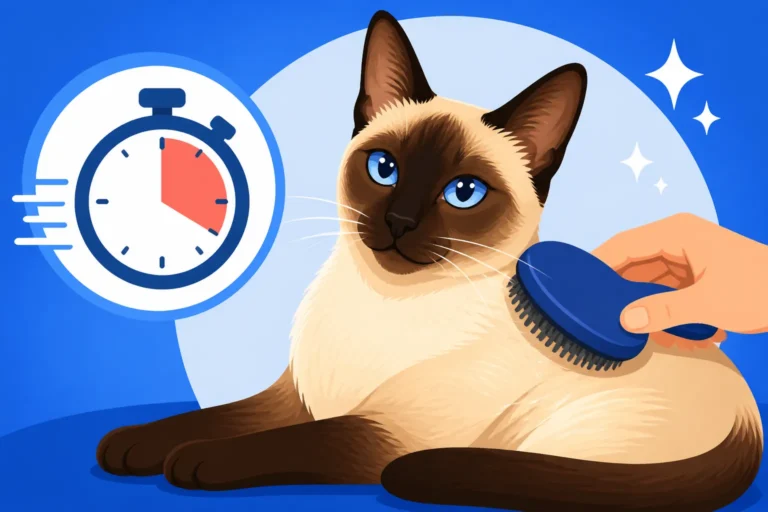
Another fantastic benefit is the ease of grooming. Their short, fine hair rarely mats or tangles, making their coat incredibly low maintenance. A quick brush a couple of times a week is often all it takes to keep their fur looking pristine and feeling wonderful. This isn't just about appearance; regular, gentle brushing helps distribute natural skin oils, removes loose hairs, and provides a lovely bonding experience for you and your cat. Compared to breeds that require daily intense grooming sessions to prevent painful mats, the Siamese is a breeze. If you're looking for guidance, our article Grooming a Siamese Cat Takes Five Minutes a Week offers great tips.
The Downside: Vulnerability to Cold and Skin Issues
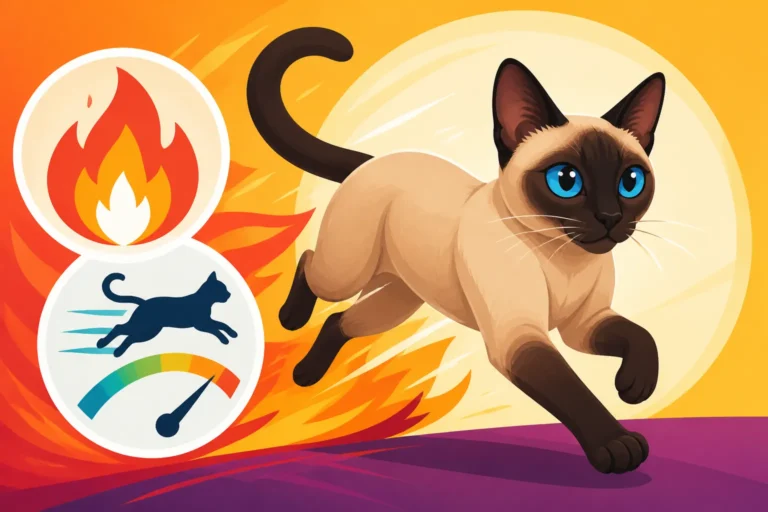
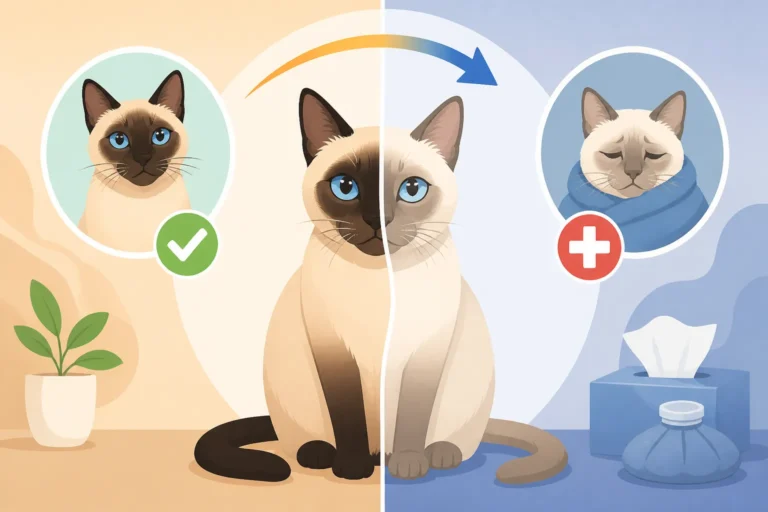
Now for the considerations. The very thing that makes their coat so sleek and easy to care for—the lack of an insulating undercoat—also means they are far more sensitive to cold. Unlike a cat with a thick undercoat that provides a natural buffer against chilly temperatures, your Siamese can get cold very quickly. You might notice them seeking out warm spots in your home: curled up on a sunny windowsill, burrowed under blankets, or nestled against you. This isn't just them being cute; they are genuinely trying to stay warm.
This vulnerability to cold means you need to be mindful of your home's temperature, especially during colder months. They might shiver or appear generally uncomfortable if the ambient temperature drops too low. Beyond just feeling chilly, prolonged exposure to cold can stress their system. Furthermore, with less protective fur, their skin might be slightly more exposed to environmental irritants or even direct sunlight. While their fur still offers some protection, it's not as robust as a double coat. If your Siamese seems perpetually cold, check out Keeping a Siamese Cat Warm for some excellent strategies.
Managing the Lack of an Undercoat: Practical Tips
So, how do you keep your single-coated Siamese comfortable and happy? It's all about providing a warm, stable environment and paying attention to their needs. First and foremost, ensure your home is kept at a comfortable temperature, especially where your cat spends most of its time. Consider drafts from windows or doors.
Providing plenty of cozy, warm spots is essential. This could include soft blankets on their favorite sleeping spots, cat beds with raised sides to trap heat, or even specialized heated cat beds. You can find excellent options on Amazon, from simple self-warming mats to electric heated beds that provide constant warmth. Many Siamese cats adore these. Another option, especially for very sensitive cats or during exceptionally cold snaps, might be a cat sweater. While not all cats tolerate clothing, some Siamese take to them quite well, especially if introduced gently. Our post How Warm a Siamese Cat's House Should Be has more details on ideal temperatures.
The Connection Between Coat and Other Siamese Traits
The unique genetics that give your Siamese their distinctive coat don't operate in a vacuum. They are intricately linked to other fascinating characteristics of the breed, influencing everything from their iconic color points to their overall health and care needs.
Color Point Genetics and Coat Texture
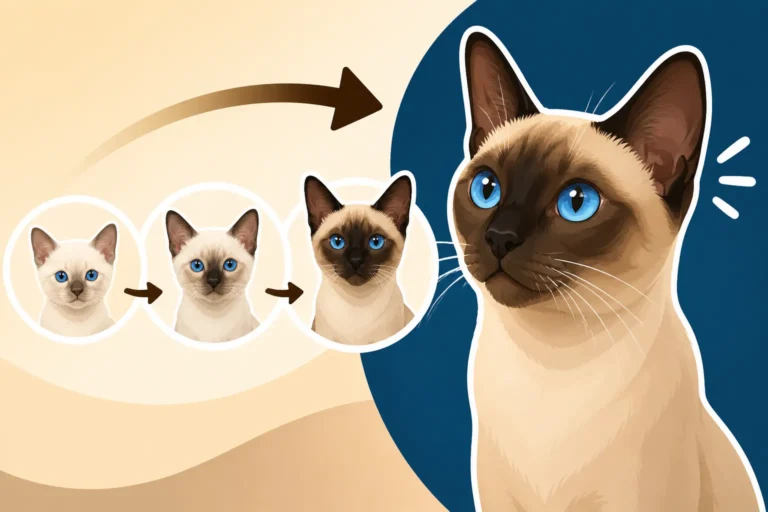
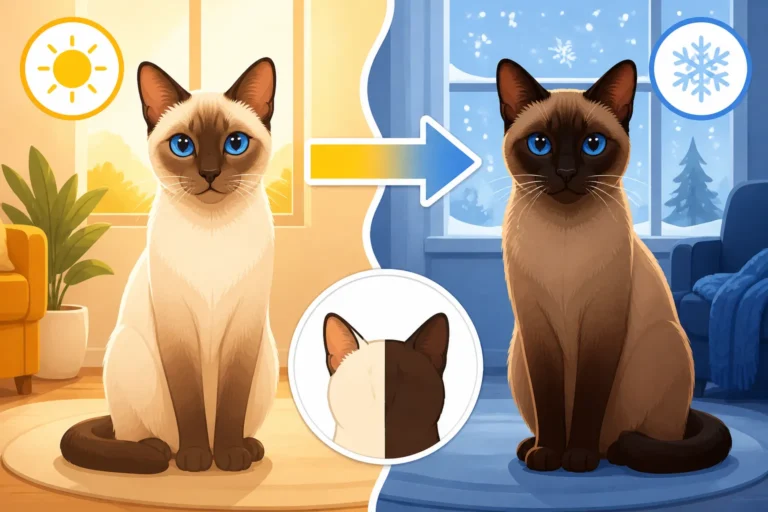
It's truly remarkable how the same underlying genetic mechanism gives the Siamese its distinctive point coloration and its single-layered coat. The gene responsible for their color is a temperature-sensitive enzyme that produces pigment only in cooler areas of the body. This is why a Siamese kitten is born white, as they are uniformly warm in the womb, and their points gradually develop as they are exposed to cooler environmental temperatures.
This same genetic coding seems to dictate the fine, short texture and the absence of an undercoat. It’s as if the "recipe" for a Siamese cat includes specific instructions for both how the color should appear and how the fur itself should grow. There's a coherence to their genetics that results in this streamlined, elegant phenotype. It’s a beautifully integrated set of traits, demonstrating how interconnected a cat's genetic blueprint truly is. You can learn more about this in A Siamese Cat's Points Are Made by Temperature.
Grooming Needs and Skin Health
While the Siamese's single coat means less shedding and easier overall grooming, it doesn't mean no grooming. In fact, regular grooming, even for just a few minutes, is still beneficial for their skin health. Because their fur lies so close to their body, any skin issues can be more readily apparent. Brushing helps to remove loose hairs that are shed (even if minimal) and stimulates blood flow to the skin, promoting a healthy, vibrant coat.
Using a soft rubber curry brush or a grooming glove is often ideal for a Siamese, as their short fur doesn't require aggressive de-shedding tools. These tools are fantastic for gently massaging the skin and polishing their sleek coat. Many owners enjoy this bonding time. You might also want to occasionally wipe down their coat with a damp cloth to remove any dust or dander, which helps maintain their natural shine. Keeping an eye on their skin during these sessions is crucial. Any signs of redness, flakiness, or irritation should prompt a closer look. For more on what tools to use, see Which Brush a Siamese Cat Needs.
Here's a quick comparison of Siamese coats versus typical feline coats:
| Feature | Typical Cat Coat (e.g., Maine Coon, Domestic Shorthair) | Siamese Cat Coat |
|---|---|---|
| Layers | Double coat: insulating undercoat + protective guard hairs | Single coat: primarily guard hairs, negligible undercoat |
| Texture | Varies (dense, fluffy, sometimes coarse) | Fine, short, sleek, satiny, lies close to the body |
| Insulation | High, excellent for temperature regulation | Low, highly sensitive to cold |
| Shedding | Moderate to heavy, often seasonal 'blowing' of undercoat | Generally light, fine hairs |
| Grooming Needs | Regular brushing to prevent mats, manage shedding | Minimal brushing for shine and skin stimulation |
| Feel | Soft, plush, sometimes with a coarser outer layer | Silky, smooth, almost velvety, no 'fluff' |
| Appearance | Fuller, often robust | Streamlined, elegant, accentuates slender build |
Dietary Considerations for Skin and Coat
Just like with us, a cat's diet plays a pivotal role in the health and appearance of their skin and coat. For a Siamese, whose skin is less protected by a dense undercoat, nutrition is especially important. A high-quality diet rich in essential fatty acids (like Omega-3 and Omega-6) can contribute significantly to a healthy skin barrier and a lustrous coat. These fatty acids help maintain skin hydration and reduce inflammation.
Look for cat foods that list real meat as the primary ingredient and avoid excessive fillers. Many premium options cater to specific nutritional needs, including those that support skin and coat health. Sometimes, a vet might recommend a supplement if your cat's diet isn't providing enough of these vital nutrients. Keeping your Siamese well-hydrated is also crucial; access to fresh, clean water at all times, perhaps from a water fountain, can aid overall skin health. Remember, a shiny, healthy coat on a Siamese is often a direct reflection of their internal well-being.
Common Misconceptions and What to Watch For
It's natural to have questions or even concerns about your Siamese's unique coat, especially if you're new to the breed. Let's clear up some common misunderstandings and help you know when to seek professional advice.
Is it a Health Problem? Separating Myth from Reality
One of the most frequent misconceptions is that a Siamese cat's lack of an undercoat is somehow a genetic defect or a sign of poor health. I'm here to tell you definitively: it is not! This single-layered coat is a perfectly normal, healthy, and characteristic trait of the Siamese breed, developed over centuries of natural selection and selective breeding. It's as much a part of their identity as their piercing blue eyes or their vocal nature.
There’s no need to worry that your Siamese is "missing" fur or that their coat indicates a problem unless you observe other concerning symptoms. It’s simply how they are designed. Embracing this unique aspect of their biology is part of the joy of owning a Siamese. Their sleek fur is efficient, beautiful, and part of what makes them so captivating.
When to Consult Your Vet About Coat Changes
While a lack of an undercoat is normal, any changes in your Siamese's coat can sometimes signal an underlying health issue. You should always consult your veterinarian if you notice any of the following:
- Excessive Hair Loss or Bald Patches: Beyond normal, light shedding, if your Siamese is losing significant amounts of hair, especially in patches, it could indicate allergies, parasites, fungal infections, or even stress-related overgrooming (known as Psychogenic Alopecia in a Siamese Cat).
- Dull, Oily, or Dry Coat: A healthy Siamese coat should be sleek and shiny. If it becomes dull, greasy, brittle, or excessively dry, it might point to nutritional deficiencies, hormonal imbalances, or other systemic illnesses.
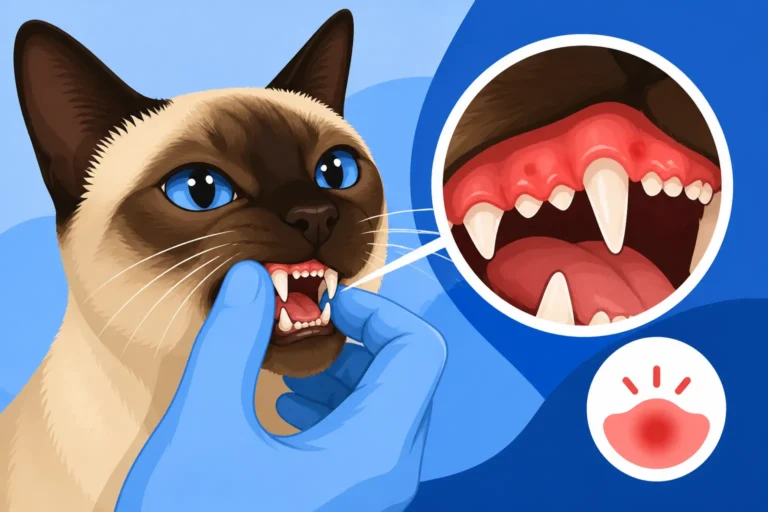
- Skin Redness, Flakiness, or Bumps: Any irritation on the skin, such as rashes, scabs, or unusual lumps, should be checked out promptly.
- Constant Scratching or Licking: While some grooming is normal, incessant scratching, licking, or biting at their fur could be a sign of fleas, allergies, or anxiety.
Your vet is the best resource to determine if a change in your cat's coat is merely cosmetic or indicative of a more serious health concern. They can perform diagnostics and recommend appropriate treatment or dietary adjustments.
Embracing the Siamese's Unique Beauty
Ultimately, the Siamese cat's single coat is an integral part of their distinctive charm and elegance. It highlights their lithe, muscular bodies and contributes to their exotic appeal. Instead of seeing it as a "lack," view it as a unique attribute that makes them stand out from the crowd.
Their sleek fur means fewer hairballs (a win for everyone!), less fuss with brushing, and a wonderfully soft texture that makes petting them an absolute delight. Once you understand their specific needs—like keeping them warm and ensuring good nutrition for skin health—caring for a single-coated Siamese becomes second nature. Celebrate this aspect of your Siamese; it's one of the many reasons why these intelligent, vocal, and affectionate companions are so cherished.
Disclaimer
This article is for general informational purposes only and does not constitute professional advice. Laws, prices and regulations vary by location and change over time. Consult a qualified professional for guidance on your specific situation.