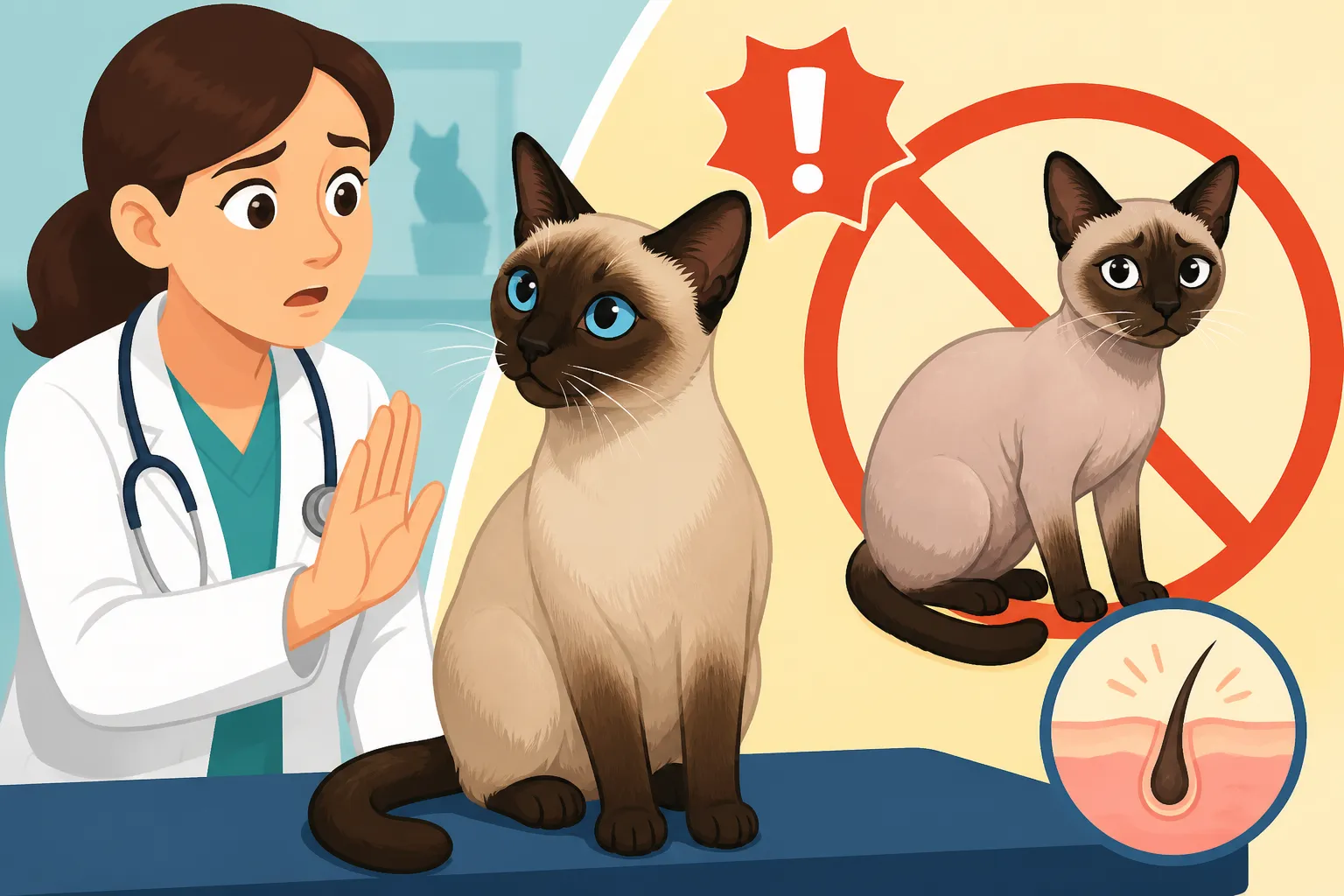
Whether a Vet Should Warn a Siamese Cat Owner Before Shaving
It's a moment many Siamese cat owners have experienced: your beloved Meezer comes home from a necessary veterinary procedure, perhaps a dental or a minor surgery, and everything seems fine. Then, a few weeks later, you notice something unsettling. Where the fur was shaved for the procedure, a distinctly darker patch of fur starts growing back, almost like a permanent bruise on their beautiful coat. This unexpected change can be quite alarming, making you wonder if something is wrong, if the fur will ever return to its original shade, and why on earth your vet didn't give you a heads-up. This guide dives into why this happens and whether your vet should indeed prepare you for this unique Siamese cat phenomenon.
The Unique Science Behind a Siamese Cat's Color Changes
The striking point coloration of a Siamese cat is one of its most defining and beautiful features, but it's also the reason for these surprising post-shave color changes. Understanding the genetics and physiology behind this can alleviate a lot of worry.
Why Siamese Cats Have Temperature-Sensitive Pigment
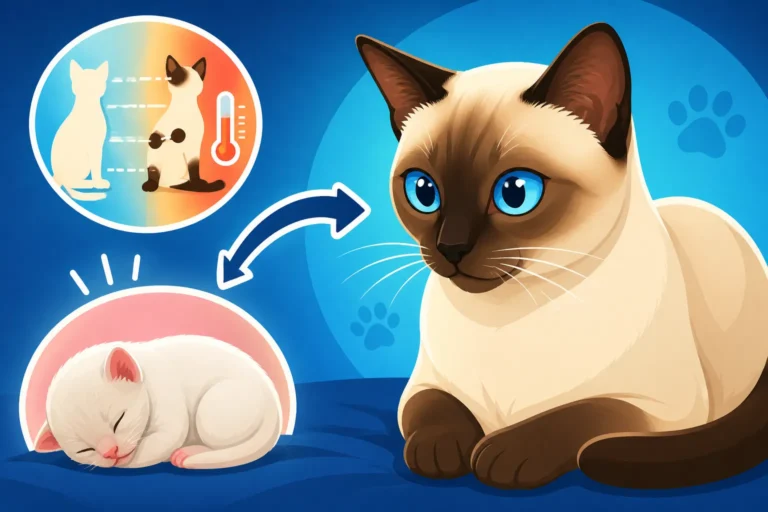
Siamese cats possess a fascinating genetic trait that dictates their coat color. They carry a specific gene, often referred to as the "Himalayan gene," which results in temperature-sensitive albinism. This means that the enzyme responsible for producing pigment (melanin) in their fur only functions effectively within a certain temperature range. In warmer parts of their body, like their torso and belly, this enzyme is inactive, leading to pale cream or white fur. However, in cooler areas – their paws, ears, tail, and face – the enzyme springs into action, producing the darker pigment we know as points. This is why a Siamese cat kitten is born white; their entire body is warm and cozy in the womb, preventing pigment production until they are exposed to cooler air after birth. Why a Siamese Cat's Pigment Only Works When Cool explores this in more detail.
This unique biological quirk explains why their points gradually develop and darken over their first few months of life, and why their coat can even change subtly with the seasons or if they spend a lot of time snuggled in warm spots. It's a living, breathing thermometer that shows up in their fur, and it's completely normal for the breed. The stunning contrast between their pale body and dark extremities is all thanks to this temperature-dependent process.
How a Shaved Patch Triggers Darker Regrowth
When a Siamese cat undergoes a veterinary procedure, part of the preparation often involves shaving a small area of fur. This is done for hygiene, to allow for better visibility during surgery, or to prepare for IV access. The act of shaving, while seemingly simple, has a profound effect on the skin's temperature in that localized area. Suddenly, an area that was previously insulated by fur, and therefore warmer, is exposed to the ambient temperature. This drop in local skin temperature is enough to activate the pigment-producing enzyme in that specific spot.
As the fur begins to grow back, the newly exposed, cooler skin encourages the production of melanin. The result is a patch of fur that grows in significantly darker than the surrounding body coat, often mimicking the color of their points. It's not a sign of infection or a problem with the regrowth; it's simply the Siamese cat's genetics doing their thing in response to a temporary environmental change on their skin. You can really see this phenomenon at play and understand The Shaved Patch That Grows Back Dark on a Siamese Cat by exploring the topic further. This is a common and predictable outcome, not a medical mystery.
The Emotional Impact on Owners and Expectations
Discovering an unexpected dark patch on your Siamese cat can be a source of significant distress, and this highlights a gap in veterinary communication that could easily be addressed.
The Surprise and Concern Over a Dark Patch
For many owners, seeing a dark patch on their cat where fur used to be is a completely unexpected and worrying sight. Our pets are our family, and any sudden change in their appearance, especially after a medical procedure, can send us into a spiral of concern. Is it a bruise? Is it a permanent scar? Is it a symptom of a deeper, undiagnosed issue? The lack of an explanation upfront can lead to frantic searches online, worried phone calls to the vet, and unnecessary anxiety. It feels like something is wrong, and that feeling is very valid.
This isn't just about aesthetics; it's about trust and feeling informed about your pet's care. When you bring your cat to a professional, you expect them to be aware of breed-specific quirks that might affect recovery or appearance. Not being told about this common phenomenon can leave owners feeling bewildered and even a little resentful. They might assume the vet somehow "burned" the skin or that there was a complication, when in reality, it's just a perfectly normal, albeit visually striking, genetic response.
The Importance of Informed Consent in Veterinary Care
Informed consent in veterinary medicine isn't just about signing forms; it's about clear, proactive communication regarding all aspects of a procedure and its potential outcomes. This includes explaining possible side effects, recovery timelines, and yes, breed-specific phenomena like the darkening of shaved fur in Siamese cats. While a dark patch isn't a medical complication, it's a predictable physical change that warrants a heads-up, especially given the unique appearance of these cats.
A quick mention during the pre-procedure consultation – "By the way, because your cat is a Siamese, you might notice the fur growing back in a bit darker where we shave it. Don't worry, that's completely normal for the breed due to their temperature-sensitive pigment!" – could save owners a lot of stress. It sets realistic expectations and demonstrates a thorough understanding of the breed's characteristics. This small gesture builds confidence in the veterinary team and prevents avoidable worry once the cat is back home.
Practical Advice for Vets and Owners
Bridging the communication gap around this common Siamese cat phenomenon benefits everyone. Vets can enhance client satisfaction, and owners can feel more empowered and less anxious about their pet's care.
Best Practices for Veterinary Communication
Veterinary clinics deal with a vast array of breeds, each with its own quirks. It's understandable that not every single breed-specific detail can be covered exhaustively for every procedure. However, for a phenomenon as visually prominent and consistently predictable as the shaved patch darkening in Siamese cats, it really should become a standard part of the pre-procedure discussion.
Here are some ways vets can proactively inform owners:
- Pre-procedure Checklist: Include a specific note for Siamese, Himalayan, and other colorpoint breeds about fur regrowth.
- Verbal Disclosure: A simple sentence during the consultation or when handing the cat back to the owner is often enough. "Just a heads-up, you might notice this spot growing back darker than the rest of their body fur, that's totally normal for a Siamese!"
- Informational Handouts: Provide a short, easy-to-understand handout for owners of colorpoint cats, explaining the phenomenon and reassuring them it's normal.
- Visual Aids: A simple diagram or a photo of a Siamese cat with a dark shaved patch could be incredibly effective.
This small investment in communication can significantly improve the owner experience, reduce follow-up calls about perceived issues, and strengthen the bond of trust between the pet owner and the veterinary practice. It shows a thoughtful approach to patient care that extends beyond just the medical procedure itself. For more on preparing for your cat's health, consider reading What a Siamese Cat Breeder Should Have Screened for pre-purchase considerations.
What Owners Can Do to Prepare or Cope
As an owner, you have an active role to play in your cat's care and in managing your own expectations. If your Siamese cat needs a procedure involving shaving, here are some steps you can take:
- Ask Proactively: Don't hesitate to ask your vet directly, "Will the fur grow back the same color, or should I expect it to be darker?" It’s a perfectly reasonable question.
- Do Your Research: A quick search, like "Siamese cat fur darker after shaving," can bring up plenty of information and images, so you're mentally prepared.
- Focus on Recovery: Remember that the temporary change in fur color is a minor aesthetic issue compared to the health benefits of the procedure. Your cat's well-being is the top priority.
- Provide Comfort: Ensure your cat is comfortable post-procedure. A warm, quiet spot is ideal for recovery. You might even find cozy beds or blankets on platforms like Amazon or Chewy that can help keep them warm, which paradoxically might help the fur grow back a little lighter than if they were chilly.
- Embrace the Uniqueness: Think of it as a temporary tattoo, a little badge of bravery from their vet visit! It’s part of what makes Siamese cats so distinctive.
If you are worried about the wound healing itself, or if the patch seems painful, swollen, or excessively itchy, that is when you should definitely contact your vet, regardless of the fur color. The color change is normal, but complications with the incision are not.
Long-Term Outlook for the Shaved Fur
Once that dark patch appears, the next question on every owner's mind is, "Will it stay like this forever?" Thankfully, the answer is usually no, but it does take time and depends on a few factors.
How Long a Siamese Cat's Dark Patch Lasts
The good news is that the darker fur regrowth on a Siamese cat is generally not permanent. It’s a temporary response to a temporary change in skin temperature. As the new fur grows in and provides insulation to the skin, the local temperature beneath the fur will gradually normalize and warm up again. Once the skin reaches its usual warmer temperature, the pigment-producing enzyme will become less active, just as it is on the rest of their body.
However, "temporary" is a relative term in the world of cat fur. It can take several months for the dark patch to lighten up and blend in with the surrounding coat. Factors like the cat's overall body temperature, the ambient temperature of your home, and even seasonal changes can influence how quickly the pigment fades. A cat living in a warmer climate or a well-heated home might see the patch lighten faster than one in a cooler environment. Generally, expect it to take anywhere from three to six months, or even longer, for the fur to fully revert to its original shade. You can look at How Long a Shaved Siamese Cat Stays Dark for more detailed expectations.
Managing Future Shaving Needs
Knowing about this phenomenon means you can be better prepared if your Siamese cat needs to be shaved again in the future. It’s not a reason to avoid necessary medical procedures, but it does allow for informed discussions with your vet.
Here are some considerations for future situations:
- Discuss Alternatives (if applicable): In some cases, minimal shaving might be possible, or alternative prep methods could be considered if the procedure allows. However, patient safety and sterility should always be the priority.
- Keep Them Warm: While you can't prevent the initial darkening, ensuring your Siamese cat is kept comfortably warm during recovery can help the fur's underlying skin temperature return to normal sooner, potentially speeding up the lightening process. A cozy cat bed, an extra blanket, or even a soft sweater (if they tolerate it) can make a difference. Many of these comfort items are easily found on platforms like Chewy or Amazon.
- Embrace the Unique Pattern: Some owners even find the temporary dark patch endearing, a unique marker of their cat's journey and recovery. It becomes part of their story.
- Maintain Regular Grooming: While it won't prevent the darkening, regular, gentle brushing can help stimulate circulation in the skin as the fur grows back and keeps the coat healthy overall. Grooming a Siamese Cat Takes Five Minutes a Week is a good resource for general care.
Ultimately, the goal is always your cat's health and comfort. The fur color change is a small, temporary price to pay for a healthy life, but a heads-up from your vet can make all the difference in an owner's peace of mind.
Disclaimer
This article is for general informational purposes only and does not constitute professional advice. Laws, prices and regulations vary by location and change over time. Consult a qualified professional for guidance on your specific situation.