When a Siamese Cat Moves to Adult Food
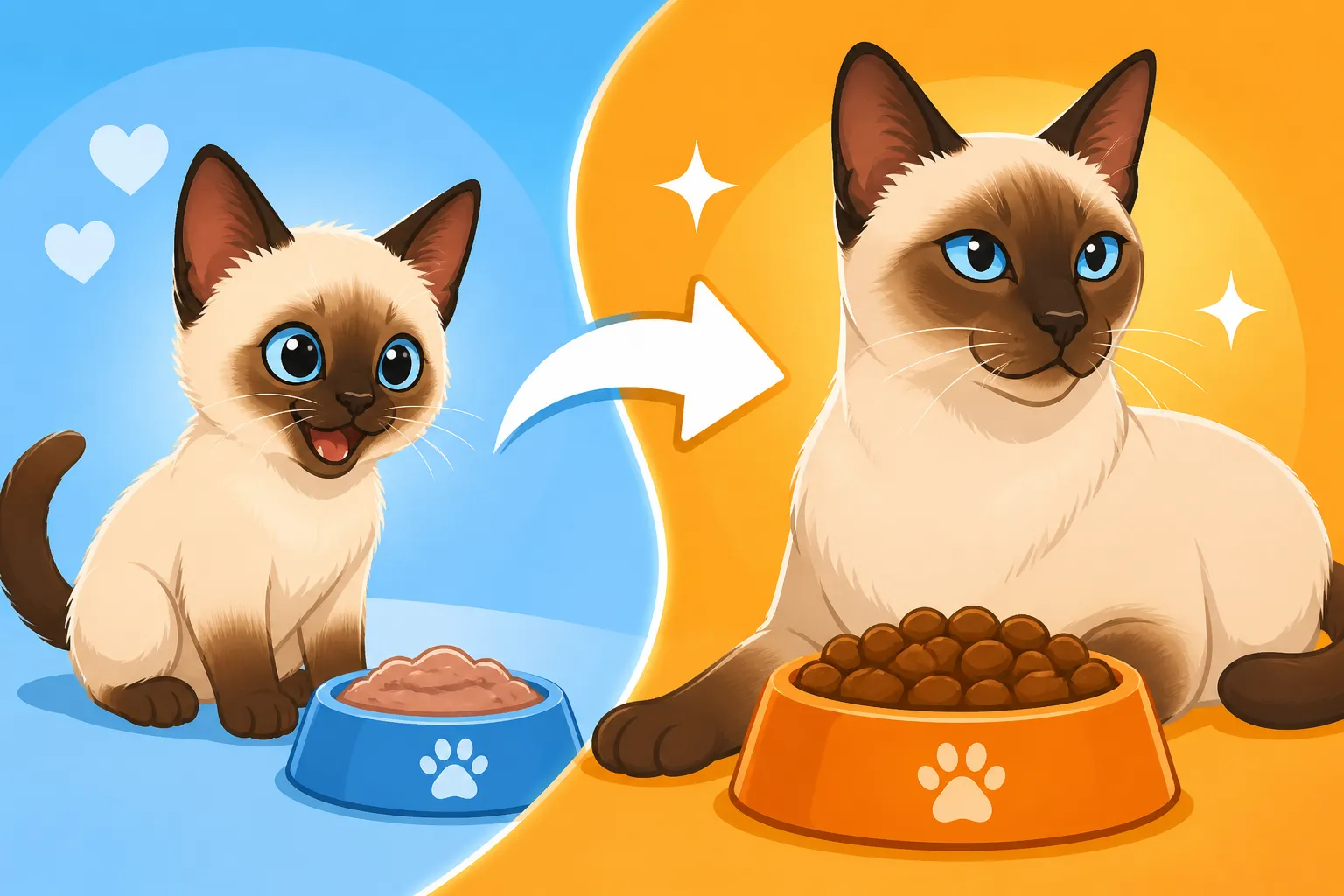
It’s a truly exciting, and sometimes bewildering, time when your adorable Siamese kitten starts to grow up. One of the big questions that often weighs on a cat parent’s mind is exactly when to transition them from their special kitten food to an adult formula. It feels like such a crucial step, and you want to get it right to ensure your energetic little Meezer keeps thriving. This guide is here to walk you through the entire process, from understanding their unique needs as they mature to making the switch as smooth and stress-free as possible for both of you.
Understanding the Unique Nutritional Demands of a Growing Siamese Kitten
Those tiny, boundless bundles of energy that are Siamese kittens aren't just smaller versions of adult cats. They are miniature dynamos with vastly different nutritional requirements designed to fuel their incredible growth spurts and developing bodies. Getting their diet right in these formative months lays the foundation for a long, healthy life.
Why Kitten Food is Specifically Formulated
Kitten food isn't just a marketing ploy; it's a carefully balanced diet tailored to the intense metabolic needs of a rapidly growing feline. Think about it: a kitten goes from a tiny, helpless creature to a playful, agile adolescent in under a year. This requires a powerhouse of nutrients.
Kitten formulas typically boast higher levels of protein and fat compared to adult foods. Protein is the building block for muscles, organs, and a healthy immune system, all of which are undergoing significant development in a kitten. The extra fat provides concentrated calories, which are absolutely essential for a kitten's voracious energy demands and rapid weight gain. Beyond macronutrients, kitten foods are also fortified with crucial vitamins and minerals, like calcium for strong bones and teeth, and DHA for brain and vision development. These aren't just 'nice-to-haves'; they are critical for proper physiological development. Many Siamese owners observe just how much energy their kittens burn, which often leads to the question of Why a Siamese Cat Stays So Thin. Kitten food helps sustain that rapid metabolism.
Growth Stages and Their Changing Needs
A Siamese kitten's first year is a whirlwind of development. From birth, they are reliant on their mother's milk, which provides antibodies and essential nutrients. By about 4-6 weeks, they begin the weaning process, gradually transitioning to solid kitten food. This period is vital for learning how to eat independently and adapting to different textures.
From about 2 to 6 months, kittens experience their most rapid growth. They're putting on weight, lengthening their bones, and their organ systems are maturing. During this phase, they need easily digestible, nutrient-dense food to support every aspect of their physical development. Their immune systems are still strengthening, so proper nutrition plays a key role in fending off illness. As they approach 6 to 10 months, their growth rate begins to slow, but they're still building muscle and refining their coordination. They often become more independent and exploratory, which means they're burning a lot of calories through play and curiosity. This entire period requires the sustained nutritional support that kitten-specific formulas offer, perfectly setting them up for their adult life.
Pinpointing the Ideal Moment for Your Siamese's Switch
Deciding exactly when to switch your Siamese from kitten food to adult food isn't a hard-and-fast rule, but rather a combination of age, physical development, and a little common sense. It's about recognizing that your kitten is no longer, well, a kitten.
Age as a General Guideline
Most veterinary professionals and pet food manufacturers recommend transitioning kittens to adult food when they are approximately 10 to 12 months old. This age often coincides with them reaching their full adult size, or at least very close to it. However, it’s not a strict deadline. Some larger cat breeds might mature a little slower, and conversely, some smaller breeds or individuals might be ready slightly earlier.
For Siamese cats, who are typically slender and graceful, reaching their full bone structure and muscle mass usually happens around this 10-12 month mark. It’s a good general window to start considering the change, but it’s crucial to also look at your individual cat, not just the calendar. Pushing the switch too early can deprive them of essential nutrients needed for final development, while waiting too long might lead to them consuming excess calories and developing a taste for overly rich food, even if they appear Why a Siamese Cat Feels Bony.
Physical and Behavioral Cues
Beyond the calendar, your Siamese will give you plenty of clues that they're ready for the next stage of their diet. Observing these subtle shifts can help you make an informed decision.
One of the most obvious signs is a deceleration in growth. That rapid expansion you saw in their first few months will have tapered off significantly. They might still fill out a little, but the dramatic height and length increases will have largely ceased. You might notice they're no longer constantly ravenous or perpetually trying to raid the food bowl with the same frantic energy. Their bodies will appear more lean and defined, rather than the slightly more rounded, softer look of a young kitten. Pay attention to What a Siamese Cat Should Weigh at One Year to gauge if they're settling into an adult weight range.
Behaviorally, a Siamese that's ready for adult food might seem calmer during meal times, less prone to frantic play immediately after eating, and generally more settled. While their playful Siamese spirit never truly disappears, the incessant, high-energy bursts might become a little less frequent. If you have multiple cats, you might even notice them showing interest in the adult cat's food, though this isn't always a reliable indicator on its own. These cues, combined with their age, provide a good holistic picture of their readiness.
Consulting Your Veterinarian
When in doubt, always turn to your veterinarian. They are your best resource for personalized advice regarding your Siamese cat’s health and nutritional needs. During your kitten's routine check-ups, your vet will monitor their weight, body condition, and overall development. They can confirm if your cat is on track to reach adult size around the typical timeframe and provide tailored recommendations.
Your vet can assess your Siamese's individual growth curve, factor in any existing health conditions, and discuss specific dietary considerations. For instance, if your Siamese has a sensitive stomach, they might recommend a slower transition or a specific type of adult food formulated for digestive health. Don't hesitate to bring up any concerns about appetite changes, weight fluctuations, or stool consistency during your appointments. A professional opinion provides invaluable peace of mind and ensures your Siamese gets the best start to their adult diet. They can help you determine How Many Calories a Siamese Cat Needs a Day as an adult, which can differ from other breeds.
A Gentle Transition: Making the Switch Smoothly
Transitioning your Siamese cat to adult food isn't a race; it's a gradual process. Rushing it can lead to digestive upset, which nobody wants. Patience and a systematic approach will make it a smooth experience for your beloved feline.
The Gradual Mixing Method
The golden rule for changing any cat's food, especially with a breed as sensitive as the Siamese, is to do it gradually. A sudden switch can shock their digestive system, leading to diarrhea, vomiting, or a complete refusal to eat the new food. Your Siamese relies on consistency, and their gut biome needs time to adjust to new ingredients and nutrient ratios.
A typical transition plan spans about seven to ten days, slowly introducing the new adult food while phasing out the old kitten food. Here's a common schedule:
| Day | Old Kitten Food | New Adult Food |
|---|---|---|
| 1-2 | 75% | 25% |
| 3-4 | 50% | 50% |
| 5-6 | 25% | 75% |
| 7-10 | 0% | 100% |
Start by mixing a small amount of the new adult food with their familiar kitten food. If they eat it without issue, increase the proportion of the new food every couple of days. If you notice any signs of digestive upset at any point, slow down the transition, holding at the current ratio for an extra day or two until their system settles. Remember, every cat is an individual, and some Siamese might need a longer, more drawn-out transition period, while others adapt more quickly.
Monitoring for Digestive Issues
During the transition, your primary job is to be an observant cat parent. Watch your Siamese carefully for any signs that their digestive system isn't happy with the change. It's not uncommon for slight variations in stool consistency during this period, but anything more severe warrants attention.
Keep an eye out for diarrhea, vomiting, excessive gas, or a sudden loss of appetite. If your Siamese starts having loose stools or completely refuses to eat the new mixture, it's a clear signal to slow down. Revert to the previous, more comfortable ratio for a few days before attempting to increase the new food again. Sometimes, a completely new protein source or a different fiber content can be the culprit. If symptoms persist or worsen, especially if your cat seems lethargic or unwell, it’s time to call your vet. They can rule out any underlying issues and provide advice on managing digestive upset. Ensuring they stay hydrated is also key, and sometimes a Whether a Siamese Cat Needs a Water Fountain can encourage more drinking.
Hydration and Appetite During Transition
Any change in a cat's routine, especially involving food, can sometimes impact their appetite or water intake. Siamese cats are known for being quite particular and sometimes a bit sensitive to change. During the transition to adult food, it’s vital to ensure your cat continues to eat enough and, critically, stays well-hydrated.
Sometimes, a Siamese might initially be wary of the new food’s smell or texture, even when mixed in. If they're turning their nose up, try warming up wet food slightly to enhance its aroma, or simply be patient. Don't immediately offer alternatives, as this can teach them that refusing food gets them something better. Just stick to the schedule, and they will usually come around. Keep an eye on their water bowl. Increased fiber in adult food can sometimes necessitate more water intake, and conversely, an upset stomach can lead to dehydration. Make sure fresh, clean water is always available. If you notice a significant decrease in eating or drinking, or if they seem lethargic, it’s a red flag. Your vet can provide solutions or rule out any health concerns. A cat's normal water intake is crucial, so any changes should be noted.
Selecting the Perfect Adult Food for Your Siamese Companion
Once your Siamese kitten has successfully transitioned, the next important step is choosing the best long-term adult food. Given their unique metabolism and general health profile, picking a high-quality, appropriate diet is paramount for their sustained well-being.
Key Nutrients for Adult Siamese
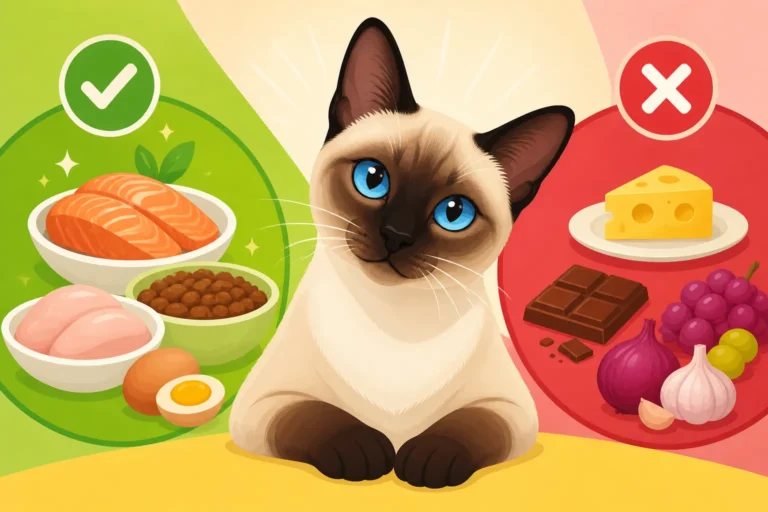
An adult Siamese cat thrives on a diet rich in high-quality animal protein. They are obligate carnivores, meaning their bodies are designed to derive most of their nutrients from meat. Look for foods where meat, poultry, or fish is the first ingredient, not grains or plant-based fillers. High protein content supports their lean muscle mass and helps maintain that famously athletic Siamese physique.
Beyond protein, a good adult formula for a Siamese should also include moderate fat levels to provide energy and support healthy skin and coat. Essential fatty acids, like Omega-3 and Omega-6, are also vital for overall health. Crucially, ensure the food contains taurine, an amino acid essential for feline heart health and vision. A lack of taurine can lead to serious health issues. While they don't need excessive carbohydrates, a small amount from quality sources can provide sustained energy. Always choose a food that specifies it's "complete and balanced" for adult cats, meaning it meets all their nutritional requirements. This will aid in supporting them through The Fifteen to Twenty Years a Siamese Cat Gets.
Wet vs. Dry Food: A Siamese Perspective
The debate between wet and dry food is a common one, and both have their merits for a Siamese cat. Many owners find a combination of both works best.
Dry kibble is convenient, can be left out for free-feeding (though portion control is often better), and can help with dental hygiene due to its abrasive texture. However, dry food is typically lower in moisture. Since cats naturally get a lot of their hydration from their food in the wild, an exclusive dry food diet might mean they don't get enough water, potentially contributing to urinary tract issues.
Wet food, on the other hand, is excellent for hydration, which is particularly beneficial for cat breeds like Siamese that might not drink as much water as they should. It can also be more palatable due to its stronger aroma and texture. The higher moisture content also means it's generally less calorie-dense per serving, which can be useful for weight management if your Siamese ever struggles with putting on a few extra pounds, though this is rare for the breed. Many believe Whether a Siamese Cat Needs Wet Food is crucial for their long-term health. Ultimately, a mixed feeding approach, where you offer both wet and dry food, often provides the best of both worlds, ensuring good hydration and dental benefits.
Decoding Food Labels and Ingredients
Learning to read and understand pet food labels is one of the most powerful tools you have as a cat owner. Don't be swayed solely by fancy packaging or marketing claims. Focus on the ingredient list and the nutritional analysis.
The first few ingredients listed on a pet food label are the most abundant by weight. For your Siamese, look for real meat sources such as chicken, turkey, salmon, or beef as the very first ingredient. Avoid foods that list “meat by-products” or “meat meal” without specifying the animal source early on. While some by-products can be nutritious, specific sourcing is generally preferred. Look for identifiable whole ingredients. Be wary of excessive fillers like corn, wheat, or soy, as these can be less digestible for some cats and offer minimal nutritional value beyond carbohydrates. Some brands, like those found easily on Chewy or Amazon, offer detailed ingredient breakdowns and customer reviews which can be very helpful in making choices. For those leaning towards fresh options, human-grade ingredients are available, though these often come at a different price point.
| Key Nutritional Component | Role for Adult Siamese | Good Food Sources | What to Look For on Label |
|---|---|---|---|
| Protein | Muscle maintenance, overall body function | Chicken, turkey, fish, beef | "Chicken", "Salmon", "Lamb meal" as first ingredient |
| Fat | Energy, healthy skin & coat, vitamin absorption | Chicken fat, salmon oil, flaxseed | Listed as a named fat source |
| Taurine | Heart health, vision | Meat, poultry, fish | Explicitly listed; often added as supplement |
| Omega Fatty Acids | Skin, coat, joint health | Fish oil, flaxseed, certain meats | "Salmon oil", "Linoleic acid" |
| Fiber | Digestive health | Fruits, vegetables, beet pulp | "Peas", "Carrots", "Beet pulp" in moderation |
Special Dietary Considerations
Even after transitioning to adult food, your Siamese might have unique dietary needs that require ongoing attention. They are a relatively robust breed, but like all cats, they can develop sensitivities or specific health concerns over time.
Some Siamese cats can have sensitive stomachs, manifesting as occasional vomiting or soft stools. In such cases, your vet might recommend a limited ingredient diet or a food specifically formulated for sensitive digestion. These foods typically contain a single novel protein source and fewer potential irritants. Additionally, while Siamese cats are generally lean, metabolism can slow with age, or an indoor, less active lifestyle could lead to a tendency to gain weight. If your Siamese starts to get a bit chunky, switching to a "light" or "weight management" formula can help. These foods are lower in calories but still provide essential nutrients. Regular weight checks at home and during vet visits are crucial to catch any changes early. Keeping an eye on their overall How Healthy the Siamese Cat Actually Is will guide you.
Ultimately, choosing the right adult food for your Siamese is an ongoing process of observation, research, and communication with your veterinarian. What works beautifully for one Siamese might not be ideal for another. You're aiming for a diet that keeps them energetic, healthy, and happy throughout their many years.
Disclaimer
This article is for general informational purposes only and does not constitute professional advice. Laws, prices and regulations vary by location and change over time. Consult a qualified professional for guidance on your specific situation.